South Carolina Equipment Checks by Officers
There's nothing quite like the freedom of riding your ATV or UTV across the diverse landscapes of South Carolina, whether it's through the sandy coastal plains or the rugged Upstate terrain. But that freedom comes with responsibilities, and sometimes, a friendly ride can turn stressful if you're pulled over by an officer. It's easy to feel a knot of anxiety in your stomach, wondering if your machine is up to snuff or if you have all your ducks in a row. This guide is here to shed some light on what South Carolina law enforcement officers are trained to look for during an equipment check, helping you ride with confidence and keep those good times rolling without unnecessary hiccups.
What an Officer Can Look For During a Stop
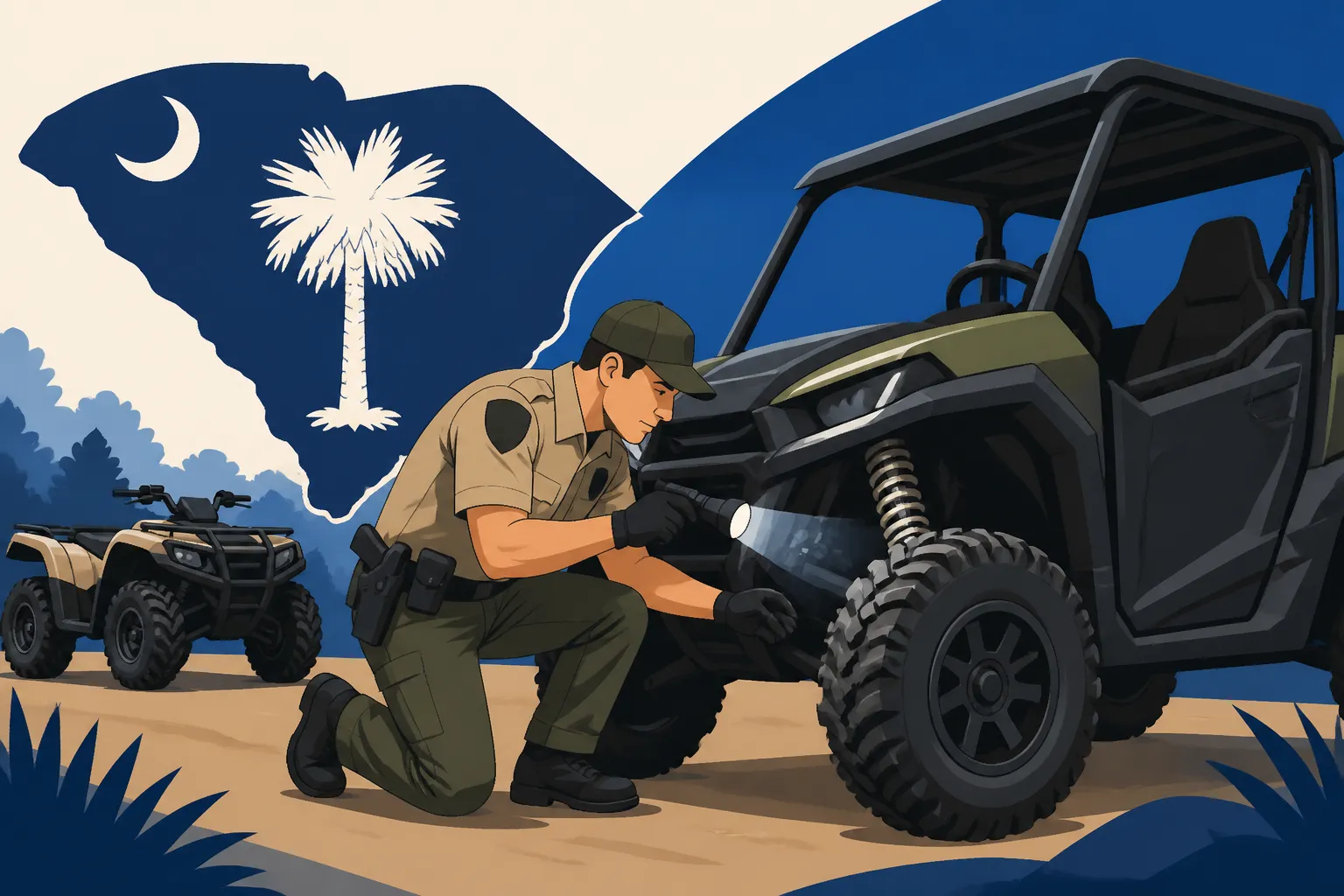
When a law enforcement officer initiates a stop, their primary concern is safety – both yours and the public's. They're looking to ensure that your machine is in proper working order and that you, as the operator, are complying with all applicable laws designed to prevent accidents and promote responsible riding. This isn't just about avoiding a ticket; it's about making sure everyone gets home safely at the end of the day.
Mandatory Safety Gear for Riders
This is often the first thing an officer will observe, especially if younger riders are involved. South Carolina has specific laws, often referred to as [Chandler's Law and South Carolina ATV Rules], that dictate what riders, particularly those under a certain age, must wear and carry. For instance, riders aged 15 and younger are generally required to wear a helmet and eye protection when operating an ATV. This isn't a suggestion; it's a legal requirement. An officer will be checking to see if a minor has the proper headgear – not just any helmet, but one that meets federal safety standards. They’ll also be looking for appropriate eye protection, whether it's goggles or a face shield on the helmet itself.
Beyond just the helmet, younger riders also have requirements regarding safety courses. If you have a child or teenager riding, an officer might ask if they possess the necessary safety certificate, particularly for those 15 and under. [South Carolina Safety Certificate Requirements] are in place to ensure young riders have a basic understanding of safe operation. It's about preparedness, and officers are trained to verify this. If you’re riding with a younger family member, understanding these rules is paramount. Imagine the frustration of having a fun day cut short because a safety certificate was overlooked!
Machine-Specific Equipment for Off-Road Use
Even if your ATV or UTV is purely for off-road adventures, there are still baseline equipment expectations. Officers understand that these machines are used in rugged environments, but basic functionality is non-negotiable. For example, your machine must have functional brakes. This isn't just about stopping; it's about having brakes that can hold the machine on an incline, ensuring control in varied terrain. [South Carolina Brake Requirements] exist for a reason – to prevent runaway machines and accidents.
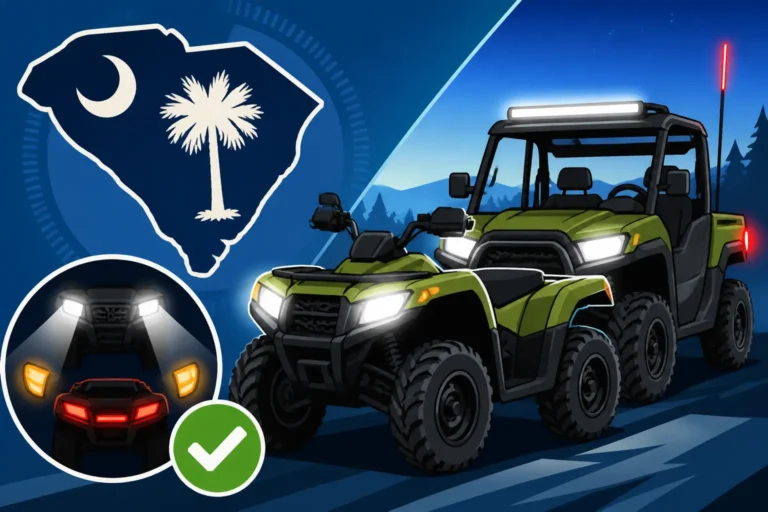
Another key piece of equipment, particularly if you're riding on public lands like national forests, is a spark arrester. This device prevents hot carbon particles from escaping your exhaust and potentially starting a wildfire, which is a serious concern in the dry Carolina summers. An officer may visually inspect your exhaust system to confirm the presence of a functioning spark arrester. If you're out after dark, or even around dusk, functional headlights and taillights are usually required to ensure visibility, even on private land or forest trails. While some of these requirements might seem minor, they're all part of the overarching [South Carolina Equipment Requirements for ATVs] designed to keep riders and the environment safe.
What Changes When You're Street Legal UTVs
Now, if you’re one of the many South Carolinians who have embraced the street-legal UTV trend, the game changes significantly. Thanks to recent legislation, it’s now possible to get a license plate for your UTV and drive it on many public roads. But with that privilege comes a much longer checklist for law enforcement. When an officer pulls over a street-legal UTV, they're essentially checking it as if it were a regular passenger vehicle, plus some unique UTV specifics.
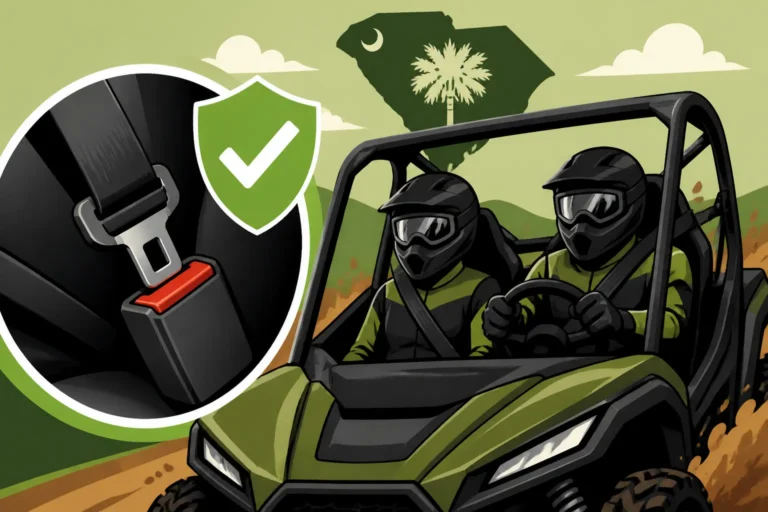
Think about what a car needs: headlights, taillights, brake lights, turn signals, mirrors, a horn, and seatbelts. Your street-legal UTV needs all of these too. Officers will meticulously check for functional turn signals on both front and rear, proper brake lights that illuminate when the pedal is pressed, and a horn that works. They’ll look for a rearview mirror and often side mirrors, ensuring you have adequate visibility of traffic around you. Many UTV owners turn to aftermarket specialists like SuperATV to equip their machines with these essential components, from DOT-approved tires and windshields to comprehensive signal kits. [South Carolina Street UTV Requirements Explained] detail these needs, and you'll find that companies like SuperATV offer kits specifically designed to help you meet these regulations. Furthermore, proper tires that are street-legal and not solely designed for off-road mudding will be part of the inspection, as will seatbelts for all occupants, which are a non-negotiable safety feature on public roads.
Documents and Identification an Officer May Request
Beyond the physical inspection of your machine and gear, an officer will almost always ask for certain documents. This is where many riders can get tripped up if they're not prepared. Having your paperwork in order is just as crucial as having a well-maintained machine, and it can significantly smooth over any roadside interaction.
Proof of Ownership and Identity
Regardless of whether you're on a trail or a public road, an officer needs to verify who you are and that you legitimately own or have permission to operate the machine. First and foremost, you'll need to provide a valid driver's license or identification. If you're a minor, this might involve other forms of ID or the presence of a supervising adult.
For your machine, proof of ownership is key. For off-road ATVs, South Carolina has an [South Carolina Titles Are Optional] policy, meaning you aren't legally required to title your ATV. However, if you do have a title, it's the strongest form of ownership proof. If you don't have a title, you'll need alternative documentation. This might include a bill of sale, a manufacturer's certificate of origin (MCO), or even a notarized affidavit from the previous owner. An officer may ask for [South Carolina Proof of Ownership Without a Title] to ensure the machine isn't stolen and belongs to you. This is one of those times when it's best to have too much documentation rather than too little. Carrying physical copies of these documents in a waterproof bag on your machine is a smart practice.
Permit or Registration for On-Road Use
This is where the distinction between off-road and on-road machines becomes critical. If you're operating a golf cart on public roads in a community like Pawleys Island or Hilton Head, you absolutely must have a valid golf cart permit. An officer will check to see if you have this permit displayed and if it's current. These permits have specific rules attached, like operating only during daylight hours, within a certain radius of your home or business, and on roads with specific speed limits. [South Carolina Golf Cart Permit Rules] are specific, and failing to adhere to them can lead to a citation.
For street-legal UTVs, the requirements are even more rigorous. When [South Carolina Street-Legal UTV Registration Arrives], it means your UTV now needs to be registered with the DMV, just like a car. This registration comes with a license plate, which an officer will be looking for. Furthermore, street-legal UTVs must carry liability insurance, and an officer will likely ask for proof of this coverage. [South Carolina Insurance Proof at Registration] is mandatory, so make sure you have your insurance card or declaration page readily available. Many riders might upgrade their UTV with heavy-duty components from SuperATV, but those physical upgrades won't mean much without the proper registration and insurance to back them up when you're on the asphalt.
Common Violations and Potential Penalties
Even with the best intentions, it's possible to unintentionally violate a regulation. Understanding the potential consequences can serve as a powerful motivator to ensure your machine and paperwork are always in order before you hit the trail or the road.
Fines for Equipment Violations
Most equipment-related infractions for ATVs and UTVs in South Carolina typically fall into the category of misdemeanors and carry monetary penalties. Depending on the specific violation, officers have the discretion to issue fines that can range from $50 to $200. [South Carolina Fines of $50 to $200] are not insignificant, especially if you're hit with multiple violations. For example, not having a required spark arrester, operating without proper lights after dark, or a younger rider not wearing a helmet could each result in a separate citation.
These aren't just minor inconveniences; they can add up quickly and certainly put a damper on your riding budget. Beyond the initial fine, there can also be court costs associated with the citation, further increasing the financial burden. The goal of these penalties isn't just punitive; it's to reinforce the importance of safety and compliance. It's far better to spend a little extra time ensuring your machine is properly equipped with parts from reputable sources like SuperATV and that you have all your documents than to face an unexpected financial hit.
Impoundment and Other Serious Consequences
While fines are the most common outcome, some violations can lead to much more severe consequences, including the impoundment of your ATV or UTV. This usually happens in situations where the machine is being operated unlawfully, dangerously, or without clear proof of ownership. For instance, if an officer determines that a machine is being ridden on public roads when it is not street-legal, or if there is no valid permit for a golf cart, they may have the authority to impound the vehicle. This is especially true if the operator is repeatedly violating laws or if the machine poses an immediate danger to public safety.
Operating an ATV or UTV under the influence of alcohol or drugs is another serious offense that can lead to immediate impoundment, arrest, and much harsher penalties than a simple equipment violation. [South Carolina DUI Law and Off-Road Machines] applies even if you're on private land or a designated trail, as law enforcement has jurisdiction. Losing your machine to impoundment means not only the cost of the fine and storage fees but also the significant hassle of recovering it, which can be a complex and time-consuming process. Understanding [When South Carolina Police Impound a Quad] can help you avoid these incredibly stressful situations. It truly pays to know and follow the rules, keeping your ride safe and legal.
Here's a quick overview of what officers often check for:
| Category | Off-Road ATV | Street-Legal UTV | Golf Cart (On-Road) |
|---|---|---|---|
| Rider Gear | Helmet (15 & under), Eye Protection (15 & under) | Helmet (under 21, in some cases), Eye Protection | N/A (generally no specific rider gear law) |
| Machine Equip. | Functional Brakes, Spark Arrester, Head/Taillights (if riding after dark) | Headlights, Taillights, Brake Lights, Turn Signals, Horn, Mirrors (rear & side), Windshield, Seatbelts (all occupants), DOT-approved Tires, Wiper (if equipped with windshield) | Functional Brakes, Head/Taillights (if riding after dark) |
| Documents | Driver's License/ID, Proof of Ownership (Title or Bill of Sale) | Driver's License, Registration, License Plate, Proof of Insurance, Proof of Ownership | Driver's License, Golf Cart Permit, Proof of Ownership |
| Operational | Age Restrictions, Passenger Rules, Supervision Rules (minors) | Age Restrictions (17+), Licensed Driver (no learner's permit), Road Speed Limits | Daylight Hours, Speed Limits (35mph max), Radius from Home/Business |
Disclaimer
This article is for general informational purposes only and does not constitute professional advice. Laws, prices and regulations vary by location and change over time. Consult a qualified professional for guidance on your specific situation.