South Carolina Lighting Requirements on a Machine
Many South Carolina riders experience a genuine headache trying to figure out the maze of lighting requirements for their ATVs, UTVs, and even golf carts. It’s not just about making sure you can see the path ahead; it’s critically important that other drivers and trail users can see you, especially during those beautiful, dimming Palmetto State evenings. Trying to decipher what's legal and what's not can feel like fumbling in the dark, risking fines or worse. This comprehensive guide is here to shed some light on the specific regulations, helping you ensure your machine is properly equipped for every ride, whether it's on the trail, the farm, or the newly opened secondary roads.
Lighting Up Your Off-Road ATV Adventures in South Carolina
When you're out on the trails or navigating your private property on an ATV in South Carolina, the lighting requirements aren't quite as stringent as those for machines venturing onto public roads. However, "less stringent" doesn't mean "non-existent," especially if your ride extends past sunset or begins before dawn. It's crucial to understand these rules to keep yourself safe and avoid potential issues, even on private land, where visibility can still be a major concern.
When Lights Become a Must for ATVs
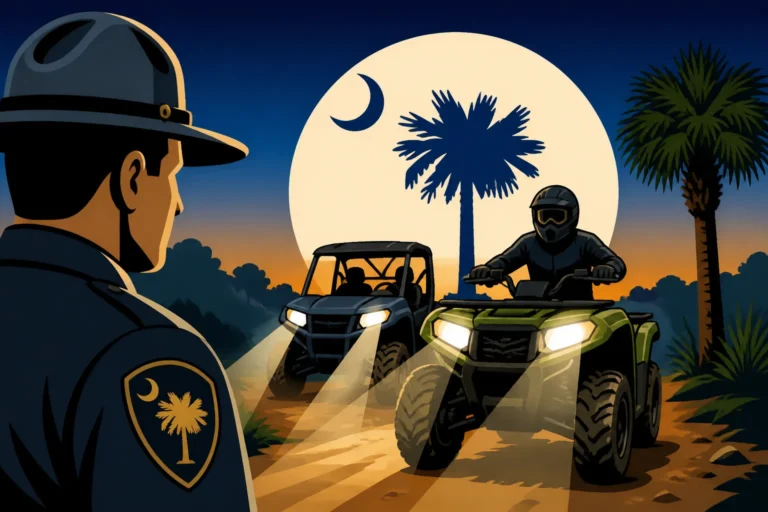
Even if you're primarily a daylight rider, unexpected situations can prolong your ride into the twilight hours, or you might find yourself needing to move your machine early in the morning. That's when your ATV's lighting moves from a convenience to a necessity. South Carolina law specifies that if you're operating an ATV during the "hours of darkness" – generally considered from a half-hour after sunset to a half-hour before sunrise – you absolutely must have working headlights and taillights. This also applies during periods of reduced visibility, like heavy rain, fog, or smoke, where natural light simply isn't enough.
Imagine you're wrapping up a long day of hunting near Sumter National Forest, and the sun is dipping below the trees faster than you anticipated. Your trusty quad needs to get you back to camp. Without proper lighting, you're not just risking a ticket if a game warden spots you; you're risking a collision with another machine, a tree, or even an animal crossing your path. Having reliable headlights ensures you can see obstacles, while a clear taillight ensures anyone approaching from behind knows you're there. [South Carolina Rules for Riding After Dark] outlines these general timeframes.
Basic Requirements for Trail-Bound Quads
For off-road ATVs, the fundamental lighting requirements are quite simple: you need at least one white headlight visible from 500 feet to the front, and at least one red taillight visible from 500 feet to the rear. That's the baseline. These don't typically need to be DOT (Department of Transportation) approved in the same way road-going vehicles do, but they must function reliably and provide adequate illumination and visibility. Many newer ATVs come equipped with perfectly functional lighting systems right from the factory that meet these standards.
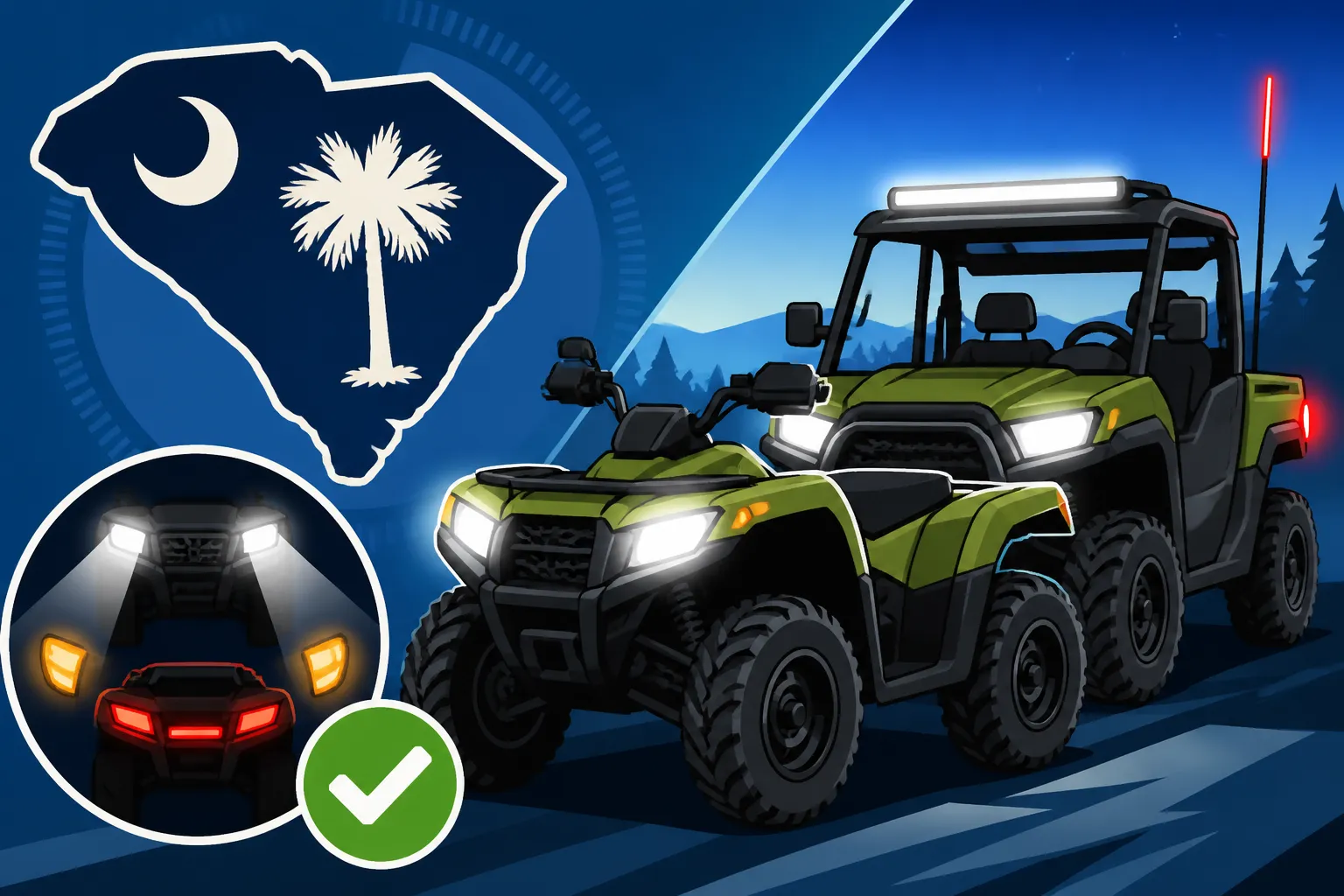
However, many riders choose to upgrade or add to their basic setup. While not legally mandated for strictly off-road use, adding auxiliary lights like LED light bars or spot lamps can dramatically improve your ability to see terrain features, especially on challenging trails. Some riders also install small, amber side markers or reflective tape to enhance their profile from different angles. This isn't about legal compliance as much as it is about maximizing safety and your enjoyment of night riding, giving you a wider, brighter field of vision than a single stock headlight might offer.
Essential Lighting for South Carolina Street-Legal UTVs
The landscape for UTVs in South Carolina shifted significantly with new regulations. If you're planning to take your side-by-side onto public roads, even secondary ones, the lighting requirements become much more extensive and specific. These aren't just suggestions; they are strict legal mandates designed to integrate UTVs safely into the flow of traffic. Failing to meet these standards means your UTV simply isn't street-legal, no matter how shiny your license plate is.
Mandatory Equipment for Street Legality
To be considered street-legal in South Carolina, your UTV must be outfitted with a comprehensive set of lights that mirrors what you'd expect on a standard car or truck. This includes:
- Headlights: At least two working headlights, emitting a white light, capable of illuminating the road ahead for a specified distance. These must be properly aimed and functional, just like any other vehicle on the road.
- Taillights: At least two red taillights, clearly visible from the rear, especially crucial for following vehicles.
- Brake Lights: These are non-negotiable. When you apply the brakes, two red lights at the rear must illuminate to signal your deceleration to drivers behind you.
- Turn Signals: Functional front and rear turn signals are required, emitting amber or white light to the front and red or amber light to the rear, allowing you to indicate your intentions when turning or changing lanes.
- License Plate Light: Your rear license plate must be illuminated by a white light, making it clearly readable at night. [The Rear Plate a Street-Legal UTV Must Carry] is a must-have for these machines.
Many UTVs don't come factory-equipped with all these items, especially turn signals or DOT-compliant headlights. This is where aftermarket kits become invaluable. Companies like SuperATV offer comprehensive street-legal kits that include all the necessary lighting components – from turn signal switches to DOT-approved headlights – designed to integrate seamlessly with various UTV models. Investing in a quality kit from a reputable brand ensures you meet the strict legal criteria without having to piece together individual components.
Visibility and Road-Specific Lighting Rules
Beyond the active lights, street-legal UTVs also have passive visibility requirements. This includes having working reflective devices on the front, rear, and sides of the vehicle to make it visible even when its lights are off or malfunctioning. Think about those moments when you're pulled over on the shoulder or making a quick stop; reflectors provide that extra layer of safety. The importance of these features cannot be overstated, particularly when sharing roads with larger, faster-moving vehicles.
Furthermore, specific rules govern the operation of these machines after dark. Just like any other vehicle, your headlights must be on during the "hours of darkness" and whenever visibility is reduced. This isn't just a recommendation; it's a legal obligation. The goal is to ensure your UTV is as visible and predictable as possible to prevent accidents. [South Carolina Street UTV Requirements Explained] goes into further detail about the suite of features your machine will need to pass muster. For instance, the new law allowing street UTVs specifies requirements like a windshield, seat belts, and an outside mirror, all part of making these machines safe for public roads.
Navigating South Carolina Roads with Golf Cart Lighting
Golf carts, while often seen as casual neighborhood cruisers, also have distinct lighting requirements if you plan to operate them on public roads in South Carolina. Many towns and cities allow golf carts on certain roads within a specific radius of your home, but this privilege comes with responsibilities, especially concerning how visible your cart is to others. Ignoring these rules could lead to unnecessary fines and safety hazards.
Daylight Operation and Permit Requirements
During daylight hours, a golf cart typically needs to meet fewer lighting standards than a street-legal UTV. If your cart is only used during the day, within the permissible radius (usually 4 miles from your home, but check local ordinances!), and you have your valid golf cart permit, basic reflectors and potentially an amber warning light might suffice in some areas. However, this varies significantly by municipality. Always check with your local law enforcement or DMV about specific rules in your area before assuming you're fully compliant. Getting a [South Carolina Golf Cart Permit] for just a few dollars is a simple process, but understanding its limitations is key.
Think about driving your golf cart home from a neighbor's house just as the sun starts to dip. What was perfectly legal an hour ago might suddenly put you in violation if your cart isn't adequately lit. Many golf carts, especially older models, don't come with a full complement of lights. This necessitates an upgrade if you want the flexibility to drive outside of strict daylight hours or in less-than-ideal conditions.
When Full Lighting is Required for Golf Carts
If you intend to operate your golf cart on public roads between a half-hour after sunset and a half-hour before sunrise, or during periods of low visibility, it absolutely must have functional headlights and taillights. Many municipalities go a step further, requiring brake lights and turn signals for golf carts used on public roads at any time. This aligns them more closely with the safety standards of other motor vehicles. A golf cart without these lights after dark is a severe hazard and an easy target for law enforcement.
Some aftermarket kits, similar to those for UTVs, are available to upgrade golf cart lighting systems. These can include brighter LED headlights, integrated taillight/brake light combos, and universal turn signal kits. While you might not need the heavy-duty off-road lighting solutions from a company like SuperATV for your golf cart, you still need reliable and visible lighting. It's about enhancing your presence on the road, making sure that cars, motorcycles, and even pedestrians can easily spot your golf cart. A little investment in robust lighting can prevent a much bigger headache down the road.
Beyond the Bare Minimum: Enhancing Visibility and Staying Compliant
Meeting the minimum lighting requirements is a good start, but savvy riders know that enhancing your visibility goes a long way in preventing accidents and ensuring a safer, more enjoyable experience. Whether you're on a remote trail, a busy farm, or a secondary road, being seen is just as important as seeing where you're going.
Maintenance and Inspection Tips for Your Machine's Lights
Just having the lights isn't enough; they need to work. Regular maintenance and inspection of your ATV, UTV, or golf cart's lighting system are paramount. Before every ride, especially if you anticipate being out after dark or in challenging conditions, do a quick walk-around. Check your headlights, taillights, brake lights, and turn signals (if applicable). Are they clean? Are all bulbs working? Is there any damage to the lenses or wiring? It's surprising how quickly a wire can come loose on a bumpy trail or how mud can obscure a taillight.
Carrying spare bulbs or having a basic wiring repair kit can be a lifesaver. Imagine getting a flat on a forest service road after dark, and then realizing your only taillight is out. That's a recipe for disaster. For street-legal UTVs, ensuring your turn signals click on and off crisply, and your brake lights respond instantly, is critical for communicating your intentions to other drivers. This routine check takes minutes but can prevent hours of trouble, including potential fines ranging from [South Carolina Fines of $50 to $200].
Checking Local Ordinances and Enhancing Your Setup
While state laws provide a baseline, local ordinances can sometimes add specific requirements, particularly for golf carts and UTVs operating within city limits. What's legal on a rural secondary road might have additional stipulations on a main street in Myrtle Beach or Greenville. Always take the time to check with your local municipality or sheriff's office for any specific rules that might apply to your area. Ignorance of the law is rarely an excuse that gets you out of a ticket.
Beyond compliance, consider aftermarket lighting enhancements that boost your visibility. For ATVs, powerful LED light bars or auxiliary floodlights can turn night into day on the trails, allowing you to react to unexpected obstacles more quickly. For street-legal UTVs, adding extra reflective tape, side-marker lights, or even a bright, amber strobe light on the roof (where legal) can significantly increase your presence, especially in heavy traffic or during adverse weather. There are many options from brands like SuperATV that go beyond the basic requirements, ensuring you're seen from all angles, making your machine stand out in a good way. Prioritize not just meeting the letter of the law, but exceeding it for your own safety and peace of mind.
| Vehicle Type | Headlights | Tail Lights | Brake Lights | Turn Signals | License Plate Light | Reflectors (required on road) | Other Key Lighting Considerations |
|---|---|---|---|---|---|---|---|
| Off-Road ATV | Required (night) | Required (night) | Not mandated | Not mandated | No | Optional, but recommended | Visible from 500 ft (white front, red rear). |
| Street-Legal UTV | Required (DOT) | Required (DOT) | Required (DOT) | Required (DOT) | Required | Required (front, rear, side) | Must be fully functional to operate on public roads day or night. |
| Golf Cart | Required (night) | Required (night) | Often required* | Often required* | No | Often required* | *Requirements vary greatly by local ordinance; check local laws. |
Disclaimer
This article is for general informational purposes only and does not constitute professional advice. Laws, prices and regulations vary by location and change over time. Consult a qualified professional for guidance on your specific situation.