Leave the Age Warning Label Where It Is
It’s a common scenario: you’ve just brought home a shiny new ATV, or maybe you’re cleaning up a used one you snagged for a great deal, and those bright, sometimes obnoxious, warning labels are staring you down. They’re stuck right on the fenders, the fuel tank, or maybe even on the handlebars, screaming about age limits, helmet use, and passenger restrictions. It's incredibly tempting to just peel them off, thinking they clutter up the machine's aesthetic or that you already know all the rules. But in South Carolina, ignoring or removing these age warning labels isn't just about personal preference; it's a specific legal violation with real consequences. This guide will walk you through why those labels are so important, what South Carolina law says about them, and the potential headaches you could face if you decide to take them off.
The Purpose of Age Warning Labels on ATVs
Those labels aren't just there to annoy you or to add a splash of color to your machine – they serve a deeply important purpose, rooted in decades of safety research and legal precedent. Understanding their true function can help reinforce why leaving them alone is the smartest choice for any ATV owner in the Palmetto State.
Why Manufacturers Put Them There
When an ATV manufacturer designs a machine, they invest countless hours into making it as safe as possible for its intended users. However, the very nature of ATVs—powerful, open-air, and capable of high speeds and challenging terrain—means they inherently carry risks. To mitigate these risks and, frankly, to protect themselves from liability, manufacturers adhere to strict guidelines, often set by organizations like the Consumer Product Safety Commission (CPSC) in cooperation with industry standards. These guidelines dictate that critical safety information must be prominently displayed on the machine itself.
The age warning labels are a direct result of this. They communicate, in no uncertain terms, the minimum age recommendations for operating a particular ATV. This isn't arbitrary; it's based on factors like the machine's engine size, weight, stability, and handling characteristics, all matched to the cognitive and physical development of riders. For instance, a full-size ATV might be deemed unsuitable for a rider under 16 because their body weight might not be enough to properly shift for balance, or their reaction times might be slower than an adult's, making them more prone to rollovers or loss of control. These labels are a manufacturer's way of saying, "Hey, we designed this for a specific demographic, and here's why."
Beyond Just Age Restrictions
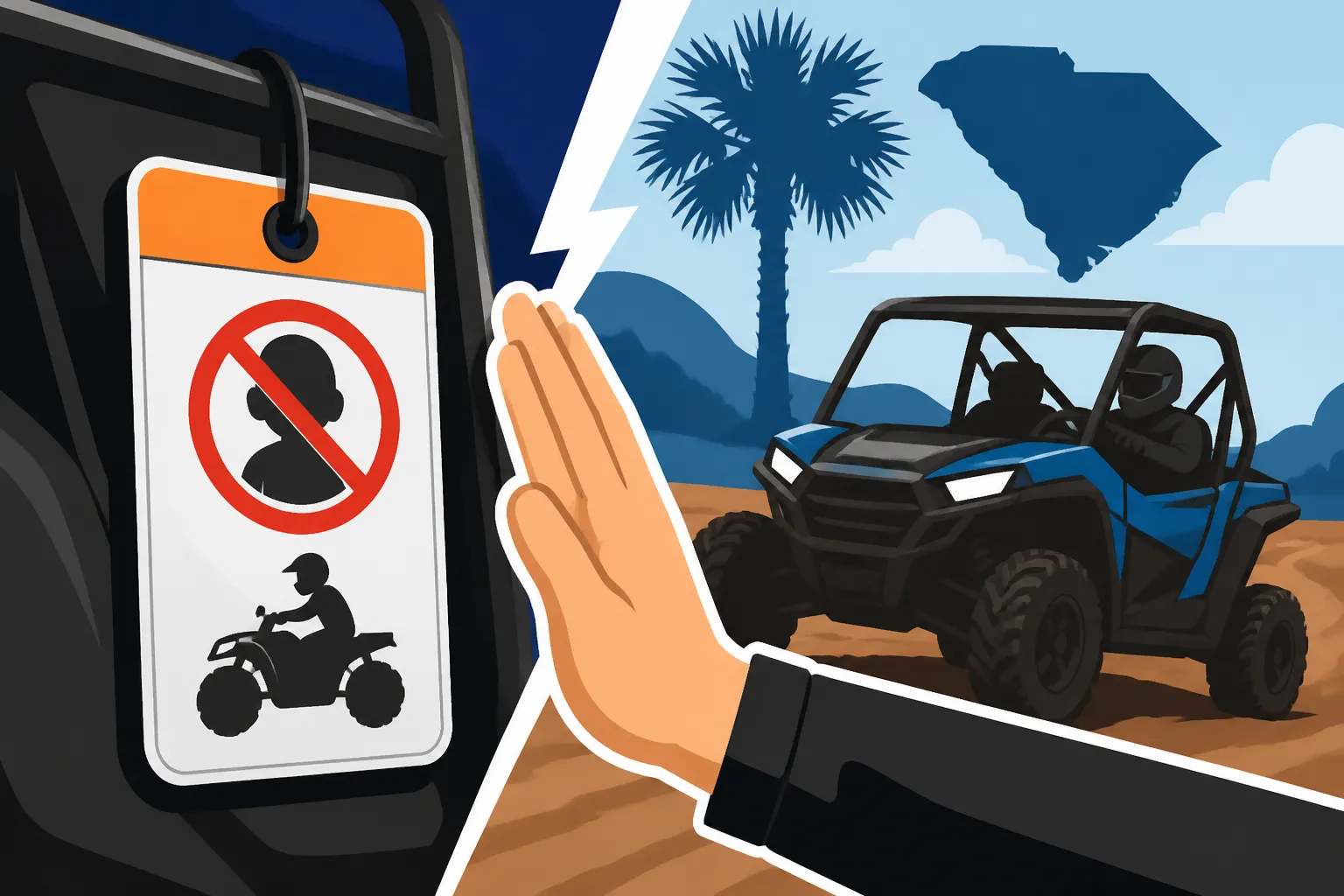
While age is a primary focus, these labels are often a tapestry of vital safety messages. If you take a moment to really look at them, you’ll see they often cover much more than just the rider's age. You’ll find warnings about wearing a helmet and other protective gear, never carrying passengers on a single-rider ATV, avoiding paved roads, supervising young riders, and staying off public streets. Many labels also illustrate dangerous maneuvers, such as steep hill climbing without proper technique, or riding under the influence.
Think of these labels as quick-reference safety manuals plastered directly onto your machine. They’re designed to be a constant, visible reminder of the essential precautions you should take every single time you swing a leg over the seat. This is especially crucial because, let’s be honest, how many of us pull out the owner’s manual before every ride? These decals cut through that and put the most critical information front and center. Even if you're the most experienced rider and understand all these rules by heart, the labels serve as a reminder for anyone else who might get on your machine, or even just a visual cue for others around you.
South Carolina Law and ATV Age Warning Labels
South Carolina isn't one of those states that leaves ATV safety entirely up to common sense or personal discretion. We have very specific laws on the books designed to keep riders safe, especially the younger ones, and these laws directly address the presence and integrity of those warning labels.
Chandler's Law and Its Mandates
The cornerstone of ATV regulation in South Carolina is often referred to as [Chandler's Law and South Carolina ATV Rules]. This comprehensive legislation, codified under [South Carolina Code Title 50 Chapter 26], outlines a wide range of safety requirements and restrictions for ATV operation within the state. It was enacted with the tragic aim of preventing further injuries and fatalities, particularly among youth.
Crucially for our discussion, Chandler's Law explicitly addresses the integrity of manufacturer-applied warning labels. Specifically, [Removing the Age Warning Label Is Unlawful] under this act. The law states, in no uncertain terms, that it is illegal to "remove or alter any warning label, sticker, or plate affixed to an all-terrain vehicle by the manufacturer." This means that peeling off a faded label, painting over it, or attempting to modify its content is a direct violation of state law. The legislature understood that these labels are a vital part of the safety ecosystem for ATVs, and protecting their presence protects riders. This is tied into other age-related restrictions, such as [South Carolina Bans Riders Under 6] on any ATV and requiring [South Carolina Safety Certificates at 15 and Under].
Penalties for Non-Compliance
So, what happens if a law enforcement officer spots your ATV with a missing or altered age warning label? It's not just a slap on the wrist. Violations of Chandler's Law, including tampering with these labels, can result in penalties. While specific fines can vary, [South Carolina Fines of $50 to $200] are typical for such offenses. This might not sound like a huge amount, but it’s an unnecessary expense that could easily be avoided by simply leaving the label where it is.
Beyond the immediate fine, there's the hassle of a citation, potential court appearances, and the added stress that comes with legal trouble. If you’re riding on public land, like one of our beautiful national forests, or even on private property where an incident occurs and an officer is called, this rule can be enforced. It demonstrates that the state takes these safety measures seriously, viewing the labels not as suggestions, but as mandated safety features. When you're considering buying aftermarket parts or accessories, perhaps from a reputable dealer like SuperATV, remember that while you might be customizing your ride, these basic legal requirements regarding safety labels remain paramount for the machine itself.
| Action | South Carolina Legal Status | Potential Consequence |
|---|---|---|
| Leaving age warning label intact | Lawful | No legal issue |
| Removing age warning label | Unlawful | Fines ($50-$200), legal hassle |
| Altering age warning label | Unlawful | Fines ($50-$200), legal hassle |
| Obscuring label (e.g., with mud/dirt) | Technically unlawful if intentional | Could lead to a warning or citation if blatant |
Practical Implications and Safety Considerations
Beyond the letter of the law, the decision to leave those age warning labels alone has significant practical implications for both safety and your financial well-being. It's about protecting yourself and those who might ride your machine, as well as maintaining your ATV's value.
The Message for Parents and Guardians
For parents and guardians of young riders in South Carolina, those age warning labels are an invaluable tool. They are a constant, highly visible reminder of the age and developmental suitability of an ATV for a child. We all want our kids to have fun, but safety should always be the priority. When a label clearly states "Not recommended for riders under 16," it's not just a suggestion; it’s a distillation of years of data showing that younger riders lack the physical strength, coordination, and judgment to safely operate such a powerful machine.
These labels complement other critical safety measures, like ensuring your child has completed a [South Carolina Safety Course Length] and earned their [South Carolina Safety Certificate Requirements] if they are 15 or under. They work hand-in-hand with [South Carolina Helmet Rules for Young Riders] and the need for adult supervision. By consciously keeping these labels intact, you are upholding your responsibility as a parent or guardian to make informed decisions about your child’s safety, helping them understand the risks and abide by the rules. It's a proactive step in fostering a culture of safety around ATV use.
Resale Value and Liability Concerns
Think about it from a buyer’s perspective. If you’re looking to purchase a used ATV and you come across one with missing or obviously tampered-with warning labels, what’s your first thought? Many buyers would immediately suspect that the previous owner either neglected the machine, disregarded safety, or possibly even used it in ways that were unsafe or illegal. This perception can significantly diminish the ATV's resale value. A machine with its original labels intact signals a level of care and adherence to safety that gives potential buyers peace of mind.
Furthermore, the legal and liability aspects are huge. If an accident were to occur involving your ATV, especially one involving a minor or an inexperienced rider, the absence of those warning labels could become a serious issue. An insurance company or a plaintiff’s attorney might argue that you knowingly removed a critical safety warning, demonstrating negligence. This could potentially jeopardize your insurance coverage, lead to significantly higher out-of-pocket costs, or even result in a lawsuit. Why open yourself up to that kind of risk over a sticker? It's a small detail that can have massive repercussions, impacting everything from your wallet to your peace of mind.
Consequences of Removing or Altering the Label
Let’s be direct: removing or altering an ATV’s age warning label in South Carolina is a bad idea, pure and simple. It doesn’t just make your ATV look "cleaner" or hide a message you’d rather not see. It opens a Pandora’s Box of legal, safety, and financial problems that are easily avoidable.
Legal Repercussions and Fines
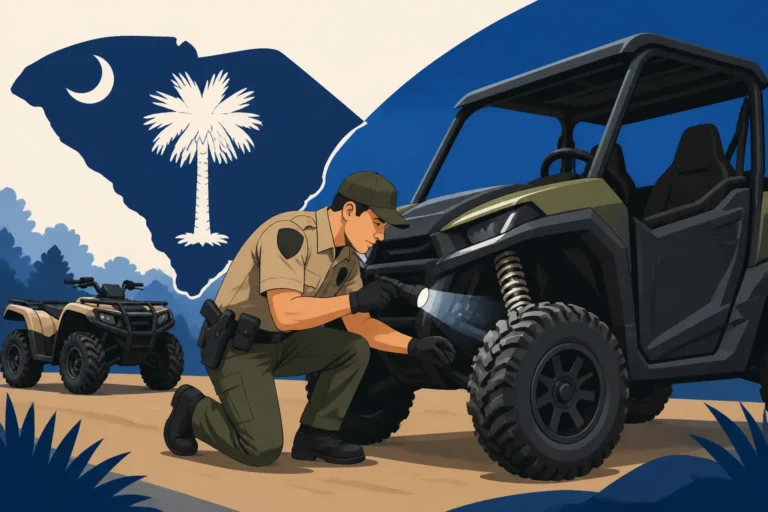
As we touched on, South Carolina law, specifically [South Carolina Code Section 50-26-50] under Chandler's Law, makes it a specific offense to tamper with these labels. If a law enforcement officer, whether a local deputy, state trooper, or even a forest ranger on public lands, observes an ATV with a missing or altered warning label, you can be cited. This isn't just a hypothetical scenario; officers regularly conduct checks to ensure compliance with ATV safety laws, especially in popular riding areas.
The typical fine for such a violation falls within the range of [South Carolina Fines of $50 to $200]. While this might not break the bank for everyone, it’s still money out of your pocket that could have gone towards maintenance, gas for a fun weekend ride, or even upgrading some gear from a place like SuperATV. Beyond the fine, you'll have a citation on your record, and depending on the specific circumstances and any other violations, it could lead to further scrutiny or even a court appearance. It’s an unnecessary legal headache that simply isn't worth the perceived aesthetic benefit of a "cleaner" machine.
Safety Compromise and Increased Risk
The most significant consequence of removing these labels, beyond the legal trouble, is the direct compromise of safety. These labels are designed as constant, visual reminders of critical safety protocols. When you remove them, you remove that immediate, ever-present warning. This is particularly dangerous if multiple people ride your ATV, or if you ever lend it out to a friend or family member. They might not be aware of the machine's specific age recommendations or other vital safety instructions that were once clearly visible.
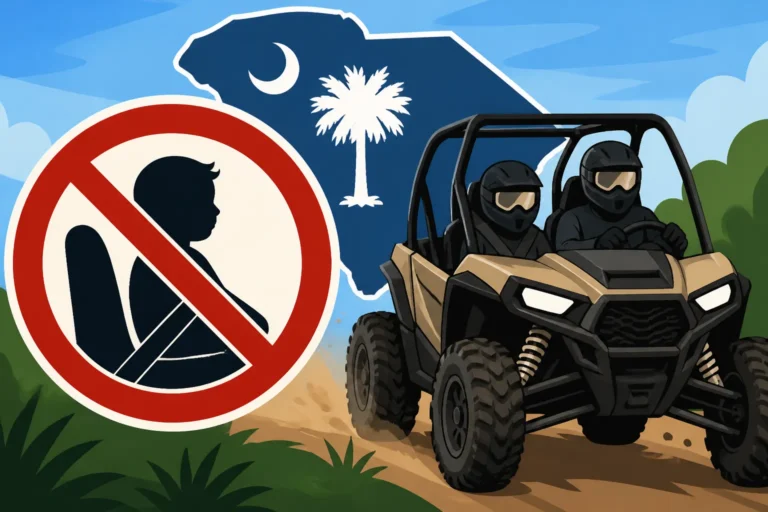
For instance, an ATV designed for adult riders often has a higher center of gravity and more powerful engine than a youth model. A young rider, even if experienced on a smaller machine, might underestimate the handling characteristics of a larger ATV without that stark warning label reminding them of the inherent dangers. The labels also often depict "no passenger" warnings, which are crucial for single-rider ATVs to prevent dangerous rollovers or loss of control. By eliminating these visual cues, you are increasing the risk of accidents, injuries, and potentially far more tragic outcomes, for yourself and others.
Insurance and Liability Headaches
Imagine this scenario: an accident occurs involving your ATV. Perhaps a younger family member, who you believed was old enough, was riding it and suffered an injury. When the insurance company investigates, or if a lawsuit is filed, one of the first things they will look for is evidence of negligence. If they discover that the manufacturer's age warning labels were intentionally removed or altered, you could find yourself in a very difficult position.
An insurance provider might argue that by removing critical safety warnings, you acted negligently and therefore violated the terms of your policy or contributed to the accident. This could lead to a denial of claims, leaving you solely responsible for medical bills, property damage, and legal fees. In a civil lawsuit, the absence of these labels could be used as powerful evidence against you, demonstrating a disregard for safety standards and manufacturer recommendations. This can result in significant financial penalties, far exceeding the initial cost of the ATV itself. It truly underscores why [Why Optional Titling Still Helps] and having clear documentation of ownership and modifications can protect you in the long run. It’s a gamble that few rational riders would knowingly take, yet it’s a very real risk associated with simply peeling off a sticker.
Disclaimer
This article is for general informational purposes only and does not constitute professional advice. Laws, prices and regulations vary by location and change over time. Consult a qualified professional for guidance on your specific situation.