Riders 6 to 15 Supervised on Private Land
It’s a tale as old as time in South Carolina: your kids are begging to ride that ATV or UTV you’ve got sitting in the shed, and you’ve got plenty of land for them to enjoy it safely. But even on your own property, there are specific state laws designed to protect young riders, and knowing them can save you a lot of worry and potential heartache. This guide will walk you through everything you need to know about the rules for riders aged 6 to 15 who want to hit the trails on private land in the Palmetto State.
The Foundation of Youth Riding: South Carolina's Chandler's Law
When it comes to ATV and UTV use in South Carolina, especially concerning our younger generation, one name consistently comes up: Chandler's Law. This isn't just a set of arbitrary rules; it's a carefully considered piece of legislation enacted to enhance the safety of off-road vehicle enthusiasts, particularly those under the age of 16. It tackles head-on the very real dangers associated with these powerful machines, aiming to prevent injuries and fatalities that were, sadly, far too common before its implementation. If you've ever wondered [Why South Carolina's ATV Law Is Called Chandler's Law], it honors a young boy whose tragic accident spurred a movement for safer riding practices. Understanding the spirit behind these laws helps underscore their importance, even when you're just out for a casual spin on your own property.
Who Must Be Supervised, and By Whom?
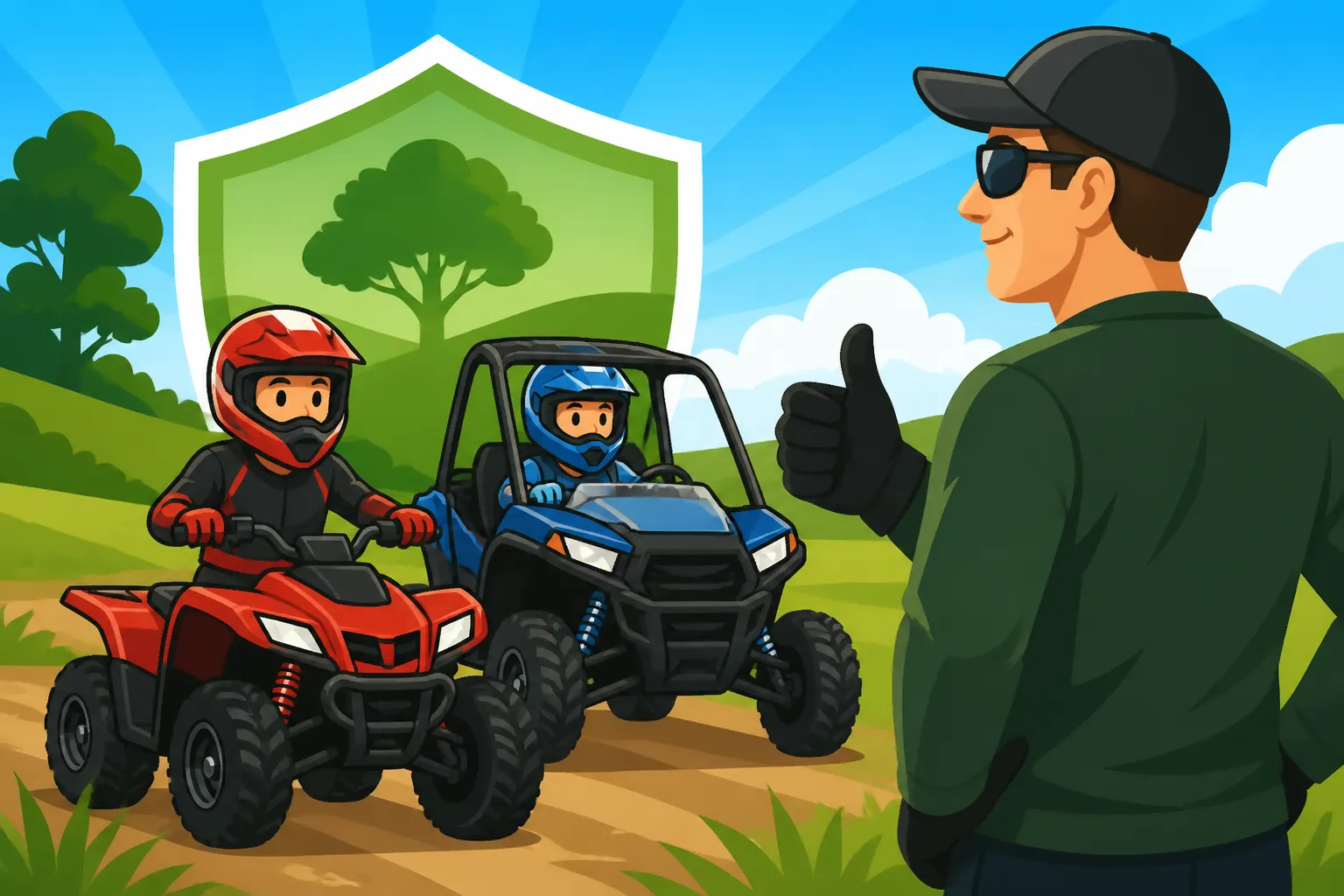
One of the most crucial aspects of Chandler's Law, particularly for those riding on private land, revolves around supervision. If you have a child aged 6 to 15 who wants to ride an ATV or UTV, the law is very clear: they must be under the direct supervision of an adult who is at least 18 years old. What does "direct supervision" actually mean in practice? It's more than just being somewhere on the property while they ride. It means the supervising adult must be within direct line of sight of the young rider and able to offer immediate assistance or intervention if needed.
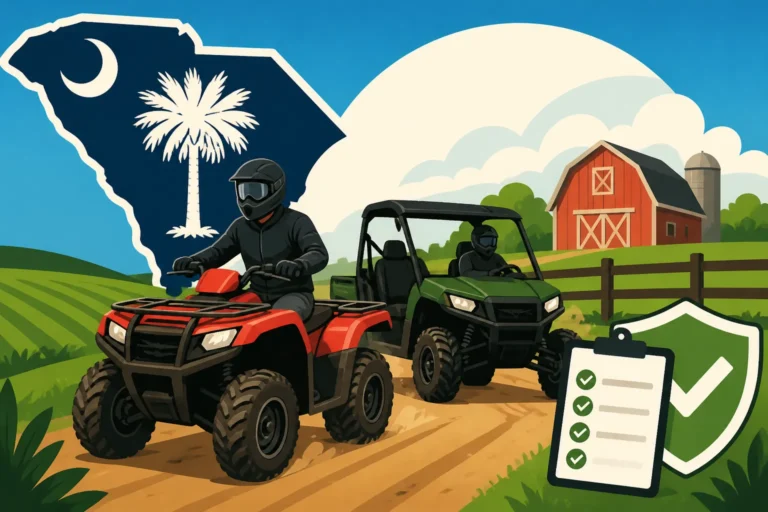
Imagine your child riding a small quad around a cleared field on your farm. The law expects you, the adult supervisor, to be right there, watching them, ready to step in if they get into trouble, need help with a stuck machine, or simply require guidance on riding technique. This isn't the time to be inside the house doing chores or on the other side of a wooded area where you can't see them. This level of oversight ensures that if a problem arises – a sudden loss of control, an unexpected obstacle, or even a minor tip-over – an experienced adult can react instantly. It’s about being present, attentive, and actively engaged in their riding experience.
Why Supervision Matters: Preventing Accidents and Ensuring Safety
The emphasis on adult supervision for riders between 6 and 15 isn't about stifling fun; it's profoundly about safety. ATVs and UTVs are powerful machines, and while they can provide incredible recreation, they also carry inherent risks. Younger riders often lack the physical strength, coordination, judgment, and risk perception of adults. They might not anticipate hazards, react quickly enough to changing terrain, or understand the machine's capabilities and limitations in the same way an experienced adult would.
A lapse in judgment or a moment of inexperience can lead to serious accidents, even on what seems like safe private land. A supervisor can point out potential dangers, coach on proper riding techniques, enforce speed limits, and ensure the rider isn't attempting maneuvers beyond their skill level. This proactive presence can prevent minor mishaps from escalating into serious injuries. Furthermore, having an adult present means immediate first aid can be administered and emergency services contacted without delay if an accident does occur. It's a critical safety net that significantly reduces the potential for harm, protecting both the young rider and giving parents peace of mind.
The Role of the ATV Safety Institute Certificate
Beyond direct supervision, South Carolina law for riders aged 6 to 15 includes a mandatory educational component: the ATV Safety Institute (ASI) safety certificate. This isn't an optional suggestion; it's a requirement. Riders in this age bracket, when operating an ATV, must possess a valid safety certificate issued by the ASI or another approved organization. This means that before they even think about hitting that private dirt track, they need to complete an approved course.
The ATV safety course typically has two main parts: an online portion that covers theoretical knowledge, rules of the road (or trail, in this case), and machine basics, followed by a hands-on riding course where they put that knowledge into practice under the guidance of certified instructors. This practical training is invaluable, teaching crucial skills like starting, stopping, turning, climbing hills, and avoiding obstacles in a controlled environment. Think of it as getting their basic driver's education for an ATV. [South Carolina Safety Certificates at 15 and Under] are a cornerstone of preventing accidents, providing young riders with the foundational skills and knowledge necessary to operate these machines responsibly. It instills good habits from the start, which is paramount for a lifetime of safe riding.
Equipping Young Riders for Safety on Private Land
Riding an ATV or UTV on private land might feel less formal than hitting a public trail, but when it comes to the safety of young riders, the rules about proper gear are just as critical, if not more so. A helmet isn't just a suggestion; it's a lifesaver. Eye protection can prevent serious injury. And ensuring the machine itself is the right fit for your child's size and skill level is fundamental to preventing accidents. We're talking about more than just checking a box; we're talking about providing genuine protection and confidence for your budding off-road enthusiast.
Mandatory Helmets and Eye Protection
For any rider under the age of 16 in South Carolina, whether on public or private land, wearing a helmet is not just a good idea – it's the law. This isn't just any helmet, either. The law specifies that the helmet must meet the standards established by the U.S. Department of Transportation (DOT) and be securely fastened. This means no ill-fitting helmets, no bicycle helmets, and certainly no riding without one. A proper ATV helmet is designed to protect against impacts common in off-road riding, offering far more coverage and impact absorption than other types of headgear. [Helmets Under 16 Must Meet the Federal Standard] is a clear directive.
Equally important is eye protection. Flying dust, branches, insects, and even small rocks kicked up by tires can cause severe eye injuries. Goggles or a face shield that is attached to the helmet are essential. They provide a clear field of vision while shielding the eyes from potential hazards. Many helmet designs integrate a durable face shield, but if yours doesn't, a quality pair of riding goggles is a must-have. Don't compromise on these items; they are non-negotiable elements of safe riding, providing vital protection for vulnerable areas of a young rider's body.
Age-Appropriate Machines and Safe Operation
One of the biggest mistakes parents can make is putting a young rider on a machine that's too big or too powerful for them. South Carolina law, while not explicitly detailing cubic centimeter (cc) limits for private land, strongly implies that machines should be age and size-appropriate by emphasizing safety. A youth ATV or UTV is designed with a smaller frame, lower top speed, and less aggressive power delivery, making it much easier for a child to control and manage. Trying to manage a full-size machine's weight, throttle response, and braking can quickly overwhelm a young rider, leading to loss of control and potential accidents.
When selecting a machine, consider the child's height, weight, and experience level. Their feet should be able to reach the footrests comfortably, and their hands should easily grasp the handlebars and controls. A common rule of thumb is that the rider should be able to apply the brakes with a single hand while maintaining a grip on the handlebar. Teaching them proper riding techniques, such as body positioning, gradual acceleration, and controlled braking, is just as important as the machine itself. Start them slow, on flat, open terrain, and gradually introduce them to more challenging environments as their skills and confidence grow. Safety comes from both the machine and how it's operated.
Maintaining Your Gear and Machine for Optimal Safety
Just like any vehicle, an ATV or UTV needs regular maintenance to remain safe and reliable. For youth machines, this is especially true, as they might endure enthusiastic, if sometimes less refined, riding. Regular checks of brakes, tires, chains or belts, and fluid levels are crucial. Worn tires can lose traction, faulty brakes can lead to crashes, and a loose chain can cause serious mechanical issues. Always follow the manufacturer's recommended maintenance schedule.
Your child's safety gear also needs attention. Helmets, while incredibly durable, have a lifespan and should be replaced after any significant impact or if the padding breaks down. Goggles can get scratched, impairing vision, so replacing lenses or the whole unit when needed is important. Ensuring all straps and buckles on helmets and other protective gear are in good working order helps maintain their effectiveness. Keeping your machines and gear in top shape not only extends their life but, more importantly, ensures they can perform their critical safety functions when it matters most. For those looking to upgrade components or replace worn parts, retailers like SuperATV offer a wide range of aftermarket parts that can enhance both performance and safety for your off-road vehicles.
Navigating the Nuances of "Private Land" Riding
The phrase "private land" might sound straightforward, but in the context of ATV and UTV laws, it carries specific implications that are vital for South Carolina riders to understand. It’s not just about who owns the dirt; it’s about how that ownership affects the application of state laws, especially when young riders are involved. Many people assume that if they’re on their own property, they're exempt from all regulations, but that's simply not the case. Clarifying what constitutes private land and understanding the responsibilities that come with it can prevent legal headaches and ensure a safer riding environment for everyone.
Distinguishing Private Land from Public Access Areas
In South Carolina, "private land" refers to any property that is privately owned by an individual, a family, or a corporation, rather than being owned by a governmental entity. This could be your backyard, a large family farm, hunting lease property, or timber company land for which you have explicit permission. The critical distinction here is that public access areas, such as national forests, state parks, or Wildlife Management Areas (WMAs), are not considered private land. While some of these public lands may offer designated OHV trails, they operate under a completely different set of rules, often requiring permits, specific operating hours, and adherence to strict trail designations.
The laws discussed in this article, particularly those concerning youth supervision and safety certificates, apply regardless of whether the private land is your own or if you have permission to ride on someone else's. However, the private land exemption is specifically carved out in [South Carolina Private Property Exemptions] for certain aspects of ATV law, primarily concerning where ATVs may operate. It means you generally have more freedom to establish your own riding zones and rules within the framework of state safety laws when on private property, unlike the highly regulated environment of public trails.
Understanding Landowner Responsibilities and Liability
Even on private land, landowners have responsibilities, especially when inviting or allowing others to ride. If you own the land, you have a duty to ensure it is reasonably safe for recreational use. This includes identifying and, if possible, mitigating hazards such as unmarked ditches, hidden obstacles, or unsafe structures. While South Carolina has recreational use statutes that offer some liability protection to landowners who allow the public to use their land for free, these protections aren't absolute, especially if gross negligence can be proven.
If you are allowing children to ride on your property, especially those not accompanied by their own parents, your responsibility to ensure a safe environment increases. This includes verifying that they meet the state's age, supervision, and safety certificate requirements. Ignoring known dangers or failing to provide appropriate warnings could lead to liability issues if an accident occurs. It's a serious consideration for any landowner. Keeping records of signed waivers or permission forms can be a wise precaution.
The Importance of Written Permission When Not Your Own Land
Let's say you don't own a sprawling farm, but your friend has a large property perfect for riding. Or perhaps you're using land under a hunting lease. In such scenarios, while it's still "private land," obtaining clear, written permission from the landowner is paramount. Verbal permission might seem sufficient among friends, but for legal protection and clarity, a written agreement is always better. This document should explicitly state who is allowed to ride, when, and under what conditions.
This written permission serves multiple purposes. First, it protects you from potential [South Carolina Trespass Law for Riders] accusations, which can lead to fines and legal trouble. Second, it clarifies the terms of your access, ensuring both parties are on the same page. Third, should any incident occur, having written permission demonstrates that you were legally on the property. [Carrying Written Landowner Permission in South Carolina] is not just good etiquette; it's a practical safeguard that can resolve misunderstandings and provide legal peace of mind, allowing you and your young riders to enjoy the land without worry.
Best Practices for Families and Landowners
Beyond simply following the letter of the law, creating a truly safe and enjoyable riding experience for young ATV and UTV enthusiasts on private land requires a proactive approach. It involves thoughtful planning, clear communication, and a commitment to preparedness. As parents and landowners, we have a unique opportunity to shape not just the immediate riding environment but also to instill lifelong habits of responsibility and safety in our children. It's about building a culture of safety that extends far beyond just meeting minimum requirements.
Creating a Safe Riding Environment on Your Property
Your private land offers a fantastic opportunity to tailor a riding environment that is perfect for your young riders' skill levels. Start by designating clear riding areas and establishing boundaries. This prevents children from venturing into unsafe zones, like near busy roads, water bodies, or heavily wooded areas with hidden obstacles. Walk the riding area regularly to identify and remove potential hazards such as sharp rocks, stumps, old fencing, or debris. If there are unavoidable obstacles, mark them clearly with brightly colored flags or paint.
Consider establishing a specific, open area for beginners to practice basic maneuvers like starting, stopping, and turning before allowing them on more complex routes. Lay out a simple, flowing course with cones or flags to help them learn control. Implement common-sense rules, such as speed limits, a "no stunts" policy, and designated rest breaks. A pre-ride inspection checklist for the machines and gear should also become a regular habit. By taking these steps, you create a controlled and predictable environment that fosters learning and minimizes risks.
Emergency Preparedness and Accident Response
Even with the best intentions and preparations, accidents can happen. Being prepared for an emergency is a critical part of responsible ATV and UTV ownership, especially when young riders are involved. Always have a fully stocked first aid kit readily accessible, capable of handling everything from minor scrapes to more serious injuries. Ensure you have working cell phones or other communication devices, and know the exact physical address of your property to provide to emergency services in case of a serious incident.
It's also a good idea to have a plan for how you would respond to an accident. Who would call for help? Who would administer first aid? Who would secure the scene? Practicing these scenarios, even mentally, can shave precious minutes off response time during a real crisis. After any incident, no matter how minor, take the time to review what happened. What could have been done differently? Was it a mechanical issue, a rider error, or an environmental factor? Learning from these experiences is crucial for preventing future occurrences. Remember, [The First Hour After an ATV Crash] can be critical for recovery, so swift and effective action is paramount.
Ownership and Future Planning
Owning ATVs and UTVs, especially for a family with growing children, involves more than just the initial purchase; it's a journey that evolves over time. As your young riders grow in skill and stature, their needs for machines and accessories will change. What started as a small youth quad might eventually lead to them needing a larger, more powerful machine. Keeping up with these changes ensures they always have an age-appropriate vehicle. Thinking ahead, you might eventually need to consider [Titling a Youth Quad in South Carolina] if you plan to sell it or transfer ownership. While optional for off-road ATVs, a title can simplify future transactions.
Beyond the machines themselves, consider long-term safety and enjoyment. Many families invest in aftermarket accessories to enhance their riding experience. Whether it's protective skid plates, brighter lights for evening rides, or even cargo solutions for family outings, reputable brands like SuperATV offer a vast array of parts. These upgrades can often improve safety, comfort, and the overall longevity of your machines. Regular maintenance, proper storage, and considering insurance coverage (even if not strictly mandated for off-road use on private land, it's wise to discuss options like liability with your insurance provider) are all parts of responsible long-term ownership, ensuring years of safe enjoyment for your family.
| Rider Age Group | Supervision Required | Helmet Required | Eye Protection Required | Safety Certificate Required | Recommended Machine Type |
|---|---|---|---|---|---|
| Under 6 | Yes (Direct, 18+) | Yes (DOT) | Yes | No | Designated youth ATVs (low speed/power) |
| 6-15 | Yes (Direct, 18+) | Yes (DOT) | Yes | Yes (ASI or approved) | Age-appropriate youth/mid-size ATVs/UTVs |
| 16+ | No | No* | No* | No | Any appropriate ATV/UTV |
*Note: While not legally required for riders 16 and over on private land, helmets and eye protection are strongly recommended for all ATV/UTV riders for maximum safety. These rules specifically pertain to off-road riding on private land in South Carolina. Different rules apply for public roads or designated trails.
Disclaimer
This article is for general informational purposes only and does not constitute professional advice. Laws, prices and regulations vary by location and change over time. Consult a qualified professional for guidance on your specific situation.