South Carolina Street UTV License Requirements
Alright, let's talk about hitting the open road in South Carolina with your side-by-side! For years, many of us who love our UTVs have felt the frustration of being limited to private land or dedicated off-road parks, dreaming of the day we could legally cruise down a secondary road. Well, that day has arrived for street-legal UTVs, but with that freedom comes a crucial question: what kind of license do you actually need to drive one? This guide is here to untangle all the rules and clear up the confusion, making sure you're properly licensed and ready to roll.
Understanding South Carolina's Street-Legal UTV Laws
South Carolina has made some exciting changes for UTV enthusiasts, finally providing a pathway to get these versatile machines on public roads. But like any new regulation, there's a learning curve to understand what's allowed and, more importantly, what's required of you as a driver. It's not just about having the right machine; it's about being the right operator.
The New Era of Street-Legal UTVs
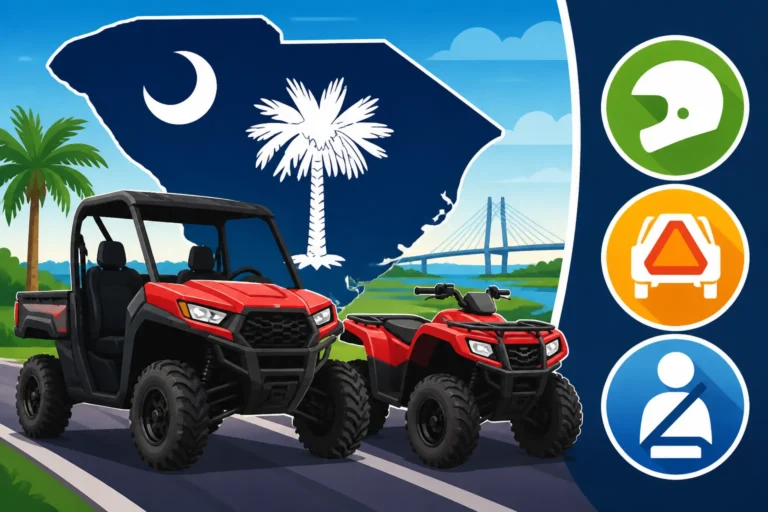
For a long time, the idea of driving your UTV on a public road in South Carolina seemed like a pipe dream for most. Aside from a few limited exceptions for farm use or crossing a road, our beloved side-by-sides were strictly off-limits. This led to a lot of trailering, loading, and unloading, adding extra steps to every adventure. Then came the game-changer: [South Carolina Act 164 and Street UTVs]. This legislation opened the door for UTVs to be registered and licensed for street use, a huge win for riders who longed for more direct access to trails or simply wanted to use their machines for local errands or exploring rural routes.
This new era means a significant shift in how we view and operate UTVs. It’s no longer just about horsepower and suspension travel; it's also about turn signals, seatbelts, and, yes, the appropriate driver's license. The state recognized the growing popularity and utility of UTVs and crafted a framework to integrate them safely into road traffic. This change wasn't just a simple tweak; it represented a fundamental reimagining of how these machines fit into the transportation landscape of the Palmetto State, offering unprecedented convenience and accessibility for owners.
What Qualifies as a Street-Legal UTV in SC
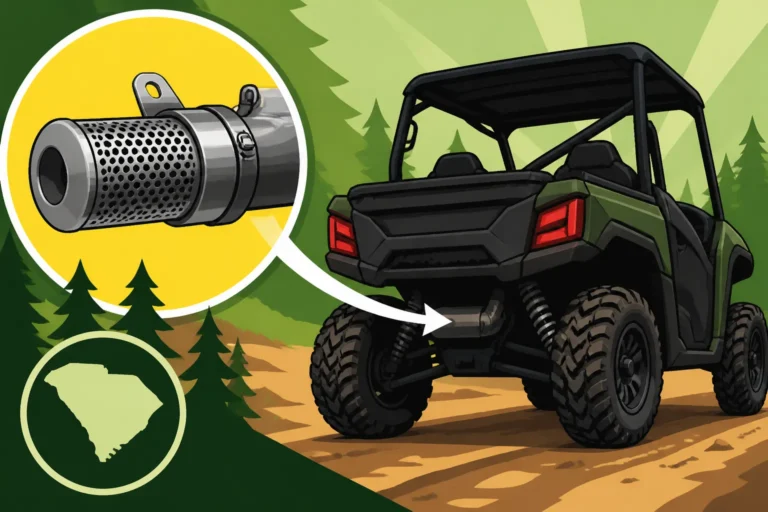
Before you even think about the license, your UTV itself needs to meet specific criteria to be deemed "street-legal." This isn't just a suggestion; it's a list of mandatory equipment and specifications that ensure the machine can safely share the road with other vehicles. Think about it: a UTV designed purely for rugged off-road terrain isn't inherently safe for paved roads without some modifications. [South Carolina Street UTV Machine Specs] cover everything from width and weight limits to the essential safety features.
These requirements typically include things like a windshield, seatbelts for all occupants, rearview mirrors, headlamps, tail lamps, turn signals, brake lights, and a horn. Many enthusiasts turn to aftermarket companies like SuperATV to equip their machines with these necessary road-legal components, ensuring their UTVs comply with all the regulations. Without these modifications and inspections, your UTV won't get that coveted registration and plate, no matter what kind of license you hold. The state is serious about road safety, and ensuring your machine is up to par is the first hurdle to clear.
Why a License is Essential
Driving any motor vehicle on public roads, even a street-legal UTV, comes with inherent responsibilities, and holding a valid driver's license is fundamental to that. It's not just a formality; it's the state's way of verifying that you, as an operator, have demonstrated at least a basic level of knowledge and skill required to navigate traffic safely. Without a license, you're not only breaking the law but also potentially putting yourself and others at risk.
The license requirement for street UTVs reinforces the fact that these machines are now considered part of the broader vehicle ecosystem on South Carolina's roads. It acknowledges their capabilities, speeds, and interaction with cars, trucks, and motorcycles. Just as you wouldn't expect to drive a car without a license, the same principle applies here. It's about accountability, safety, and ensuring that everyone operating a road-going vehicle has met a minimum standard. The penalties for driving unlicensed can be significant, ranging from fines to impoundment, making it absolutely critical to get this right.
Driver's License Requirements for Street-Legal UTVs
So, you've got your UTV tricked out with all the right gear, it's ready for its new life on the asphalt. Now, let's get down to the brass tacks: what's hanging in your wallet? The good news is, South Carolina has made the driver's license requirement fairly straightforward for these machines, aligning it with what most people already carry.
Standard Driver's License Acceptance
Here's where it gets simple: to legally operate a street-legal UTV on public roads in South Carolina, you generally need the same type of driver's license you'd use to drive your everyday passenger car. That's right, a standard Class D driver's license, often just called a regular driver's license, is what the state requires. You don't need a special motorcycle endorsement, a commercial driver's license, or any kind of unique "UTV operator's permit."
This common-sense approach makes it much easier for existing licensed drivers to transition to operating a street-legal UTV without additional testing or lengthy processes. It recognizes that if you're capable of safely driving a car, you're presumed to have the necessary skills to handle a UTV on designated roads. So, if your wallet already holds a valid South Carolina driver's license, you're likely good to go on this front, assuming it's not suspended or expired, of course!
Age Restrictions for Street UTV Operators
While a standard Class D license is generally sufficient, there's a critical age component to consider. South Carolina law specifies that a person must be at least 17 years old to operate a street-legal UTV on public roads. This isn't just about having a license in hand; it's about meeting a specific age threshold tied to the operation of these machines in a road environment.
This age requirement is a significant point of difference from typical off-road ATV rules, which often allow younger riders under certain supervised conditions. For street-legal UTVs, the state takes a more cautious approach, similar to the age for driving a full-size vehicle. This means that even if a 16-year-old holds a regular Class D license, they cannot legally drive a street-legal UTV on public roads until they turn 17. This rule is in place to ensure a certain level of maturity and driving experience before operators are permitted to navigate these vehicles in traffic.
Provisional and Beginner's Permits
This is a really important area where people often get confused, especially if they're thinking about younger family members or new drivers. While a standard Class D driver's license is accepted, provisional licenses and beginner's permits are generally not sufficient for operating a street-legal UTV on public roads. The intent of a provisional license or a beginner's permit is to provide supervised driving experience, often with specific restrictions on passengers, driving hours, or the requirement of a licensed adult in the passenger seat.
Because street-legal UTVs are now treated more like conventional vehicles for road use, the state expects the operator to have a full, unrestricted driver's license. This means that anyone with a learner's permit or a provisional license, no matter their age, cannot legally drive a street-legal UTV on South Carolina's public roads. The law aims for experienced and fully licensed drivers behind the wheel, emphasizing the responsibility that comes with operating these machines in shared road spaces. This rule helps ensure that drivers have completed the full licensing process, including any required testing, before they can take a street-legal UTV out on their own.
Who Cannot Legally Drive a Street-Legal UTV
Knowing who can drive is only half the battle; it's equally important to understand who cannot legally operate a street-legal UTV on South Carolina roads. Ignoring these prohibitions can lead to serious consequences, not just for the driver but also for the machine's owner and any passengers. The state has clear lines drawn, and crossing them can mean hefty fines or worse.
Minors Under 17 Operating Street UTVs
As we just touched upon, the age restriction of 17 years old for operating a street-legal UTV on public roads is absolute. This means that if you're 16 years old or younger, regardless of whether you possess a valid Class D driver's license (which you can get at 16 with certain conditions), you cannot legally drive a street-legal UTV. This applies even if an adult is supervising or riding as a passenger. The law, [South Carolina Street UTV Age of 17], is unambiguous on this point.
This rule exists for good reason. Operating a UTV in a road environment, even on secondary roads with lower speed limits, presents different challenges and risks than driving a car or riding an ATV off-road. The state wants to ensure that operators have reached a certain level of maturity and judgment before entrusting them with a machine that shares space with other motor vehicles. Parents and guardians need to be especially mindful of this age limit to avoid putting their younger riders in legal jeopardy and ensuring their safety.
Driving with Suspended or Revoked Licenses
This might seem like common sense, but it's crucial to reiterate: if your driver's license is suspended, revoked, or otherwise invalid, you absolutely cannot operate a street-legal UTV on South Carolina public roads. A street-legal UTV is considered a motor vehicle for the purposes of road use, and all the standard laws regarding driving privileges apply. Driving with an invalid license, regardless of the vehicle type, carries significant legal repercussions.
The consequences of driving with a suspended or revoked license can include substantial fines, extended suspension periods, vehicle impoundment, and even potential jail time, depending on the circumstances and your driving history. It's not a situation you want to find yourself in. Always ensure your driving privileges are current and valid before getting behind the wheel of any vehicle that will be used on public roads, including your street-legal UTV.
Out-of-State Licenses and Reciprocity
For visitors or new residents, the question often arises: what about an out-of-state driver's license? Generally, South Carolina extends reciprocity to valid driver's licenses issued by other U.S. states and territories, and often from foreign countries under international agreements, provided the license is current and in good standing. This means if you have a valid driver's license from North Carolina, Georgia, Florida, or any other state that allows you to drive a passenger car, you should be able to operate a street-legal UTV in South Carolina.
However, the age restriction still applies. If your out-of-state license allows you to drive at 16, but you're operating a street-legal UTV in South Carolina, you would still be subject to South Carolina's 17-year-old minimum age for these specific vehicles on public roads. So, while your out-of-state license might be valid for a car, it doesn't override the specific age rules for street UTVs within the Palmetto State. Always verify local laws when visiting, even if you hold a valid license from elsewhere.
Beyond the License: Other Key Requirements
Having the right driver's license is undeniably critical, but it's just one piece of the puzzle when it comes to legally operating a street-legal UTV in South Carolina. The state has implemented a comprehensive set of rules to ensure these machines are safe, trackable, and properly accounted for on public thoroughfares. Overlooking any of these additional requirements can land you in just as much trouble as driving without the correct license.
Mandatory Insurance Coverage
Just like any other motor vehicle operating on South Carolina's roads, your street-legal UTV is required to carry specific liability insurance coverage. This isn't optional; it's a legal mandate designed to protect everyone on the road in the event of an accident. Without proper insurance, you could face hefty fines, suspension of your driving privileges, and even vehicle impoundment. [South Carolina Street UTV Insurance Rules] are clear: you must provide proof of financial responsibility.
When you go to register your street-legal UTV, the DMV will require proof of this insurance. You'll need to secure coverage that meets the state's minimum requirements, which typically involves bodily injury liability and property damage liability. Many UTV owners also opt for additional coverage, such as comprehensive and collision, especially given the investment these machines represent. Working with an insurance provider who understands off-road and street-legal UTVs is key to ensuring you have the right protection.
Required Safety Equipment
Your UTV needs more than just a license plate to be road-ready. It must be equipped with a range of safety features that align it with typical road vehicles. These requirements go beyond what's usually found on an off-road-only machine and are absolutely necessary for compliance. You might have already installed many of these if you're planning on riding legally on the street.
Essential equipment includes, but isn't limited to:
- Headlights and Tail Lights: Fully functional, visible at appropriate distances.
- Brake Lights: Clearly visible when the brakes are applied.
- Turn Signals: Front and rear, amber or red, to indicate intended turns. Companies like SuperATV offer excellent kits that bundle many of these lighting solutions.
- Rearview Mirrors: Typically one on the left side, and one on the right or a center rearview mirror.
- Windshield: Made of safety glass or a similar material, providing clear visibility.
- Horn: An audible warning device.
- Seatbelts: For all occupants, securely mounted and functional.
- Tires: Must be DOT-approved for street use.
- Brakes: Capable of stopping the vehicle safely.
Additionally, for operators and passengers under 21 years of age, a DOT-approved helmet and face shield (or other eye protection) are required when operating a street-legal UTV on public roads. This specific rule underlines the state's focus on rider safety, particularly for younger individuals, given the unique dynamics of UTVs compared to enclosed automobiles.
Registration and Plates
Getting your street-legal UTV registered with the South Carolina Department of Motor Vehicles (SCDMV) and receiving an official license plate is the final, undeniable stamp of approval for road use. This process formally acknowledges your UTV as a legitimate road-going vehicle. [South Carolina Street-Legal UTV Registration Arrives] outlines the steps and forms involved in this critical process.
When you complete the registration, you'll be issued a specific license plate that signifies your UTV is street-legal. This plate must be displayed prominently on the rear of your machine, just like a car or truck. [South Carolina Rear Plates for Street UTVs] are a clear indicator to law enforcement and other drivers that your UTV is authorized to be on the road. Remember, this registration is tied to your specific machine and must be renewed periodically, typically every two years, to maintain its legal street status. Without a current registration and plate, even with the right license and insurance, your UTV is not legally allowed on public roads.
Common Misconceptions and Clarifications
With any new set of rules, especially those involving vehicles that bridge the gap between off-road and on-road, there are bound to be misunderstandings. It's easy to confuse street-legal UTVs with other similar vehicles or to misinterpret the scope of their allowed use. Clearing up these common misconceptions is vital for every UTV owner in South Carolina.
Street UTV vs. Low-Speed Vehicle
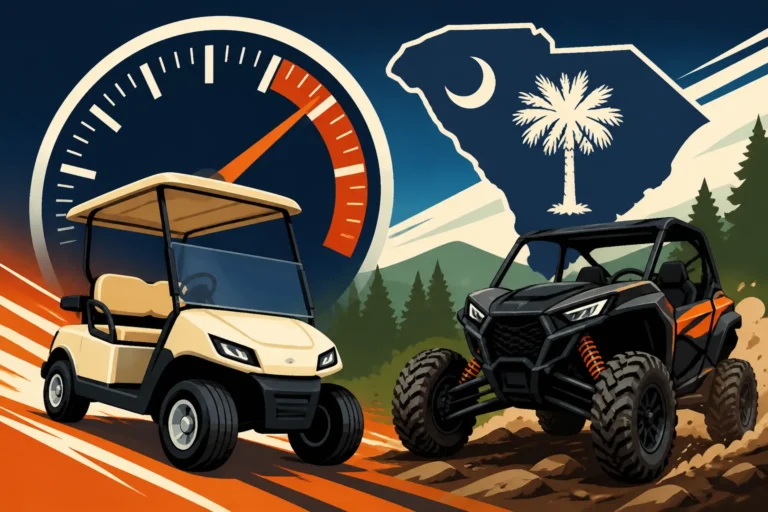
This is perhaps one of the most significant points of confusion: the difference between a street-legal UTV and a low-speed vehicle (LSV). While both are designed for specific types of road use, they are distinct categories with different regulations, specifications, and limitations. It's easy to conflate them, but doing so can lead to legal issues. [A Low-Speed Vehicle Is Not a South Carolina UTV] is a crucial distinction to grasp.
- Low-Speed Vehicles (LSVs): These are typically small, electric-powered vehicles (like highly modified golf carts) with a top speed generally between 20-25 mph. They are restricted to roads with speed limits of 35 mph or less and often have specific rules regarding operation radius (e.g., within 4 miles of your home). They have a separate registration and plate category and are generally not designed for the same rugged capabilities as a UTV.
- Street-Legal UTVs: These are utility terrain vehicles that have been modified and registered to meet state requirements for use on public roads. They can typically travel at higher speeds than LSVs and are often permitted on roads with speed limits up to 55 mph, provided the local municipality doesn't have stricter ordinances. Their purpose is usually more expansive than an LSV, often including access to trails, rural property, or wider areas for utility or recreation.
Understanding these differences is key, as the rules for where you can drive, what license you need, and what equipment is required vary significantly between the two. Don't assume your friend's LSV rules apply to your street-legal UTV, or vice versa!
Farm Exemptions and Road Use
Another area that often causes confusion is the long-standing "farm exemption" for off-road vehicles. Historically, farmers could use ATVs and UTVs on public roads for certain agricultural purposes, often for short distances between fields or to access parts of their property. While this exemption still exists, it's important not to conflate it with the new street-legal UTV rules.
The farm exemption is very specific: it applies to bona fide farming operations and is typically limited to direct agricultural use. It does not grant general permission to drive an off-road UTV for recreational purposes or personal errands simply because you live on a farm. The new street-legal UTV registration, however, allows for general recreational and utility use on designated roads, provided all requirements (license, insurance, equipment, registration) are met. If you're using your UTV for actual farm work, the exemption might apply, but for anything else, you need a street-legal registration. This is especially true if you're taking your SuperATV-modified machine out for a Sunday drive.
The Importance of Staying Informed
Laws and regulations, especially those related to rapidly evolving vehicle categories like UTVs, are not static. What's true today might be slightly different tomorrow, or a local ordinance in one county might differ from another. South Carolina has recently made significant strides in this area, as evidenced by [South Carolina Rules That Changed in 2026], but further adjustments or clarifications are always possible.
Therefore, it is incredibly important for all street-legal UTV owners and operators to stay informed. Regularly checking the SCDMV website, consulting with local law enforcement, or joining local UTV clubs can help you keep abreast of any changes. Ignorance of the law is never a valid defense, and being proactive in understanding the rules ensures that your adventures remain safe and legal. Remember, the world of street-legal UTVs is still relatively new, and ongoing dialogue and updates are part of the process.
To summarize the key license and age requirements:
| Requirement Category | Street-Legal UTVs in South Carolina |
|---|---|
| Driver's License Type | Standard Class D (or equivalent out-of-state) |
| Minimum Operator Age | 17 years old |
| Provisional/Beginner's Permits | NOT accepted |
| Out-of-State Licenses | Generally accepted, but SC's 17+ age rule still applies |
| Mandatory Insurance | Yes, liability insurance required |
| Required Registration | Yes, must be registered with SCDMV and display a license plate |
This table should give you a quick reference point for the most common questions regarding licenses and age for street-legal UTVs.
Disclaimer
This article is for general informational purposes only and does not constitute professional advice. Laws, prices and regulations vary by location and change over time. Consult a qualified professional for guidance on your specific situation.