South Carolina Street UTV Age of 17
Navigating the ever-changing landscape of off-road vehicle laws can feel like trying to find your way through a kudzu patch after a storm – confusing, tangled, and full of unexpected snags. Many folks in South Carolina are eager to embrace the fun and utility of street-legal UTVs, but there's a particular hurdle that often trips up younger enthusiasts and their families: understanding the specific age requirements for driving these machines on public roads. This guide aims to clear up the confusion surrounding the age of 17 for operating a street-legal UTV, breaking down exactly what the law means for you, your teenager, and your adventures on the open road.
The Big Picture: South Carolina's Street-Legal UTV Revolution
For years, the dream of taking your UTV from the trail directly to the grocery store or a friend's house on a public road in South Carolina felt like a distant fantasy. Our state was pretty strict about keeping off-road machines, well, off-road. That's why the passing of [South Carolina Act 164 and Street UTVs] was such a game-changer. It finally carved out a legal pathway for certain UTVs to be driven on designated public roads, bringing a new era of versatility and convenience to side-by-side owners across the Palmetto State.
This legislative shift didn't just happen overnight; it was the result of years of advocacy and a growing desire among residents to utilize their UTVs in a more integrated way with their daily lives. Before this act, if you wanted to drive your UTV on anything other than private land or a dedicated off-road park, you were generally out of luck and risked fines. Now, with specific regulations in place, you can equip your UTV, get it properly titled and registered, and cruise down secondary roads. This means less trailering and more time enjoying the ride, whether it's for work on the farm or a leisurely cruise through a scenic backroad.
When the Law Kicked In for Street UTVs
It's crucial to understand that these new rules aren't ancient history; they're relatively fresh. The ability to register a UTV for street use only became possible quite recently. This means that many long-time residents and even some law enforcement officers are still getting up to speed on all the nuances. The rollout was carefully planned, with specific dates for when registration would officially begin. This phased approach allowed the Department of Motor Vehicles (DMV) and local authorities to prepare for the influx of new street-legal UTVs, ensuring that the process was as smooth as possible for eager owners. Knowing when these rules came into effect helps explain why some information might still feel a bit scattered or confusing, as everyone adjusts to the new landscape.
What Makes a UTV "Street-Legal" in South Carolina?
Before we even dive into who can drive them, it's vital to grasp what a street-legal UTV actually is in South Carolina. This isn't just about sticking a license plate on your regular trail machine; there are very specific [South Carolina Street UTV Machine Specs] your side-by-side must meet. We're talking about things like seat belts, turn signals, brake lights, mirrors, a horn, and often a windshield. Think of it less like an off-road toy and more like a compact, open-air car with off-road capabilities.
Many owners find themselves investing in aftermarket parts to bring their UTVs up to snuff, often turning to companies like SuperATV for conversion kits and essential components. These modifications are non-negotiable if you want to legally operate on public roads. It's not just about having the parts, but ensuring they meet safety standards and are correctly installed. These requirements are in place to ensure that street-legal UTVs can safely share the road with traditional vehicles, protecting both the UTV occupants and other drivers. Without these modifications, even if you have a license plate, your UTV isn't truly street legal, and you could face penalties.
The Age Requirement: 17 and What It Really Means
Alright, let's get to the heart of the matter for many families: the age requirement. In South Carolina, if you want to drive a street-legal UTV on public roads, you absolutely must be at least 17 years old. This isn't a suggestion; it's a hard and fast rule set by the state. This age limit sets street UTVs apart from some other recreational vehicles, reflecting the state's intent to treat them more like traditional motor vehicles when it comes to road use. It's a common point of confusion, especially for families where a 16-year-old might have a standard driver's license for a car but assumes that automatically qualifies them for a street-legal UTV.
This age requirement is in place for several reasons, primarily safety. Operating a UTV, even a street-legal one, requires a certain level of maturity, judgment, and experience that the state has determined is generally present at age 17 or older. These machines handle differently than cars, have a higher center of gravity, and expose drivers to the elements in a unique way. The state wants to ensure that anyone behind the wheel on a public road has had sufficient time to develop their driving skills and understand the responsibilities that come with it. It’s also about consistency with other state vehicle laws, aiming to create a clear and enforceable standard for this new class of vehicle.
Driver's License Requirements at 17
So, you're 17, and you meet the age requirement. Great! But that's not the only piece of the puzzle. To legally drive a street-legal UTV in South Carolina, you also need to possess a valid South Carolina driver's license. This means a full, unrestricted Class D license. What you cannot use, and this is a critical point that often catches people off guard, is a beginner's permit or a restricted provisional license. The law is quite explicit here: [No Beginner's Permit Allowed] for operating a street-legal UTV on public roads.
This distinction is important because while a provisional license might allow a 16-year-old to drive a car under certain conditions, it does not extend to street-legal UTVs. The state views street-legal UTV operation as requiring the full privileges and demonstrated competency that comes with an unrestricted license. This ensures that drivers have passed all necessary driving tests and accumulated enough supervised driving experience to be considered safe for solo operation on public roads. If a 17-year-old is caught driving a street-legal UTV with anything less than a full Class D license, they could face significant fines and penalties, and even have their driving privileges suspended.
Why Not Younger? The State's Perspective
It's natural for younger riders and their parents to wonder why the age is set at 17, especially when a 16-year-old can drive a car. The difference often comes down to the unique characteristics of UTVs and the way the state categorizes them. While a street-legal UTV has many safety features, it's not a car. It handles differently, offers less protection in a collision, and often encourages a more adventurous style of driving than a typical sedan. The state recognizes these differences and has set a higher age threshold to mitigate potential risks.
Furthermore, the legislative intent behind the street-legal UTV law was to provide a new form of transportation for adults and mature drivers, rather than expanding driving opportunities for younger teens. This is reflected in various aspects of the law, not just the age. It’s about ensuring that those operating these unique vehicles on public roads possess not only the physical skill but also the mature judgment to make responsible decisions in varied traffic conditions. It’s a move designed to enhance public safety and ensure the smooth integration of these vehicles into our existing road infrastructure.
Licensing and Permits for Young Street UTV Drivers
So, we've established that 17 is the magic number, and a full Class D driver's license is a must. But let's dig a little deeper into what that means in practical terms for a young driver in South Carolina who dreams of hitting the pavement in their UTV. It’s not just about ticking a box; it’s about meeting a standard.
Obtaining Your Class D License by 17
For a 17-year-old to be eligible to drive a street-legal UTV, they must have already navigated the process of earning their full, unrestricted Class D South Carolina driver's license. This journey typically starts at age 15 with a beginner's permit, followed by a provisional license at 16, which comes with its own set of restrictions. By the time a driver reaches 17, they should have completed all the required supervised driving hours, passed both the written and road tests, and held their provisional license for the requisite amount of time without incident.
This structured progression is designed to build driving experience and responsibility incrementally. The fact that street-legal UTVs require a full license means the state expects a driver with a demonstrated history of safe operation in a conventional vehicle. There isn't a separate "UTV endorsement" or specialized license; if you're qualified to drive a car, and you're 17, you're qualified to drive a street-legal UTV – provided you adhere to all other UTV-specific rules. For more details on the general license process, you might find information on [South Carolina Street UTV License Requirements] helpful.
The No-Go: Beginner's Permits and Provisional Licenses
This point bears repeating because it's where many misunderstandings occur: a beginner's permit or a provisional license absolutely does not authorize a young driver to operate a street-legal UTV on South Carolina roads. This is a critical distinction that can lead to serious legal trouble if ignored. Even if a 16-year-old has a provisional license that allows them to drive a car during daylight hours or with a parent, those privileges do not extend to a street-legal UTV.
The logic behind this strict rule is rooted in safety and the unique operational characteristics of UTVs. Provisional licenses and beginner's permits are designed for supervised learning and gradual exposure to driving. Street-legal UTVs, while fun and practical, are also distinct machines that require an experienced hand, especially when sharing roads with heavier, faster traffic. The state has decided that the full experience and judgment associated with a complete Class D license are necessary for this specific type of vehicle. This means waiting until 17 and having that full license in hand is the only legal path forward.
Passenger Rules for Young Street UTV Operators
The rules don't stop with just the driver. If you're 17 and legally behind the wheel of a street-legal UTV, you also need to be aware of who can ride along with you, especially when it comes to younger passengers. The state takes the safety of all occupants seriously, and that means specific guidelines for minors.
Age Limits for Passengers When the Driver is 17
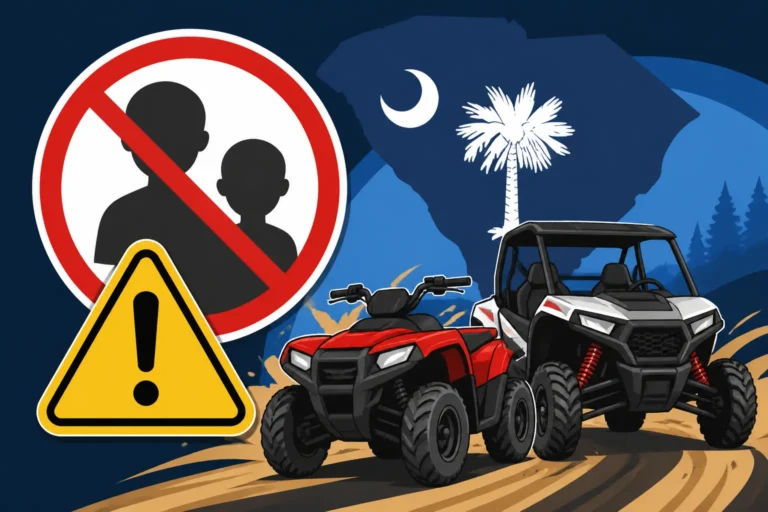
Even if a 17-year-old driver has their full Class D license, the law imposes restrictions on carrying very young passengers in a street-legal UTV. Specifically, [No Passenger Eight or Younger] is allowed if the driver is under the age of 18. This means a 17-year-old driver cannot have a child who is 8 years old or younger as a passenger in their street-legal UTV on public roads. This rule is designed to protect the most vulnerable occupants, recognizing that younger children may be at greater risk in an open-air vehicle, especially with a less experienced, albeit licensed, young driver.
These passenger restrictions highlight the state's cautious approach to integrating street-legal UTVs into general road use. While UTVs offer multi-passenger seating, the open design and different safety dynamics compared to an enclosed car mean extra precautions are warranted for young children. This rule aims to prevent situations where a young driver might be responsible for an even younger child in a vehicle that, despite being street-legal, still has characteristics that differentiate it from a traditional enclosed passenger car. Families need to be very clear on this restriction to avoid penalties.
Seatbelt and Safety for All Occupants
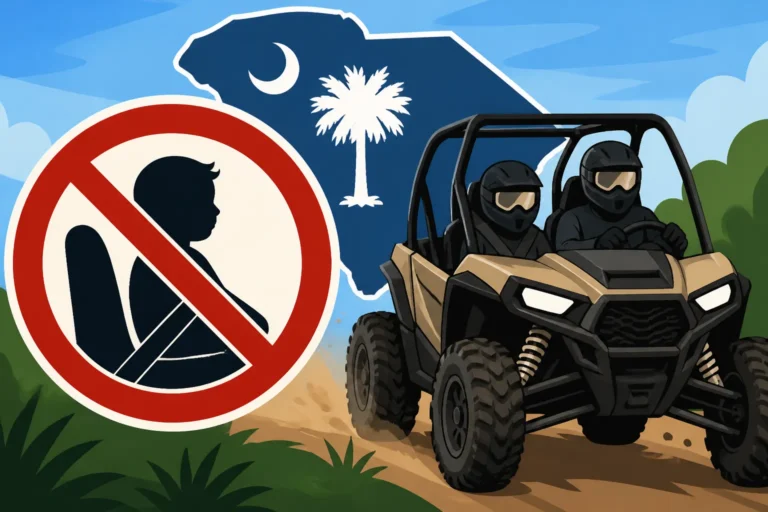
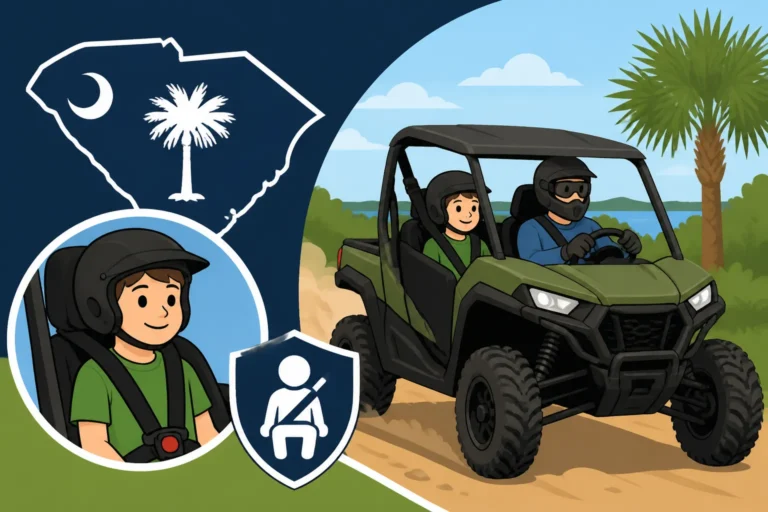
Beyond age limits, every single person in a street-legal UTV, regardless of age, must be properly secured with a seatbelt. Street-legal UTVs are equipped with safety belts, and using them is not optional – it's the law. These machines are designed with specific seating positions and restraint systems, and everyone must use them as intended. This isn't just a suggestion; it's a critical safety measure, especially considering the open nature of the vehicle and the potential for jostling or impacts.
The emphasis on seatbelt use aligns with general vehicle safety laws in South Carolina and underscores the importance of treating a street-legal UTV like any other vehicle on the road. Proper use of restraints significantly reduces the risk of injury in the event of an accident or even just sudden braking. Parents of young drivers, and the drivers themselves, should ensure that all passengers understand and comply with this fundamental safety requirement every single time they get into the UTV.
Equipment and Safety Gear for Young Riders
It's not just about who's driving and who's riding; it's also about what everyone is wearing. South Carolina has specific requirements for helmets and other safety gear when operating or riding in a street-legal UTV, especially for younger individuals.
Helmet Rules for Under 21 Street UTV Operators
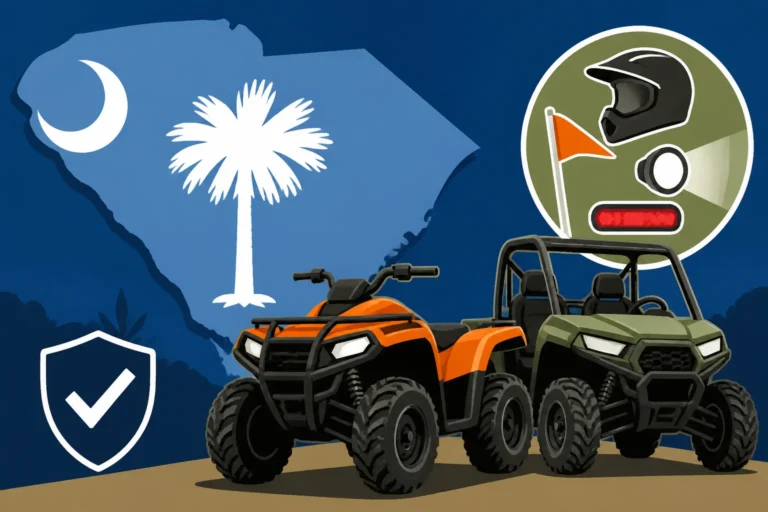
While adult drivers (21 and over) of street-legal UTVs are generally not mandated to wear helmets, the rules are different for younger drivers and passengers. If you are under the age of 21 and operating or riding as a passenger in a street-legal UTV on public roads, you must wear a helmet. Not just any helmet, either; it needs to be a helmet that complies with federal motor vehicle safety standards, typically identified by a DOT (Department of Transportation) certification sticker. [South Carolina Street UTV Helmet Rules Under 21] are clear on this point.
This rule is a direct reflection of the state's commitment to protecting younger, potentially less experienced drivers and passengers. Head injuries are among the most severe consequences of vehicle accidents, and helmets provide a crucial layer of protection in an open-air vehicle like a UTV. This applies to the 17-year-old driver and any passengers under 21 they might be carrying (who are also over the age of 8, as per the passenger rules). It's a non-negotiable safety requirement that every family with a young street-legal UTV enthusiast needs to adhere to. Companies like SuperATV often carry a range of DOT-approved helmets suitable for UTV riding, making it easier to comply.
Other Essential Safety Gear: Face Shields and Eye Protection
Beyond the helmet, proper eye protection is also a must for younger riders, even if the UTV has a windshield. If the helmet does not have a full face shield, then the driver and any passengers under 21 must wear goggles or a face shield that protects their eyes from wind, dust, and debris. This isn't just about comfort; it's about maintaining clear vision, which is paramount for safe driving. Imagine trying to navigate a country road with dust in your eyes – it's a recipe for disaster.
The combination of a DOT-approved helmet and proper eye protection ensures that young riders are adequately safeguarded against the unique environmental challenges of UTV operation on public roads. These regulations are designed to minimize risks and ensure that every ride is as safe as possible for all occupants. It's a small investment in safety that can make a huge difference in the event of an unexpected incident or simply dealing with everyday road conditions.
Beyond Age: Other Key Street UTV Regulations
While age and licensing are critical, they're just one piece of the regulatory puzzle for street-legal UTVs in South Carolina. There's a whole host of other rules that every driver, regardless of age, needs to understand and follow to avoid legal issues and ensure safe operation.
Where Can a Street-Legal UTV Be Driven?
This is another huge area of confusion. A street-legal UTV, while allowed on public roads, is not permitted everywhere a car can go. In South Carolina, these machines are generally restricted to secondary roads with a posted speed limit of 55 mph or less. [South Carolina Street UTV Road Speed Limits] are strictly enforced. This means no interstates, no primary highways (like US routes with higher speed limits), and no roads within the corporate limits of a municipality unless that municipality has specifically passed an ordinance allowing them.
It's essential to understand these road limitations. A 17-year-old driver, even with a full license, cannot take their street-legal UTV on I-26 or a major four-lane highway. These restrictions are in place because UTVs, while capable, are generally lighter, have a different braking profile, and may not handle high speeds or heavy traffic volumes as safely as traditional cars. Always check local ordinances, especially if you plan to drive your UTV in a specific town, as some towns have opted out or have their own specific rules for street UTVs.
Insurance and Registration: The Basics
Before a 17-year-old, or anyone, can legally drive a street-legal UTV on public roads, the machine itself must be properly titled, registered, and insured. This isn't optional; it's a legal requirement. You'll need to go through the process of getting a [South Carolina Street-Legal UTV Registration Arrives] and obtaining a license plate. Just like a car, street-legal UTVs require liability insurance as a minimum. This protects other drivers and property in case you're involved in an accident.
The registration process involves paperwork, fees, and providing proof that your UTV meets the necessary street-legal equipment requirements. You'll also need to show proof of insurance at the time of registration. Without these foundational elements – title, registration, and insurance – operating your UTV on public roads, regardless of the driver's age, is illegal and can lead to severe penalties, including fines, impoundment of the vehicle, and suspension of driving privileges. It's best to have all your [South Carolina Paperwork for a Street UTV] in order before you even think about hitting the pavement.
A Table of Key Age & License Requirements for Off-Road Vehicles in SC
To help clarify the differences between various vehicle types, here's a quick comparison of age and license requirements in South Carolina:
| Vehicle Type | Minimum Driver Age | Required License/Permit | Road Use Allowed? | Helmet Requirement (Under 21) | Passenger Age Restriction (if driver <18) |
|---|---|---|---|---|---|
| Off-Road ATV | 6 (supervised) | None (safety cert for <16) | No | Yes (under 16) | None (often 1-rider only) |
| Street-Legal UTV | 17 | Full Class D Driver's License | Yes (restricted) | Yes | No passenger 8 or younger |
| Golf Cart (Permitted) | 16 | Valid Driver's License/Permit | Yes (restricted) | No | No |
| Low-Speed Vehicle (LSV) | 16 | Full Class D Driver's License | Yes (restricted) | No | No |
| Passenger Car | 15 (permit), 16 (prov.), 17 (full) | Beginner, Provisional, or Full Class D | Yes | No | No |
Note: This table provides general guidance. Specific restrictions, local ordinances, and equipment requirements may apply. Always consult the official South Carolina Code of Laws and local DMV for the most current and detailed information.
Importance of Continuous Education and Responsible Riding
For young drivers, especially at 17, operating a street-legal UTV is a privilege that comes with significant responsibility. It’s crucial that parents and guardians continue to emphasize safe driving practices, even after a teen has earned their license. UTVs have a different feel and response than traditional cars, and understanding those nuances is key to safe operation. Taking extra precautions, such as always being aware of your surroundings, driving defensively, and understanding the specific capabilities and limitations of your UTV, are essential.
Encourage your young driver to take additional safety courses or practice in controlled environments to build confidence and skill. Always remind them to respect other drivers, follow all traffic laws, and never drive under the influence. The goal isn't just to be legal, but to be safe and responsible stewards of the road. With the right attitude and adherence to all regulations, a 17-year-old can enjoy the unique experience of driving a street-legal UTV safely and responsibly in South Carolina.
Disclaimer
This article is for general informational purposes only and does not constitute professional advice. Laws, prices and regulations vary by location and change over time. Consult a qualified professional for guidance on your specific situation.