South Carolina Street UTV Helmet Rules Under 21
Navigating the world of street-legal UTVs in South Carolina can feel like trying to solve a puzzle while riding a bucking bronco – especially when you're trying to figure out the rules for younger riders. One of the biggest head-scratchers for families is understanding who needs to wear a helmet, particularly for those under 21. This comprehensive guide is here to clear up all that confusion, helping you ensure everyone stays safe and legal on those beautiful Palmetto State roads.
Understanding South Carolina's Street-Legal UTV Framework
Before we dive deep into helmet specifics, it’s crucial to understand the foundation of street-legal UTVs in South Carolina. For years, UTVs were strictly off-road machines, confined to private lands or designated trail systems. But times change, and so do laws, recognizing the growing popularity and utility of these versatile vehicles.
The Genesis of Street UTV Laws in South Carolina
South Carolina has been on a journey to adapt its vehicle laws to modern off-road machines. For a long time, if you wanted to take your side-by-side on the pavement, you were largely out of luck, or stuck finding very specific, often confusing, local ordinances that might allow it. This created a real headache for owners who used their UTVs for work, recreation, or just getting around in rural areas.
The desire for more flexibility, combined with the increasing design of UTVs that closely mimic small cars, eventually led to significant legislative action. This culminated in laws that carved out a specific category for street-legal UTVs, allowing them onto certain public roads under strict conditions. This was a welcome change for many, finally providing a legal pathway for UTV owners to expand their riding horizons beyond the dirt. These changes didn't happen overnight, but were the result of recognizing the evolving landscape of powersports. For more on how this all came about, you can look into [South Carolina Act 164 and Street UTVs]. This legislative push ultimately allowed for a more integrated use of UTVs within the state's transportation network.
Distinguishing Street UTVs from Other Off-Road Vehicles
The term "UTV" can be a broad umbrella, covering everything from recreational sport models to heavy-duty utility machines. However, for a UTV to be considered "street-legal" in South Carolina, it must meet a very specific set of criteria that separates it from standard off-road ATVs, golf carts, or even low-speed vehicles. It’s not just about having four wheels and a steering wheel; it's about meeting stringent safety and equipment standards set by the state.
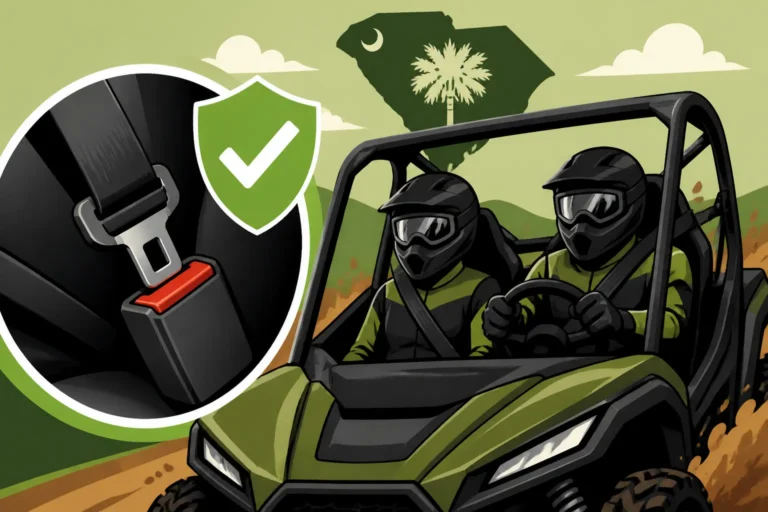
Think about it this way: your standard ATV is designed for dirt, mud, and uneven terrain – it usually doesn't have turn signals, brake lights, or a proper windshield. A golf cart, while often seen on neighborhood streets, is typically limited in speed and range, and has different regulations entirely; indeed, [A Low-Speed Vehicle Is Not a South Carolina UTV]. A street-legal UTV, on the other hand, bridges that gap. It must be equipped with essential road-going features such as headlights, taillights, turn signals, brake lights, a horn, mirrors, seatbelts, and often a proper windshield. These features are not just suggestions; they are mandates that ensure the UTV can safely share the road with other vehicles. Understanding these distinctions is paramount, as the helmet rules we're discussing specifically apply to these newly recognized street-legal machines, not necessarily to your off-road quad or neighborhood golf cart. If you’re curious about the full list of requirements, you'll want to check out [South Carolina Street UTV Machine Specs].
Deciphering Helmet Requirements for Young Street UTV Riders
Now for the meat of the matter: helmets. This is where safety and legality converge, especially when it comes to the younger members of your riding crew. South Carolina has clear stipulations designed to protect those who might be more vulnerable in a collision.
The Core Helmet Mandate for Under 21
Let's cut right to it: in South Carolina, if you are operating or riding as a passenger in a street-legal UTV on public roads and you are under the age of 21, you must wear an approved helmet. There are no two ways about it, no exceptions for short distances, and no "if the weather is nice" clauses. This isn't just a suggestion; it's a legal requirement with serious implications if ignored.
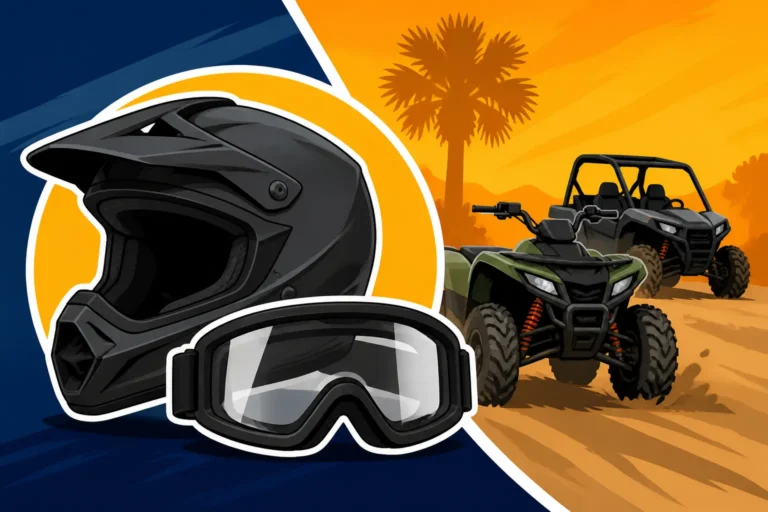
Imagine a beautiful Saturday morning, you're heading out with your family in your street-legal side-by-side, maybe to a local park or a quiet secondary road. If your teenager or younger child, who is under 21, is riding without a helmet, you're immediately in violation of state law. This rule is rooted in deep concern for safety. Younger riders, especially those still developing judgment and reaction times, are particularly susceptible to severe head injuries in the event of an accident. A helmet acts as a crucial layer of protection, absorbing impact forces that could otherwise lead to life-altering or even fatal trauma. The law specifically mandates that [Face Shields Required for UTV Riders Under 21] for these young riders, underscoring the importance of comprehensive head and face protection. It’s about more than just avoiding a ticket; it's about protecting precious lives.
Defining "Helmet" – What Meets the Standard?
When the law says "helmet," it doesn't mean just any head covering. South Carolina, like many states, requires helmets that meet specific safety standards. Typically, this means a helmet that is approved by the Department of Transportation (DOT). You'll usually find a DOT sticker on the back of any compliant helmet. This certification means the helmet has passed rigorous testing for impact absorption, penetration resistance, and retention system strength.
So, while your child might have a cool bicycle helmet or a skateboard helmet, these are absolutely not acceptable for street-legal UTV use. Those helmets are designed for different types of impacts and speeds and simply don't offer the level of protection needed for a motorized vehicle traveling on public roads. When you're choosing a helmet for a young rider or passenger, always look for that DOT certification. Beyond that, consider a full-face helmet. While the law primarily focuses on head protection, the requirement for face shields for younger riders implies a strong recommendation for full-face coverage. A full-face helmet provides critical protection for the jaw, chin, and face, areas that are highly vulnerable in an open-air vehicle like a UTV. Investing in a high-quality, properly fitting DOT-approved helmet is one of the best safety decisions you can make for your young UTV enthusiasts.
Passenger Rules and Supervision for Young Riders
Beyond just the helmet, South Carolina also sets guidelines for who can ride as a passenger and under what supervision when it comes to street-legal UTVs. These rules are designed to ensure that minors are not only protected by gear but also by responsible oversight.
Age Restrictions for Passengers on Street UTVs
It's not just about wearing a helmet; it's also about who can actually be a passenger in the first place, especially for very young children. South Carolina has a clear rule: you cannot have a passenger who is eight years old or younger in a street-legal UTV. This means that if you're planning a family outing, any child aged eight or under needs to stay home, or find alternative transportation. [No Passenger Eight or Younger] is a hard and fast rule, put in place due to the unique risks associated with UTVs.
This rule exists for several very practical reasons. UTVs, even street-legal ones, can have a different ride feel than a traditional car. They might be more open, have different suspension characteristics, and in an emergency maneuver, a very young child might not be able to brace themselves adequately, even with a seatbelt. Their developing bodies are simply more vulnerable to the forces involved in a sudden stop or a turn. Furthermore, proper fit for seatbelts can be an issue for smaller children; they may not be able to be safely secured in a UTV's harness system. It’s essential for parents and guardians to rigorously adhere to this age restriction. Before every trip, double-check the ages of your passengers to ensure full compliance and, more importantly, maximum safety for all.
The Role of an Adult Supervisor for Young Drivers
While the focus is often on passengers, it's also important to consider young people driving street-legal UTVs. In South Carolina, a person must be at least 17 years old to operate a street-legal UTV on public roads. And just like with a car, they need to possess a valid driver's license. A beginner's permit won't cut it here; they need a full, unrestricted license. [South Carolina Street UTV Age of 17] makes this very clear.
Even if a 17-year-old or older minor is behind the wheel and fully licensed, the helmet rule for under 21 still applies to them. This means that if your 18-year-old son or 20-year-old daughter is driving the street-legal UTV, they are legally required to wear a DOT-approved helmet, even though they have a full driver's license. It’s a dual layer of protection and regulation. The state recognizes the unique aspects of UTV operation on public roads, and the helmet mandate serves as an added safety measure for all young adults. This is a crucial detail that many people overlook, assuming that once a driver has a license, helmet rules for age no longer apply. For a comprehensive look at what it takes to get behind the wheel, you might want to review [South Carolina Street UTV License Requirements]. Always ensure not just the driver's age and license status, but also their adherence to the helmet mandate.
Practical Considerations and Gear Beyond the Helmet
While a DOT-approved helmet is non-negotiable for young street UTV riders in South Carolina, safety doesn't stop there. Thinking holistically about protective gear and safe driving practices can significantly reduce risks for everyone on board.
Enhancing Safety with Additional Protective Gear
A helmet is fantastic for head protection, but your body needs love too! When riding a street-legal UTV, especially with younger passengers, consider a full complement of protective gear. Eye protection, even if you have a face shield, is often a good idea; sometimes a well-fitting pair of goggles can prevent dust, debris, or even insects from impacting your vision, especially at speed. Gloves can protect hands from abrasions and improve grip on the steering wheel, while proper footwear (closed-toe shoes, definitely no flip-flops!) can prevent foot injuries and ensure better control of the pedals.
Beyond personal gear, think about the UTV itself. Aftermarket accessories can play a huge role in enhancing safety. Products from companies like SuperATV offer robust upgrades such as stronger roll cages, four or five-point harness systems (which offer superior restraint compared to standard automotive seatbelts in an off-road or open-vehicle context), and even improved windshields that offer clearer visibility and better protection from road debris. Investing in these types of upgrades can turn a good factory UTV into an even safer one, offering peace of mind when your younger family members are riding along. Always prioritize gear that offers the most comprehensive protection for all occupants.
Pre-Ride Checks and Safe Driving Practices for All Ages
Safety isn't just about what you wear; it's also about how you prepare and how you drive. Before every single ride in your street-legal UTV, get into the habit of performing a quick pre-ride check. This means inspecting tires for proper inflation and damage, checking fluid levels, ensuring all lights (headlights, taillights, brake lights, turn signals) are functioning, and verifying that seatbelts are in good working order. A quick walk-around can catch small issues before they become big problems.
Equally important are safe driving practices. Street-legal UTVs handle differently than cars. They often have a higher center of gravity, narrower stance, and different braking characteristics. Drivers, regardless of age, need to be aware of these differences and adjust their driving accordingly. Stick to posted speed limits, especially those tailored for UTVs, which can be significantly lower than for cars on certain roads. [South Carolina Street UTV Road Speed Limits] are crucial to observe. Avoid sudden, sharp turns at high speeds, and always be aware of your surroundings, watching for other vehicles, pedestrians, and cyclists. Teaching younger licensed drivers these habits from the start instills a lifetime of responsible riding. Remember, even with the best gear and the safest vehicle, driver judgment remains the most critical factor in preventing accidents.
The Consequences of Non-Compliance
Ignoring helmet rules or other street-legal UTV regulations for younger riders isn't just a minor oversight; it carries a range of serious consequences, from legal penalties to devastating personal injury and financial liability.
Penalties for Violating Helmet Laws
Let's be clear: when law enforcement sees a rider or passenger under 21 in a street-legal UTV without a helmet, they will likely issue a citation. The penalties for such violations can include significant fines. Depending on the exact circumstances and whether it's a first offense or a repeat, you could be looking at fines that start at $50 and can go up to $200 or more. [South Carolina Fines of $50 to $200] is a real consequence. This isn't just a slap on the wrist; these costs can add up quickly, especially if multiple people are found in violation or if you get multiple tickets.
Beyond the immediate financial hit, there can be other legal ramifications. Multiple infractions could potentially lead to points on a driver's license (if the driver is a minor, this could affect their driving privileges) or even more severe penalties in certain situations. It's also worth considering the impact on insurance. While [What Insurance South Carolina's New UTV Law Requires] is primarily for liability, if an accident occurs and you were found to be in violation of the helmet law, your insurance company could potentially deny or reduce coverage for medical expenses or other damages, arguing that you contributed to the severity of the injury by not complying with the law. Always remember, the law is there for a reason, and ignoring it comes with a definite price.
The Ultimate Cost – Personal Injury and Liability
While fines and legal fees are certainly a headache, the most severe consequences of not following helmet laws are the ones that can never truly be undone: personal injury and the subsequent liability. A UTV accident, even at relatively low speeds, can result in serious trauma, and without a helmet, a head injury is a very real and terrifying possibility. We're talking about concussions, skull fractures, brain damage, and even death. These aren't just statistics; these are real-life tragedies that can forever alter the lives of the injured individual and their entire family.
Imagine the unimaginable: your child or young adult suffers a severe head injury in a UTV accident because they weren't wearing a helmet. Beyond the immediate medical emergency and the long, painful road to recovery (if full recovery is even possible), there's the crushing weight of guilt and the enormous financial burden. Medical bills for severe head injuries can quickly climb into the hundreds of thousands, if not millions, of dollars. Furthermore, as the parent or guardian, you could face significant personal liability. If the minor is injured or causes injury to others, and you permitted them to ride without a legally required helmet, you could be held responsible for damages in civil court. This could mean lawsuits, lost assets, and a lifetime of regret. It's a sobering thought, but it underscores why adherence to helmet laws, especially for those under 21, is not just about compliance, but about fundamental safety and responsibility.
South Carolina Street UTV Helmet & Safety Rules for Young Riders
To help keep things clear, here’s a quick overview of some key safety points for street-legal UTVs in South Carolina, focusing on younger riders.
| Rule Category | Description | Applies to Riders Under 21 |
|---|---|---|
| Helmet Requirement | All drivers and passengers under 21 must wear a DOT-approved helmet. | Yes |
| Face Shield Requirement | Helmets for riders under 21 must include a face shield, or riders must use other eye protection. | Yes |
| Passenger Age Minimum | No passenger eight years old or younger is permitted in a street-legal UTV. | N/A (Applies to Passenger) |
| Driver Age Minimum | Driver must be at least 17 years old and possess a valid South Carolina driver's license. | Yes |
| Seatbelt Use | All occupants, regardless of age, must wear a seatbelt. | Yes |
| Eye Protection | Recommended for all riders to prevent debris, even if a face shield is used. | Yes |
| Speed Limits | Adhere to posted road speed limits, which may be lower for UTVs on certain secondary roads. | Yes |
| Vehicle Equipment | UTV must have functional headlights, taillights, brake lights, turn signals, horn, mirrors, windshield. | Yes (Vehicle requirement) |
Disclaimer:
This article is for general informational purposes only and does not constitute professional advice. Laws, prices and regulations vary by location and change over time. Consult a qualified professional for guidance on your specific situation.