South Carolina Headlight Hours After Sunset
Riding your ATV or UTV in South Carolina can be an absolute blast, whether you're tearing up trails or cruising certain back roads. But one common sticking point that trips up many riders is figuring out exactly when those headlights need to be on, especially as the sun dips below the horizon. This guide will shine a light on the specific regulations governing headlight usage for off-road ATVs, street-legal UTVs, and even golf carts in the Palmetto State, helping you stay safe and compliant.
Understanding South Carolina's Core ATV Lighting Rules
It's easy to think of "night riding" as simply when it's pitch black, but the law often has a more specific definition. For many of us who enjoy hitting the trails or heading to a hunting stand around dusk, understanding this definition is crucial not just for safety, but also to avoid potential run-ins with law enforcement. South Carolina's regulations aim to ensure visibility during those transitional times when natural light is fading but hasn't completely disappeared.
When "After Sunset" Really Begins for Off-Road ATVs
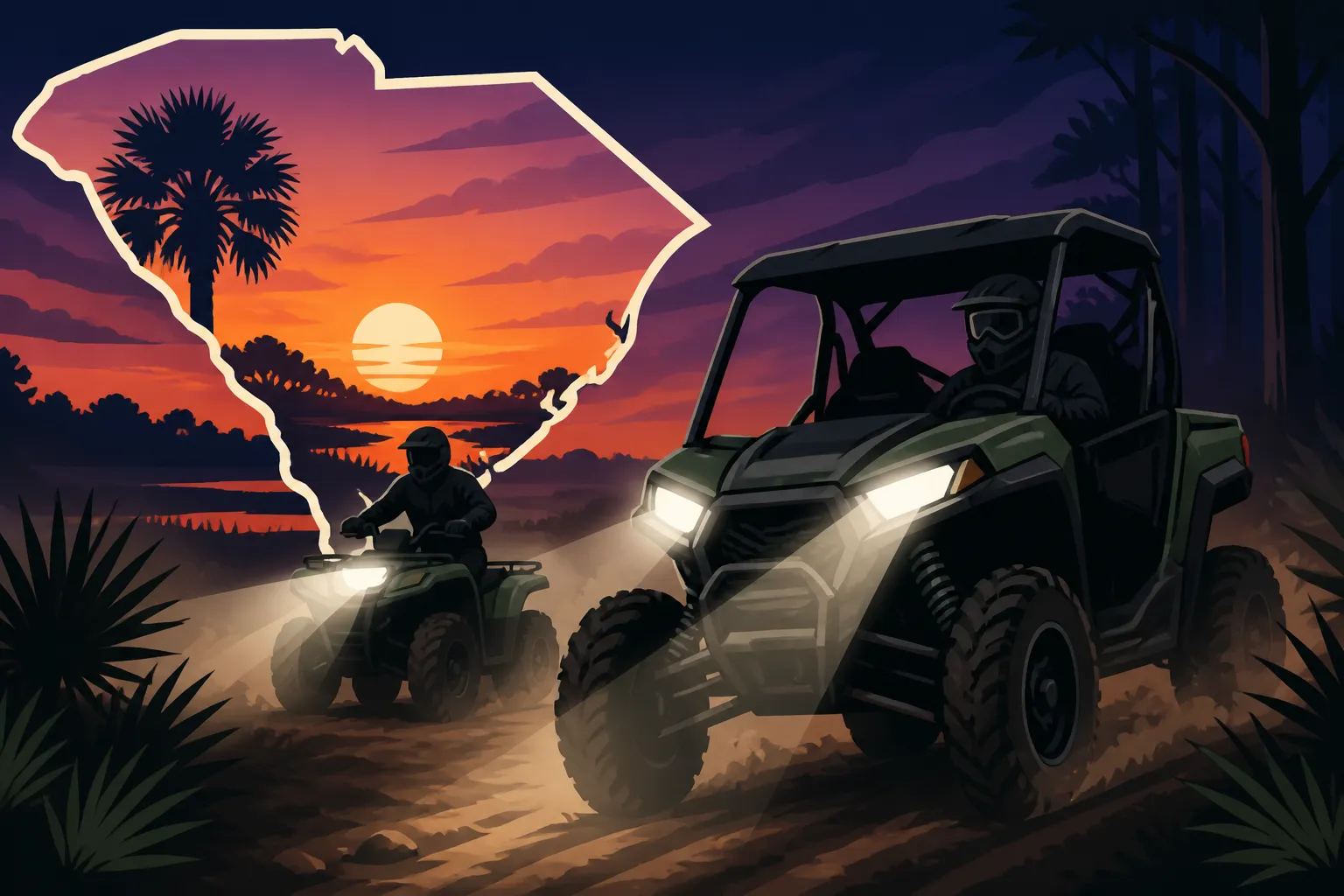
When it comes to off-road ATVs in South Carolina, the law is pretty clear and often catches people by surprise. You might assume your lights are only necessary when you can barely see, but the state's statutes, particularly those found under [South Carolina Code Title 50 Chapter 26], dictate that headlights must be used during specific hours that extend beyond just total darkness. Specifically, the law states that ATVs must display lighted headlights and taillights from a half-hour after sunset to a half-hour before sunrise. This means that even if there's still a noticeable glow in the sky, if it's past that half-hour mark after sunset, your lights need to be on.
Think about those beautiful, lingering sunsets we have here in South Carolina. You might be wrapping up a day of riding on a timber road or heading back to camp, and while you can still see the path in front of you, that official half-hour after sunset window might have already closed. Ignoring this can lead to being pulled over and potentially cited. It's not about how well you can see, but about ensuring others can see you, especially if you're on a public access trail or crossing a less-traveled road section. Always err on the side of caution and flip those lights on as dusk approaches.
Why Proper Lighting is a Safety Imperative, Not Just a Rule
Beyond simply avoiding a citation, proper lighting on your off-road ATV is a critical safety measure. Riding in low light or darkness introduces a whole new set of challenges that can quickly turn a fun outing into a dangerous situation. Without adequate lighting, you dramatically reduce your ability to see obstacles like fallen branches, hidden rocks, sudden dips, or even wildlife that might dart across your path. This isn't just about spotting large hazards; it's about discerning the subtle changes in terrain that can throw you off balance or lead to a rollover.
Moreover, proper lighting isn't just for your vision; it's also about making yourself visible to others. While off-road ATVs aren't typically on busy public roads, they share trails, private lands, and even certain permitted road crossings with other riders, hikers, hunters, and landowners. A bright headlight and taillight array ensures that someone approaching from the front or rear, or even another rider in your group, can clearly see your machine's position and direction of travel. This is particularly vital in areas with dense tree cover or winding trails where visibility is already limited. Think of it as a mutual respect on the trail – you want to see others, and they want to see you. For more on what your ATV needs, check out [South Carolina Equipment Requirements for ATVs].
Specific Requirements for Street-Legal UTVs After Dark
The world of UTVs has really changed in South Carolina, especially with the ability to make them street-legal. This is fantastic for getting to those remote trailheads or running quick errands, but it also brings a whole new layer of responsibility, particularly when it comes to lighting. Unlike off-road ATVs, street-legal UTVs are treated much more like traditional motor vehicles, and their lighting requirements reflect that.
The Mandate for Headlights and Taillights on Public Roads
For those fortunate enough to have a street-legal UTV in South Carolina, the rules for lighting are much more stringent than for purely off-road machines. Once your UTV is registered and plated for the street, it must comply with all standard motor vehicle lighting laws when operating on public roads. This means your headlights and taillights aren't just for a "half-hour after sunset"; they must be on any time visibility is reduced, which definitely includes anytime after sunset and before sunrise. Think about driving your car – if it's dark, your lights are on. The same applies here.
Your street-legal UTV needs to have functioning high and low beam headlights, just like a car. The taillights must illuminate when your headlights are on, and brake lights need to activate when you hit the pedal. Additionally, turn signals are a must, clearly indicating your intentions to other drivers. These aren't optional extras; they're integral to the safety and legality of operating your UTV on paved or maintained public roads. Whether you're just driving a few blocks home or traveling to a local riding spot, adhering to these rules is paramount to sharing the road safely with cars and trucks. For comprehensive details, be sure to review [South Carolina Street UTV Rules From November 2026].
Navigating Low-Light Conditions Beyond Sunset
Operating a street-legal UTV during low-light conditions, not just in complete darkness, demands extra vigilance and proper lighting. This includes foggy mornings, heavy rain, or anytime where ambient light isn't sufficient to see clearly for at least 500 feet ahead. Your UTV's headlights are designed to cut through these conditions, making your vehicle both visible to others and improving your own field of vision. It's not just about turning them on; it's about understanding how to use them effectively. For instance, knowing when to switch from high beams to low beams to avoid blinding oncoming traffic is crucial.
Many street-legal UTV owners, recognizing the variable nature of South Carolina's weather and road conditions, often opt for enhanced lighting solutions. While factory headlights are sufficient for basic compliance, adding auxiliary lighting can dramatically improve safety. Companies like SuperATV offer a range of aftermarket LED light bars and pod lights that can be incredibly beneficial for navigating unlit rural roads or providing extra illumination on winding paths during those hours after sunset. These additions can transform your UTV's nighttime capabilities, ensuring you're not caught off guard by unexpected obstacles or poor visibility. Remember, the goal is always to see and be seen. For more on what kind of machine specs are required, consider reading [South Carolina Street UTV Machine Specs].
Exemptions and Special Considerations for Night Riding
While the general rules for lighting are in place for safety, the reality of off-road riding in South Carolina often involves a mix of private land, designated trails, and sometimes even crossing small roads. This creates scenarios where riders might wonder if the same strict "half-hour after sunset" rules apply universally. Understanding these nuances is key to responsible riding, especially if your adventures take you into less regulated environments.
Riding on Private Property vs. Public Land After Dark
The distinction between private property and public land is significant when it comes to lighting rules for ATVs and UTVs. If you're riding strictly on your own private land, or on private land with the explicit permission of the owner, the state's specific "headlight hours after sunset" regulations often take a back seat to the landowner's rules and your own common sense. On private property, the primary concern shifts from legal compliance with state traffic laws to personal safety and liability. You still absolutely should use lights for your own visibility and safety, but the risk of a state law enforcement citation for a lighting infraction is dramatically reduced.
However, once you venture onto public lands, such as national forest trails, designated OHV parks, or any road that's open to the public, those state regulations kick right back in. Even if a public trail feels remote, it's still considered public land, and the rules about displaying lighted headlights and taillights from a half-hour after sunset to a half-hour before sunrise apply fully. Many public trails, like those in the Sumter National Forest, have strict guidelines on operating hours and equipment. Riders who frequently use these areas know that rangers do conduct [South Carolina Equipment Checks by Officers], and proper lighting during the specified hours is a common point of compliance.
The Role of Auxiliary Lighting and Off-Road Light Bars
For many serious off-road enthusiasts, factory headlights, while compliant, just don't cut it for serious night riding, especially when you're tackling challenging terrain after dark. This is where auxiliary lighting and off-road light bars come into play. These powerful lighting solutions can dramatically enhance your visibility, allowing you to see much farther and wider than standard headlights permit. Whether you're navigating a tight, wooded trail or spotting obstacles at speed, additional lighting can be a game-changer for safety and confidence.
However, there's a crucial caveat: while these lights are fantastic for off-road use, their intense brightness makes them illegal for use on public roads when traffic is present. Most aftermarket light bars are designed for "off-road use only" and can blind oncoming drivers. If you have them installed on a street-legal UTV, you must ensure they are covered or switched off when operating on public roads, especially during the hours when other vehicles are around. Companies like SuperATV offer not only powerful light bars but also switches and wiring harnesses that make it easy to control these lights independently, ensuring you can use them safely and legally when you transition from trail to tarmac. Remember to toggle those bright lights off when you're on paved roads, and definitely review [South Carolina Rules for Riding After Dark] to ensure you're compliant.
The Legal Ramifications of Insufficient Lighting
Ignoring South Carolina's lighting laws isn't just a minor oversight; it carries real legal consequences that can impact your wallet, your driving record (if you have one for a street-legal UTV), and even your insurance. Many riders, especially those new to the hobby or visiting from out of state, might not realize the seriousness of these regulations until they're pulled over.
Potential Fines and Citations for Lighting Violations
Operating an ATV or street-legal UTV without proper lighting during the legally designated hours can lead to fines and citations from law enforcement. While the exact penalty can vary depending on the specific statute violated and the discretion of the officer, you could be looking at monetary [South Carolina Fines of $50 to $200]. These aren't just minor inconveniences; they can add up, especially if you're cited multiple times or if the violation is compounded by other infractions.
Beyond the immediate financial penalty, repeated violations or more serious circumstances could potentially lead to your machine being impounded, particularly if it's deemed unsafe for operation. For street-legal UTVs, a lighting citation could also impact your motor vehicle record, similar to a traffic ticket in your car. It's a preventable issue that simply requires awareness and diligence. Just imagine trying to explain to your spouse why you got a ticket for not having your headlights on when there was still enough light to see! It's a frustration that's easily avoided.
How Lighting Affects Accident Liability and Insurance Claims
Perhaps even more significant than a fine is the potential impact of insufficient lighting on accident liability and insurance claims. If you're involved in an accident, whether on public land, a designated trail, or even crossing a road, and your machine didn't have its headlights or taillights on during the legally required hours, you could be found at fault or at least partially liable. This is because proper lighting is a fundamental safety requirement designed to prevent accidents by increasing visibility.
Being deemed at fault or partially liable can have severe financial repercussions. It could mean your insurance company won't cover the full extent of the damages to your machine or other property, or it might refuse to cover medical expenses for injuries sustained. If another party is involved, you could be held financially responsible for their damages and injuries. This can lead to substantial out-of-pocket costs and legal battles. Most insurance policies have clauses requiring the insured to operate their vehicle legally. Failing to use your lights during prescribed hours could be seen as negligence, jeopardizing your coverage. Always carry proof of your street-legal UTV insurance, as well as being aware of [South Carolina Accident Reporting for an ATV Crash] rules.
Practical Tips for Safe Night Riding in South Carolina
Night riding, whether on a trail or a country road with a street-legal UTV, offers a completely different experience than daytime adventures. The sounds change, the air cools, and the challenges become more pronounced. To truly enjoy these twilight and nighttime hours safely, a proactive approach to your machine's lighting and your own riding habits is essential.
Pre-Ride Checks and Maintenance for Your Lighting System
Before you even think about heading out after sunset, a thorough pre-ride check of your entire lighting system is non-negotiable. This isn't just about making sure a light turns on; it's about ensuring every component is functioning optimally. Check all your headlights, taillights, brake lights, and turn signals (if applicable) for proper operation. Are any bulbs dim? Is a lens cracked or obscured with mud? Even a partially working light compromises your safety. Wiggle wires to ensure no loose connections.
Beyond the quick check, regular maintenance is key. Off-road riding subjects electrical systems to vibration, mud, water, and debris, which can all lead to failures. Periodically inspect wiring harnesses for fraying, corrosion, or damage. Clean light lenses regularly to ensure maximum output. For street-legal UTVs, ensure your high and low beams are properly aimed to provide optimal illumination without blinding other drivers. A little preventative maintenance goes a long way in ensuring your lights work when you need them most, preventing the frustration of a sudden dark trail or a roadside stop.
Enhancing Visibility Beyond Factory Headlights
While factory headlights meet minimum legal requirements, they often leave much to be desired for true night riding performance, especially on rugged South Carolina trails. Enhancing your visibility goes beyond just meeting the letter of the law; it's about making your ride as safe and enjoyable as possible after dark. Investing in quality aftermarket lighting can make a world of difference. LED light bars, for example, offer incredible brightness and a wide beam pattern, illuminating obstacles far in advance. Pod lights can be strategically mounted to provide focused light in specific areas, such as rock crawling sections or tight turns.
Beyond external lighting, consider rider-worn illumination. A good headlamp can be invaluable for looking off to the side, checking maps, or making trailside repairs. Reflective tape on your helmet, clothing, and even the machine itself can significantly increase your passive visibility to other riders or emergency personnel. For serious backcountry excursions, a small, independent battery-powered emergency light source is also a wise addition to your gear bag. Remember, improving visibility isn't just about seeing better; it's about giving yourself more reaction time and making sure you are seen by everyone around you. Many aftermarket accessories, including those from SuperATV, can truly elevate your night riding experience.
Distinguishing ATV, UTV, and Golf Cart Lighting Rules
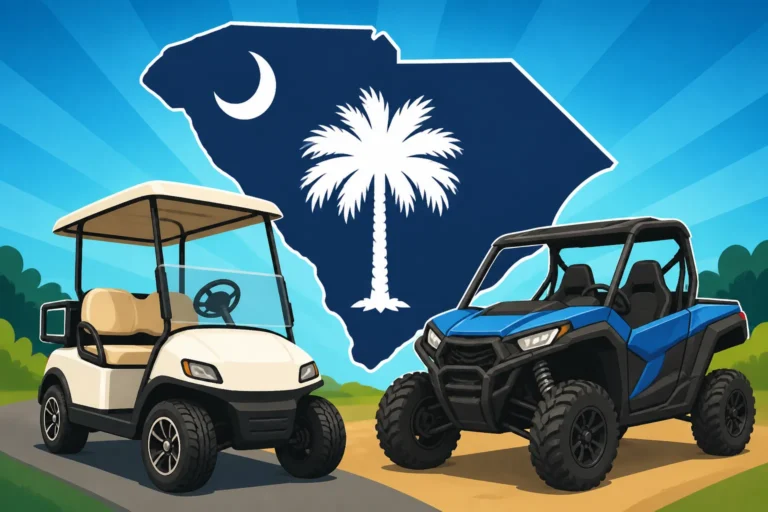
South Carolina has a nuanced approach to off-road and recreational vehicles, and understanding these differences is crucial for any owner. What applies to an ATV might be entirely different for a street-legal UTV, and a golf cart operates under its own set of distinct rules. This often leads to confusion, especially regarding lighting, but clarifying these distinctions can save you a headache.
ATV Headlight Rules
For traditional, off-road ATVs, the rules are fairly straightforward and primarily revolve around safety and visibility during low-light conditions. As mentioned, the core requirement is to display lighted headlights and taillights from a half-hour after sunset to a half-hour before sunrise. This is universal for ATVs operating on public trails or any land where state regulations apply, even if it's not a paved road. These regulations are part of the state's efforts to enhance safety for riders of machines that are often used in natural, unlit environments.
It's important to remember that these rules are primarily for basic visibility. While factory ATV headlights are designed to meet this minimum, they are rarely designed for high-speed, technical night riding. Many ATV riders who frequently hit the trails after dark will add auxiliary lights to improve their field of vision and enhance safety. However, the use of these additional lights must still comply with the general rule of turning off excessively bright, off-road lights when encountering others, even on trails, to avoid blinding them.
Street-Legal UTV Headlight Rules
Street-legal UTVs exist in a completely different regulatory category compared to off-road ATVs. Once you go through the process to make your UTV street-legal and get a license plate, it's essentially treated as a low-speed motor vehicle when operating on public roads. This means its lighting requirements align much more closely with those of a car or truck, not an ATV. Headlights must have both high and low beams, and they must be used anytime visibility is impaired, which definitively includes all hours between sunset and sunrise.
In addition to headlights, street-legal UTVs must also have functioning taillights, brake lights, and turn signals that are clearly visible to other motorists. These comprehensive lighting requirements are in place because street-legal UTVs share public roadways with all other forms of traffic. The intent is to ensure these machines are just as visible and capable of communicating their intentions as any other vehicle on the road, minimizing the risk of accidents. This is a significant distinction from off-road ATV rules, which focus more on trail safety than shared road use. [South Carolina Street UTV Requirements Explained] can give you even more context on this.
Golf Cart Headlight Rules
Golf carts in South Carolina also have their own set of lighting regulations, which are distinct from both ATVs and street-legal UTVs. While golf carts are permitted on certain public roads, their use is typically restricted to a specified radius from the owner's home or business, and often with speed limits. For a golf cart to be legally operated on public roads, it must be equipped with headlights and taillights.
Crucially, in South Carolina, golf carts are generally restricted to daylight-only operation. This means that while they must have headlights and taillights for safety during permitted daytime use, they are typically not allowed on public roads from a half-hour after sunset to a half-hour before sunrise. So, while your golf cart might have perfectly good headlights, the hours of operation are the primary limiting factor for night use on public roads. If you're riding your golf cart on private property after dark, the same common-sense safety rules apply – use your lights to see and be seen. Always double-check [South Carolina Golf Cart Road Rules] for the most up-to-date information on operating hours and specific local ordinances.
| Vehicle Type | Required Lighting (Minimum) | Night Use on Public Roads (Half-Hour After Sunset to Half-Hour Before Sunrise) | Primary Use Case Covered |
|---|---|---|---|
| Off-Road ATV | Headlights & Taillights | Mandatory | Public Trails, Private Land, Limited Road Crossings |
| Street-Legal UTV | Headlights (Hi/Lo), Taillights, Brake Lights, Turn Signals | Mandatory (Treated like a car) | Public Roads (within legal parameters), Trails, Private Land |
| Golf Cart | Headlights & Taillights | Generally Prohibited (Daylight Use Only on Public Roads) | Designated Public Roads (radius limited), Private Property |
Disclaimer
This article is for general informational purposes only and does not constitute professional advice. Laws, prices and regulations vary by location and change over time. Consult a qualified professional for guidance on your specific situation.