South Carolina Safety Certificate Requirements
It's a common misconception that once you buy an ATV or UTV in South Carolina, you can just hop on and ride, especially if you're a younger enthusiast. But the reality is, the Palmetto State has specific rules designed to keep everyone safer, particularly when it comes to who needs a special safety certificate. This guide is here to help you navigate those requirements, understand who needs a certificate, how to get one, and what it means for your riding adventures.
The Basics: Who Needs a Safety Certificate in South Carolina?
Navigating the rules for riding ATVs in South Carolina can feel a bit like trying to find your way through a new trail system without a map. But when it comes to safety certificates, the path is actually pretty clear: it's all about age and the law put in place to protect our younger riders.
Age Restrictions and the Law
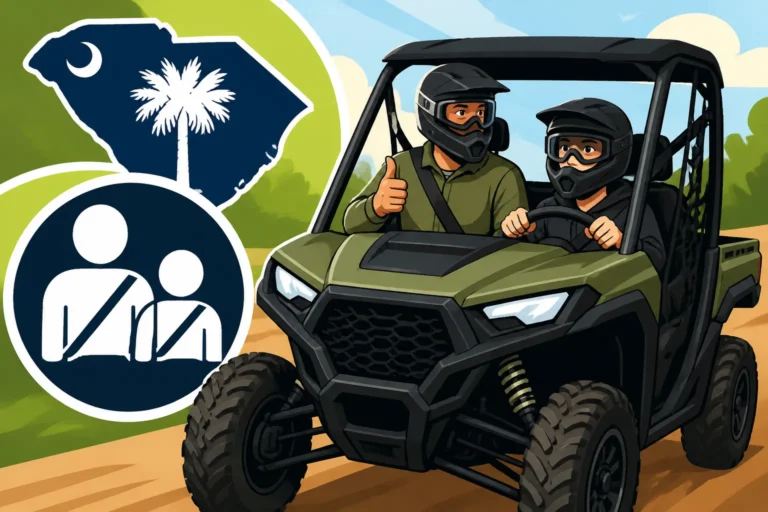
South Carolina's ATV safety certificate requirements largely stem from what's known as [Chandler's Law and South Carolina ATV Rules]. This crucial piece of legislation was enacted to reduce injuries and fatalities among younger riders. At its heart, Chandler's Law mandates that any person under the age of 16 operating an ATV on public lands, or even on private lands that aren't owned by a parent or guardian, must possess a valid ATV safety certificate. This isn't just a suggestion; it's a legal requirement designed to ensure that these younger riders have a fundamental understanding of safe operation, handling, and potential hazards.
Imagine a parent watching their enthusiastic 12-year-old on a brand new quad. While the excitement is palpable, the risks are real. The law recognizes that simply being able to reach the controls isn't enough. Younger riders often lack the judgment, physical strength, and experience to react safely in unpredictable off-road environments. The certificate requirement ensures they receive formal training on everything from proper riding posture to navigating obstacles and understanding basic maintenance checks. It’s about building a foundation of responsible riding habits from a young age, preparing them for the challenges of various terrains, whether they're just cruising through a field or tackling a more technical section of trail.
Exceptions and Exemptions
While the safety certificate is a cornerstone for young riders, it's equally important to understand where these rules don't apply. For adults aged 16 and over, South Carolina does not mandate an ATV safety certificate. If you're 16 or older, you're considered an adult in the eyes of this specific ATV law, and while taking a safety course is always a brilliant idea for anyone, it's not legally required for you to operate an ATV. This distinction is crucial for many families, especially those with multiple riders of varying ages.
Another significant exemption often causes confusion: riding on private property. [South Carolina Rules for a 6-Year-Old Rider] (and all riders under 16, for that matter) typically don't require a safety certificate if they are riding on land owned by their parent or guardian. This exemption acknowledges that parents are primarily responsible for supervising their children on their own land. However, even with this exemption, the spirit of safety remains paramount. A parent might still choose to have their child take a course, or at the very least, provide hands-on instruction to teach them safe riding practices. It's a common scenario where a family might own a few acres, and their children enjoy riding there. As long as it's truly their own land or the land of a legal guardian, and the parent is present and supervising, the certificate isn't mandatory. However, as soon as that young rider ventures onto public trails, a friend's farm, or any other land not owned by their parent or guardian, that certificate becomes a legal necessity.
How to Obtain Your South Carolina ATV Safety Certificate
Once you understand who needs the certificate, the next logical step is figuring out how to get one. Fortunately, the process is streamlined and designed to be accessible, though it does require commitment.
The Two-Part Course Structure
Getting your ATV safety certificate in South Carolina generally involves a two-part process, which includes both online learning and hands-on practical training. Think of it like learning to drive a car: you wouldn't just read a book and then hit the road, right? You need practice behind the wheel. The same goes for ATVs. The journey usually begins with an approved online course. This [South Carolina Online Course Prerequisite] covers the theoretical aspects of ATV safety. It dives into important topics like identifying hazards, understanding your machine's controls, proper riding gear, environmental responsibility, and basic maintenance checks. It's designed to build a strong foundation of knowledge before anyone even touches a throttle.
After successfully completing the online portion, the rider then moves on to the critical hands-on component. This is where all that theoretical knowledge gets put into practice under the watchful eye of a certified instructor. This practical session, often referred to as [South Carolina Hands-On Course Length], focuses on developing real-world riding skills. Participants learn how to mount and dismount, start and stop safely, turn properly, shift gears, handle hills, and manage obstacles. It's an invaluable part of the training, giving young riders the confidence and muscle memory needed to react instinctively and safely on the trail. Many parents breathe a sigh of relief seeing their children gain competence in a controlled environment, making them much safer riders when they eventually head out on their own.
Finding Approved Course Providers
When it comes to finding approved courses, the most widely recognized and accepted provider is the ATV Safety Institute (ASI). Their RiderCourse is the gold standard for ATV safety education across the country, and it's the program that South Carolina recognizes for its certificate requirements. You can usually find information on local courses and register for both the online and hands-on portions directly through the ASI website. They have a network of certified instructors throughout the state, making it relatively easy to locate a class within a reasonable driving distance.
The costs associated with these courses can vary, so it's always a good idea to check with the provider directly for current pricing. The online portion might have a separate fee, and the hands-on session will also incur a cost. For example, the [South Carolina Safety Course Cost] might be a combination of these two elements. These fees help cover the instructors' time, the use of training grounds, and course materials. Scheduling is another important consideration. Courses are often held on weekends and may require advance registration, especially during peak riding seasons. It’s wise to plan ahead and sign up early to ensure your child can get their certificate before you plan any major riding trips. Preparing your machine for these courses is also a good idea; ensuring it's in good working order, with well-maintained tires and brakes, might involve checking out aftermarket components from companies like SuperATV to ensure everything is up to snuff.
What to Expect During the Hands-On Training
The hands-on portion of the ATV safety certificate course is where the rubber truly meets the road, or more accurately, where the tires meet the dirt. It's an engaging and educational experience designed to instill confidence and competence.
Practical Skills and Machine Operation
During the hands-on training, riders aren't just lectured; they're actively involved in a series of practical exercises. Instructors will guide them through a range of maneuvers crucial for safe ATV operation. This includes learning proper body positioning for various situations, such as leaning into turns or standing up over rough terrain. They'll practice starting, stopping, and turning, focusing on smooth and controlled movements. A significant portion of the training involves hill climbing and descending techniques, which are vital skills for navigating South Carolina's diverse landscapes, from sandy trails to steeper forest paths. Participants will also learn how to handle swerving to avoid obstacles, quick stops, and what to do if the ATV begins to tip. The focus is on controlled, deliberate practice in a safe, supervised environment.
Beyond just machine operation, there’s a strong emphasis on the use of personal protective equipment (PPE). Instructors will ensure all riders are wearing appropriate helmets, eye protection, gloves, long pants, and sturdy over-the-ankle boots. They'll explain why each piece of gear is important, reinforcing the message that safety isn't just about how you ride, but also what you wear. For a [South Carolina Safety Course for a 12-Year-Old], this hands-on experience is often their first formal introduction to these critical safety measures, and it goes a long way in establishing lifelong safe riding habits. Making sure your machine is set up correctly, with a good set of tires and proper lighting if you use it in dim conditions, perhaps from a reputable brand like SuperATV, will make the learning experience even smoother.
Carrying Your Certificate and Compliance
Once a young rider successfully completes both the online and hands-on components of the ATV RiderCourse, they will receive their official ATV safety certificate. This isn't just a piece of paper; it's proof that they've met South Carolina's legal requirement for operating an ATV. It's absolutely essential for any rider under 16 to have this certificate on their person or readily accessible whenever they are operating an ATV on public lands or non-guardian-owned private property. Imagine a game warden or law enforcement officer performing a routine check; they'll want to see that certificate.
The consequences for not complying with South Carolina Safety Certificate Requirements can range from a warning to fines. [South Carolina Penalties Under Chandler's Law] outline these potential repercussions, which can include monetary penalties. More importantly than the fine, however, is the educational aspect. The law is in place to protect young riders, and non-compliance means a rider is potentially exposing themselves to unnecessary risks. Parents and guardians play a vital role in ensuring their children not only obtain the certificate but also understand its importance and carry it with them. It’s part of fostering a culture of responsibility and respect for the rules that keep everyone on the trails safe.
Common Misconceptions About South Carolina's Certificate Rules
Despite the clear language of Chandler's Law, there are still a few persistent myths and misunderstandings circulating among riders about South Carolina's ATV safety certificate requirements. Let's clear those up.
Is it Just for Public Trails?
One of the most common misconceptions is that the ATV safety certificate is only required for riding on designated public trails, like those in the national forests. While it's definitely required there, the law actually extends beyond that. As mentioned earlier, the certificate is needed when a rider under 16 operates an ATV on any land that is not owned by their parent or legal guardian. This means if your child is riding on a friend's property, a relative's farm, or even an undeveloped parcel of land that isn't yours, they need that certificate. The moment they leave your personal, deeded property, the requirement kicks in.
This distinction is crucial for understanding the breadth of the law. It's not just about federal or state-managed recreation areas. It applies to private property that isn't directly theirs, too. This is where [South Carolina Supervision Rules for Minors] become incredibly important. Even if an adult is supervising a younger rider on someone else's private land, if that land isn't owned by the minor's parent or guardian, the certificate is still required. It’s all about accountability and ensuring a baseline of safety education, regardless of the specific type of non-family private property they might be riding on. So, before you load up the machines and head to a buddy's hunting lease, make sure all your younger riders have their paperwork in order.
What About UTVs?
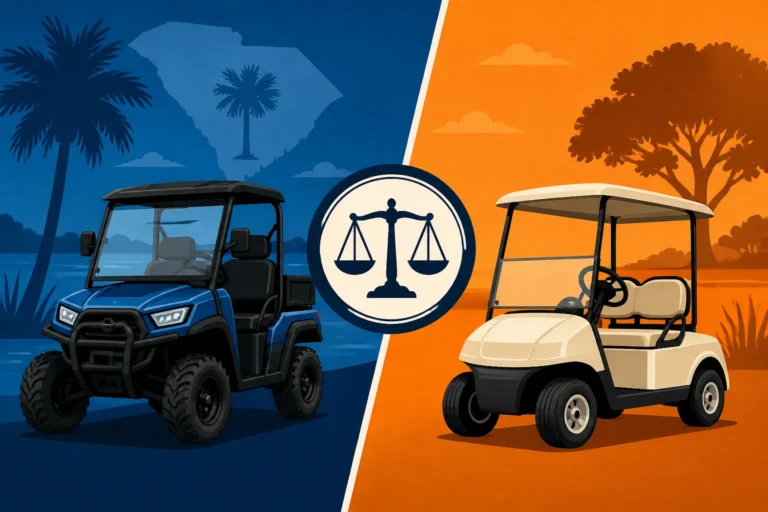
With the increasing popularity of UTVs (Utility Terrain Vehicles or side-by-sides), many people naturally wonder if the same safety certificate requirements apply. Here's where it gets a little nuanced. Chandler's Law specifically refers to "all-terrain vehicles," which are generally understood to be single-rider or two-rider vehicles designed for off-road use, where the operator straddles the seat. While UTVs are also off-road vehicles, their design (side-by-side seating, steering wheel, seatbelts) sets them apart. Generally, the ATV safety certificate requirement in South Carolina is specific to ATVs, not UTVs.
However, that doesn't mean there are no rules for young UTV operators. [South Carolina Street UTV Requirements Explained] and general UTV operation laws still apply. For instance, children often cannot operate UTVs on public roads even if they have a passenger seat, and there are age restrictions for who can drive a UTV at all, particularly on private commercial parks or in street-legal situations. While a separate safety certificate like the one for ATVs isn't mandated for UTVs, it's always advisable for any young operator to receive comprehensive training and be supervised by a competent adult. Many UTVs, especially those with performance parts from companies like SuperATV, can be powerful machines, and understanding their dynamics is crucial. Always check the specific rules of any riding park or private land you plan to visit, as they may have their own age and training requirements for UTV operators, even if the state certificate doesn't apply.
Disclaimer
This article is for general informational purposes only and does not constitute professional advice. Laws, prices and regulations vary by location and change over time. Consult a qualified professional for guidance on your specific situation.