South Carolina Rules for Crossing a Creek
There’s nothing quite like exploring the beautiful backcountry of South Carolina on your ATV or UTV. But let’s be honest, those scenic routes often involve crossing creeks, and it can be a real head-scratcher trying to figure out what’s allowed and what’s not. Many of us have felt that pang of uncertainty, wondering if we’re about to break a rule or, worse, harm the environment. This guide is here to clear up the confusion around South Carolina’s rules for crossing creeks, ensuring you can ride responsibly and safely.
Navigating South Carolina's Watercourse Crossing Rules
Riding off-road in South Carolina offers incredible access to diverse landscapes, but with that privilege comes a big responsibility, especially when it comes to waterways. The state has specific regulations in place, primarily outlined in what’s often referred to as [Chandler's Law and South Carolina ATV Rules], that govern how and where you can cross creeks and streams. Ignoring these rules isn't just a risk for your wallet, it can lead to serious environmental damage and put you in a tough spot legally.
South Carolina Code Section 50-26-50 and Waterways
At the heart of South Carolina's off-road vehicle regulations is Code Section 50-26-50. This section specifically addresses the operation of ATVs and other off-road vehicles in relation to public lands, sensitive areas, and crucially, watercourses. The intent is clear: to protect the state's natural resources, maintain water quality, and prevent erosion that can devastate local ecosystems. It’s not just about keeping riders safe; it’s about safeguarding the environment for everyone.
This particular code makes it unlawful to operate an ATV or other off-road vehicle in a navigable waterway or on the banks of any river, stream, or other watercourse in a manner that causes damage. What does "damage" truly mean in this context? It encompasses things like disturbing the streambed, causing erosion of the banks, or polluting the water with oil, gas, or even just excessive sediment. The spirit of the law encourages minimal impact, so anything that clearly disrupts the natural state of the watercourse could be considered a violation.
Understanding [South Carolina Code Section 50-26-50] is paramount for any rider in the Palmetto State. It’s not some obscure regulation; it’s a foundational piece of legislation that dictates a significant part of responsible off-road riding. When you head out, think of this code as your guiding principle for how you interact with natural environments, especially sensitive areas like creeks and streams.
The "Marked Ford" Rule Explained
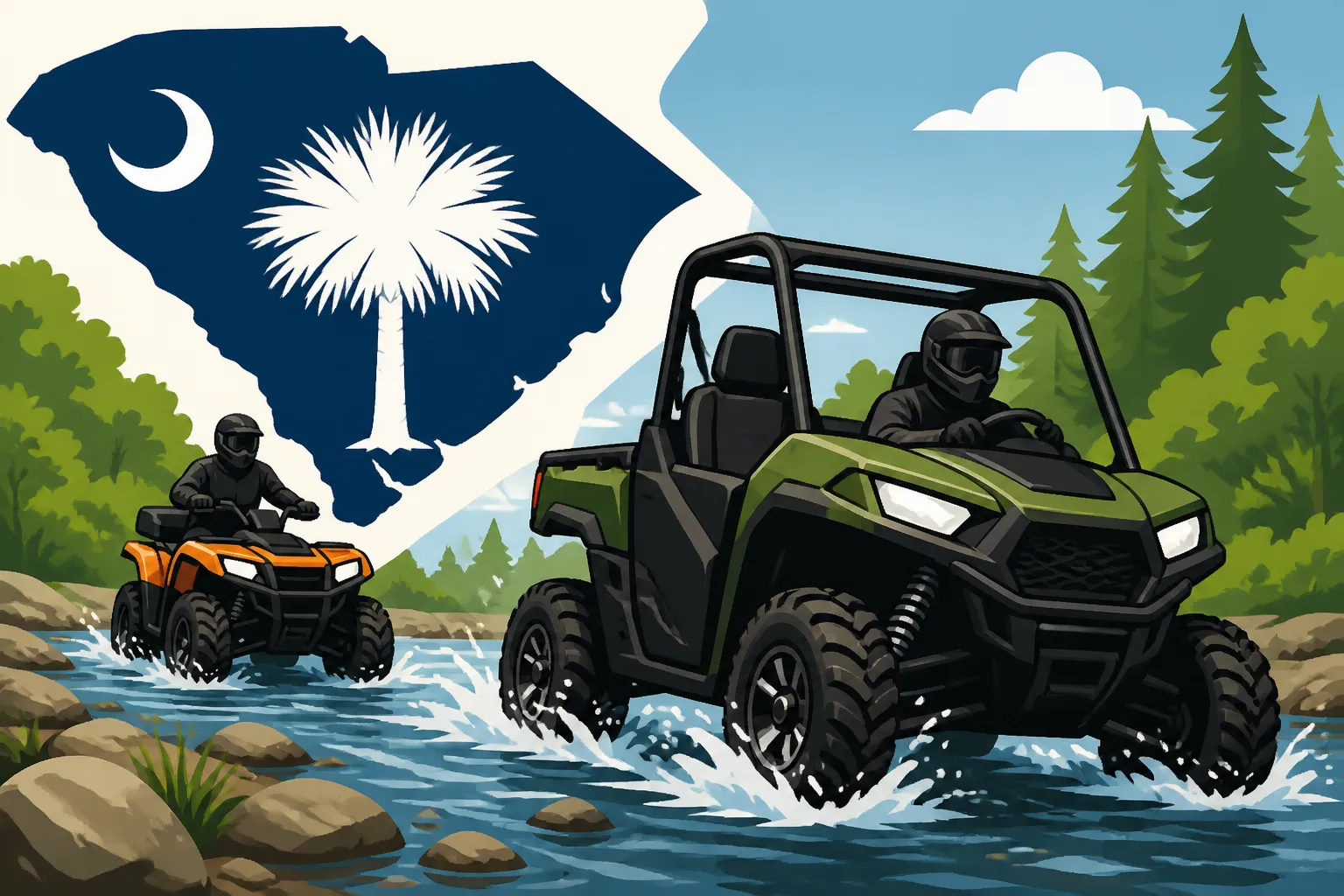
Perhaps the most significant rule for creek crossings in South Carolina is that [Creek Crossings Allowed Only at a Ford]. This isn't just a suggestion; it's a legal requirement. A "ford" refers to a shallow place in a river or stream where it's possible to cross by wading or driving. The key here is "marked." This means you can't just pick any shallow spot you find and drive across. If you're on public land, like a National Forest trail, these designated crossing points will typically be clearly marked with signage or obvious trail infrastructure.
The purpose of the marked ford rule is multi-faceted. First, it funnels traffic through specific, hardened crossing points designed to withstand the impact of vehicles, thus minimizing erosion and damage to the streambed and banks. If everyone chose their own crossing point, the cumulative damage would be immense. Second, these marked fords are usually selected for safety, considering factors like water depth, current, and the stability of the streambed. Riding through an unmarked section of a creek can easily lead to getting stuck, damaging your machine, or even injury if you encounter unexpected deep spots or hidden obstacles.
For riders, this means exercising caution and observation. If you encounter a waterway that looks crossable but isn't clearly marked as a ford, it's safest to assume it's not a legal crossing point. Turning back or finding an alternative route might be inconvenient, but it’s always better than risking a citation or environmental harm. Always look for those official signs and designated paths when crossing water.
What Constitutes a Navigable Waterway?
The term "navigable waterway" often comes up in legal discussions about water access, and it can be a bit confusing for ATV and UTV riders. Generally, a navigable waterway is one that is used or is susceptible of being used, in its ordinary condition, as a highway for commerce, over which trade and travel are or may be conducted in the customary modes of trade and travel on water. While this sounds like it applies more to boats than ATVs, the implications for off-road vehicles are significant, especially concerning stream bank damage and pollution.
For ATV and UTV purposes, even if you’re crossing a small creek that no boat could ever navigate, the principle of protecting water quality and streambed integrity still applies. South Carolina's laws extend beyond just the massive rivers; they cover virtually any watercourse that could be impacted by vehicle operation. The focus shifts from the navigability by large vessels to the ecological sensitivity of all waterways.
In practical terms, assume any natural flowing water—from a tiny trickle to a wide river—is covered by these regulations. Your responsibilities as a rider include understanding that driving in the streambed itself, except at a marked ford, is generally prohibited. This is where [South Carolina Watercourse Crossing Rules] become especially important, because they're designed to protect the very nature of these waterways, whether they're commercially navigable or not. It's about preserving the delicate balance of aquatic ecosystems and the purity of our water resources for future generations.
Essential Strategies for Safe and Responsible Creek Crossings
Even when you find a legal, marked ford, crossing water with your ATV or UTV isn't something to take lightly. There are crucial steps you need to take before, during, and after the crossing to ensure both your safety and the longevity of your machine. A little preparation and a lot of common sense go a long way in avoiding a costly mistake or, worse, an accident. This isn’t just about following rules; it’s about good riding practices.
Pre-Ride Inspection and Machine Preparation
Before you even think about entering a water crossing, a thorough inspection of your machine is non-negotiable. Start by checking your tires for proper inflation and any damage. Good traction is vital in slippery, uneven streambeds. Next, assess your vehicle's vulnerabilities to water. Are all your electrical connections secure and sealed? Is your air intake high enough to avoid sucking in water, which can be catastrophic for an engine? Some riders even invest in aftermarket accessories like snorkels from companies like SuperATV to raise their air intake and vent lines, providing extra protection against hydrostatic lock when encountering deeper water.
It's also a good idea to ensure all drain plugs are properly seated and that your diff breather hoses are routed to a high point on your machine. Water ingress into differentials and transmissions can lead to expensive repairs down the line. If you're running any custom lighting or winch systems, make sure they are waterproofed as much as possible. A quick check of your fluid levels – oil, coolant, brake fluid – is also wise, as a leak could not only leave you stranded but also pollute the waterway. Think about what your machine might encounter and how it will react. If you have [Skid Plates for Upstate Rock], they’ll certainly help protect your undercarriage from hidden rocks in the streambed.
Finally, consider what recovery gear you might need. A winch is invaluable for getting unstuck, but ensure it's in good working order and that you have appropriate anchor points and straps. Even if you're riding with a group, having your own recovery gear is always a smart move. Being prepared means you're not just ready for the crossing itself, but for any unforeseen challenges it might present.
Assessing the Crossing Safely
Approaching a creek crossing requires patience and a keen eye. Never charge blindly into water, no matter how shallow it looks. Stop your machine and take the time to assess the crossing thoroughly. Walk the crossing if possible and safe to do so. This allows you to feel the depth, identify any hidden rocks, drop-offs, or soft spots in the streambed. Look for debris like submerged logs or branches that could snag your tires or damage your undercarriage.
Pay close attention to the water's current. Even seemingly shallow water can have a strong enough current to sweep a lighter ATV downstream. Observe the entry and exit points. Are they clear, stable, and free of obstacles? Steep, muddy banks can be incredibly challenging and dangerous, especially when wet. If the water is muddy or murky, making it impossible to see the bottom, extreme caution is warranted. In such cases, if you can’t walk it, consider if it’s truly worth the risk.
Another factor is the weather and recent rainfall. A creek that was a mere trickle last week could be a raging torrent after heavy rains, making it unsafe to cross. Always be mindful of changing conditions. Your safety, and the integrity of the environment, depend on making an informed decision. Remember, if in doubt, don't go. There’s no shame in turning back if a crossing feels too risky.
Crossing Techniques for ATVs and UTVs
Once you've decided a crossing is safe, proper technique is key. For ATVs, enter the water slowly and steadily. Maintain a constant, low-to-moderate speed, creating a "bow wave" in front of your machine. This wave helps push water away from the engine, preventing water from getting into critical components. Keep your feet on the footpegs and maintain good balance. Avoid sudden turns or abrupt stops, which can cause water to wash over your machine or you to lose control.
For UTVs, the principles are similar but with some differences due to their larger size and weight. Enter slowly and maintain a steady pace. Be aware of your vehicle's width and wheelbase, especially if the ford is narrow or has tight turns. The bow wave technique is just as important for UTVs. Ensure all passengers keep their hands and feet inside the vehicle and are properly belted. If your UTV is equipped with a winch, having the line prepped and ready for deployment can save valuable time if you do get stuck. Products like heavy-duty winches or full skid plate kits from SuperATV can give you an edge in these situations, offering better protection and recovery capabilities.
After successfully completing the crossing, pause to check your machine. Are there any new noises? Is anything dragging? You'll want to immediately check your brakes, as they may be wet and less effective. Pump them gently to help dry them out. Later, after your ride, it’s critical to perform maintenance like checking your differential and transmission fluids for water contamination, especially if you had a deep crossing. Water in these systems can lead to rust and severe damage. Don't forget that [Oil Changes After a Carolina Creek Crossing] are often a good idea, particularly if you suspect any water intrusion.
Environmental and Ethical Considerations
Beyond the legalities and practicalities, every rider has an ethical responsibility to protect the natural beauty of South Carolina. Our actions, even seemingly small ones like crossing a creek, can have significant impacts on the environment. Understanding these impacts helps foster a culture of responsible riding that preserves trails and natural resources for everyone to enjoy for years to come.
Minimizing Streambed Disturbance
One of the primary concerns with off-road vehicle use in and around waterways is streambed disturbance. Driving through a creek, even at a marked ford, can kick up sediment. Repeated crossings, especially if not at designated points, can churn the streambed, dislodging rocks and compacting the substrate. This seemingly minor action has cascading effects. The stirred-up sediment can cloud the water, reducing light penetration for aquatic plants and clogging the gills of fish and other aquatic organisms. It can also smother fish eggs and destroy the habitats of macroinvertebrates, which are crucial food sources for fish.
The "marked ford" rule is specifically designed to mitigate this. By concentrating crossings at pre-selected, often hardened points, the overall impact on the wider streambed is minimized. These locations are chosen because they are more resilient to the stresses of vehicle traffic. When you stick to these designated areas, you are actively participating in the preservation of the waterway's ecological health. Going off-course, even a few feet, can create new areas of disturbance that might not recover easily.
Furthermore, minimizing disturbance also means avoiding unnecessary idling or aggressive maneuvers in the water. The less time your tires are spinning or churning the streambed, the better. Consider the long-term health of the ecosystem; every responsible action contributes to a healthier environment and helps ensure that these riding areas remain open and accessible.
Preventing Pollution and Erosion
Water crossings pose significant risks for pollution. ATVs and UTVs carry various fluids—fuel, oil, coolant, hydraulic fluid—all of which are toxic to aquatic life and can contaminate water sources. A small leak, an accidental spill, or even a submerged engine can release these harmful substances directly into the water. This is why thorough pre-ride checks are so critical, ensuring your machine is in good working order and free of leaks before entering any water. The impact of even a small amount of oil can spread far downstream, affecting multiple habitats and potentially human water supplies.
Erosion is another major concern. Driving on creek banks or steep entry/exit points that are not reinforced can quickly degrade the soil, especially in soft, sandy, or clay-rich areas common in South Carolina. Once the protective vegetation is stripped away and the soil loosened, it becomes much more susceptible to being washed away by rain or the current. This leads to increased sediment load in the water, which, as mentioned, harms aquatic life. It also destabilizes the banks, creating wider, shallower stream channels over time, which further impacts the ecosystem.
Responsible riding means being acutely aware of these risks. Avoid riding on saturated, unstable banks, and stick to the center of designated fords where the banks are typically more robust. If you notice your machine leaking fluids, immediately pull over, shut off the engine, and assess the situation away from the water. Always strive to leave the environment as clean, if not cleaner, than you found it. This conscious effort helps protect our precious natural resources from preventable harm.
Impact on Aquatic Life and Water Quality
The cumulative impact of irresponsible creek crossings can be devastating for aquatic life and overall water quality. Fish, insects, amphibians, and other creatures depend on clear, clean water, stable streambeds, and intact riparian habitats. Excessive sediment from disturbed streambeds can reduce oxygen levels, prevent fish from finding food, and damage their delicate gills. Chemical pollutants, even in trace amounts, can cause reproductive issues, deformities, or death in aquatic organisms.
Beyond the direct harm, continuous disturbance can alter the natural flow of a creek, change water temperatures by exposing it to more sunlight, and destroy the vegetation that provides shade, food, and shelter for wildlife. These changes can ripple through the entire food web, impacting not just the aquatic ecosystem but also birds and other animals that depend on healthy waterways. South Carolina has many unique species that call these waterways home, and it's up to us to protect them.
Riding responsibly ensures that we maintain the biodiversity and ecological health of South Carolina's waterways. This commitment extends beyond simply avoiding fines; it's about being a steward of the land and water. By sticking to marked fords, keeping machines well-maintained, and being mindful of our impact, we contribute to healthier ecosystems that benefit everyone—wildlife, fellow recreationists, and communities that rely on clean water. Your choices on the trail have a real, tangible impact.
Penalties and Enforcement for Watercourse Violations
It’s easy to think of rules as just suggestions, but when it comes to South Carolina’s ATV and UTV laws, especially those protecting waterways, there are real consequences for violations. Law enforcement takes these regulations seriously because the stakes—environmental protection and rider safety—are high. Understanding the potential repercussions can help reinforce the importance of riding legally and responsibly.
Fines and Legal Consequences
Operating an ATV or UTV in a prohibited manner within a watercourse, or causing damage to a streambed or banks, can lead to significant fines. Under [South Carolina Fines of $50 to $200], violations of [Chandler's Law and South Carolina ATV Rules] can result in monetary penalties. While a fine of fifty or two hundred dollars might not sound like a fortune, it's just the starting point. Depending on the severity of the damage, the specific location, and whether it's a repeat offense, the costs can quickly escalate.
Beyond the immediate fine, there might be additional court costs or administrative fees that pile on. A conviction can also go on your record, which might have unforeseen implications down the line. It's not just about the cash out of your pocket; it's about the hassle of dealing with the legal system, potentially missing work, and the stress that comes with it. Officers from the Department of Natural Resources (DNR) or local law enforcement agencies frequently patrol popular riding areas, and they are well-versed in these specific regulations.
The legal framework is in place to deter harmful practices. These aren't just arbitrary rules; they are designed to protect our shared natural resources. When you consider the environmental damage that can occur, a fine serves as a clear message that such actions will not be tolerated. Always prioritize adherence to the law to avoid these unnecessary financial and legal burdens.
Impoundment and Machine Seizure
In more severe cases, especially for repeat offenders or instances of egregious environmental damage, law enforcement has the authority to impound or even seize your ATV or UTV. Imagine having your prized machine towed away, leaving you stranded, and then facing a lengthy, expensive process to retrieve it—if you can retrieve it at all. The cost of impoundment fees, storage, and potential legal battles to get your vehicle back can far exceed any initial fine.
The threat of seizure is a powerful deterrent, and it highlights just how seriously South Carolina takes the protection of its waterways. If your operation of an off-road vehicle is deemed to be significantly damaging to the environment or if you are found to be deliberately ignoring warnings and regulations, losing your machine becomes a very real possibility. This isn't just about a slap on the wrist; it's about ensuring compliance through significant consequence.
This particular penalty is a stark reminder that riding is a privilege, not an absolute right. When that privilege is abused, especially in ways that harm public lands and resources, the state can and will act to prevent further damage. The best way to avoid this nightmare scenario is to know the rules, respect the environment, and always ride within the legal boundaries.
The Broader Implications of Violations
The repercussions of violating creek crossing rules extend far beyond individual fines and impoundments. Every incident of irresponsible riding, particularly those involving environmental damage, contributes to a negative perception of the entire off-road riding community. This can lead to public outcry, increased restrictions, and even the closure of popular trails and riding areas. When a few individuals act irresponsibly, everyone else who rides legally and ethically pays the price.
Local communities and environmental groups are often vocal about protecting natural resources. Incidents of pollution or erosion from ATVs and UTVs can quickly mobilize these groups, leading to political pressure for stricter laws or even bans on off-road vehicle access to certain areas. This is a very real concern for riders who cherish the ability to explore South Carolina's diverse landscapes. If access is lost, it's incredibly difficult to get it back.
Therefore, every rider has a role to play in protecting the future of off-road recreation. By being a responsible steward of the land, adhering to regulations like [South Carolina Watercourse Crossing Rules], and practicing proper [South Carolina Trail Etiquette Locals Expect], you contribute to a positive image of the sport. This collective responsibility helps ensure that trails remain open, the environment stays healthy, and future generations can continue to enjoy the thrill of riding in the beautiful Palmetto State.
Creek Crossing Do's and Don'ts
To help you remember the essentials, here's a quick rundown of what you should and shouldn't do when encountering a creek on your South Carolina ride.
| Action Point | Do | Don't |
|---|---|---|
| Preparation | Inspect your machine for leaks, secure electricals, check tire pressure. Consider [Snorkels for a Carolina Creek] and skid plates. | Rush into a crossing without checking your machine. |
| Assessment | Stop, observe water depth, current, and streambed conditions. Walk it if safe and visibility is low. | Charge blindly into murky water or assume it's safe without assessment. |
| Legality | Only cross at clearly marked fords on public lands. | Create your own crossing path or drive through unmarked sections of a creek. |
| Technique | Maintain a steady, controlled speed, creating a bow wave. Keep feet on pegs for ATVs, belted for UTVs. | Make sudden turns, accelerate abruptly, or attempt to power through. |
| Environmental Care | Minimize disturbance to the streambed and banks. Prevent fluid leaks. | Spin tires excessively, ride on unstable banks, or allow pollutants to enter the water. |
| Post-Crossing | Check brakes immediately. Later, inspect fluids for water contamination. | Forget to check your machine after the crossing, potentially leading to long-term damage. |
| Gear | Carry appropriate recovery gear like a winch (many great options from SuperATV). | Rely solely on others for recovery or lack basic tools for minor issues. |
Disclaimer
This article is for general informational purposes only and does not constitute professional advice. Laws, prices and regulations vary by location and change over time. Consult a qualified professional for guidance on your specific situation.