No Passenger Eight or Younger
Navigating the specific rules for street-legal UTVs in South Carolina can feel like a maze, especially when you're trying to figure out who can actually ride along with you. It’s not just about getting your machine plated; there are distinct regulations regarding passengers, and overlooking them could lead to unexpected fines or, worse, safety risks. This guide will thoroughly break down South Carolina's rules for carrying passengers in a street-legal UTV, focusing on age restrictions and crucial safety measures so you can enjoy the Lowcountry roads with peace of mind.
Understanding South Carolina's Street-Legal UTV Passenger Rules
For years, many UTV owners in South Carolina have yearned for the ability to legally take their machines from the trail to secondary roads. With the recent changes in law, that dream is now a reality for many, but it comes with a very specific set of responsibilities, particularly concerning who can sit in the passenger seat. You can’t just load up the whole family without understanding the nuances of the law.
The "No Passenger Eight or Younger" Rule
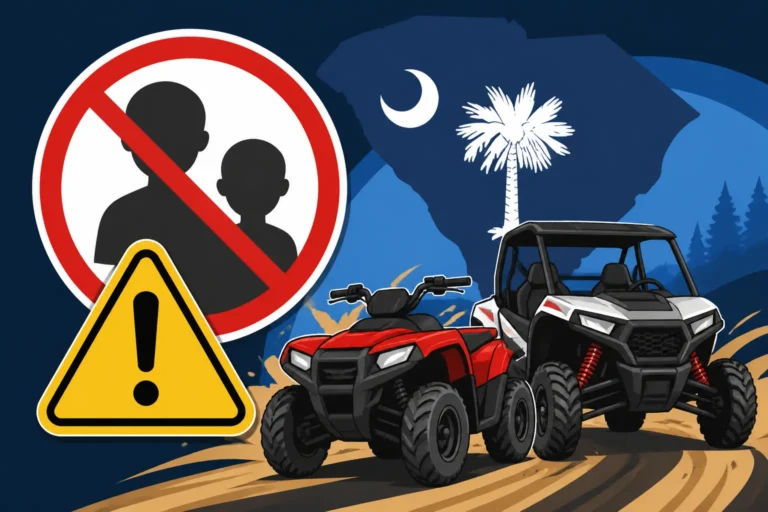
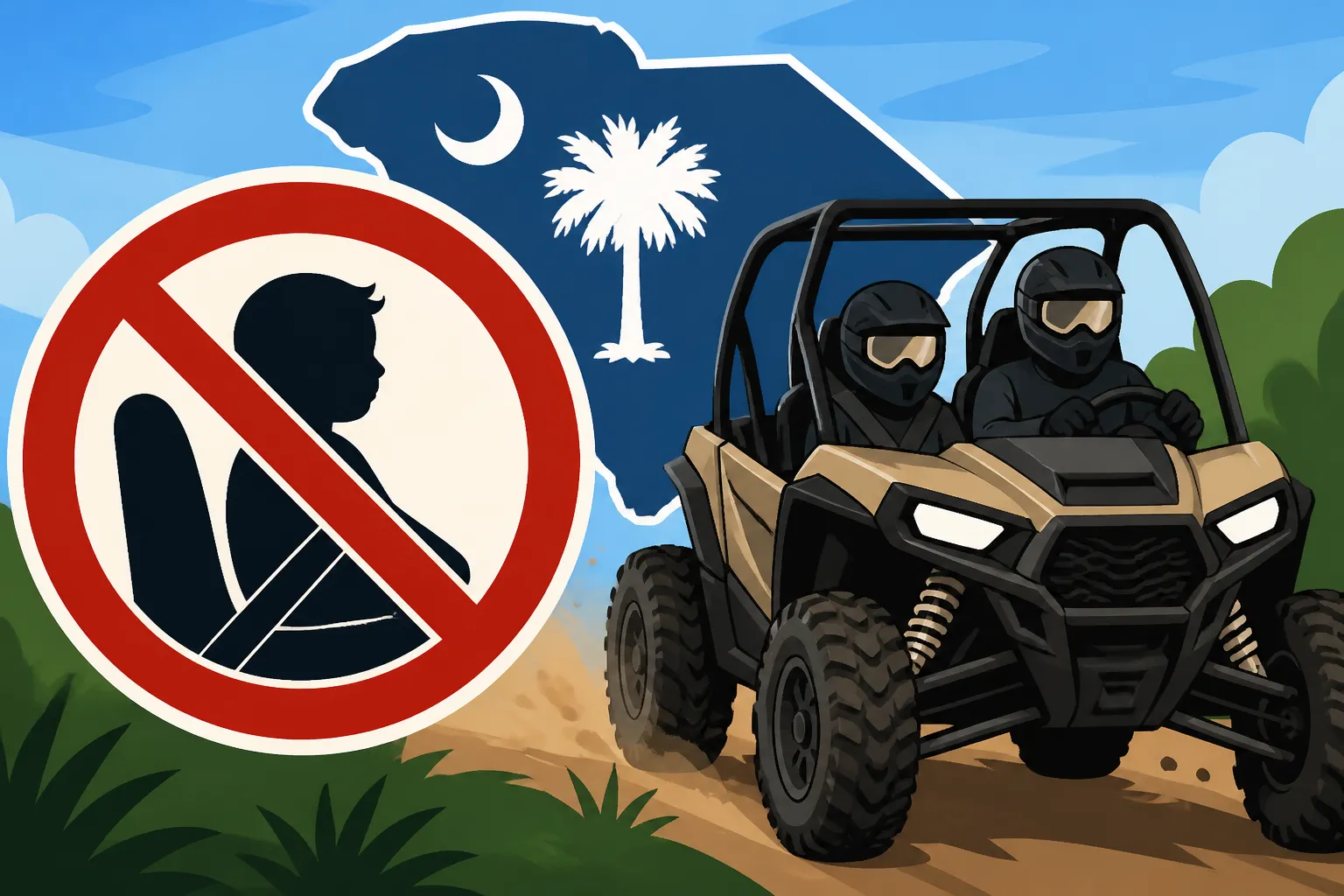
Let's cut right to the chase with one of the most important rules you need to know about carrying passengers in your street-legal UTV in South Carolina: no passenger eight or younger. This isn't just a suggestion; it's a hard-and-fast rule designed to protect the most vulnerable occupants. When you're driving a street-legal UTV on public roads, you're operating a vehicle that, while built for utility and adventure, doesn't always have the same passive safety features as a typical car.
Imagine you're heading out for a quick run to the local hardware store or perhaps a casual drive down a scenic country road, and your eager seven-year-old wants to come along. As much as you might want their company, the law is clear: they cannot be a passenger in your street-legal UTV. This rule exists for a very good reason. Younger children often lack the physical size and development to properly utilize standard seatbelts and restraints in a UTV, which are designed for larger bodies. In the event of a sudden stop, swerve, or even a minor fender-bender, a child under eight might not be adequately protected, even if they are belted in. Their skeletal structure is still developing, making them more susceptible to serious injuries. The state has decided that the risks outweigh the benefits for this age group when operating on public roads. This applies whether you're cruising through Myrtle Beach or navigating the backroads near Greenville; the rule is statewide. You need to remember this guideline as part of [South Carolina Rules for a Child Passenger].
Age and Licensing for Street-Legal UTV Drivers
While this guide focuses on passengers, the driver's age and licensing status are inextricably linked to passenger safety. South Carolina has specific requirements for who can legally operate one of these machines on public roads. Generally, to drive a street-legal UTV, you need to be at least 17 years old and possess a valid driver's license. This isn't like driving an off-road ATV on private land where age restrictions might be different or more lenient. On public roads, a street-legal UTV is treated much like any other motor vehicle when it comes to operator requirements.
This minimum age and license requirement for drivers naturally contributes to the overall safety of all occupants, including passengers. An experienced and licensed driver is expected to have a better understanding of road rules, traffic conditions, and the specific handling characteristics of their UTV. They are more likely to make sound judgments that prevent accidents, thereby protecting themselves and their passengers. It's about ensuring a certain level of maturity and driving proficiency behind the wheel. If you’re curious about who can actually get behind the wheel, be sure to look up [South Carolina Street UTV Age of 17] and [South Carolina Street UTV License Requirements].
Broader Rules for South Carolina Street-Legal UTVs
Beyond just who can ride, understanding the bigger picture of street-legal UTV regulations in South Carolina is crucial for safe and compliant operation. Getting your UTV deemed "street legal" isn't just a rubber stamp; it involves specific modifications and adherence to certain standards. These regulations aren't arbitrary; they exist to ensure your UTV can safely share the road with other vehicles, which in turn protects everyone, including your passengers.
Equipment Requirements for Street Legality
Converting your off-road UTV into a street-legal machine means equipping it with specific features that meet state standards. These aren't optional upgrades; they are mandatory for compliance and, more importantly, for safety. You'll need working headlights, taillights, brake lights, and turn signals – just like any other car. A horn is also required, as are rearview mirrors (both a driver's side mirror and an interior mirror or a passenger side mirror). Windshield wipers are a must if your UTV has a windshield. And, of course, seatbelts for all designated seating positions are non-negotiable. Many owners turn to aftermarket providers like SuperATV for these conversion kits, ensuring they meet all the necessary specifications. They offer robust kits that can help transform your UTV from a trail beast to a road-ready machine, always keeping safety and legality in mind.
These equipment requirements directly impact passenger safety. Properly functioning lights ensure your UTV is visible to other drivers, especially at dawn, dusk, or in inclement weather. Seatbelts, when used correctly, are critical for restraining occupants in the event of a collision or sudden maneuver. Imagine a scenario where you have a 10-year-old passenger, legally allowed to ride, but your brake lights aren't working. That puts them, and everyone else on the road, at a significant and unnecessary risk. For a detailed breakdown, you’ll want to review [South Carolina Street UTV Requirements Explained] and [South Carolina Street UTV Machine Specs].
Road Restrictions and Speed Limits
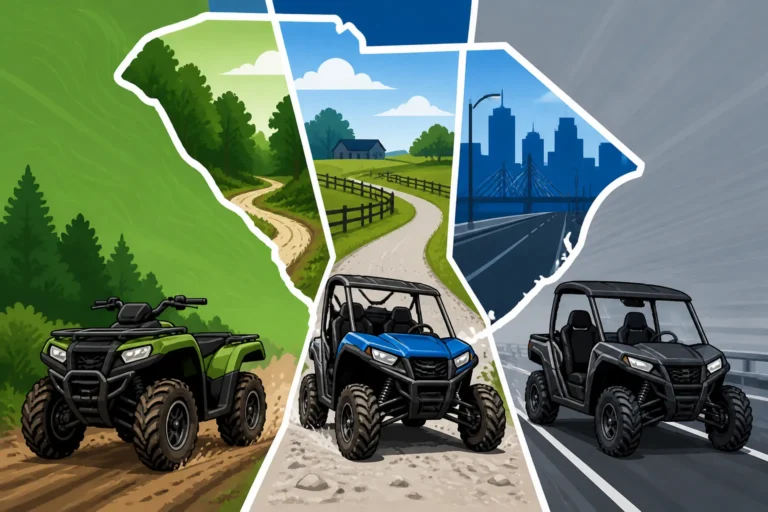
Just because your UTV is street-legal doesn't mean you can drive it anywhere or at any speed. South Carolina law specifies where these machines can operate. Generally, street-legal UTVs are permitted on secondary roads with a posted speed limit of 55 mph or less. They are explicitly prohibited from interstate highways and other primary highways where speeds exceed 55 mph. This restriction is primarily due to the inherent design and performance characteristics of UTVs; they are not built for sustained high-speed travel and may not offer the same level of protection as a traditional vehicle in high-speed collisions.
The speed limits and road restrictions are another layer of protection for you and your passengers. Keeping UTVs off high-speed roads reduces the risk of serious accidents. These machines are perfectly suited for cruising through small towns, accessing rural properties, or enjoying scenic routes, but they are not highway cruisers. Sticking to the designated roads and obeying posted speed limits, especially [South Carolina Street UTV Road Speed Limits], significantly contributes to a safer riding experience for everyone on board, especially those younger passengers who might be less aware of traffic dangers. Remember, the goal of these laws is to integrate UTVs safely into the existing road infrastructure without compromising the safety of the public or the occupants of the UTV itself.
Practical Advice for Riding with Passengers in South Carolina
Once you’ve got your UTV legally equipped and you understand the age restrictions for passengers, it’s time to think about the practicalities of making every ride as safe and enjoyable as possible. The law provides a baseline, but common sense and best practices go a long way in protecting yourself and those riding with you.
Safety Gear and Best Practices
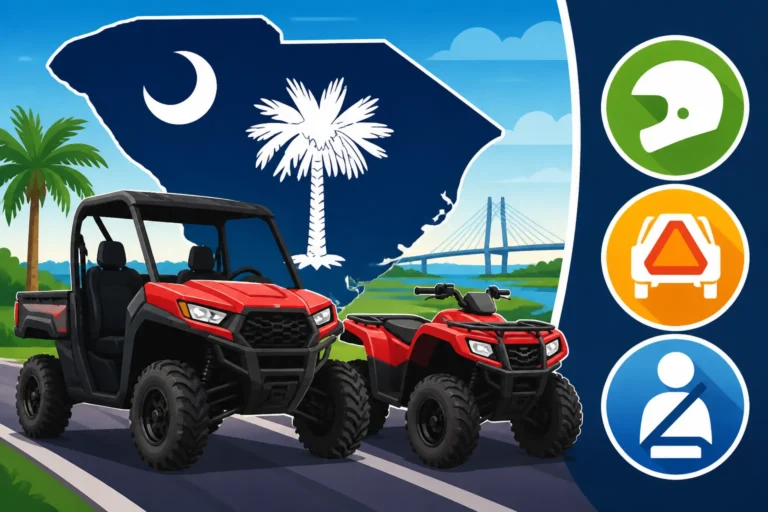
While South Carolina law outlines specific requirements for street-legal UTVs and passengers, going above and beyond the minimum is always a smart move. For instance, while helmets are generally required for street-legal UTV drivers and passengers under the age of 21, it's a wise practice for everyone, regardless of age, to wear one. A good, DOT-approved helmet can be the difference between a minor bump and a serious injury in an unexpected incident. Furthermore, all occupants should always wear their seatbelts, even for short trips. Make sure everyone knows how to properly secure their belts and that they fit snugly.
Consider the terrain you'll be covering and the speed you'll be traveling. Even on secondary roads, unexpected potholes or loose gravel can cause a jolt. Aftermarket accessories, like those from SuperATV, can enhance your UTV's safety, from stronger cages to more robust doors, adding an extra layer of protection for you and your passengers. It’s also a good idea to ensure all passengers keep their hands and feet inside the vehicle at all times, especially when moving. Explain these simple rules to any children riding with you before you even start the engine. When the rules around passengers changed, the state was focused on safety, so you should be too. You can learn more about specific requirements under [South Carolina Street UTV Helmet Rules Under 21] and [South Carolina Street UTV Passenger Age Limits].
What to Carry and Expect on the Road
When you’re out and about with your street-legal UTV and passengers, you should be prepared for potential interactions with law enforcement. Always carry your valid driver's license, proof of registration, and [South Carolina Insurance Proof at Registration]. Unlike off-road ATVs, street-legal UTVs are required to have liability insurance, similar to cars. A law enforcement officer may pull you over to verify your compliance with all regulations, especially in the early days of this new law.
Be ready to explain that your UTV is indeed street-legal and meets all the necessary equipment requirements. They may also inquire about the age of your passengers to ensure you're adhering to the "no passenger eight or younger" rule. Keeping your vehicle well-maintained, with all lights, signals, and safety equipment in working order, will help ensure a smooth experience. It's all part of the responsibility that comes with enjoying your UTV on South Carolina's public roads. Being prepared and informed makes the experience better for everyone involved. For details on what insurance you need, check out [What Insurance South Carolina's New UTV Law Requires].
South Carolina Street-Legal UTV Passenger Age Rules
Here's a quick overview of the key age-related rules for passengers in street-legal UTVs in South Carolina:
| Rule Category | Requirement | Notes |
|---|---|---|
| Minimum Passenger Age | No passenger eight (8) years old or younger. | This is a strict statewide rule for street-legal UTVs operating on public roads. It's in place due to safety concerns regarding the size and development of young children in UTV restraints. This rule specifically mentions No Passenger Eight or Younger. |
| Driver's Age | Driver must be at least 17 years old. | The driver of a street-legal UTV on public roads must possess a valid South Carolina driver's license, excluding beginner's permits. This is outlined in [South Carolina Street UTV Age of 17] and [South Carolina Street UTV License Requirements]. |
| Helmet Requirements | All occupants under 21 years of age must wear a DOT-approved helmet. | While the "no passenger eight or younger" rule already addresses very young children, any passenger from 9 to 20 years old, as well as the driver if under 21, must wear a helmet. Adults 21 and older are not legally required to wear a helmet, but it is always recommended for safety. Refer to [South Carolina Street UTV Helmet Rules Under 21] for more specifics. |
| Seatbelts | All occupants must be properly secured by a seatbelt. | Every designated seating position must have a functional seatbelt, and all occupants must use them. This is a fundamental safety requirement for street-legal operation, reinforcing the importance of proper restraint for all, including passengers of all legal ages. |
This table is intended to simplify the core rules around age for passengers in your street-legal UTV. Always ensure you consult the most current South Carolina Department of Motor Vehicles (SCDMV) guidelines or consult with a qualified professional for precise, up-to-date information.
Disclaimer
This article is for general informational purposes only and does not constitute professional advice. Laws, prices and regulations vary by location and change over time. Consult a qualified professional for guidance on your specific situation.