South Carolina Noise Complaints About Quads
There’s nothing quite like hitting the trails or enjoying your property on your ATV or UTV in South Carolina, but let's be real, the joy can quickly turn to frustration when those dreaded noise complaints start rolling in. Whether it's a neighbor who's had enough, a local official with a fresh complaint, or even another trail user who thinks you're being too loud, dealing with noise issues can be a real headache and threaten your ability to enjoy your machine. This guide aims to walk you through why noise complaints happen, what South Carolina law has to say about them, and most importantly, how you can proactively manage your machine's sound and your riding habits to keep the peace and stay out of trouble.
Understanding the Source of Noise Complaints in South Carolina
It’s easy to think, "My machine isn't that loud!" but what sounds fine to you, especially when you're geared up and focused on the ride, might be a genuine disturbance to someone else. Understanding where the noise comes from and why it bothers people is the first step to becoming a more considerate and complaint-free rider.
Common Causes of ATV/UTV Noise
Noise from off-road vehicles isn't just one thing; it's a symphony of mechanical sounds, some controllable, some less so.
One of the biggest culprits is the exhaust system. Many riders, myself included, have been tempted by the allure of aftermarket exhausts that promise more power and a "cooler" sound. While they might deliver on the sound, they often do so at the expense of decibel levels. Even if it's not a performance exhaust, a damaged or worn-out stock muffler can also become surprisingly loud over time. Think about loose baffles or a rusted-through pipe – those can generate some serious racket.
Beyond the exhaust, the engine itself contributes a significant amount of noise. The whirring of gears, the roar of the intake, and the general mechanical symphony of a powerful engine working hard are all part of the package. Some machines are simply designed to be louder, especially high-performance sport models or older, less refined utility machines. Then there are the tires. Aggressive knobby tires, while fantastic for traction on mud and dirt, can create a distinct, loud hum, especially when ridden on paved surfaces, even if only for a short distance between trails or properties.
Finally, your driving style plays a huge role. Blasting through an open field at wide-open throttle, doing donuts, or accelerating hard near residential areas will naturally create more noise than a gentle, controlled ride. It’s not just the machine; it’s how you operate it. A little common sense about when and where you push the throttle can make a world of difference.
Who Files Noise Complaints and Why
Noise complaints rarely come out of nowhere. They typically originate from individuals or groups who feel genuinely disturbed by the noise you're creating.
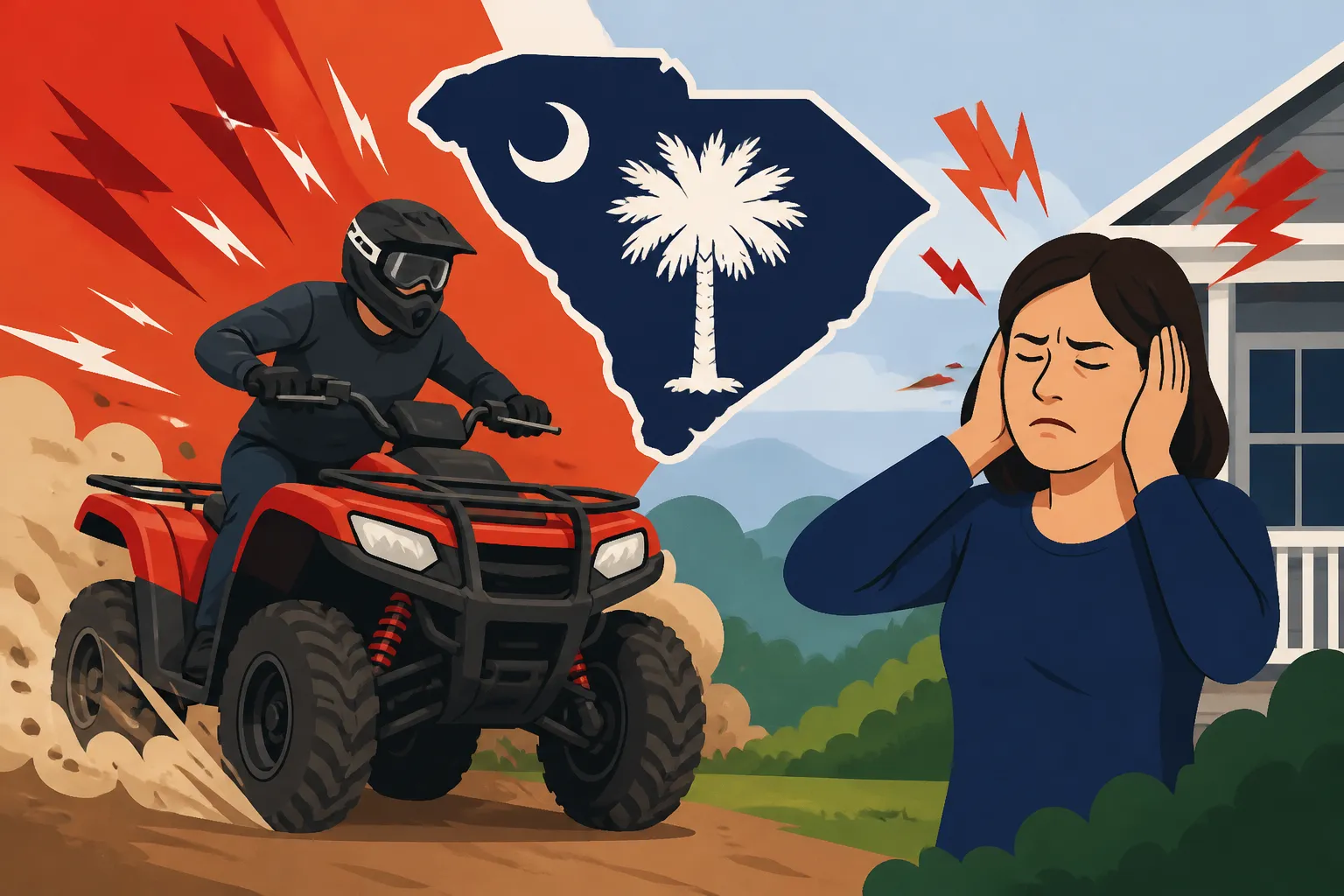
Most often, it's residential neighbors. Imagine living next to a large property where someone frequently rides. Even if it's private land, the sound travels. The constant drone or sudden bursts of engine noise can disrupt their peace, interrupt conversations, startle pets, or even wake sleeping children. They might value the quiet of their neighborhood more than your right to ride loudly. It’s a classic conflict of interests, and often, they'll reach out to local law enforcement or county officials first.
Landowners and other trail users are another source. If you're on a multi-use trail or a shared property, excessive noise can ruin the experience for hikers, horseback riders, or even other ATV riders seeking a quieter outing. Public lands, like national forests with designated OHV trails, often have their own rules regarding behavior, and being overly loud can be seen as disrespectful to the environment and other visitors. Sometimes, complaints stem from a belief that your riding is causing property damage or is simply inappropriate for the area, rather than just the volume itself.
Lastly, general peace disturbance is a broad category. This could be anything from riding late at night in a rural area where sounds carry for miles, to a group of riders being boisterous in a small town. People generally expect a certain level of quiet, especially in areas not specifically designated for loud activities. When that expectation is broken repeatedly, a complaint is usually not far behind. It’s important to remember that these complaints, while they might feel targeted, often come from a place of seeking peace in their own environment.
South Carolina's Legal Framework for ATV/UTV Noise
Navigating the legal landscape around ATV and UTV noise in South Carolina can feel a bit like sifting through sand – it’s not always crystal clear. Unlike some states that have specific decibel limits for off-road vehicles, South Carolina’s approach is often more generalized, focusing on nuisance laws and local ordinances.
State Laws and Ordinances Pertaining to Noise
The truth is, South Carolina's state laws don't typically lay out specific decibel limits or strict noise regulations specifically for off-road ATVs and UTVs in the same way they might for on-road vehicles. This can be frustrating because it means there isn't a clear "too loud" line you can easily reference. Instead, law enforcement often relies on broader public nuisance laws or local county and municipal ordinances.
A public nuisance, in simple terms, is anything that interferes with the public's right to the enjoyment of life or property. This is where ATV or UTV noise can become an issue, even if there's no decibel meter involved. If your riding repeatedly and significantly disrupts your neighbors' peace and quiet, especially at unreasonable hours, it could be deemed a nuisance. This is highly subjective and often depends on the officer's discretion or the specific details of the complaint.
Some cities and counties, however, might have their own specific noise ordinances that do include decibel limits or restrict loud noises during certain hours. These often apply to all motorized vehicles, or even just general loud disturbances. For instance, a small town might have an ordinance prohibiting loud engine noise between 10 PM and 7 AM. It's really up to you to check with your specific local government – your county sheriff's office or city hall – to understand any hyper-local rules that might apply where you ride. While [Chandler's Law and South Carolina ATV Rules] addresses important safety and operational guidelines for ATVs, it doesn't generally delve into specific noise emissions, focusing more on rider age, helmets, and where you can ride.
For street-legal UTVs, the situation becomes a bit different. As these vehicles are permitted on public roads under specific conditions (starting in November 2026), they will likely be subject to the same general traffic noise regulations as other road-going vehicles. However, even then, explicit decibel limits can be rare at the state level. The key is understanding that just because there isn't a specific "ATV noise law" doesn't mean you can't face legal consequences for being excessively loud.
Consequences of Noise Violations
So, what happens if your ATV or UTV noise leads to a complaint and an officer decides to take action? The consequences can range from a polite warning to more serious penalties, and it often depends on the severity, frequency, and local ordinances involved.
The most common immediate consequence is a fine. If an officer determines you've violated a local noise ordinance or a general nuisance law, you could be issued a citation. These fines can vary significantly, often falling within the range of [South Carolina Fines of $50 to $200] for initial offenses, but they can increase for repeat violations. It’s not just the monetary cost; there might be court costs associated with the citation, and it takes time out of your day to deal with it.
In more extreme or persistent cases, especially if you're riding on public land where rules are strictly enforced, or if you're a repeat offender, your machine could potentially be impounded. This is rare for a first-time noise complaint, but if an officer perceives deliberate disregard for rules or public safety, it's a possibility. Imagine the headache and expense of getting your quad or side-by-side back from an impound lot – that's a situation every rider wants to avoid.
Beyond direct legal penalties, you might face civil action. If a neighbor is consistently disturbed by your noise and local law enforcement isn't providing a satisfactory resolution, they could pursue a civil lawsuit against you for nuisance. This could lead to a judge ordering you to cease certain activities or even awarding damages to the plaintiffs. This kind of dispute can be costly, stressful, and severely damage community relationships.
Finally, there’s the impact of community backlash. Even without legal action, persistent noise complaints can sour your relationships with neighbors, lead to neighborhood petitions, or even result in stricter local ordinances being passed specifically to curb ATV/UTV noise. Nobody wants to be "that loud neighbor," and fostering good relationships with those around you is crucial for enjoying your off-road hobby long-term.
Practical Strategies for Reducing ATV/UTV Noise and Avoiding Complaints
Being a good steward of your property and a considerate neighbor is key to long-term enjoyment of your ATV or UTV in South Carolina. Thankfully, there are many practical steps you can take, both with your machine and your riding habits, to significantly reduce noise and proactively avoid complaints.
Machine Maintenance and Modifications
The easiest way to start addressing noise is often right there on your machine. Sometimes, a little preventative maintenance can go a long way.
First, check your exhaust system. If you've got an aftermarket exhaust, especially one designed purely for performance, it might be the primary source of your noise issues. While the throaty roar might be appealing to you, it's likely causing headaches for others. Consider switching back to a stock exhaust system, which is engineered to meet specific noise requirements. If your stock muffler is old, rusted, or has internal damage, replacing it can make a huge difference. You can also explore accessories like exhaust silencers or spark arrestors that feature noise-reducing baffles. These are often easy to install and can significantly muffle the sound without completely choking your engine. Many reputable accessory manufacturers, like SuperATV, offer various exhaust components and silencers designed to help manage sound without sacrificing too much performance.
Next, pay attention to engine maintenance. A well-tuned engine typically runs smoother and quieter than one struggling with old spark plugs, clogged air filters, or incorrect fuel mixture. Regular oil changes, valve adjustments (if applicable to your machine), and keeping your air filter clean can all contribute to a quieter running engine. Vibration can also be a source of noise; make sure all fairings, heat shields, and other components are securely fastened. Loose panels can rattle and add to the overall din.
Finally, consider your tires. Aggressive mud tires are loud on hard surfaces. If a significant portion of your riding involves transit on gravel roads or even short stretches of pavement (where permissible, like with a [South Carolina Golf Cart Permit Rules] machine), a less aggressive tread pattern could make a notable difference in noise. While you might not want to swap tires constantly, being aware of the noise they generate can help you adjust your riding choices.
Responsible Riding Practices
Beyond the machine itself, how you ride makes a tremendous impact on how your noise is perceived. This is often the quickest and most effective way to prevent complaints.
The most crucial rule of responsible riding is avoiding sensitive areas and being mindful of riding times. Blasting through an open field right next to a residential neighborhood, especially early in the morning or late in the evening, is almost guaranteed to elicit a complaint. Try to confine your loudest riding to designated trails or the deepest parts of your property, away from homes. Consider a "quiet time" for your property, perhaps limiting loud riding to mid-day hours when general activity levels are higher and people are less likely to be disturbed.
Speed control and throttle management are also vital. Wide-open throttle generates the most noise. Learn to ride smoothly, accelerating and decelerating gently, especially when you're within earshot of others. You don't always need to be at max RPM to have fun. Respecting speed limits, whether official or informal, on shared trails or private property will go a long way. Think about the implications of your actions. If you're using your machine for hunting, driving slowly and deliberately to your stand on private land will cause far less disturbance than speeding through a timber tract. [South Carolina Rules for a Farm Machine] can also mean considering neighbors when traveling across large agricultural properties.
Always, always ensure you have landowner permission if you're riding on property that isn't your own. This isn't just about trespass; it’s about respect. A landowner might have specific rules about riding hours or areas where they prefer you not make too much noise. Having that conversation beforehand can prevent a lot of headaches later.
Engaging with Your Community
Sometimes, the best offense is a good defense – being proactive and engaging with your community can prevent complaints before they even arise.
Proactive communication is incredibly powerful. If you've just bought a new machine or plan to do a lot of riding, a simple conversation with your direct neighbors can work wonders. Let them know you enjoy riding, ask them if there are specific times or days that would be particularly bad for them, and genuinely try to work around their schedule. Often, people are more understanding when they feel heard and respected. A friendly heads-up about when you might be riding can prevent annoyance from festering into anger.
Consider joining local ATV/UTV clubs. [South Carolina ATV Clubs Worth Joining] often have established relationships with landowners, local authorities, and designated riding areas. These clubs can be a great source of information on responsible riding practices, local ordinances, and even organized rides that minimize community impact. Being part of a club also demonstrates a commitment to responsible riding, which can reflect positively on all riders in the area.
Another idea is to educate others about responsible riding. If you see fellow riders being overly loud or disrespectful, a polite word from another rider can sometimes be more effective than a formal complaint. By promoting a culture of consideration within the riding community, we can collectively improve the public perception of ATVs and UTVs. Showing that riders care about their impact can help counter negative stereotypes. Remember, every time you ride, you're representing the entire riding community.
What to Do If You Receive a Noise Complaint
Even with the best intentions and all the proactive measures in the world, you might still find yourself on the receiving end of a noise complaint. It can be jarring, but how you react can make all the difference in the outcome.
Initial Steps and Documentation
When you first hear about a noise complaint, whether from a neighbor directly or via law enforcement, your immediate reaction might be defensive. However, it's crucial to stay calm. Getting agitated or confrontational will only escalate the situation and make it harder to resolve. Take a deep breath and commit to understanding the issue.
Your next step should be to understand the specific complaint. Was it a particular time of day? Was it the duration of the noise, or a specific type of noise (e.g., loud exhaust vs. engine revving)? Was it on a certain part of your property or a specific trail? The more details you can gather, the better equipped you'll be to address the root cause. If it's a neighbor, ask them directly, calmly and respectfully, for specifics. If it's law enforcement, they should be able to provide details about the nature of the complaint.
It's also incredibly helpful to document your setup and recent activities. Take photos or videos of your machine, especially the exhaust system, to show it's stock or has modifications intended to reduce noise, such as those from SuperATV. Keep records of when and where you've been riding, especially if you've been consciously trying to ride quietly or within specific hours. This documentation can serve as valuable evidence if the situation escalates or if there's a misunderstanding about your actions. For instance, if you've installed an aftermarket muffler that claims to be sound-compliant, keep the documentation from the manufacturer handy.
Communicating with Authorities and Complainants
Once you have a clear picture, the way you communicate is paramount.
If the complaint came from law enforcement, engage with them respectfully and cooperatively. Explain the steps you’ve already taken to be a responsible rider and your willingness to address any legitimate concerns. Ask for clarification on specific ordinances or laws that might apply. If they offer suggestions for reducing noise, listen carefully and consider implementing them. Remember, they are often just responding to a citizen complaint, and a cooperative attitude from you can go a long way in de-escalating the situation. Understanding your local [South Carolina Code Section 50-26-50] might be helpful if the discussion leans into the broader rules governing ATVs.
If the complaint originated from a neighbor, consider initiating a polite, non-confrontational conversation. Approach them with an open mind, not to argue, but to find a resolution. You might say something like, "I heard you've had some concerns about the noise from my ATV, and I really want to be a good neighbor. Can you tell me more about what's been bothering you so I can try to fix it?" Sometimes, just showing that you care and are willing to make adjustments can resolve the issue entirely. You might even discover that the complaint wasn't even about your machine, but someone else's, or that it was a one-off event.
In some situations, if direct communication proves difficult or confrontational, mediation might be an option. Community mediation services can help facilitate a discussion between you and the complainant, with a neutral third party guiding the conversation toward a mutually agreeable solution. This is usually preferable to legal battles and helps preserve neighborhood harmony.
Ultimately, know your rights, but also understand your responsibilities. While you have the right to enjoy your property and your machine, those rights are balanced against your neighbors' right to peace and quiet. A proactive, respectful, and cooperative approach is almost always the best strategy for resolving noise complaints in South Carolina.
Noise Complaint Management for ATV/UTV Riders
Here's a quick overview of common noise sources and actionable steps to mitigate them.
| Noise Source | Common Issues | Mitigation Strategies | Potential Impact |
|---|---|---|---|
| Exhaust System | Loud aftermarket pipes, damaged stock muffler | Install stock exhaust, add silencers/baffles (e.g., SuperATV options), replace worn muffler | Significant noise reduction, less aggressive sound |
| Engine Noise | Untuned engine, loose components, high RPMs | Regular maintenance, secure all panels, smooth throttle control | Smoother operation, reduced mechanical clatter |
| Tire Noise | Aggressive knobby tires on hard surfaces | Choose less aggressive tires for mixed terrain, avoid high speeds on pavement | Reduced hum/roar on hard surfaces, especially near homes |
| Driving Style | Hard acceleration, late-night riding, constant revving | Gentle throttle, ride during reasonable hours, avoid sensitive areas | Immediate reduction in perceived loudness, improved neighbor relations |
| Lack of Communication | Neighbors caught off guard by noise, misunderstandings | Proactive conversations with neighbors, join local clubs | Builds goodwill, prevents minor issues from escalating |
Disclaimer
This article is for general informational purposes only and does not constitute professional advice. Laws, prices and regulations vary by location and change over time. Consult a qualified professional for guidance on your specific situation.