4,000 Pounds at Most
Trying to figure out what it takes to get your UTV on the actual roads in South Carolina can feel like trying to solve a really tricky puzzle. There's a lot of chatter and confusion, especially when it comes to specific requirements like weight limits. This guide is here to cut through the noise, explaining exactly what you need to know about the 4,000-pound maximum weight, among other crucial specifications, to make your UTV street-legal in the Palmetto State.
Understanding South Carolina's Street-Legal UTV Requirements
For years, it felt like UTV owners in South Carolina were stuck in a gray area, left to ride only on private land or specific off-road trails. The idea of taking your side-by-side on the same roads as cars seemed like a pipe dream for most. But things have changed, and understanding the specific rules is key to unlocking a whole new world of riding. The state has finally provided a clear pathway for UTVs to become street legal, but it comes with a definitive set of requirements that aren't always immediately obvious.
The New Legislation and What It Means
Back in the day, if you wanted to ride anything other than a car or truck on a paved road, your options were pretty much limited to golf carts within a short radius of your home, or a traditional motorcycle. UTVs, despite their growing popularity for both recreation and utility, were largely confined to off-road environments. This left many owners frustrated, especially those who wanted to use their machines for practical purposes like running errands in a small town, or simply connecting trails without having to trailer their rig everywhere. The legislative changes that paved the way for street-legal UTVs were a huge relief for many in the off-road community, signaling a modern approach to vehicle classification. You can learn more about the specifics of these changes by looking into [South Carolina Street-Legal UTV Registration Arrives] and [South Carolina Act 164 and Street UTVs]. These acts really set the stage for what we're discussing today, outlining the new category and opening up possibilities that simply didn't exist before. It's a game-changer for how we think about using our UTVs across the state.
Key Machine Specifications for Road Use
When it comes to getting a license plate for your UTV in South Carolina, it's not just about slapping on some turn signals and calling it a day. The state has very specific criteria your machine must meet, and one of the most critical is its weight. Your UTV must have an unladen (empty) weight of 4,000 pounds at most. This is a hard limit, and it's something you need to be acutely aware of, especially if you're in the market for a new machine or are considering adding heavy accessories. Exceeding this weight, even slightly, could mean your UTV doesn't qualify for street registration, regardless of how many other modifications you've made. It's a foundational requirement that impacts everything else.
Beyond the weight, there are other physical dimensions and characteristics that are just as vital. Your UTV cannot exceed 80 inches in width. This prevents oversized rigs from being considered, ensuring they fit safely on standard road lanes. It also needs to be specifically designed for off-road use by the manufacturer, meaning it can't just be a modified golf cart or a similar vehicle. These specifications, detailed in [South Carolina Street UTV Machine Specs], ensure that only purpose-built UTVs that meet certain safety and practical standards are allowed on public roads. It's all about balancing the desire for expanded access with the need for public safety, making sure these machines are suitable for sharing the road with other vehicles.
Why the 4,000-Pound Limit Matters for Your UTV
The 4,000-pound unladen weight limit isn't just an arbitrary number; it's a critical threshold that can dictate whether your dream of driving your UTV to the local store becomes a reality or remains just a dream. Many UTVs, especially some of the larger, four-seat models or those heavily accessorized, can easily nudge up against or even exceed this limit. It’s not just about the factory weight, but every aftermarket addition you bolt on. This limit forces owners to be mindful of their machine's total mass, from the moment they buy it to every modification they make down the line.
Impact on Purchasing and Customizing
When you're shopping for a UTV with the intention of making it street legal in South Carolina, the 4,000-pound limit needs to be at the forefront of your mind. A lot of modern four-seater side-by-sides, especially the more powerful utility or recreation models, can come very close to this limit straight from the factory. If you then plan to add things like heavy-duty bumpers, a winch, a full cab enclosure, bigger tires, or extensive sound systems, you could inadvertently push your machine over the legal weight. This means you might have to choose a lighter base model, or be very selective with your accessories.
For those who love to customize, this can be a real challenge. You might have to make tough decisions between that super beefy bumper and a lighter alternative, or reconsider a full metal roof in favor of a soft top. Brands like SuperATV offer a wide range of accessories that can enhance performance and utility, but you'll need to pay close attention to the weight of each component. It requires a strategic approach to building your UTV, ensuring that every addition serves a purpose without tipping the scales past that crucial limit. Ignoring this can lead to a UTV that's perfectly capable off-road but completely ineligible for a street plate.
How to Verify Your UTV's Weight
So, how do you actually know if your UTV is under the 4,000-pound limit? The first place to check is your owner's manual or the manufacturer's specifications. Most manufacturers will list the "dry weight" or "curb weight" of the vehicle, which is a good starting point. However, remember that "unladen weight" typically includes all standard fluids (oil, coolant, a full tank of gas) but not passengers or cargo. Any factory-installed options that aren't standard may also add to this figure.
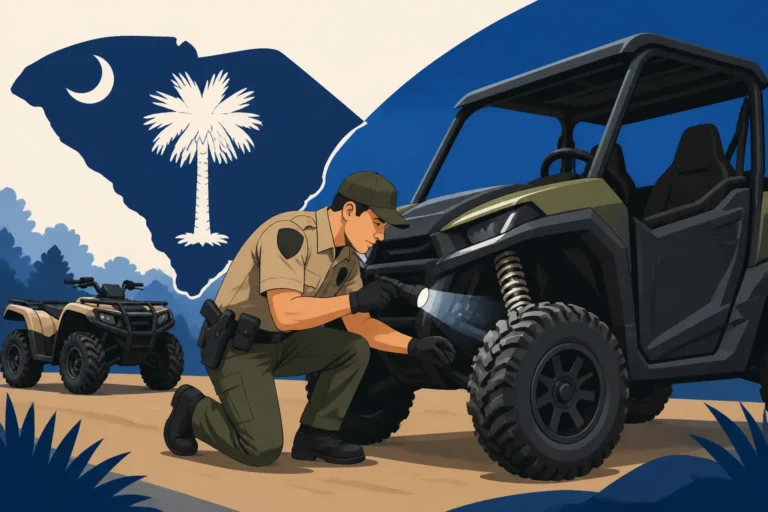
If you've added significant aftermarket accessories, relying solely on the factory spec might not be enough. The most accurate way to verify your UTV's current unladen weight is to take it to a certified weigh station. Many truck stops, landfills, or recycling centers have public scales available, often for a small fee. Ensure the UTV is empty of passengers, cargo, and any removable items you wouldn't consider part of its permanent structure. Getting an actual weight ticket provides indisputable proof that your machine meets the weight requirement, which can be invaluable during the registration process or if you ever have questions from law enforcement.
| Requirement Category | Specific Rule | Details & Impact |
|---|---|---|
| Weight Limit | 4,000 pounds max | Unladen weight (empty of passengers/cargo, full fluids). Affects model choice and accessory additions. |
| Width Limit | 80 inches max | Ensures safe fit on standard road lanes and prevents overly large vehicles. |
| Minimum Age | 17 years old | Driver must be at least 17 years old with a valid driver's license. |
| License Required | Valid Driver's License | No learner's permits or temporary licenses allowed. |
| Insurance | Liability Insurance | Mandatory minimum coverage, similar to other road vehicles. |
| Equipment | Headlights, Tail Lights, Brake Lights, Turn Signals, Mirrors, Horn, Windshield | All standard safety equipment required for road vehicles. |
| Seatbelts | Required for all occupants | Must be in good working order and worn. |
| Tires | DOT-approved | Must be street-legal tires, not just off-road knobbies. |
| Exhaust | Muffler required | Must prevent excessive or unusual noise. |
Navigating Registration and Road Use with a Street-Legal UTV
Once you're confident your UTV meets the physical specifications, including that crucial 4,000-pound weight limit, the next step is getting it officially registered and understanding the rules for road use. It's not as simple as just rolling up to the DMV with your UTV on a trailer. There's a specific process and several pieces of paperwork you'll need to have in order. This isn't just about adhering to regulations; it's about ensuring you're legally protected and can enjoy your machine without unnecessary hassle or fines.
The Registration Process and Required Paperwork
Getting your UTV registered for street use in South Carolina involves a visit to the DMV, but preparation is key. You'll need to have your ducks in a row before you go. First and foremost, you'll need proof of ownership, which usually means a Manufacturer's Certificate of Origin (MCO) for a new machine, or a properly assigned title if you bought it used. Without these, you'll hit a roadblock right away. Then, you'll need proof of identity, such as your driver's license, and proof of residency in South Carolina. For a comprehensive overview of the steps, check out [South Carolina Street UTV Registration Steps]. It outlines the sequence of actions you'll need to take to ensure a smooth process.
Another non-negotiable item is proof of insurance. Just like any other vehicle on the road, your street-legal UTV needs to carry a minimum amount of liability insurance. This isn't an optional extra; it's a legal requirement to protect you and others in case of an accident. You'll need to present valid proof of this coverage when you register your UTV. Make sure your insurance provider is aware that you plan to make the UTV street legal and that your policy reflects road use, not just off-road coverage. The DMV clerks will be checking for this diligently, so make sure you have your current insurance card or declaration page handy. For more details on what's required, take a look at [South Carolina Insurance Proof at Registration]. Having all your paperwork in order upfront will save you a lot of time and frustration at the DMV counter.
Where You Can (and Can't) Ride
Once your UTV is officially street-legal with a shiny new license plate, it's natural to want to hit every road you can. However, South Carolina's law comes with some important caveats about where these vehicles are permitted. Street-legal UTVs are generally allowed on secondary roads with a posted speed limit of 55 mph or less. This means you can cruise through many small towns, connect between trail systems, or use them for short trips around your community. This is a massive improvement from being restricted entirely to private land, offering a lot more flexibility for owners.
There are, however, strict limitations. You cannot operate a street-legal UTV on interstate highways, controlled-access highways, or any road with a posted speed limit higher than 55 mph. This is primarily for safety reasons, as UTVs aren't designed for high-speed traffic and can be less stable at those speeds compared to traditional cars. While the law does allow for [South Carolina Street UTV Road Speed Limits] up to 55 mph, you should always exercise caution and judgment, especially on busy roads. Furthermore, local municipalities may have their own ordinances that further restrict UTV use, so it's always wise to check with local authorities if you plan to ride in a specific town or county. While the general rules provide broad access, understanding the nuances and potential [South Carolina Street UTV Radius Exceptions] will keep you on the right side of the law and ensure an enjoyable, safe experience.
Beyond Weight: Other Essential Street-Legal UTV Equipment
While the 4,000-pound limit and other core specifications are paramount, making your UTV street-legal in South Carolina involves more than just meeting weight and width requirements. There's a comprehensive list of standard safety equipment that your machine must possess to be deemed roadworthy. This is all about ensuring that your UTV is visible, controllable, and offers a basic level of safety for you, your passengers, and others sharing the road. Neglecting any of these can lead to fines, or worse, render your UTV ineligible for registration, regardless of how perfectly it fits the weight class.
Safety Features You Must Have
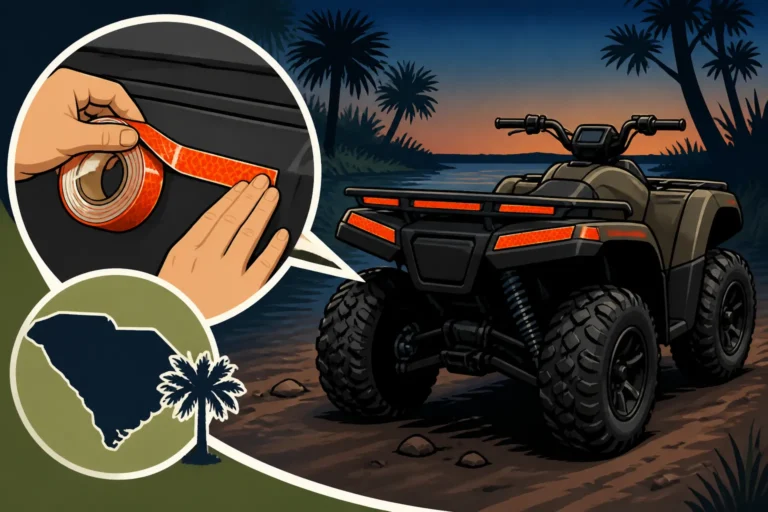
To legally operate your UTV on South Carolina roads, it must be outfitted with a range of safety equipment that mirrors what you'd expect on a standard car. This includes fully functional headlights, tail lights, and brake lights – and they must be operational not just in the dark, but whenever conditions warrant increased visibility. Additionally, turn signals are a must, both front and rear, to clearly indicate your intentions to other drivers. You'll also need a horn that works, along with at least one rearview mirror (though many choose two for better visibility). A windshield, while not always standard on off-road UTVs, is also required for street use, providing protection from debris and elements.
Seatbelts are non-negotiable for all seating positions, and they must be worn by all occupants whenever the vehicle is in motion. While helmets are not universally required for adults in street-legal UTVs, riders under 21 years of age are subject to [South Carolina Street UTV Helmet Rules Under 21], making them mandatory. It's crucial to remember that if you're under 17, you cannot operate a street-legal UTV on public roads, as outlined in [South Carolina Street UTV Age of 17]. Furthermore, the driver must possess a valid driver's license, not just a learner's permit, as detailed in [South Carolina Street UTV License Requirements]. These safety features and rules aren't just suggestions; they are legal requirements designed to minimize risk on public roads.
Maintenance and Compliance for Long-Term Road Use
Achieving street-legal status for your UTV isn't a one-and-done deal. Maintaining compliance and ensuring your machine remains roadworthy is an ongoing responsibility. Regular checks of your lights, horn, mirrors, and seatbelts should be part of your routine maintenance. Worn tires, dim headlights, or a non-functioning turn signal could all lead to a citation or make your vehicle unsafe to operate on public roads. It's also important to ensure your insurance remains current and that your registration is renewed when required, typically every two years. You'll be glad to know that [Side-by-Sides Finally Get a License Plate Class], which helps standardize the process.
Keeping up with maintenance also means ensuring your UTV's emissions and noise levels remain within legal limits. While South Carolina doesn't have extensive emissions testing for these vehicles, an excessively loud exhaust system could still draw unwanted attention from law enforcement. Using quality parts, perhaps even from a reputable supplier like SuperATV, for critical components can help ensure reliability and compliance. Lastly, always carry your registration, proof of insurance, and driver's license with you when operating your street-legal UTV. These documents, which form your [South Carolina Paperwork for a Street UTV], are what a law enforcement officer will expect to see if you're pulled over. Being prepared and diligent in your maintenance and paperwork will ensure you can enjoy your street-legal UTV for years to come without unnecessary headaches.
Disclaimer
This article is for general informational purposes only and does not constitute professional advice. Laws, prices and regulations vary by location and change over time. Consult a qualified professional for guidance on your specific situation.