South Carolina Passenger Rules Under 16
Riding an ATV or UTV in the beautiful Palmetto State is a favorite pastime for many families, but it often comes with a heap of questions, especially when kids want to come along for the ride. Trying to figure out who can sit where, and at what age, can feel like untangling a fishing line after a big catch. This guide will help you understand the specific South Carolina passenger rules for riders under 16, covering both traditional ATVs and street-legal UTVs, so you can ride safely and legally.
Understanding South Carolina's ATV Laws for Young Riders
Before we dive into the specifics of passengers, it's crucial to understand the foundational laws governing ATV use in South Carolina, particularly when minors are involved. These regulations are primarily aimed at ensuring the safety of riders, especially the youngest ones who might not fully grasp the risks involved.
The Core of Chandler's Law
In South Carolina, much of the legislation surrounding ATV operation for minors stems from what is commonly known as Chandler's Law. This law, found within [South Carolina Code Title 50 Chapter 26], was enacted to improve safety and reduce injuries among young riders. It sets forth specific requirements for operator age, helmet use, safety training, and crucially for our discussion, passenger restrictions. The underlying principle is to ensure that ATVs, which are inherently powerful and often unstable machines, are operated responsibly and that minors are protected from unnecessary hazards.
This law makes it clear that operating an ATV isn't just a free-for-all; there are serious considerations for the well-being of everyone on or near the machine. For instance, it mandates safety certificates for young riders and sets age limits for certain types of operations. Understanding the spirit of Chandler's Law helps riders appreciate why passenger rules are so strict for ATVs. Many folks wonder about the origins of these rules, and knowing [Why South Carolina's ATV Law Is Called Chandler's Law] often sheds light on the serious intent behind these safety measures.
What Defines an ATV Under South Carolina Law?
The legal definition of an ATV is incredibly important because it dictates which specific rules apply. In South Carolina, an All-Terrain Vehicle (ATV) is generally defined as a motorized off-highway vehicle designed to travel on four low-pressure tires, having a seat designed to be straddled by the operator, and handlebars for steering. This definition explicitly distinguishes ATVs from utility vehicles (UTVs or side-by-sides), which typically feature bucket or bench seats, seatbelts, and a steering wheel.
Why does this distinction matter so much for passenger rules? Because the design of a traditional ATV – with its straddle seat and handlebars – is engineered for a single operator to shift their weight and balance dynamically, especially during turns or when navigating uneven terrain. Adding a passenger completely changes the balance dynamics, making the machine harder to control and significantly increasing the risk of rollovers or loss of control. The [South Carolina Equipment Requirements for ATVs] typically align with this single-operator design, reinforcing the safety guidelines around them.
Specific Passenger Rules for ATVs Under 16
When it comes to off-road ATVs, South Carolina's laws are quite clear and strictly enforce the single-rider design philosophy. This is where many common assumptions about "just taking a quick ride" with a child can quickly lead to unsafe situations and legal trouble.
The "No Passenger for an Unlicensed Minor" Rule
One of the most critical aspects of Chandler's Law is its stance on minors operating ATVs with passengers. Simply put, if the ATV operator is under 16 years of age, they are explicitly prohibited from carrying any passengers. This rule doesn't differentiate between whether the passenger is an adult or another child; if the young operator is unlicensed (as they would be, given ATVs are not road-legal vehicles for general licensing purposes), they cannot have anyone else on board.
Imagine a 12-year-old rider, fresh from their [South Carolina Safety Certificate Requirements] course, eager to show off their skills to a younger sibling. While their intentions might be innocent, the law is absolute here. The physics of an ATV are challenging enough for a single, learning operator; introducing a passenger fundamentally alters the center of gravity and the ability to maneuver safely. This isn't just a minor infraction; it's a rule designed to prevent serious injury. The state is very clear: [No Passenger for an Unlicensed Minor].
Adult Operators and Young Passengers on ATVs
Now, what if an adult, someone 16 years or older, is operating the ATV? Can they carry a child under 16 as a passenger? This is where a common misconception arises, and the answer, for most standard ATVs, is still a resounding no. South Carolina law states that "an all-terrain vehicle designed by the manufacturer for an operator only may not carry a passenger." Since the vast majority of ATVs sold are indeed designed for a single operator, carrying any passenger – regardless of age or who is driving – is generally prohibited.
Think about the typical ATV you see on trails or farms. It has one seat, perhaps a small rack on the back. It is not built to accommodate two people safely. Even if an adult feels they are experienced enough to handle the extra weight, the machine itself is not engineered for it. The handling characteristics change dramatically, making the ATV unstable and difficult to control, especially at speed or on uneven terrain. This applies to South Carolina Passenger Rules Under 16 and beyond; if your ATV isn't specifically designed by the manufacturer for multiple riders (which are incredibly rare, often blurring the line with UTVs), then it's a solo ride. This focus on design and manufacturer intent is crucial for understanding [South Carolina Rules for a Child Passenger].
Passenger Rules for Street-Legal UTVs and Minors
The landscape for Utility Terrain Vehicles (UTVs), particularly those that are street-legal, is quite different from that of traditional ATVs. This distinction is vital for anyone planning to take their side-by-side on public roads with younger family members.
The Distinction: UTVs vs. ATVs
As briefly mentioned before, UTVs and ATVs are fundamentally different machines, and the law recognizes this. While ATVs are typically single-rider, straddle-seat vehicles, UTVs are designed with side-by-side seating, a steering wheel, and often come equipped with roll cages, seatbelts, and other safety features more akin to a small car. This inherent difference in design significantly impacts how passengers, especially minors, are treated under the law.
South Carolina recently enacted legislation, [South Carolina Act 164 and Street UTVs], which allows UTVs to be registered and operated on public roads under certain conditions, marking a significant shift. This means that a street-legal UTV is no longer just an off-road vehicle but can also operate as a motor vehicle on certain public thoroughfares. This distinction means that a [A Low-Speed Vehicle Is Not a South Carolina UTV] and neither is an ATV, legally speaking, when it comes to road use. If you're wondering about getting your side-by-side plated, you'll want to read up on [South Carolina Street-Legal UTV Registration Arrives] to understand the process.
Specific UTV Passenger Rules for Minors on Roads
When a UTV is legally registered as street-legal in South Carolina, its operation on public roads comes under a different set of rules, largely aligning with standard motor vehicle laws regarding passengers. This is a huge relief for families who want to enjoy their UTVs on secondary roads. For passengers under 16 in a street-legal UTV, the following general principles apply:
- Designated Seating: All passengers must ride in manufacturer-designated seating positions. You can't just pile kids into the cargo bed or have them sit on someone's lap. Each person needs their own spot.
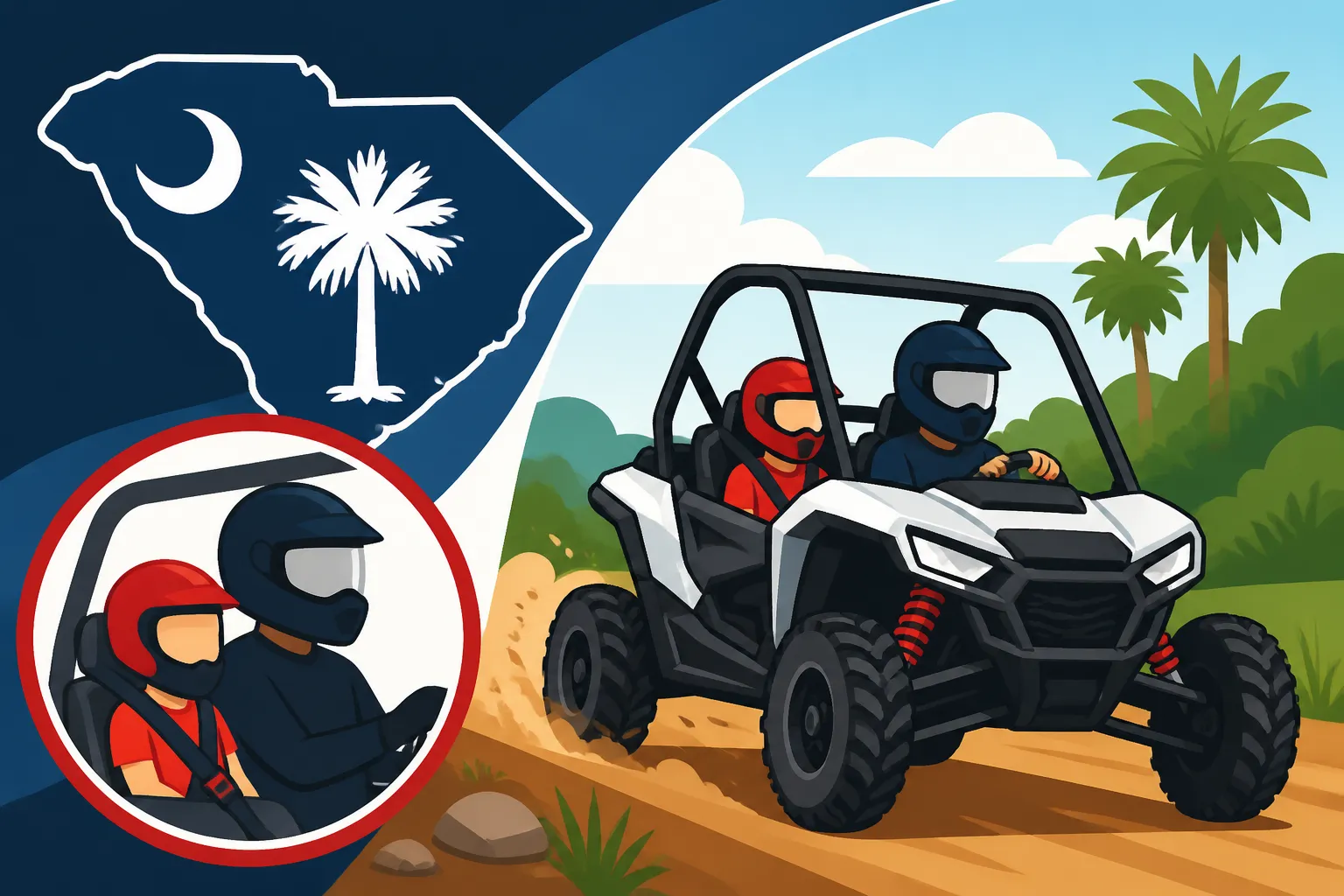
- Restraint Systems: Children must use the appropriate restraint systems. This means seatbelts, and for younger children, age and weight-appropriate car seats or booster seats, just as they would in a car or truck. This is a critical safety measure, mirroring what is expected on any public road.
- Age Restriction: There is a specific restriction against passengers eight years old or younger riding in a street-legal UTV on public roads. This rule, designed to protect the very youngest and most vulnerable, is part of the broader [South Carolina Street UTV Passenger Age Limits].
These rules reflect the state's recognition that while UTVs offer multi-passenger capabilities, they still require stringent safety protocols, especially for children. Many UTV owners, especially those outfitting their machines for street use, look to aftermarket accessories from brands like SuperATV to ensure their vehicles meet safety standards and offer enhanced protection for all occupants. This can include anything from upgraded harness systems to additional grab handles, all aimed at making the ride safer for everyone on board.
Off-Road UTV Passenger Rules for Minors
What about UTVs that are not street-legal and are used exclusively off-road? While Chandler's Law focuses primarily on ATVs, the general principles of safe operation extend to off-road UTVs as well. Since UTVs are designed for multiple passengers and come with seatbelts and roll cages, carrying passengers (including minors) is generally accepted if the vehicle is used off-road, provided certain conditions are met:
- Manufacturer's Design: Passengers must ride in manufacturer-designated seats. Do not modify the UTV to add extra, unofficial seating.
- Use of Restraints: All passengers should properly use the seatbelts or harness systems provided by the manufacturer.
- Operator Competence: The operator must be experienced and mature enough to handle the machine, especially with the added weight and dynamics of passengers.
- Helmets: While not always legally mandated for off-road UTV passengers over a certain age, helmets are highly recommended for all occupants, especially minors, when riding off-road. The potential for impacts, even at low speeds, warrants this extra layer of protection. It's always a good idea to remember rules like those about [South Carolina Age Restriction Warning Labels] when considering young riders, even if they apply specifically to ATVs, as they highlight the state's focus on youth safety.
Always prioritize safety over convenience. Just because a UTV has multiple seats doesn't mean it's a good idea to push its limits with a full load of passengers on extreme terrain, especially with children on board.
Common Misconceptions and Safety Considerations
Despite the clear laws and safety guidelines, several myths and misunderstandings persist regarding young passengers on ATVs and UTVs. Addressing these head-on is crucial for fostering a truly safe riding environment.
The "If There's Room, It's Fine" Fallacy
This is perhaps the most dangerous and prevalent misconception: the idea that if a child can physically squeeze onto an ATV or UTV, it's acceptable. For single-rider ATVs, this couldn't be further from the truth. As discussed, these machines are not designed for the weight distribution or dynamic handling requirements of two or more people. Adding a passenger, especially a squirming child, severely compromises the operator's ability to maintain control, shift weight effectively, and react to changing terrain. This dramatically increases the risk of a rollover or collision.
Even with multi-passenger UTVs, "making room" for more people than there are designated seats and seatbelts is incredibly risky. The roll cage and seatbelt system are designed to protect occupants in specific seating positions. Sitting on someone's lap, in the cargo bed, or standing in the vehicle voids these safety features and could turn a minor incident into a severe injury. Remember, the law is often a minimum standard; personal safety should always be the priority. This mindset is critical, just like understanding the importance of [South Carolina ATV Helmet Law] for all riders, regardless of whether they're operating or just along for the ride.
Beyond the Law: What's Truly Safe for Young Passengers?
While complying with the law is essential, true safety goes beyond just checking boxes. It involves a holistic approach to risk assessment and mitigation, especially when minors are involved.
- Age and Maturity of the Passenger: Can the child hold on securely without assistance? Do they understand and follow instructions? Are they mature enough to keep their limbs inside the vehicle and remain calm during unexpected maneuvers? A younger child, even if legally allowed in a street-legal UTV, might not have the physical or mental capacity to be a safe passenger on challenging terrain.
- Proper Fit for Restraints: For street-legal UTVs, ensure that car seats or booster seats are correctly installed and used for children who require them, and that seatbelts fit snugly across the shoulder and lap. A loose seatbelt provides little protection.
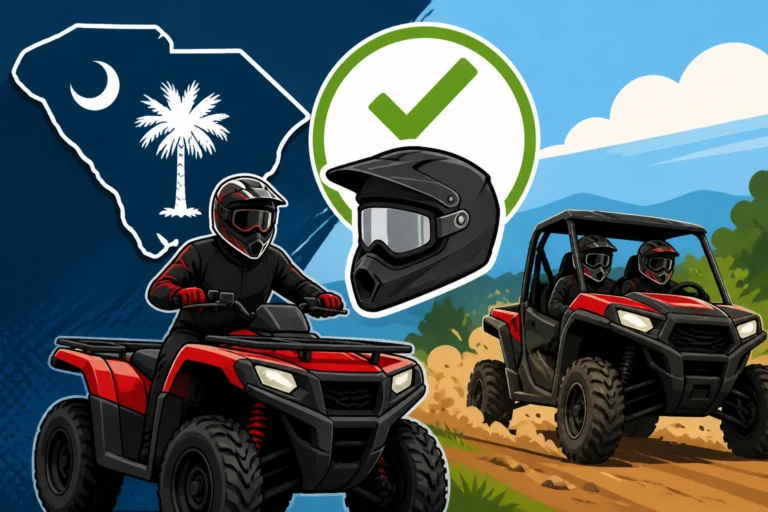
- Helmets for All: Especially when riding off-road, every passenger, regardless of age, should wear a properly fitted helmet. While South Carolina mandates helmets for ATV operators under 16 and street-legal UTV operators under 21, recommending them for all passengers, all the time, is just smart. Ensure any helmet meets federal standards; [Helmets Under 16 Must Meet the Federal Standard] is a rule worth extending to all passengers if possible.
- Operator Experience: The more challenging the terrain or the more passengers on board, the more experienced and skilled the operator needs to be. A novice operator should not be attempting advanced trails with children in tow.
- Machine Suitability: Is the UTV appropriate for the terrain you're tackling? A recreational UTV designed for light trails might not be safe on extreme rock crawling courses, especially with children as passengers. For those who regularly take younger family members out, investing in upgraded safety features like reinforced roll cages or advanced harnesses, often available from companies like SuperATV, can provide an extra layer of protection beyond the basic requirements.
Prioritizing these practical safety considerations ensures that your family's off-road adventures are not only fun but also as safe as possible.
Ensuring Compliance and Safe Riding Practices
Knowing the rules is half the battle; the other half is actively applying them and making safety a cornerstone of every ride. For families enjoying South Carolina's diverse riding opportunities, fostering a culture of safety is paramount.
Verifying Machine Design and Local Rules
Before heading out, always consult your ATV or UTV's owner's manual. This document contains crucial information about the manufacturer's recommendations for passenger capacity, weight limits, and safe operating procedures. The manufacturer's intent regarding passenger capacity is a primary factor in legal interpretations and, more importantly, in accident prevention. If your manual states "operator only," then that's the rule you should follow.
Furthermore, while state laws provide a general framework, local municipalities sometimes have their own ordinances, especially concerning golf carts and even street-legal UTVs within town limits. Just as with [South Carolina Golf Cart Road Rules], it's wise to check with local authorities if you plan to operate your UTV on public roads in a specific town or county. A quick call to the county sheriff's office or town hall can save you from an unexpected citation.
Operator Responsibility and Training
The ultimate responsibility for the safety of all passengers, especially minors, falls squarely on the shoulders of the operator. This isn't just a legal obligation but a moral one. An adult operator needs to be proactive in ensuring everyone on board is safe, properly restrained, and aware of the rules.
For young operators, ensuring they complete the [South Carolina Safety Certificate Requirements] is not just a legal mandate but a vital step in their education. This training equips them with the knowledge and skills to operate an ATV responsibly. Even for adult operators, a refresher course or advanced rider training can significantly improve safety. Before every ride, conduct a quick pre-ride inspection of your machine, ensure all safety equipment (helmets, goggles, seatbelts) is in good working order, and match the machine and rider's ability to the terrain and conditions. Even with robust accessories from companies like SuperATV, the most critical safety feature is an educated and responsible operator.
Consequences of Non-Compliance
Ignoring South Carolina's passenger rules, whether for ATVs or street-legal UTVs, carries both legal and personal ramifications. Legally, you could face citations and fines. [South Carolina Fines of $50 to $200] are common for many violations of ATV law, and serious infractions can lead to higher penalties. More broadly, the [South Carolina Penalties Under Chandler's Law] underscore the state's commitment to enforcing these rules.
However, the most severe consequences are not legal or financial; they are the potential for serious injury or even fatality. Accidents involving improperly carried passengers, particularly children, can be catastrophic. Beyond the physical harm, there's the emotional trauma for everyone involved and the potential for significant legal liability. Making the extra effort to understand and adhere to these passenger rules isn't just about avoiding a ticket; it's about safeguarding the lives and well-being of your loved ones.
Remember, a safe ride is a fun ride, and ensuring everyone, especially the youngest adventurers, is properly secured and following the rules makes all the difference.
South Carolina Passenger Rules: ATV vs. UTV for Minors
To help clarify the distinctions, here's a table summarizing the key passenger rules for minors on ATVs versus UTVs in South Carolina:
| Feature | Off-Road ATV (Single-Rider Design) | Street-Legal UTV (Plated for Roads) | Off-Road UTV (Not Plated) |
|---|---|---|---|
| Operator Age | Varies by CC; 16 for public land; under 16 requires direct adult supervision on private land | 17+ with valid driver's license | No state minimum for private land, but operator must be competent |
| Operator < 16, Passengers | NEVER (Illegal & unsafe, per Chandler's Law) | N/A (operator must be 17+) | Highly unsafe, generally not advised |
| Adult Operator, Passengers < 16 | NEVER (Illegal & unsafe on single-rider design) | Allowed in manufacturer-designated seats with restraints; NO passenger 8 or younger | Allowed in manufacturer-designated seats with restraints |
| Restraints | N/A (single-rider ATV) | Seatbelts, age/weight appropriate car seats/boosters mandatory for roads | Seatbelts mandatory in designated seats for off-road use |
| Helmets for Minors | Mandatory for all under 16 | Mandatory for those under 21 | Highly recommended for all |
| Primary Governing Law | Chandler's Law (SC Code 50-26-50) | SC Motor Vehicle Code & Act 164 (November 2026) | General safety principles; manufacturer guidelines |
Disclaimer
This article is for general informational purposes only and does not constitute professional advice. Laws, prices and regulations vary by location and change over time. Consult a qualified professional for guidance on your specific situation.