South Carolina Bans Riders Under 6
It's a scene many of us know all too well: your little one sees you gearing up for a ride, eyes wide with excitement, begging to come along. You dream of sharing the thrill of the trail, teaching them to love the outdoors as much as you do. But then the questions start bubbling up: "How old do they have to be?" "What are the rules?" The confusion and worry are real, especially when you hear about age restrictions. In South Carolina, there are clear guidelines, and a crucial one is the ban on riders under six years old. This comprehensive guide is dedicated to breaking down these rules, helping you navigate the complexities of South Carolina's ATV and UTV laws so you can make informed decisions and ensure every ride is a safe and legal one for your family.
Understanding South Carolina's Core Age Restriction for ATVs
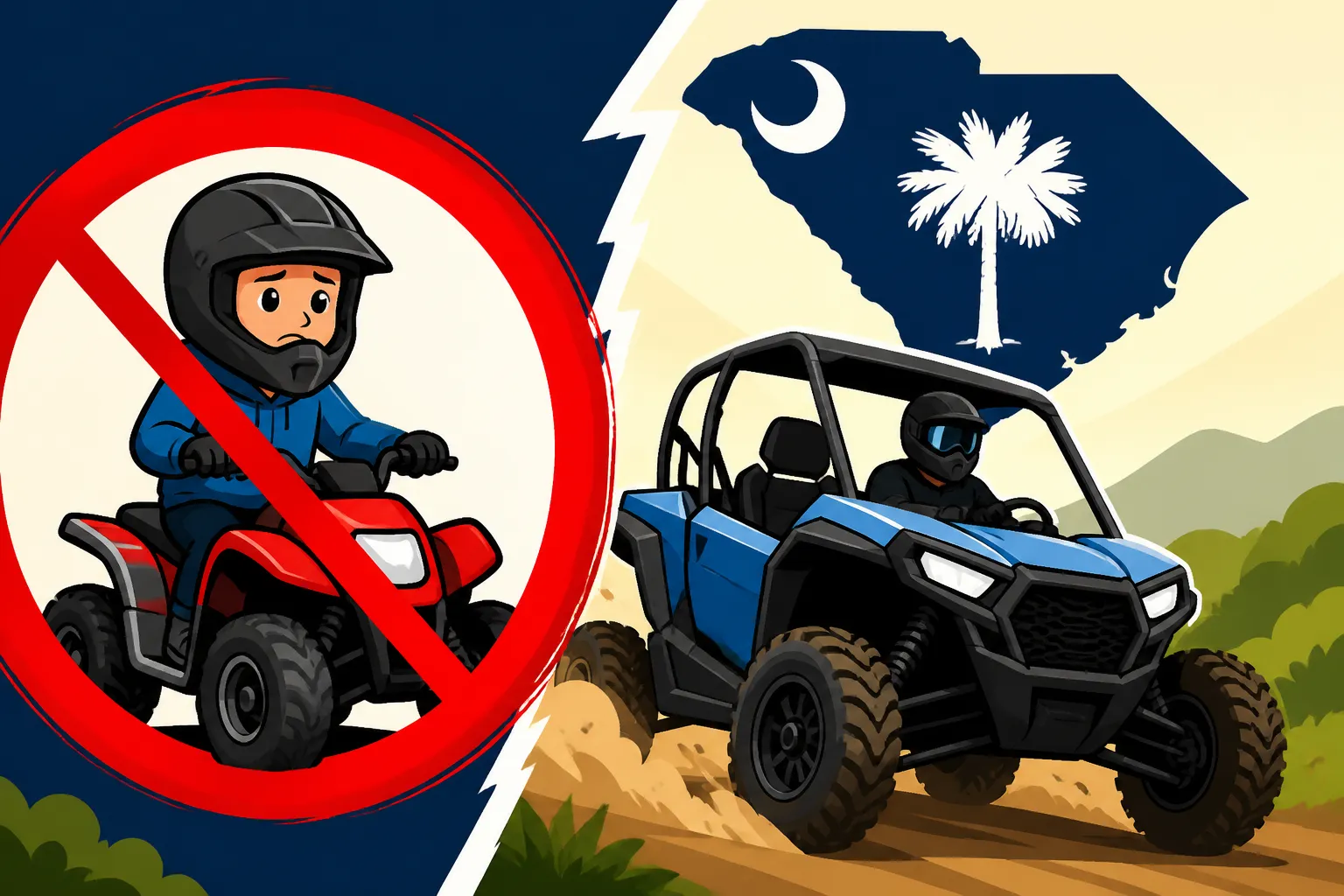
Let's get right to the heart of one of the most significant rules for young riders in the Palmetto State: the firm "under six" ban. It can be a tough pill to swallow when you have a tiny adventurer eager to join, but this law is in place for very serious reasons. South Carolina, like many states, recognizes that the physical and cognitive development required to safely operate or even be a passenger on an ATV simply isn't present in very young children. Their motor skills, reaction times, and ability to assess risks are still developing, making them incredibly vulnerable on these powerful machines.
Think about it: an ATV isn't a toy. It's a complex piece of machinery that requires quick decision-making, strength to steer, and the ability to balance, all while navigating unpredictable terrain. A child under six might struggle to reach the controls, lack the strength to maintain proper posture, or fail to react appropriately to sudden bumps, turns, or obstacles. The law isn't there to spoil fun; it's there to prevent tragic accidents, which, unfortunately, have a higher likelihood when very young children are involved with ATVs.
The Rationale Behind the "Under 6" Ban
The decision to prohibit riders under six years old isn't arbitrary; it's rooted in statistics and a deep understanding of child development. Medical and safety experts have consistently shown that children in this age group are at a disproportionately high risk for severe injuries, including head trauma, broken bones, and internal injuries, when riding ATVs. Their smaller, lighter bodies are simply not built to withstand the forces involved in an ATV accident, even at low speeds. The risk is compounded by the fact that adult-sized ATVs are designed for adults, not children, and even youth-model ATVs can be too powerful or ill-fitting for a child under six.
It's a bittersweet reality for parents who want to introduce their kids to the outdoor lifestyle early. You might see other parents in different states or on private land allowing younger children to ride, and it can be frustrating to feel like your hands are tied. However, South Carolina has weighed those risks and decided that the safety of its youngest citizens takes precedence. This isn't just about avoiding a fine; it's about protecting precious lives. The aim is to ensure that when a child does start riding, they have a foundational level of maturity and physical capability to learn and react safely, setting them up for a lifetime of responsible enjoyment.
What Chandler's Law Says About Young Riders
The legal framework governing ATV use for minors in South Carolina is primarily found within [Chandler's Law and South Carolina ATV Rules], officially known as the South Carolina ATV Safety Act. This law, passed in honor of a young boy who tragically lost his life in an ATV accident, is comprehensive and specific about age restrictions and safety requirements. It's not just a suggestion; it's the law, and deputies take it seriously. You'll find the specifics within South Carolina Code Title 50, Chapter 26.
Beyond the outright ban for children under six, Chandler's Law sets out a tiered system of regulations based on age. It specifies requirements for supervision, safety training, and the use of protective gear for various age groups up to 16. This means that even once your child passes that initial six-year-old threshold, there are still very important rules to follow. The law makes it clear that parents and guardians bear a significant responsibility in ensuring these rules are adhered to, emphasizing that simply owning an ATV doesn't automatically grant permission for anyone to ride it. The spirit of Chandler's Law is to instill a culture of safety and responsibility, particularly when it comes to the most vulnerable riders. You'll even find [South Carolina Age Restriction Warning Labels] on machines and in dealerships, serving as a constant reminder of these critical safety parameters.
Age-Specific Rules for Riders Up to 16 Years Old
Once a child reaches the age of six, the complete ban lifts, but that doesn't mean it's a free-for-all. South Carolina has a meticulously structured set of rules that apply to riders between the ages of six and sixteen. These regulations are designed to incrementally increase responsibility and training as a child matures, ensuring they are adequately prepared for the challenges of operating an ATV. It's about building a foundation of safety, not just throwing them on a machine. This tiered approach is crucial for parents and guardians to understand, as compliance is not only a legal requirement but a moral imperative for child safety.
For instance, a ten-year-old rider will have different requirements than a fifteen-year-old, reflecting their developing skills and judgment. The law considers factors like physical size, coordination, and the ability to understand complex instructions and potential hazards. Ignoring these age-specific guidelines can lead to serious consequences, not just legally, but, more importantly, in terms of potential harm to the child. It requires parents to be diligent in monitoring their child's readiness and ensuring all legal requirements are met before every ride.
Safety Certificates and What They Entail
For riders 15 years old and younger, South Carolina requires an approved ATV safety certificate. This isn't just a piece of paper; it represents a fundamental level of safety education and hands-on training that is absolutely vital. Imagine trying to learn to drive a car without ever taking a lesson – it's unthinkable, and the same principle applies to ATVs, especially for young, inexperienced riders. [South Carolina Safety Certificates at 15 and Under] are mandatory, and they involve both theoretical knowledge and practical skills.
Typically, this involves completing an ATV Safety Institute (ASI) RiderCourse. The course covers everything from proper riding techniques, pre-ride inspections, understanding terrain, to emergency stopping procedures. It teaches young riders how to assess risks, respond to unexpected situations, and generally operate an ATV responsibly. For parents, it's also a valuable learning experience, as it helps you understand what your child is learning and how to reinforce those safe riding habits. Without this certificate, a rider 15 or under is not legally permitted to operate an ATV in South Carolina, even on private land, unless they fall under specific exemptions like farm use. The intent is clear: education and training are paramount for young riders. This is [The Safety Certificate Riders 15 and Under Need] and it's something a deputy can ask to see.
Helmet and Eye Protection Mandates
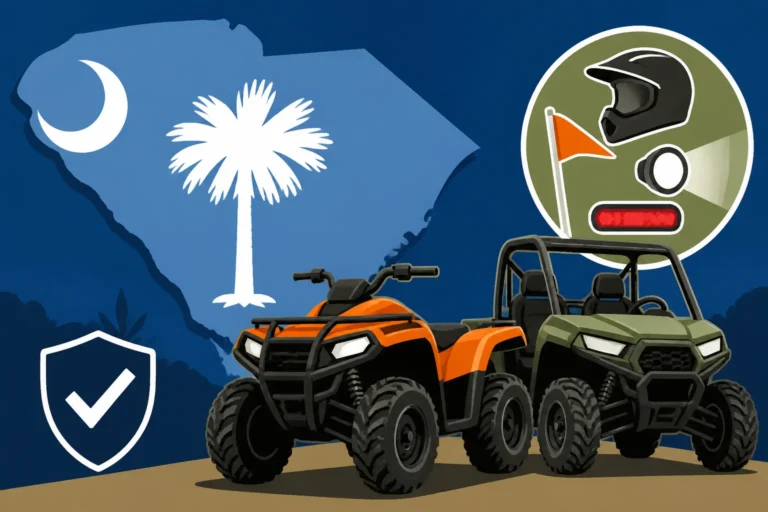
South Carolina takes head safety very seriously for young ATV riders. Under Chandler's Law, any ATV operator or passenger under the age of 16 is required to wear a safety helmet. This isn't just any helmet; it must be a securely fastened helmet that meets the standards established by the United States Department of Transportation (DOT). You know, the kind with the DOT sticker on the back. This specific requirement is critical because not all helmets offer the same level of protection. A bicycle helmet, for example, is not designed to withstand the impacts associated with ATV speeds and weights.
Alongside helmets, eye protection is also mandatory for riders under 16. This could be a face shield attached to the helmet or separate goggles. The reason is obvious: flying debris, dust, insects, and even low-hanging branches can cause serious eye injuries and impair a rider's vision, leading to accidents. Imagine a rock kicking up from another machine or a low branch catching a child off guard – eye protection is a non-negotiable layer of defense. These mandates are a clear indication of the state's commitment to preventing severe injuries for its youngest riders, recognizing that a moment of fun can quickly turn dangerous without proper gear. You can find more specific guidance on [South Carolina Helmet Rules for Young Riders].
Adult Supervision Requirements
Beyond certificates and gear, South Carolina law also dictates that riders 16 years old and under must be under the direct supervision of an adult while operating an ATV. This isn't a suggestion; it's a legal requirement, and it's one that deputies enforce. "Direct supervision" means the adult must be present, capable, and actively monitoring the minor's riding. They need to be close enough to intervene if necessary, not just somewhere on the property. This rule, outlined in [South Carolina Adult Accompaniment at 16 and Under], is a cornerstone of child ATV safety.
The supervising adult needs to be at least 18 years old and, ideally, an experienced rider themselves. They are responsible for ensuring the minor is operating the ATV safely, within their skill level, and in compliance with all other laws. This includes making sure the child isn't riding too fast, attempting maneuvers beyond their ability, or venturing into unsafe terrain. This supervision requirement recognizes that even with training and proper gear, young riders can still make impulsive decisions or encounter situations they are not equipped to handle alone. It adds an extra layer of protection, providing immediate guidance and intervention when a young rider needs it most, ensuring they have a safe and positive introduction to the sport.
Passenger Rules and Restrictions on ATVs in South Carolina
Sharing the joy of ATV riding with a passenger can be a lot of fun, but it's crucial to understand South Carolina's strict rules regarding passengers, especially when children are involved. ATVs are inherently different from other vehicles, and many are designed for a single rider only. Adding a passenger, particularly an untrained or undersized one, can drastically alter the machine's balance, handling, and braking capabilities, increasing the risk of a rollover or loss of control. The law is designed to prevent these dangerous scenarios, ensuring that if a passenger is carried, it's done safely and legally.
It's common for kids to want to "double up" with a parent or friend, but this is often where mistakes happen. You might think, "Oh, it's just a short, slow ride," but even at low speeds, unexpected bumps or turns can dislodge a passenger. This is why understanding the specific design of your ATV and the legal stipulations for carrying passengers is paramount. Don't assume your machine is suitable for two just because there's a little extra space on the seat.
When a Passenger is Permitted on an ATV
South Carolina law is very clear: an ATV is generally designed and intended to be used by a single operator. Unless the ATV is specifically designed by the manufacturer to carry more than one person, with a designated seating area and handholds for a passenger, carrying a passenger is prohibited. This means that most traditional single-rider quads are off-limits for passengers, regardless of their age or the driver's experience. Trying to squeeze a child onto the back of a single-seat ATV, even if they're holding on tight, is both illegal and incredibly dangerous.
If your ATV is designed for two riders (often called a 2-up ATV), then carrying a passenger is generally permitted, provided all other age and safety requirements are met. These machines are built with a longer seat, passenger footrests, and often separate grab handles, all engineered to safely accommodate the added weight and dynamics of a second person. It's vital to check your ATV's owner's manual and the manufacturer's specifications to confirm if it's indeed a multi-passenger model. Don't rely on guesswork or what others might be doing. The rule of thumb is: if it doesn't have a dedicated, factory-designed passenger seat, then it's a solo adventure.
Passenger Age Limits and Safety Gear
Even on a multi-passenger ATV where carrying a second rider is permitted, South Carolina imposes age limits for passengers, particularly for children. The same "under six" ban for operators also applies to passengers. This means a child under six cannot be a passenger on any ATV, regardless of who is driving or what type of ATV it is. This crucial rule extends the protection of Chandler's Law to even the youngest non-operators. For older children, as mentioned earlier, any passenger under the age of 16 must wear a DOT-compliant helmet and eye protection. This includes face shields or goggles.
Furthermore, if the operator is under 16 years old, they are generally not permitted to carry any passengers, regardless of whether the ATV is designed for two people. This rule underscores the state's emphasis on minimizing risks for young operators who are still developing their riding skills. The added weight and shifting dynamics of a passenger can be a significant challenge for an inexperienced driver, making an already demanding task even more complex. Always remember to check [South Carolina Rules for a Child Passenger] for specific guidance. For youth safety, it's often best to reserve multi-passenger riding for experienced adult operators and older, well-equipped youth passengers.
How South Carolina Defines an ATV for Regulatory Purposes
Understanding what constitutes an "all-terrain vehicle" in the eyes of South Carolina law is crucial because these definitions dictate which rules apply. When we talk about ATVs, many people picture a four-wheeled quad. While that's often the case, the legal definition can encompass a broader range of off-road machines, and sometimes exclude others you might intuitively think of as ATVs. The specifics matter because misidentifying your machine could lead you to unknowingly violate laws regarding age restrictions, registration, or where you can ride.
For instance, you might have a dirt bike, a golf cart, or a utility task vehicle (UTV), and while they are all off-road machines, they often fall under entirely different regulatory categories in South Carolina. This distinction is not just bureaucratic; it's fundamental to how the state manages safety, property access, and environmental impact for various types of recreational and utility vehicles. Always start by knowing exactly what kind of machine you have, and how the state defines it.
Differentiating ATVs from Other Off-Road Vehicles
In South Carolina, an "all-terrain vehicle" is generally defined as a motorized vehicle, 50 inches or less in width, having three or more wheels, designed for use on unimproved roads or off-road, and not otherwise defined as a golf cart, moped, scooter, or motorcycle. The "50 inches or less in width" is a key characteristic that historically has set ATVs apart. This specification is important for trail access, as many public trails have width restrictions, often featuring "50-inch gates" to keep wider vehicles out.
Now, where do other popular off-road machines fit in?
- Utility Task Vehicles (UTVs) or Side-by-Sides (SxS): These are typically wider than 50 inches (often 60+ inches), have a steering wheel, and side-by-side seating, sometimes for multiple passengers. While they are often used off-road, they are generally treated differently than ATVs under South Carolina law. For example, [South Carolina Street-Legal UTV Registration Arrives] is a separate, newer legislative development, demonstrating their distinct classification. Many aftermarket companies like SuperATV offer a huge range of accessories for these machines, from lift kits to winches, that highlight their robust design and different use cases compared to smaller ATVs.
- Dirt Bikes: These are two-wheeled motorcycles designed for off-road use. They fall under motorcycle regulations, not ATV rules.
- Golf Carts: These are generally lower-speed vehicles intended for golf courses or limited road use, with their own set of specific regulations, like [South Carolina Golf Cart Permit Rules].
- Low-Speed Vehicles (LSVs): These are street-legal vehicles that resemble small cars, capable of speeds up to 25 mph, and must meet federal safety standards. They are distinct from both ATVs and UTVs.
Understanding these distinctions is paramount because an ATV's age restrictions, safety gear requirements, and permissible riding areas may not apply to a UTV or a golf cart, and vice-versa. Always confirm the specific legal definition that applies to your machine.
Machines Exempt from Certain Age Rules
While Chandler's Law casts a wide net over ATV safety for minors, there are a few very specific, and limited, exemptions to the age and supervision rules. The most common and significant exemption applies to ATVs used for agricultural purposes on land actively used for farming or ranching. This means that a minor who might otherwise be subject to age restrictions or supervision requirements for recreational riding could potentially operate an ATV on a farm if it's directly related to farm work.
This agricultural exemption recognizes that ATVs are vital tools for many farming operations in South Carolina, used for tasks like hauling feed, checking fences, or transporting equipment. However, this exemption is not a loophole for recreational riding. It's narrowly defined and intended for bona fide farm use only. It doesn't mean a child under six can joyride on a farm ATV, nor does it negate the need for common sense and parental supervision even in an agricultural context. Furthermore, this exemption does not apply to public roads or any land not actively being farmed. Any recreational use, even on a farm, would typically revert to the standard age and safety regulations. [South Carolina Farm and Ranch Exemptions] are specific, so don't assume broad application.
Penalties and Enforcement of South Carolina's ATV Age Laws
Ignoring South Carolina's ATV age and safety laws isn't just a matter of principle; it carries real legal consequences. Law enforcement officers, particularly those in rural areas or near popular riding spots like the Sumter National Forest, are well-versed in Chandler's Law and its provisions. They conduct patrols, respond to complaints, and can issue citations for violations. The intent behind these penalties isn't just to punish, but to deter unsafe behavior and protect riders, especially children, from serious injury. It's a clear message from the state that safety on ATVs is a serious matter.
Parents and guardians often bear the brunt of these penalties, as they are legally responsible for ensuring minors comply with the law. This means that if your child is found riding an ATV without the proper safety certificate, helmet, or adult supervision, you, as the responsible adult, could face fines and other repercussions. It’s a compelling reason to educate yourself thoroughly on all applicable regulations before anyone, especially a minor, takes to the trails.
Fines and Citations for Violations
The immediate consequence of violating South Carolina's ATV safety laws, including age restrictions, is typically a monetary fine. These fines can range from $50 to $200 for a first offense. While that might not sound astronomical, remember that multiple violations can accumulate, and court costs can add significantly to the total. It's important to understand that each specific violation can lead to a separate citation. For example, a minor riding without a helmet and without a safety certificate and without adult supervision could face multiple citations for a single incident. This can quickly add up, creating a substantial financial burden.
Beyond the initial fine, a citation goes on record. While ATV violations might not always impact your driving record in the same way a traffic ticket would for a car, they are still a legal matter that requires a court appearance or payment of the fine. It's a hassle you definitely want to avoid. The goal of these [South Carolina Fines of $50 to $200] is to encourage compliance, emphasizing that the state views these safety measures as critical for public welfare. It’s far cheaper, and much safer, to invest in the proper gear and training than to pay a fine after an incident.
Impoundment and Other Potential Repercussions
While less common for a first-time, minor infraction, more severe or repeated violations of South Carolina's ATV laws can lead to additional, more drastic repercussions. In some cases, law enforcement has the authority to impound the ATV being operated unlawfully. Imagine having your machine towed away, incurring impound fees, storage fees, and administrative costs to get it back, on top of any fines. This can be a significant financial hit and a major inconvenience, effectively sidelining your riding for an extended period.
Furthermore, if an accident occurs due to an ATV law violation, especially involving a minor, the legal ramifications can escalate dramatically. The responsible adult could face civil lawsuits for damages or injuries, and in severe cases, even criminal charges, particularly if negligence can be proven. This is where the true gravity of these laws comes into play. It's not just about a ticket; it's about potential liability, medical bills, and the profound emotional toll of an accident that could have been prevented. Staying compliant with [South Carolina Penalties Under Chandler's Law] is not just about avoiding trouble; it's about protecting your financial well-being and, most importantly, the safety and future of your children.
Safety Recommendations Beyond Legal Requirements
Adhering to South Carolina's ATV laws is the absolute minimum standard for safe riding, especially with children. However, as an experienced rider and advocate for outdoor recreation, I firmly believe that true safety goes far beyond simply checking off legal boxes. The law is a baseline, but common sense, proactive measures, and a commitment to ongoing education can dramatically reduce risks and enhance the riding experience for everyone. Think of it as adding extra layers of armor and intelligence to your riding strategy.
This is where your personal judgment as a parent and rider comes into play. You know your child's capabilities, maturity, and personality better than anyone. Just because a child is legally old enough to ride doesn't automatically mean they are ready. Pushing a child beyond their comfort zone or onto a machine that's too powerful for them is a recipe for disaster. Let's explore some crucial steps you can take to elevate safety well above the legal minimums.
Choosing the Right-Sized Machine for Youth
One of the most critical safety decisions you'll make for a young rider is ensuring they have an ATV that is appropriately sized for them. An ATV that is too large or too powerful for a child is incredibly dangerous, even if they meet the minimum age requirements. A child needs to be able to comfortably reach and operate all controls – the throttle, brakes, and steering – while maintaining proper balance and posture. Their feet should be able to touch the footrests when seated.
The ATV Safety Institute (ASI) has excellent guidelines for matching riders to machines, typically recommending an ATV where the child can easily reach the footrests and handlebars, and can operate all controls without undue stretching. Youth model ATVs come in various engine sizes, often categorized for different age groups (e.g., 70cc-90cc for younger riders, 90cc-125cc for pre-teens). Don't try to save money by buying a machine your child will "grow into" if it's currently too big. If you're looking at specific adjustments, aftermarket parts companies like SuperATV offer a variety of accessories, such as risers or adjustable components, that can sometimes help fine-tune the fit of a youth ATV, ensuring a more ergonomic and safer riding position. Investing in a properly sized machine is perhaps the single best proactive safety measure a parent can take. [Titling a Youth Quad in South Carolina] is a separate step, but getting the right quad in the first place is paramount.
The Importance of Approved Training Courses
While South Carolina law mandates a safety certificate for riders 15 and under, encouraging all riders, including adults, to take an approved training course is a game-changer for safety. Many adults, even those with years of riding experience, have developed habits that might not be the safest or most efficient. A refresher course can correct these habits, introduce new techniques, and reinforce fundamental safety principles. For young riders, especially those just starting out, a structured, hands-on course taught by certified instructors is invaluable.
These courses go beyond basic control. They teach defensive riding strategies, how to properly assess and react to changing terrain, what to do in emergency situations, and how to perform basic maintenance checks. It builds confidence and competence in a controlled environment, under the watchful eye of an expert. Think of it as investing in skill development, which pays dividends in safety and enjoyment for years to come. Even if your child is over 15 and therefore not legally required to have a certificate, the benefits of completing an [South Carolina Safety Course Length] and actual training are immeasurable. It fosters a responsible riding mindset, which is the best defense against accidents.
Street-Legal UTVs and Their Different Age Rules
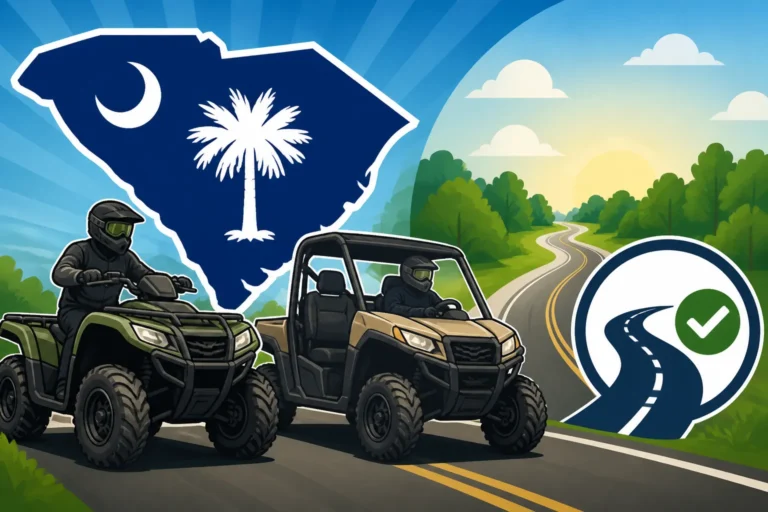
The world of utility task vehicles (UTVs), or side-by-sides, has expanded rapidly, and with it, the possibility of making them street-legal in South Carolina. This is a relatively new and exciting development for many off-road enthusiasts who want the flexibility to drive their UTVs on certain public roads. However, it's absolutely critical to understand that the rules for street-legal UTVs are vastly different from those governing off-road ATVs, especially concerning age restrictions, licensing, and safety gear. You cannot simply assume that the ATV rules apply.
The reason for this distinction is that when a UTV is granted the privilege of operating on public roads, it essentially transforms into a motor vehicle, subject to many of the same laws as cars and trucks. This includes driver licensing requirements, insurance mandates, and specific equipment standards. Ignoring these differences can lead to serious citations, fines, and even the loss of your street-legal privileges. It's a completely different regime of rules that demands careful attention, especially when considering who will be driving or riding in these machines on paved surfaces.
Driver's License and Age Minimums for Street UTVs
For a UTV to be considered street-legal in South Carolina, it must meet a specific set of equipment requirements, be properly titled, and registered with the DMV, receiving a license plate. Crucially, the person operating a street-legal UTV on public roads must possess a valid South Carolina driver's license. This is a fundamental difference from off-road ATVs, where a driver's license is not generally required for operation on private land or designated trails.
The minimum age to obtain a standard driver's license in South Carolina is 17 (or 16 with specific probationary license conditions). Therefore, for all intents and purposes, the minimum age to operate a street-legal UTV on public roads is effectively 17. A beginner's permit or a restricted license for minors typically does not grant the same driving privileges required for a street-legal UTV. This means that a 15-year-old with an ATV safety certificate, who can legally ride an off-road ATV on a trail, cannot legally drive a street-legal UTV on a public road. This is a vital distinction many people miss. For more on this, check out [South Carolina Street UTV Age of 17] and [South Carolina Street UTV License Requirements].
Helmet and Passenger Rules for Street UTVs
Just like with off-road ATVs, South Carolina has specific helmet requirements for street-legal UTVs, but they are tailored to the on-road environment. If you're operating a street-legal UTV, and you or any of your passengers are under 21 years of age, you must wear a securely fastened safety helmet. This is an important age threshold to remember. This applies regardless of whether the UTV has seatbelts or a roll cage. The intent is to provide maximum head protection in the event of an on-road collision or rollover, which can be particularly violent.
When it comes to passengers, street-legal UTVs often have multiple seating positions, making them naturally more accommodating than single-rider ATVs. However, strict rules still apply. Passengers must be seated in a designated seat and wear a seatbelt, just as they would in a car. More critically, passengers under eight years old are strictly prohibited from riding in a street-legal UTV. This is another specific age restriction unique to street UTVs, reflecting concerns about securing very young children safely in a vehicle exposed to road traffic. These rules underscore the state's recognition that street UTVs, while offering recreational opportunities, are also operating in a higher-risk environment with other motor vehicles. Enhancing the safety of your UTV with robust aftermarket accessories, perhaps from a brand like SuperATV, can provide additional peace of mind on the road, from stronger seat harnesses to enhanced roll cage protection. For deeper dives, look up [South Carolina Street UTV Helmet Rules Under 21] and [South Carolina Street UTV Passenger Age Limits].
Key Differences from Off-Road ATV Laws
It cannot be stressed enough how crucial it is to differentiate between off-road ATV laws and street-legal UTV laws in South Carolina. They are, in essence, two distinct sets of regulations governing different types of vehicles and different operating environments. Here’s a summary of the key differences:
| Feature | Off-Road ATV (e.g., Quad) | Street-Legal UTV (e.g., Side-by-Side) |
|---|---|---|
| Minimum Operator Age | 6 years (with certificate & supervision if under 16) | Effectively 17 (requires valid SC Driver's License) |
| Driver's License | Not required | Required |
| Helmet Requirement | Mandatory for operators/passengers under 16 | Mandatory for operators/passengers under 21 |
| Passenger Restrictions | Only on manufacturer-designed 2-up models; no passengers under 6; operator under 16 cannot carry passengers | Must be in designated seat with seatbelt; no passengers under 8 |
| Registration/Plates | Not required for off-road use | Required (title, registration, license plate) |
| Insurance | Not legally required for off-road use (though highly recommended) | Mandatory liability insurance (like a car) |
| Road Access | Generally prohibited on public roads (with limited exceptions) | Permitted on roads 55 mph or less (with exceptions) |
| Equipment | Basic safety equipment | Must meet specific street-legal equipment standards (e.g., turn signals, horn, brake lights, windshield) |
As you can see, the requirements diverge significantly once a UTV is granted street-legal status. This table should serve as a quick reference, but always consult the full text of the laws for complete details. Trying to apply off-road ATV rules to a street-legal UTV, or vice-versa, will lead to confusion and potential legal trouble. Be mindful of these distinctions to ensure you’re always operating your machine safely and within the bounds of South Carolina law. For more detailed information, look into [South Carolina Street UTV Requirements Explained].
Disclaimer
This article is for general informational purposes only and does not constitute professional advice. Laws, prices and regulations vary by location and change over time. Consult a qualified professional for guidance on your specific situation.