What Posted Land Means for South Carolina Riders
There’s nothing quite like the thrill of exploring South Carolina’s beautiful landscapes on your ATV or UTV, but that excitement can quickly turn to dread if you find yourself unknowingly riding on private land. It's a common frustration for riders across the Palmetto State: wanting to explore, but fearing you'll cross a line you shouldn't. This guide is here to shed light on exactly what "posted land" means for South Carolina riders, how to identify it, and most importantly, how to avoid common pitfalls that could lead to trouble, ensuring your off-road adventures stay fun and legal.
Understanding "Posted Land" in South Carolina
When we talk about "posted land" in South Carolina, we're talking about private property where the owner has explicitly communicated that unauthorized entry is forbidden. This isn't just a suggestion; it carries legal weight and is designed to protect both the landowner and, indirectly, you. For us riders, it’s absolutely crucial to understand these designations because a simple wrong turn can lead to significant consequences.
The Visual Cues of Posted Land
Landowners in South Carolina have a few ways they signal that their property is off-limits. These visual cues are your first and most important line of defense against accidentally trespassing. It’s not always a grand, obvious sign at every corner, so you need to keep your eyes peeled for a variety of markers.
Firstly, you’ll often see physical signs. These typically say things like "No Trespassing," "Private Property," or simply "Posted." They can range from large, professionally printed signs to smaller, handwritten ones. The key is that they are visible and clearly convey the owner's intent. Secondly, you might encounter painted boundary markers. While not as universally recognized for specific color coding across all states, landowners often use brightly colored paint, typically on trees or fence posts, along their property lines to indicate where one property ends and another begins. If you see consistent paint marks defining a boundary, especially in conjunction with other signs or fences, consider it a strong signal that you're approaching private land. Lastly, physical barriers like fences or gates, even if they're older or seemingly in disrepair, are clear indicators of private property. Even a simple wire fence can denote a boundary. Remember, a fence doesn't have to be barbed wire or electric to mean "keep out." Always respect these barriers. If you're unsure about the law, it's always better to err on the side of caution. [South Carolina Trespass Law for Riders] makes it clear that ignoring these signs can lead to legal issues.
Why Landowners Take This Step
Landowners in South Carolina post their land for a variety of very good reasons, and understanding these can help foster a sense of respect and responsibility among riders. It's not usually about being unwelcoming; it's about protection and management.
One of the primary reasons is to protect their privacy and peace. Many rural property owners cherish the solitude and quiet enjoyment of their land. Unwanted visitors, especially those on loud ATVs or UTVs, can disrupt this peace, disturb wildlife, and feel like an invasion of their personal space. Another significant factor is the management of resources, particularly for hunting or timber. A landowner might have invested heavily in creating a deer habitat, managing timber for future harvest, or leasing their land to a hunting club. Unauthorized riding can disturb game animals, damage young trees, or interfere with hunting operations. Finally, and perhaps most critically for the landowner, is minimizing liability risks. South Carolina's legal landscape means that if someone gets hurt on private property, even if they're trespassing, the landowner could potentially face legal action. By posting their land, owners are taking a clear step to protect themselves from such claims, demonstrating that they took reasonable measures to warn against entry. They're not just trying to keep you out; they're trying to protect their investment, their peace, and their legal standing.
The Legal Ramifications of Trespassing
Riding on posted land isn't just a social faux pas; it's a legal offense in South Carolina. Ignorance of the law is rarely an excuse, and encountering law enforcement on private property without permission can quickly turn a fun day of riding into a very stressful and expensive ordeal. The state takes trespassing seriously, especially when motorized vehicles are involved.
When You're on the Wrong Side of the Line
If you find yourself riding on posted land without explicit permission, you're trespassing. This can lead to a range of unpleasant outcomes. The most immediate consequence is being confronted by the landowner or law enforcement. A deputy has the authority to issue a citation, which means a fine and potentially a court appearance. The fines for trespassing on private land in South Carolina can range from $50 to $200, depending on the specifics of the situation and whether it's a first offense. [South Carolina Fines of $50 to $200] highlights the monetary penalties, but it’s not just about the money.
Beyond the fines, there's the very real possibility of your ATV or UTV being impounded. This means your machine could be towed away and stored at an impound lot, incurring additional fees for towing and storage that you would be responsible for. Getting your machine back could take time, money, and a lot of hassle. Furthermore, a trespassing charge goes on your record, which can have longer-term implications, especially if you plan to seek access to other private lands in the future. Landowners or hunting clubs might be hesitant to grant permission if they see a history of trespassing.
The Power of Permission
This is where written permission becomes your best friend. Many riders mistakenly believe that a quick verbal "yeah, sure, go ahead" from a landowner is sufficient. Unfortunately, in the eyes of the law, verbal permission can be incredibly difficult to prove and is often not enough to protect you.
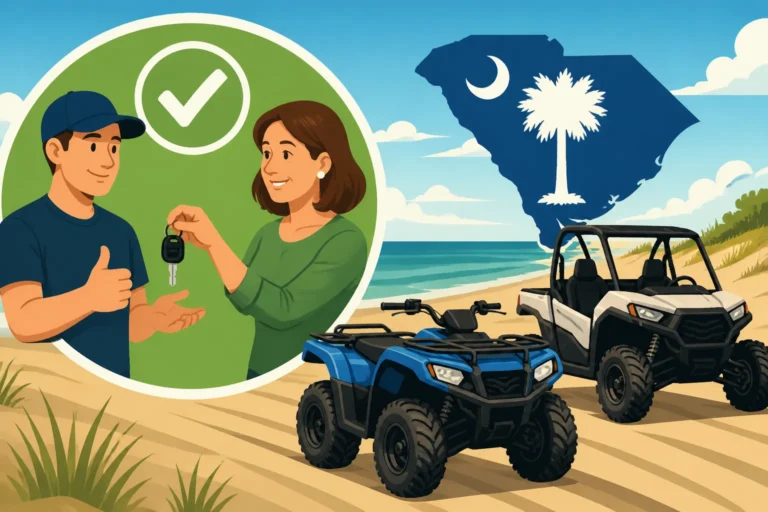
For true peace of mind and legal protection, you need to carry [Carrying Written Landowner Permission in South Carolina]. This document should be explicit and contain several key pieces of information: the full names of the landowner and the rider(s) granted permission, the specific dates or duration of the permission, a clear description of the property (e.g., address, tax map number, or a detailed map outline), and crucially, details about the type of machine you'll be riding (e.g., ATV, UTV, year, make, model, VIN). It’s also wise to include any specific rules or restrictions the landowner might have, such as designated riding areas, hours of operation, or prohibitions on certain activities. A simple note with a signature and contact information is infinitely better than nothing. This makes it clear to any law enforcement officer that you have legitimate access, protecting both you and the landowner.
Navigating Unsure or Shared Access Areas
South Carolina's diverse landscapes mean that property lines aren't always clear-cut, especially when dealing with easements, rights-of-way, or large tracts of timber company land. This is where it gets a little trickier for riders, as what might seem like public access could quickly turn into private property.
Public vs. Private Boundaries
One of the biggest challenges for riders is distinguishing between legitimate public trails and roads, and adjacent private property. In many areas, especially those bordering national forests or state parks, public trails might unexpectedly butt up against private land. While some boundaries are clearly marked, others might be subtle, relying on older fences, natural features, or even invisible lines on a map. Always assume that unless a trail is explicitly marked as public, you should investigate its status. GPS units, like those offered by SuperATV and other off-road accessory companies, can be invaluable here. They allow you to preload detailed maps, including property lines, helping you stay on the right side of the law. You can't rely solely on what looks like a path. [South Carolina Public Land Compared to Private] highlights the different rules and access points you might encounter. Double-checking local ordinances or using digital mapping tools on your phone or a dedicated GPS device is always a good idea before you even load your machine onto the trailer.
Timber Company Land and Hunting Leases
A common misconception among riders in South Carolina is that large tracts of timber company land or land leased by hunting clubs are open for general public access, perhaps because they appear remote and undeveloped. This is almost never the case. These lands are private property, actively managed for timber production or for exclusive hunting rights, and they are generally off-limits to unauthorized recreational riding.
Timber companies have strict policies against trespassing, primarily due to safety concerns (logging operations are dangerous!) and to prevent damage to their timber resources. Hunting clubs lease land specifically to control access and manage wildlife, meaning unauthorized riding will almost certainly disturb game and violate their lease agreements. Getting permission for these lands can be challenging but not impossible. Sometimes, timber companies offer permits for specific activities like hunting or hiking, but rarely for ATV/UTV riding due to the potential for environmental damage and liability. If you’re interested in accessing such land, your best bet is to directly contact the timber company (if it’s corporate land) or the hunting club that leases the property. Be prepared for a "no," but it never hurts to ask respectfully. Often, you'll encounter [Locked Gates on a Private Timber Road] that clearly signal no entry. Remember, a gate, even an open one, implies a boundary. [South Carolina Hunting Club Riding Rules] often explicitly forbid unauthorized vehicle traffic.
Best Practices for Responsible Riding
To ensure your South Carolina ATV and UTV adventures are always enjoyable and free of legal headaches, adopting a few best practices is paramount. It’s all about preparation, awareness, and respect for the land and its owners.
Planning Your Ride to Avoid Issues
The key to avoiding trespassing is thorough planning before you ever leave your driveway. Start by researching your intended riding area. If you’re heading to a designated OHV park or national forest trail, consult official maps and websites for trail boundaries and rules. Many of these resources are available online, or you can pick up physical maps at ranger stations. [South Carolina Trail Map Downloads] are a fantastic resource for this. For areas that might be less clearly defined, invest in a quality GPS unit or a reliable mapping app for your phone. These tools can display property lines and clearly mark public versus private land. Brands like SuperATV offer robust GPS systems and accessories that can integrate with detailed topographic and property line maps, giving you real-time awareness of your location relative to boundaries. Local riding clubs can also be an invaluable source of information. These clubs often have members with extensive knowledge of local trails, property access, and established relationships with landowners. They can share insights on areas to avoid or, sometimes, even help facilitate obtaining written permission for specific private tracts. Always verify any information, especially regarding access, with official sources or directly with landowners.
What to Do if You Accidentally Trespass
Despite your best efforts, mistakes can happen. You might take a wrong turn, or an unmarked trail could lead you onto private land. If you realize you’ve accidentally trespassed, the most important thing is to act quickly, calmly, and respectfully.
First, stop your machine immediately and assess your surroundings. If you see signs of private property or realize you’ve crossed a boundary, turn around and leave the way you came, if safe to do so. Do not try to find an alternative route or continue riding further onto the property. If you encounter a landowner or law enforcement, be polite, apologetic, and cooperative. Explain that it was an honest mistake and that you are leaving immediately. Do not argue, become defensive, or try to justify your presence. A calm and respectful demeanor can go a long way in de-escalating the situation and potentially avoiding a citation. Offer to show them your maps or GPS to demonstrate your navigational error. Sometimes, a sincere apology and prompt departure are all that's needed to resolve the issue without further incident.
Comparison: Posted vs. Unposted Private Land
To summarize the critical distinctions, here’s a quick overview of what to expect when encountering different types of land:
| Feature | Posted Private Land | Unposted Private Land | Public Land (Designated Trails) |
|---|---|---|---|
| Visible Cues | "No Trespassing" signs, paint marks, fences, gates | No explicit signs, fences or natural boundaries | Official trail markers, park signs, public access points |
| Legal Status | Trespassing if entered without explicit written permission | Trespassing if entered without explicit permission (harder to prove) | Legal access for permitted activities |
| Liability for Rider | High risk of fines, impoundment, legal charges | Moderate risk of fines, impoundment, legal charges | Rider responsible for following trail rules and safety |
| Landowner Intent | Clearly forbids entry, manages resources, limits liability | Expects privacy, may still take legal action if disturbed | Open for public recreation under specific rules |
| Best Rider Action | Absolutely avoid. Seek written permission if needed | Assume private. Seek permission before entry | Follow all posted rules, stay on marked trails |
Disclaimer
This article is for general informational purposes only and does not constitute professional advice. Laws, prices and regulations vary by location and change over time. Consult a qualified professional for guidance on your specific situation.