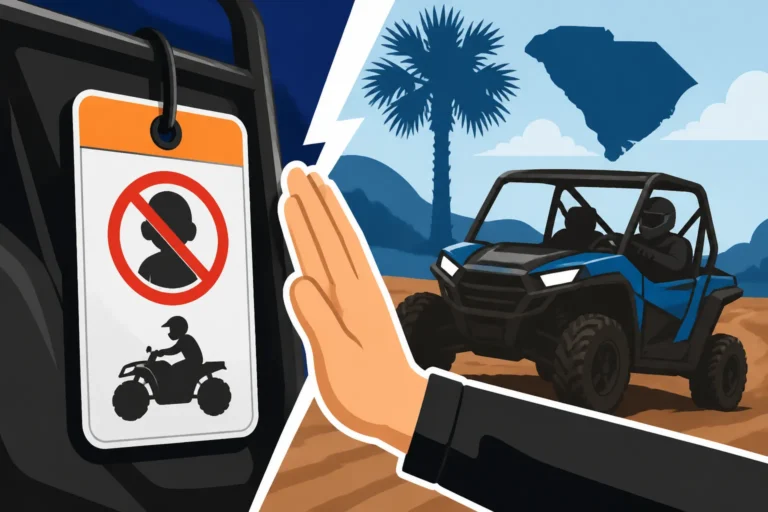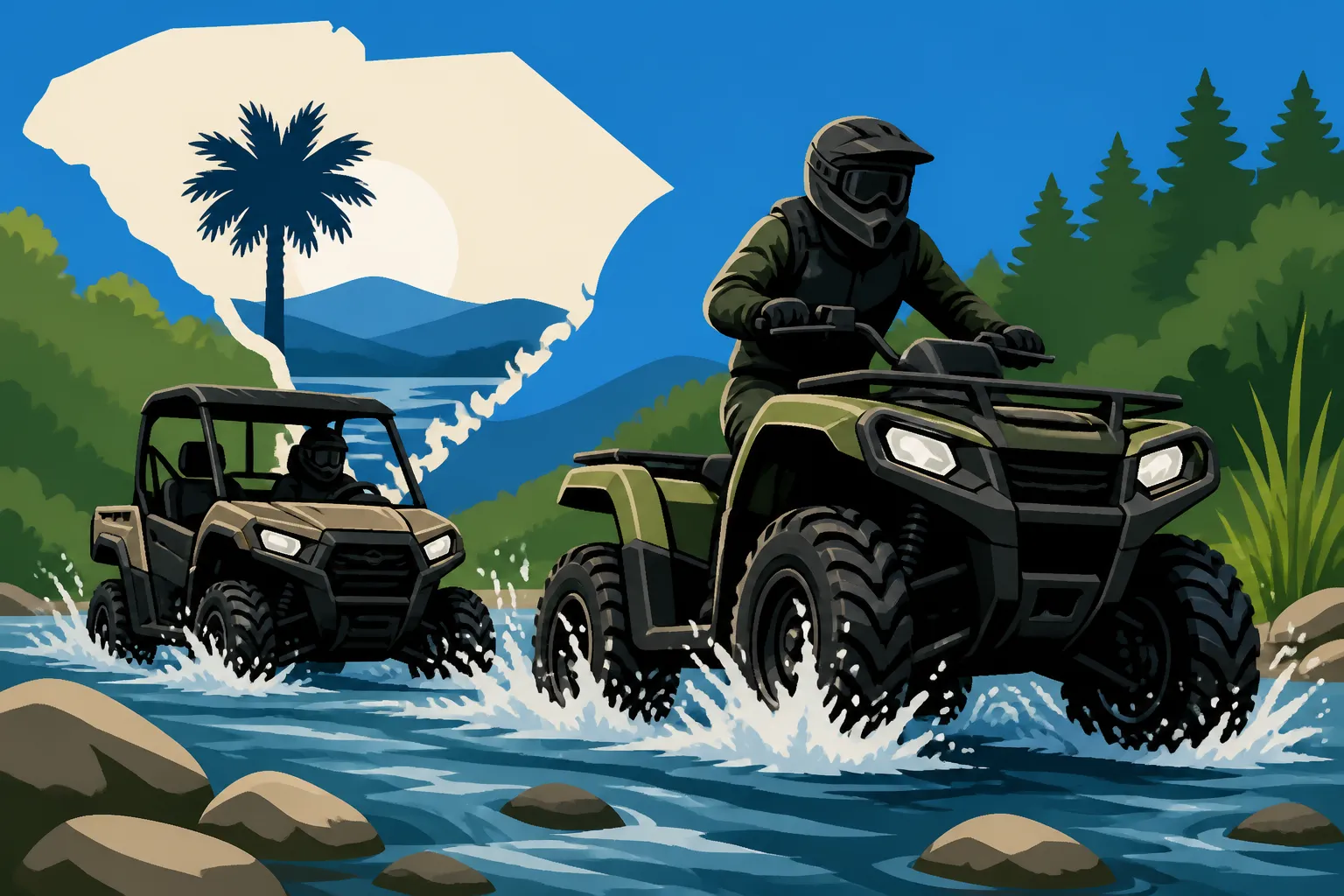
South Carolina Watercourse Crossing Rules
Riding your ATV or UTV across a picturesque creek in South Carolina might seem like a natural part of exploring the great outdoors, but it’s actually an area where many riders can easily run afoul of the law, sometimes without even realizing it. The state has specific regulations designed to protect our precious waterways and fragile ecosystems, and knowing these rules is crucial for avoiding fines and preserving our riding areas. This guide will walk you through South Carolina's watercourse crossing rules, helping you understand what's permitted, what's prohibited, and why these regulations are so important.
Understanding South Carolina's Stance on Waterways
When you're out exploring the vast network of trails and backroads that South Carolina offers, it's inevitable you'll encounter a stream, creek, or river. While a water crossing might seem like a fun challenge or a necessary part of the route, the state takes a very clear and strict stance on how ATVs and UTVs interact with these natural features. It’s not simply a matter of splashing through wherever you please; there are specific rules in place that everyone needs to respect.
The Core Rule: Marked Fords Only
The most fundamental rule governing watercourse crossings in South Carolina for ATVs and UTVs is straightforward: you can only cross at a marked ford. This isn't just a suggestion; it's a legal requirement. A "ford" in this context refers to a shallow place in a river or stream where it's specifically designated for crossing. Think of it as a designated bridge or pathway, but for water. You won't find these marked fords just anywhere; they are typically established on designated trails within managed riding areas, such as national forests or private parks that have received specific permits. Attempting to cross a watercourse at an unmarked location, even if it looks shallow and easy, is a violation of state law. This rule aims to channel riders through areas that have been assessed for minimal environmental impact, preventing widespread damage to delicate streambeds and banks. When you're planning your ride, always check trail maps or ask local authorities about designated crossing points. Ignorance of the law won't keep you from a ticket, and more importantly, it won't prevent harm to the environment. This key directive is enshrined in state law, making [Creek Crossings Allowed Only at a Ford] a critical point of information for all riders.
Why This Rule Exists: Environmental Protection
You might wonder why such a seemingly restrictive rule is in place. The answer lies squarely in environmental protection. Unregulated water crossings by off-road vehicles can cause significant damage to aquatic ecosystems and the surrounding land. When an ATV or UTV drives through a streambed where there isn't a designated ford, several harmful things can happen. First, the churning tires can erode the streambed and banks, leading to increased sediment in the water. This sediment smothers aquatic plants, fills in fish spawning grounds, and makes the water cloudy, reducing light penetration and impacting the entire food web. Second, vehicles can introduce pollutants like oil, gas, and other fluids into the water, contaminating the habitat for fish, amphibians, and countless microorganisms. Third, repeated crossings at undesignated spots can damage riparian vegetation – the plants growing along the banks – which are vital for stabilizing soil, filtering runoff, and providing habitat for wildlife. The state recognizes the immense value of its natural waterways, not just for recreation but for ecological health, drinking water sources, and the livelihoods of fishing and tourism industries. By limiting crossings to marked fords, South Carolina aims to concentrate impacts in areas where the environment can either withstand it better or where mitigation efforts have been put in place. This proactive approach helps preserve the natural beauty and ecological integrity that makes riding in the Palmetto State so special.
Navigating the Specifics of Chandler's Law
South Carolina's off-road vehicle laws, often referred to as Chandler's Law, are comprehensive and specifically address how ATVs and UTVs operate across the state, including their interaction with watercourses. This legislation isn't just a collection of vague guidelines; it lays out clear definitions and restrictions that every rider must understand to stay on the right side of the law.
Defining "Watercourse" in the Law
Chandler's Law, codified primarily in [South Carolina Code Section 50-26-50], doesn't leave the definition of a "watercourse" up to interpretation. It broadly defines a "watercourse" to include natural or artificial channels that contain water at least periodically, encompassing streams, rivers, creeks, canals, and ditches. Essentially, if it’s a channel that carries water, whether year-round or seasonally, it falls under these regulations. This broad definition means that even a small, seemingly insignificant ditch on the edge of a trail could be considered a watercourse under the law. It’s not just about major rivers; even intermittent streams or drainage ditches are included. This comprehensive definition ensures that the environmental protections extend to all parts of the state's hydrological network, recognizing that damage to smaller waterways can have cumulative impacts downstream. Therefore, riders need to be vigilant and assume that any water-filled channel, no matter how small, is subject to the "marked ford only" rule.
Exemptions and Private Land
While Chandler's Law is quite stringent, there are some important exemptions that riders should be aware of, particularly concerning private land. The core watercourse crossing rules primarily apply to public lands, designated trails, and waters of the state. If you are riding on your own private property, or on private land with explicit permission from the landowner, the specific state-mandated "marked ford only" rule for watercourses may not apply in the same way. However, this doesn't grant carte blanche to ride recklessly through every stream. Landowners still have a responsibility to protect their property and any public waters that may flow through it. For example, if your property contains a navigable waterway, even if it's private land, federal and state environmental regulations regarding pollution and disturbance might still apply. Furthermore, responsible land stewardship dictates that even on private land, crossing watercourses without proper planning can lead to erosion, silting, and damage to the ecosystem, which ultimately impacts the land's value and health. Therefore, while the direct legal enforcement of the "marked ford" rule might differ, practicing responsible riding and minimizing environmental impact is always the best approach, even if you’re riding on land explicitly covered by a [South Carolina Private Property Exemptions].
The Role of Spark Arresters
While not directly about water crossings, the requirement for spark arresters under Chandler's Law is part of the broader framework of responsible off-road vehicle operation in South Carolina, and it has an indirect connection to environmental safety. A spark arrester is a device installed in the exhaust system of an ATV or UTV that is designed to prevent the emission of hot, glowing particles from the engine. These particles, if not contained, can escape into the atmosphere and ignite dry vegetation, leading to devastating wildfires. In the context of water crossings, especially if you're navigating through muddy or debris-laden areas, it's easy for organic material to get caught in your machine. If that material dries out and comes into contact with sparks from an unarrested exhaust, a fire could easily start. So, while the [South Carolina Spark Arrester Requirements] are primarily about fire prevention, they contribute to the overall environmental protection ethos of the state's ATV laws. Ensuring your machine is properly equipped, including a functional spark arrester, is part of being a prepared and responsible rider, demonstrating respect for the land and its resources, whether you're on a dry trail or preparing for a legal water ford.
Practical Implications for Riders
Understanding the letter of the law is one thing, but translating that into practical, safe, and legal riding experiences requires a bit more thought and preparation. Simply knowing that you can only cross at a marked ford isn't enough; you need to know how to identify one, what to do if you can't, and how to prepare your machine and yourself for a safe crossing.
Identifying a Legal Ford
So, how do you actually identify a "marked ford" when you're out on the trail? This is where good planning and observational skills come into play. A legal ford will typically be clearly designated with signage, markers, or explicit indications on official trail maps. In places like the Sumter National Forest or private OHV parks such as Carolina Adventure World, these crossings are often engineered with a firm, stable base, sometimes graveled or reinforced, to minimize erosion and ensure a safe passage. Look for signs that specifically state "ATV Crossing," "Ford Ahead," or similar language. Official trail maps will be your best friend here, as they often pinpoint these designated crossing areas. If you're on a multi-use trail, you might see signs for "Creek Crossing Allowed Only at a Ford," indicating that this is the approved spot. The absence of such signage or marking should be a red flag. Never assume that just because other tire tracks lead into a watercourse, it's a legal or safe crossing. Those tracks might belong to someone who is uninformed, or worse, someone who is intentionally breaking the rules. Always err on the side of caution: if you don't see clear evidence of a marked ford, treat it as an unapproved crossing.
What to Do When No Ford Exists
Encountering a watercourse where no marked ford exists can be frustrating, especially if it seems to block your planned route. However, the rule is clear: if it's not a marked ford, you cannot cross it. In such situations, your options are limited but important for legal compliance and safety. First and foremost, you must find an alternative route. This might mean turning back, rerouting to a different trail, or seeking out a bridge or culvert further upstream or downstream that is clearly designed for vehicle traffic. It’s a good practice to carry detailed maps – both physical and digital – when riding in unfamiliar areas to help you identify alternative paths. Second, if you consistently encounter uncrossable watercourses in an area you believe should have designated access, consider reaching out to local land managers, park authorities, or ATV clubs. They may be unaware of the need for a ford, or they might be able to provide guidance on legal alternatives. Never attempt to create your own "ford" by driving through an undesignated area. This not only puts you at risk of a citation but also causes significant environmental damage. Respecting these boundaries, even when inconvenient, is part of being a [South Carolina Trail Etiquette Locals Expect] and a responsible member of the riding community.
Preparation Before a Water Crossing
Even at a marked ford, preparing properly for a water crossing is paramount for safety and machine longevity. First, assess the depth and current. Even designated fords can become deeper or have stronger currents after heavy rains. Look for entry and exit points that appear stable and free of hidden obstacles. If you're riding with a group, have one rider, ideally the most experienced, test the crossing first, or even walk it if possible and safe to do so. Second, prepare your machine. If you anticipate frequent or deeper water crossings, consider investing in snorkel kits for your engine's air intake, belt drives, and differentials. Aftermarket companies like SuperATV offer a wide range of these products, specifically designed to help keep water out of critical components. Ensure all drain plugs are secure, and check your fluids. Some riders also apply dielectric grease to electrical connections as a preventative measure. Third, prepare yourself. Wear appropriate gear that can get wet or that offers protection in case of a mishap. Keep your speed slow and steady – too fast can create a bow wave that swamps your engine, too slow can cause you to lose momentum and get stuck. Always maintain control and keep your feet on the pegs or floorboards. Lastly, after any water crossing, especially deep or muddy ones, take time to inspect your machine. Check brakes, bearings, and filters for water and mud ingress. Proper maintenance post-crossing will prevent costly repairs down the line.
The Importance of Responsible Riding
Beyond simply following the law, embracing responsible riding practices is crucial for the long-term sustainability of ATV and UTV recreation in South Carolina. Our ability to enjoy these machines in nature hinges on our commitment to protecting the very environment we ride through. It’s about more than just avoiding a ticket; it's about preserving the trails and the natural beauty for future generations.
Protecting Ecosystems
Every time an ATV or UTV enters a natural environment, there's an impact. Responsible riding seeks to minimize this impact, especially when it comes to sensitive ecosystems like those found around watercourses. When riders ignore designated fords and create their own paths through streams, they directly damage aquatic habitats. The churning of tires disrupts the streambed, dislodging sediments that can smother macroinvertebrates (tiny aquatic organisms that are a vital food source for fish and birds) and aquatic vegetation. These actions can also alter the natural flow of the water, impacting fish spawning grounds and the delicate balance of the ecosystem. Riparian zones – the vegetated areas along the banks – are critical for filtering pollutants, stabilizing soil, and providing shade and habitat for wildlife. Driving through these zones or eroding the banks destroys this protective buffer. By sticking to marked fords, riders help concentrate impacts in resilient areas, allowing the surrounding ecosystems to thrive. This mindful approach ensures that the joy of off-road riding doesn't come at the expense of South Carolina's natural heritage. Understanding the broader ecological context helps riders appreciate why rules like South Carolina Watercourse Crossing Rules are so essential.
Minimizing Erosion and Sedimentation
One of the most significant environmental impacts of irresponsible watercourse crossings is increased erosion and sedimentation. When vehicles drive through undesignated parts of a stream, especially those with soft banks or loose soil, the tires dislodge soil and sediment, which then washes downstream. This process, known as sedimentation, can have far-reaching negative consequences. Sediment clouds the water, reducing light penetration, which inhibits the growth of aquatic plants that form the base of the food chain. It can also fill in pools and riffles, crucial habitats for various fish and insect species, and smother fish eggs and larvae. Erosion of stream banks destabilizes the land, can lead to wider, shallower stream channels, and ultimately degrade water quality for both wildlife and human use. Designated fords, by contrast, are often chosen for their stable substrate or are reinforced to withstand vehicle traffic with minimal disturbance. They act as controlled points of interaction, preventing widespread damage. By adhering to the "marked ford only" rule, riders actively participate in minimizing erosion and keeping our rivers and streams clear and healthy. It's a small action that collectively has a huge positive impact on the environment.
Community Relations and Trail Access
The way ATV and UTV riders conduct themselves directly impacts public perception and, consequently, future access to riding areas. When incidents of environmental damage, such as illegal water crossings, are reported or observed, it fuels negative stereotypes about off-road enthusiasts. This can lead to increased restrictions, trail closures, and a general backlash from environmental groups, landowners, and the broader community. Conversely, when riders consistently demonstrate responsible behavior – staying on marked trails, respecting private property, and adhering to environmental regulations like South Carolina Watercourse Crossing Rules – it builds trust and goodwill. Positive community relations are vital for maintaining and expanding access to riding opportunities. Land managers are more likely to create or maintain trails when they know riders will respect the rules and the environment. Local communities are more welcoming to riders when they don't have to deal with noise complaints, trespass issues, or environmental degradation. Supporting responsible riding organizations and advocating for ethical practices helps ensure that the pleasure of off-roading remains a viable and respected recreational activity in South Carolina for years to come.
Consequences of Non-Compliance
Ignoring South Carolina's watercourse crossing rules isn't just an ethical misstep; it carries tangible legal and financial consequences. Riders who choose to disregard the "marked ford only" regulation face penalties that can range from fines to more severe legal repercussions, not to mention the potential for personal liability for environmental damage.
Fines and Penalties
Violating South Carolina's ATV and UTV laws, including the rules regarding watercourse crossings, can result in significant fines and other penalties. Under [South Carolina Penalties Under Chandler's Law], operating an ATV or UTV in violation of the code (which includes illegal water crossings) can result in fines that, while not typically in the thousands for a first offense, are certainly enough to put a damper on your riding day. For instance, common fines for such violations can range from $50 to $200. While a $50 fine might seem minor, it adds up quickly, especially when coupled with court costs and the inconvenience of appearing in court. Repeated offenses can lead to higher fines, and in some cases, even impoundment of your machine. Law enforcement officers, including game wardens and local police, are generally well-versed in these regulations and actively patrol popular riding areas. They are often keen observers of environmental impact, and an illegal water crossing is usually an obvious indicator of non-compliance. So, while the thrill of an unsanctioned splash might be tempting, the financial and legal headache that follows is rarely worth it.
Potential for Property Damage and Environmental Cleanup
Beyond the immediate legal fines, illegal water crossings carry a greater potential for property damage and personal liability for environmental cleanup. If your unauthorized crossing causes significant erosion, pollutes a waterway, or damages public or private property (such as by disturbing an intake pipe or weakening a private bridge), you could be held financially responsible for the repair and remediation costs. Environmental cleanup can be incredibly expensive, involving heavy machinery, specialized crews, and extensive restoration efforts. Imagine if your vehicle were to leak fuel or oil into a sensitive habitat – the costs associated with containing and cleaning up that spill could be substantial, potentially running into thousands of dollars. These costs typically far outweigh any fines initially issued. Additionally, getting stuck in an unauthorized water crossing can lead to significant recovery costs. Towing services for off-road vehicles in remote or challenging terrain can be very pricey, especially if specialized equipment is needed to retrieve a submerged or deeply mired machine. Many insurance policies may not cover damages or recovery costs incurred during illegal activities, leaving you fully exposed to these expenses. This underscores the importance of adhering to the rules, not just for the environment, but for your own financial protection.
Beyond the Law: Ethical and Environmental Considerations
While legal compliance is a baseline requirement, truly responsible ATV and UTV riding goes beyond simply avoiding a ticket. It delves into a deeper understanding of our role as stewards of the land and our commitment to maintaining the integrity of South Carolina's natural beauty. These considerations help shape not just our actions, but our entire mindset as off-road enthusiasts.
Choosing the Right Gear and Machine Setup
Being prepared for the unique challenges of South Carolina's diverse terrain, which often includes unexpected water, is crucial. This means equipping your machine not just for performance, but for responsible navigation. For riders who anticipate legal water crossings at marked fords, investing in appropriate gear can significantly mitigate risks to both your machine and the environment. For instance, a quality snorkel kit for your air intake, CVT inlet/outlet, and differentials can prevent water ingestion, which is one of the quickest ways to destroy an engine or transmission. Companies like SuperATV specialize in robust, high-clearance parts and accessories, including durable skid plates that protect the underside of your machine from submerged obstacles in fords. A winch is also an invaluable piece of equipment, not just for getting yourself out of a sticky situation, but also for assisting others or carefully navigating challenging sections of a marked ford. Beyond the machine, personal gear is important. Waterproof boots, appropriate clothing, and a well-stocked first-aid kit are essentials. Preparing your machine and yourself properly reflects a commitment to safety and minimizes the chance of breakdowns that could lead to environmental contamination or the need for difficult, potentially damaging recovery efforts.
Local Ordinances and Permitted Areas
It's important to remember that while state law sets a baseline, local ordinances and specific rules for permitted riding areas can add further layers of regulation. Even if a water crossing is a "marked ford" under state law, a particular private park or national forest might have additional rules or temporary closures due to weather conditions or environmental concerns. For example, during periods of heavy rainfall, a designated trail or ford might be temporarily closed to prevent excessive erosion and damage to the trail surface. Similarly, some private parks might have their own specific regulations regarding water depth or the type of machines allowed in certain water features. Always check with the specific land management authority or park operator before you ride. This means looking at websites for national forests (like the Sumter National Forest or Francis Marion National Forest), calling their ranger stations, or checking with private park offices like Carolina Adventure World. These additional rules are often in place to protect hyper-local ecosystems or manage user impact effectively. Understanding [South Carolina National Forest OHV Passes] and other access requirements will often lead you to information about specific trail conditions and rules, including water crossings. Being proactive in gathering this local information ensures your ride is always legal and respectful of the specific environment you're enjoying.
Advocacy for Responsible Access
Ultimately, the future of ATV and UTV riding in South Carolina depends on the collective actions of its enthusiasts. Being a responsible rider means more than just following the rules yourself; it means actively advocating for responsible access and educating fellow riders. Joining local ATV or UTV clubs, participating in trail maintenance days, or supporting organizations that work with land managers to create and maintain legal riding areas are all powerful ways to contribute. These groups often work on projects that directly address issues like water crossings, developing sustainable solutions that balance recreation with environmental protection. When you see illegal riding or environmental damage, respectfully educating others or reporting it to the proper authorities, rather than ignoring it, helps preserve our access. Supporting the creation of more designated trails and marked fords is a constructive approach, channeling riding activity into areas that can handle the impact. By being an active, positive voice for responsible off-roading, we can ensure that the beautiful landscapes of South Carolina remain open and accessible for future generations of riders, demonstrating that enthusiasts are committed stewards of the land.
| Scenario | Legality in South Carolina | Environmental Impact | Potential Consequences |
|---|---|---|---|
| Marked Ford Crossing | Legal | Minimal, controlled | Safe passage, no fines, preserves environment |
| Unmarked Creek Crossing | Illegal | High | Fines ($50-$200+), potential for environmental liability |
| Creating Your Own Path | Illegal | Very High | Fines, impoundment, major environmental liability, erosion |
| Crossing a Dry Creek Bed | Generally Legal* | Low | No fines, but still practice care to avoid erosion |
| Crossing on Private Land | Varies by landowner | Varies | Check with landowner; best practice: minimize disturbance |
*Note: Even dry creek beds can be protected as "watercourses" if they carry water periodically, and driving in them can lead to erosion. Always check local definitions and specific trail rules.
Disclaimer
This article is for general informational purposes only and does not constitute professional advice. Laws, prices and regulations vary by location and change over time. Consult a qualified professional for guidance on your specific situation.