South Carolina Rules for Riding a Swamp Road
Riding your ATV or UTV on a swamp road in South Carolina sounds like an epic adventure, doesn't it? The truth is, while the Palmetto State offers incredible natural beauty, navigating those wet, muddy, and often challenging backroads with an off-road machine comes with a whole host of legal, environmental, and practical considerations that can quickly turn a fun day into a frustrating or even costly experience if you're not prepared. This guide is here to cut through the mud and clarify the rules, expectations, and best practices for tackling South Carolina's swampy terrain safely and legally.
Understanding "Swamp Roads" in South Carolina
When we talk about "swamp roads" in South Carolina, it's not always a clearly defined term on a map. It often refers to unpaved, low-lying routes that frequently traverse wetlands, floodplains, or areas with poor drainage, leading to perpetually wet or muddy conditions. These could be anything from old logging trails to access roads for hunting leases, or even informal paths used by locals for generations. The key is understanding what type of road it is and who owns the land it's on.
Defining the Terrain: What Makes a Road a "Swamp Road"?
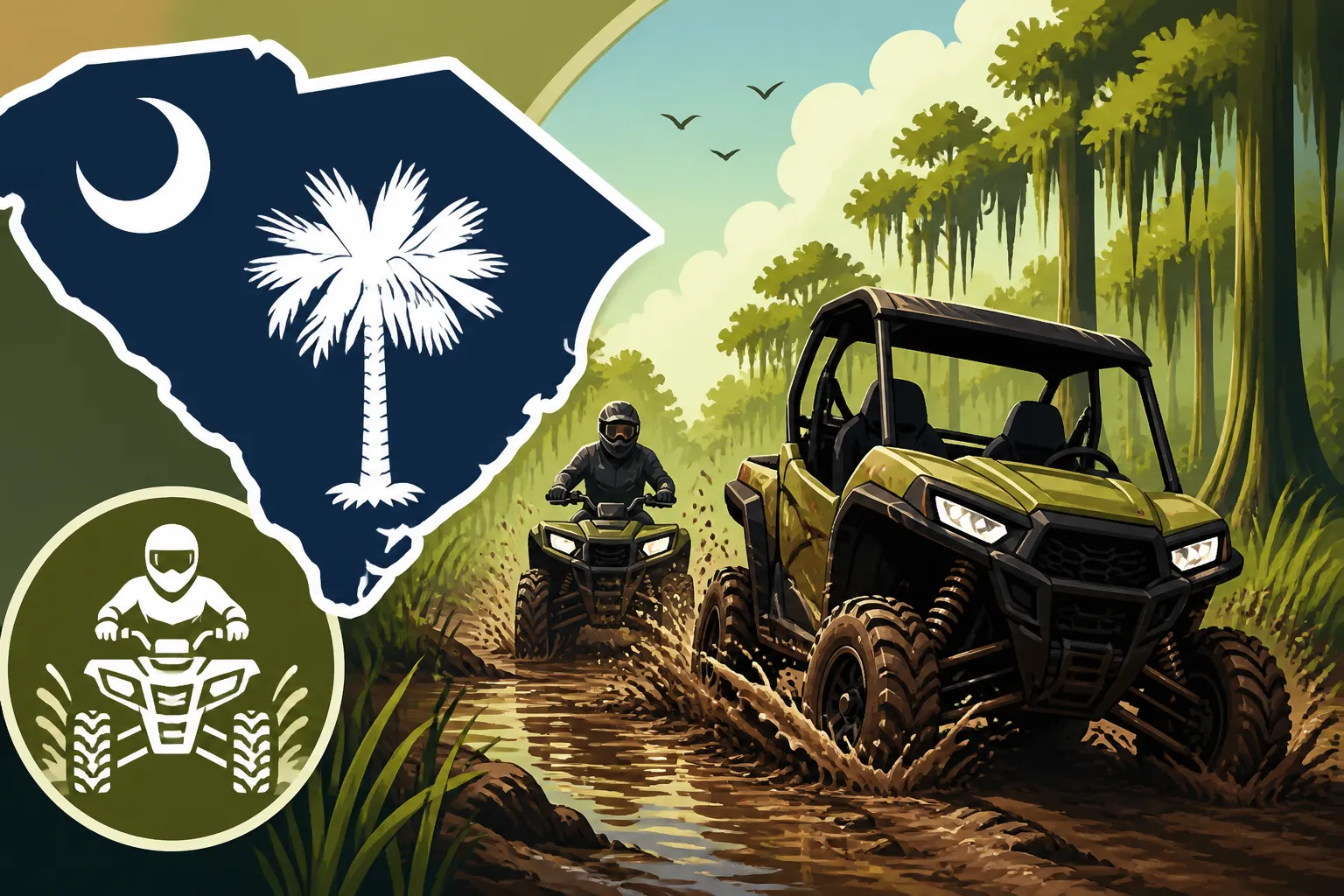
Imagine an old dirt road, deeply rutted, with standing water in the low spots, bordered by cypress trees draped in Spanish moss. That's a classic image. But a "swamp road" can encompass more than just the picturesque, deep-South bayou trails. It might be a sandy path through a coastal marsh that turns into a bog after a heavy rain, a hard-packed clay road that becomes a slick, soupy mess, or a gravel track that disappears under a foot of water during seasonal flooding. What unites them is their persistent wetness and the unique challenges they present for off-road vehicles. These aren't always "designated" trails in the traditional sense; sometimes they are merely tracks of convenience that have formed over time.
Public vs. Private Land: Who Owns the Swamp Road?
This is perhaps the most critical distinction. The legalities of riding on a swamp road are almost entirely dependent on whether that land is public or private. South Carolina has a lot of private land, including vast timber company holdings, hunting club leases, and family properties, many of which contain these kinds of wet, unpaved roads. Without explicit permission from the landowner, riding on private property is trespassing, plain and simple, even if there are no "No Trespassing" signs visible. On the flip side, some public lands, like certain areas within the national forests, might have designated trails that traverse wet areas, but these are usually clearly marked and regulated. Never assume a path is public just because it looks old or appears unused. [South Carolina Trespass Law for Riders] is no joke, and it applies vigorously.
The Legal Gray Area: When is a Swamp Road a "Road"?
This question gets tricky. From a legal standpoint, a "road" typically refers to a path maintained for public travel. Many informal "swamp roads" don't fit this description. They might be private easements, unmaintained tracks, or even just natural clearings. If a "swamp road" is on private land, it's treated as private property, regardless of its condition. If it's on public land, its designation (trail, service road, or actual public thoroughfare) will dictate if and how you can ride your ATV or UTV there. Furthermore, a natural creek bed, even if it looks like a "road," is generally not considered a road for vehicle travel, and riding in them can be a serious environmental violation. Knowing the difference is key to staying out of trouble.
General South Carolina ATV/UTV Laws and Swamp Riding
Beyond the specific terrain, all general South Carolina laws pertaining to ATVs and UTVs still apply, whether you're riding in a dry field or a soggy swamp. Understanding these foundational rules is paramount to responsible and legal off-road adventure.
Chandler's Law and Off-Road Machine Regulations
South Carolina's primary law governing ATVs is known as [South Carolina Code Section 50-26-50], or Chandler's Law. This statute dictates rules for ATV operation, rider age restrictions, safety certificate requirements for young riders, and helmet use. While it primarily focuses on safety aspects and general public land use, its core tenets apply everywhere. For instance, if you're riding with a minor on a private swamp road, they still need to adhere to the age and safety certificate rules. Even on private land, serious accidents can still lead to legal ramifications if rules like adult supervision for minors aren't followed.
Property Access and Trespassing Concerns
Let's be absolutely clear: you cannot just ride onto a "swamp road" that crosses private land without permission. Even if a gate is open, or there's no fence, that doesn't grant you access. Property ownership in rural South Carolina can be complex, often involving generations of family land or large timber company holdings. Always seek explicit, written permission from the landowner before venturing onto any private "swamp road." This isn't just about avoiding a fine; it's about respecting private property rights and maintaining good relationships with the local community. [Getting Written Permission From a Timber Landowner] is a crucial step if you want to explore those backwoods trails legally.
Environmental Regulations and Water Crossings
South Carolina's beautiful and diverse ecosystems, especially its wetlands and waterways, are protected by state and federal laws. This means that riding through creeks, streams, or large bodies of standing water can be illegal if not done at designated crossings or if it causes environmental damage. [South Carolina Watercourse Crossing Rules] are quite specific: you generally can only cross at a ford or a bridge. Driving upstream or downstream in a streambed, or creating new ruts in a wetland area, can lead to substantial fines. These rules are in place to prevent erosion, protect water quality, and preserve critical habitats for fish and wildlife.
Essential Gear and Responsible Practices for Swamp Road Riding
Riding through swamps isn't just about legality; it's about preparedness. The challenging conditions demand specific machine modifications and a vigilant approach to safety and environmental stewardship.
Outfitting Your Machine for Wet Conditions
If you're serious about tackling swamp roads, your machine needs to be ready. Stock ATVs and UTVs aren't typically built for deep water crossings and thick mud. Consider:
- Snorkels: These raise the air intake and exhaust outlets of your engine, CVT, and differentials above the water line, preventing hydrostatic lock or water contamination. Companies like SuperATV offer a range of snorkel kits designed for various machines. [Snorkels for a Carolina Creek] are almost a necessity if you plan on deep water.
- Aggressive Tires: Mud-specific tires with deep, open lugs provide the traction needed to claw through thick mud and pull you out of sticky situations.
- Lift Kits: Raising your machine's ground clearance helps prevent belly-dragging and protects sensitive components from submerged obstacles.
- Winch: A powerful winch is your best friend when you get stuck. Make sure it's properly installed and you have the necessary recovery gear (tree saver straps, shackles). You'll be glad you invested in [Winches for a Buried Carolina Machine] when you're axle-deep in muck.
- Sealed Bearings and Greasable Bushings: These upgrades help keep water and grit out of critical components, extending their lifespan.
- Skid Plates: Protecting your undercarriage from submerged logs, rocks, and debris is vital.
| Modification Type | Purpose | Benefit for Swamp Riding |
|---|---|---|
| Snorkel Kit | Raises air intake, CVT inlet/outlet, and differential vents. | Prevents water from entering critical engine/drivetrain components. |
| Mud Tires | Aggressive tread pattern with large lugs. | Maximizes traction in deep mud, improving forward momentum. |
| Lift Kit | Increases ground clearance. | Reduces chances of getting hung up on submerged obstacles and logs. |
| Winch | Mechanized pulling device. | Essential for self-recovery when stuck, or assisting others. |
| Skid Plates | Armored plating for the underside of the machine. | Protects vital components (engine, transmission, differentials) from impact. |
| Sealed Electronics | Waterproofing for wiring harnesses, switches, and fuse boxes. | Prevents electrical failures due to water intrusion. |
Rider Safety and Preparedness
Your personal safety is paramount. When riding in wet, isolated areas:
- Wear Appropriate PPE: A DOT-approved helmet, eye protection, sturdy boots, gloves, and long pants are non-negotiable. Even in a swamp, rocks and debris can be kicked up. [South Carolina Equipment Requirements for ATVs] apply.
- Never Ride Alone: The chances of getting stuck or having an incident are much higher in swampy terrain. Always ride with at least one other machine.
- Communication: Cell service can be spotty in remote areas. Carry a satellite communicator, two-way radio, or personal locator beacon (PLB) for emergencies.
- First Aid Kit: A well-stocked kit is essential, along with training on how to use it.
- Hydration and Snacks: Even on cloudy days, physical exertion in humid environments can lead to dehydration.
- Tools and Repair Kit: Basic tools, tire repair kits, and spare parts (belts, fuses) can save you a long walk. Many riders use accessory mounts from brands like SuperATV to secure tools and recovery gear to their machines.
- Know Your Limits: Don't attempt obstacles or water crossings that are beyond your skill level or your machine's capabilities. There's no shame in turning back.
Leaving No Trace: Protecting South Carolina's Ecosystems
Responsible riding means minimizing your impact on the environment. Swamp ecosystems are delicate and can be easily damaged.
- Stay on Designated Paths: If you're on a public trail, do not create new bypasses or widen existing trails. On private land, stick to the route the landowner has approved.
- Avoid Sensitive Areas: Steer clear of sensitive vegetation, bird nesting sites, or fragile habitats.
- Pack It In, Pack It Out: Leave no trash behind. This includes broken parts, fuel containers, and food wrappers.
- Mud Management: Avoid riding during extremely wet conditions if it will lead to excessive rutting and trail damage. [South Carolina Trail Closures After Rain] are common on forest lands for this reason.
- Spark Arresters: Ensure your machine is equipped with a functioning spark arrester to prevent wildfires, especially during dry spells. [South Carolina Spark Arrester Requirements] are a legal mandate.
Navigating the Legalities of Trail Access and Permits
Securing legal access to ride on swamp roads in South Carolina requires understanding where permits are needed and how to obtain proper permission for private lands.
Permits and Public Land Access
While South Carolina has beautiful national forests, the vast majority of "swamp roads" you encounter will likely not be designated public ATV trails. National Forests like Sumter and Francis Marion do have designated OHV trails (e.g., Enoree, Parsons Mountain, Wambaw, Cedar Springs), but these are generally well-maintained trails, not necessarily deep swamp roads. These trails require a [South Carolina National Forest OHV Passes], which can be day or season passes. However, these specific trails typically have strict width limits (often 50 inches), making many wider UTVs ineligible, and they have clear rules against venturing off the marked path or creating new ones in wet areas. Riding ATVs or UTVs in most Wildlife Management Areas (WMAs) is generally prohibited, even on seemingly informal roads. Always check with the specific land management agency before assuming access.
Private Land Agreements and Written Permission
As mentioned, the most common scenario for legally riding on a "swamp road" in South Carolina will be on private land. This means securing direct permission from the landowner. It's not enough to know "someone who knows someone." You need explicit, preferably written, permission. This could be from:
- Individual Landowners: If you know a private landowner with swampy property, approach them respectfully, explain your intentions, and ask for permission. Offer to help maintain the property or fix any damage.
- Hunting Clubs/Leases: Many hunting clubs lease large tracts of land that contain such roads. If you're a member or know a member, clarify the club's rules on ATV/UTV use.
- Timber Companies: Large timber companies own massive amounts of land in South Carolina. Some have formal permitting systems for recreational access, while others strictly prohibit it. Never assume.
Always carry a copy of your written permission with you when riding on private land. This can save you a lot of trouble if you encounter law enforcement or property managers.
What a Deputy Can Ask to See
Should you encounter a law enforcement officer, whether on public or private land (if they suspect trespassing or other violations), they can ask for specific documentation and information. Be prepared to show:
- Identification: A valid driver's license or state ID.
- Proof of Ownership: This could be a title (even though [South Carolina Titles Are Optional] for off-road ATVs, having one is good proof), a bill of sale, or a Manufacturer's Certificate of Origin (MCO). If you own it, you should be able to prove it.
- Permission to Access: If on private land, your written permission from the landowner is crucial.
- Safety Certificate (if applicable): If a minor is riding, they must carry their [South Carolina Safety Certificate Requirements].
Being polite, cooperative, and having your paperwork in order will go a long way in resolving any questions quickly and positively. Remember, deputies are primarily concerned with safety, environmental protection, and preventing trespassing.
Disclaimer
This article is for general informational purposes only and does not constitute professional advice. Laws, prices and regulations vary by location and change over time. Consult a qualified professional for guidance on your specific situation.