South Carolina Golf Cart Daylight Rules
Many folks moving to or living in South Carolina love the idea of zipping around in a golf cart, especially in our beautiful coastal towns or quiet neighborhoods. But there's a huge misconception that you can just hop in and go whenever you please, leading to potential fines, accidents, and a whole lot of confusion, especially when the sun starts to dip. This guide is going to clear up all that fuzziness, specifically focusing on the critical rules surrounding golf cart operation during daylight hours in the Palmetto State.
Understanding South Carolina's Golf Cart Permit System
The Basics of Golf Cart Operation in South Carolina
It’s easy to see why golf carts are so popular here in South Carolina. They’re convenient, fun, and can make short trips around your neighborhood or to the local shops a breeze. But before you even think about putting the key in the ignition, it’s absolutely crucial to understand that a golf cart, when operated on public roads, isn't just a toy. It's considered a vehicle, and with that comes a specific set of rules and regulations designed to keep everyone safe. One of the very first hurdles you'll face is obtaining a permit from the South Carolina Department of Motor Vehicles (SCDMV).
This isn't a suggestion; it's a legal requirement if you plan to take your cart anywhere beyond your private property. Think of it like getting a driver's license for your car – you wouldn't drive without one, right? The same principle applies here. Without that permit, even a quick trip to a neighbor’s house on a public street could land you in hot water. The process is straightforward, but it requires a few pieces of documentation, including proof of ownership and insurance, which is another non-negotiable part of the equation. [South Carolina Golf Cart Permit Steps] walks you through that process.
You'll need to make sure your golf cart is actually defined as a golf cart under state law. This means it's designed and manufactured for operation on golf courses and for transportation of not more than four persons, including the driver, and equipped with safety features like headlights, taillights, turn signals, and a rearview mirror. If your machine is souped-up with off-road tires and a lift kit, it might actually fall into a different category, like a low-speed vehicle, which has its own distinct set of regulations. Make sure you know what you're driving to avoid any unexpected surprises.
The Purpose of the Permit and Its Limitations
So, why does the state make you jump through these hoops for a golf cart? Simple: safety and accountability. The permit system ensures that golf cart operators have basic liability insurance coverage in case of an accident and that there's a clear record of who is responsible for the vehicle. It's about protecting both the driver and others on the road, including pedestrians, cyclists, and other motorists. When you have that permit decal prominently displayed on your golf cart, it signals to law enforcement that you’ve met the state’s minimum requirements.
However, having a permit doesn't grant you carte blanche to cruise wherever you want, whenever you want. The permit comes with very specific limitations, chief among them being the "daylight hours" rule we’re diving into today. It also dictates where you can drive your cart – generally on secondary roads and streets with a speed limit of 35 mph or less – and how far you can venture from your home or the property it's registered to. These aren't arbitrary rules; they're in place because golf carts are not designed with the same safety features or speed capabilities as regular automobiles, making them vulnerable, especially in certain conditions. [South Carolina Golf Cart Radius and Speed Rules] provides more detail on these restrictions.
Many local jurisdictions, particularly coastal towns like Isle of Palms or Folly Beach, often have their own additional ordinances regarding golf cart use. While state law sets the baseline, a city or town can impose stricter rules, such as specific street designations where carts are prohibited, or even additional equipment requirements. It's always a good idea to check with your local municipal office or police department to ensure you're fully compliant with any hyper-local rules. Ignorance of the law, as they say, is no excuse, especially when safety is on the line.
The Nitty-Gritty of Daylight Operation
When "Daylight Hours" Officially Begin and End
This is where a lot of golf cart owners get tripped up, and it's absolutely critical to understand: South Carolina law is very clear that golf carts can only be operated during daylight hours. But what exactly does "daylight hours" mean? It's not just "when the sun is up." The legal definition is a bit more precise. Generally, it means from one-half hour after sunrise to one-half hour before sunset. This definition aligns with many other traffic laws regarding vehicle lighting and visibility.
So, if the sun rises at 6:30 AM, you shouldn't be driving your golf cart until 7:00 AM. Conversely, if sunset is at 7:00 PM, you need to have your cart parked and off the public roads by 6:30 PM. This isn't just about whether you can see the road; it's about whether other drivers can clearly see you. Golf carts are small, relatively slow, and blend into the background easily as light fades. Trying to squeeze in one more run to the grocery store as dusk settles can be a recipe for disaster, making you a less visible target for cars traveling at higher speeds.
Always err on the side of caution. If it looks like it’s getting dim, or if there's heavy fog, rain, or any other condition that reduces visibility, it’s best to keep your golf cart parked. The goal is to maximize your visibility to other motorists, and strict adherence to the daylight hours rule is your first line of defense. Remember, the law is designed to prevent accidents, not just to give law enforcement something to enforce.
The Perils of Riding in Dim Light or After Dark
Operating a golf cart outside of designated daylight hours is not only illegal but incredibly dangerous. As soon as the sun begins to set, or even on a heavily overcast day, visibility drops dramatically for everyone on the road. For golf cart drivers, this means you might struggle to see obstacles or pedestrians, and more importantly, other vehicles will have a much harder time seeing you. Standard golf cart lights, even if functioning, are typically not designed for nighttime driving on public roads, especially compared to the powerful headlights of cars and trucks.
The consequences of riding outside of daylight hours can be severe. First, there's the legal aspect: you could face fines and penalties. [South Carolina Fines of $50 to $200] might be imposed, and depending on the specific circumstances, other charges could be added. Second, and far more critical, is the increased risk of an accident. Even a minor fender bender in a golf cart can result in serious injuries, given their open-air design and lack of robust safety features like airbags or a full roll cage. The risk of collision with a larger, faster-moving vehicle skyrockets when visibility is compromised.
Imagine a busy street in Myrtle Beach or Hilton Head Island. Tourists in rental cars, locals heading home from work, and everyone is trying to get somewhere. Now imagine a small, relatively slow golf cart, not well lit, trying to navigate that same traffic after dark. It's a terrifying scenario. Even if your cart has aftermarket lights, the law is still the law. It’s a bright line rule for a reason: to keep everyone safe.
Essential Equipment for Safe Daylight Riding
Beyond the Basics: Lighting and Reflectors
While the "daylight hours" rule might suggest that lighting isn't as critical during the day, that's not entirely true. Even in broad daylight, good visibility can be compromised by shadows, bright sun glare, or adverse weather conditions. South Carolina law specifies that golf carts operated on public roads must be equipped with certain safety features. This includes working headlights, taillights, turn signals, a rearview mirror, and a safety warning device (like a horn). Many aftermarket companies, like SuperATV, offer upgrade kits that provide brighter, more robust lighting options for golf carts, which can be a smart investment even for daytime use.
Beyond the legally mandated lights, consider adding reflective tape or decals to your golf cart, especially on the front, back, and sides. This simple, inexpensive addition can significantly improve your cart’s visibility, particularly when crossing intersections or making turns where sunlight might be at an odd angle. Think about it: a golf cart is relatively low to the ground, and anything that makes it stand out more to drivers in larger vehicles is a huge advantage. Brightly colored flags, particularly those on a tall pole, can also make your cart more noticeable, especially in areas with parked cars or blind spots.
Regularly check all your lights to ensure they are clean and in good working order. A burnt-out bulb might seem minor, but it could lead to a citation or, worse, an accident. Brake lights, in particular, are vital for signaling your intentions to traffic behind you, preventing rear-end collisions. Don't assume that because it's daytime, your lights don't matter; they provide an extra layer of safety and communication on the road.
Other Safety Gear to Consider for Your Cart
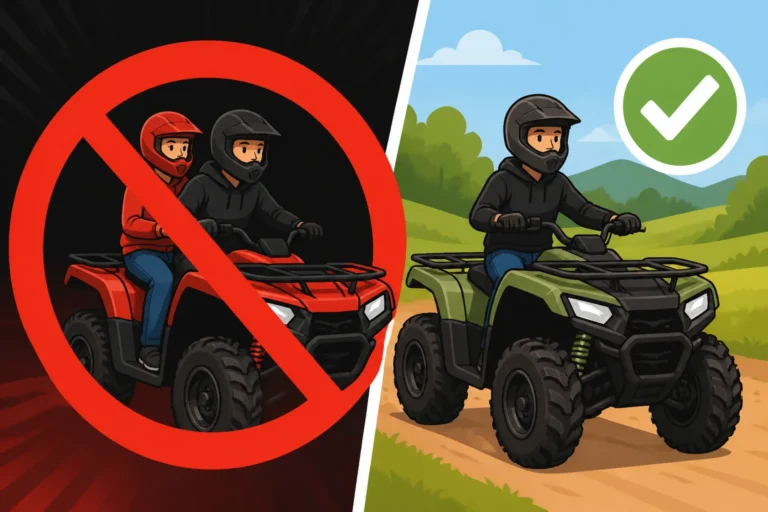
While South Carolina doesn't require helmets for golf cart riders (unlike some ATV laws, for instance, [South Carolina ATV Helmet Law]), it's always a good idea to consider additional safety gear. For instance, seat belts are typically standard on most newer golf carts, but if yours doesn't have them, or if they're worn, it’s highly advisable to install or replace them. In a sudden stop or collision, even at low speeds, seat belts can prevent occupants from being ejected from the vehicle or striking the interior.
Mirrors are another critical component. While one rearview mirror is mandated, consider adding side mirrors, especially if your cart is frequently used in areas with pedestrian traffic or in tight turns. The more visibility you have of your surroundings, the better equipped you are to react to unexpected situations. [South Carolina Golf Cart Permit Rules] often touches on these basic equipment needs.
Moreover, think about what you carry on your cart. Secure all loose items so they don't fall off and become road hazards or distractions. If you're using your cart to haul groceries or beach gear, make sure everything is tied down or stored in a secure compartment. A rolling cooler or a tumbling beach bag can quickly become a distraction or, worse, something that falls into the path of another vehicle. Taking these extra steps ensures not just your safety, but the safety of everyone sharing the road with you.
Where You Can (And Can't) Ride Your Golf Cart
Navigating Residential Streets and Local Ordinances
The permit you acquire for your golf cart typically allows you to operate it on secondary roads and streets where the posted speed limit is 35 miles per hour or less. This usually means residential streets and many local avenues, especially in planned communities, retirement villages, and coastal towns. However, it's not a blanket allowance for all roads. Major thoroughfares, state highways, and certainly interstates are strictly off-limits to golf carts, regardless of the time of day. These roads are designed for higher speeds and heavy traffic, making golf carts a significant hazard.
Beyond the state-level regulations, local municipalities in South Carolina have the authority to enact their own specific ordinances concerning golf cart usage. This is a crucial point that many owners overlook. For example, a town might designate certain roads as golf cart friendly, while explicitly banning them from others, even if those roads technically fall under the 35 mph speed limit. Some areas, like certain parts of Charleston, might have very strict rules due to heavy tourism and traffic, while a quieter, more residential town might be more lenient within state guidelines. Always check with the local police department or town hall for specific rules in your area.
It's also important to remember that golf carts are generally not allowed to cross major roadways unless a specific crossing point is designated and permitted. You can't just drive across a multi-lane highway, even if it's clear. These local rules and nuances are designed to integrate golf carts safely into the existing traffic flow without impeding emergency services or creating undue congestion. A little research into your local laws can save you a lot of hassle and potential fines.
Distance Restrictions and Speed Limits
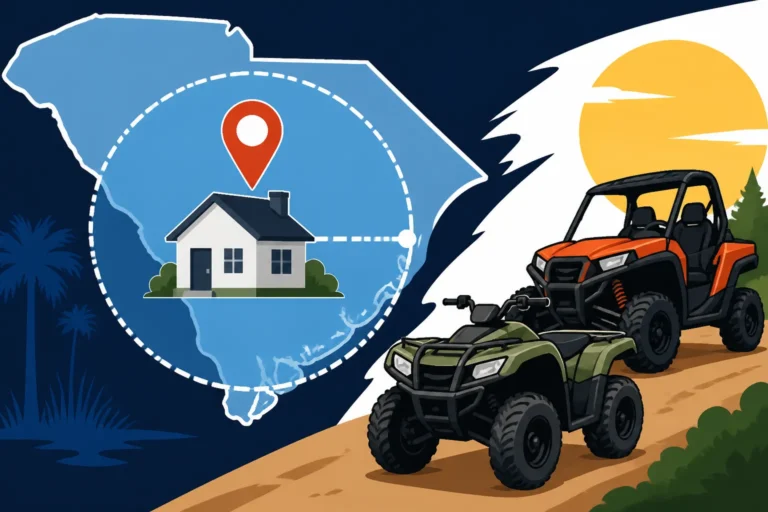
South Carolina law also places restrictions on how far you can drive your golf cart from your residence or the property to which the cart is registered. Generally, you're limited to a four-mile radius from your home or the property line. This "four-mile rule" is pretty consistent across the state and is designed to ensure golf carts are used for local, short-distance transportation rather than for extensive travel. [South Carolina Cart Rules 4 Miles From Home] is a good resource for understanding this in more detail.
This distance restriction means you need to plan your trips carefully. That quick run to a shop that’s five miles away might technically put you in violation, even if you’re otherwise following all the rules. The idea is that if you need to go further, you should be using a vehicle designed for those distances and speeds. Remember, the design and safety features of a golf cart are optimized for slower speeds and shorter distances.
Speed limits are another non-negotiable aspect. Even if you're on a 35 mph road, your golf cart itself has a maximum speed it's designed to travel. State law often limits golf cart speed to 35 mph, but many carts don't even reach that. Trying to push your cart beyond its safe operating limits, or ignoring posted speed limits, creates a dangerous situation. Aftermarket modifications to increase speed might void your permit or even classify your vehicle differently, leading to greater legal exposure. Companies like SuperATV can provide performance upgrades, but it's essential to understand how these might impact your vehicle's legal classification and safe operation on public roads. Always prioritize safety and compliance over speed.
South Carolina Golf Cart Rules at a Glance
| Feature/Rule | Requirement | Important Considerations |
|---|---|---|
| Permit | Required from SCDMV for public road use. | Must carry proof of ownership & insurance. |
| Daylight Operation | Strictly limited to 30 minutes after sunrise to 30 minutes before sunset. | Do NOT operate in dim light, fog, or after dark. Visibility is critical. |
| Roads Allowed | Secondary roads/streets with speed limit 35 mph or less. | Major roads, highways, interstates are PROHIBITED. Check local ordinances for specific street bans. |
| Distance Limit** | Within a 4-mile radius of your residence/property line. | Plan trips carefully to stay within this boundary. |
| Speed Limit | Max 35 mph (for the road). Your cart should not exceed its design speed. | Aftermarket modifications may change legal classification. |
| Required Equipment | Headlights, taillights, turn signals, rearview mirror, horn. | Regularly inspect lights; consider reflective tape and additional mirrors for enhanced visibility. |
| Insurance | Mandatory liability insurance. | Protects you and others in case of an accident. |
| Driver Age | Must be 16 years old with a valid driver's license. | No provisional permits or learning permits allowed for golf cart operation on public roads. |
| Passengers | Limited by the number of seats designed for passengers. | Ensure all passengers are seated and using seat belts if available. |
Navigating the rules for golf carts in South Carolina doesn't have to be confusing, but it does require attention to detail and a commitment to safety. The "daylight hours" rule is perhaps the most misunderstood yet critical aspect of responsible golf cart ownership here in the Palmetto State. By understanding when and where you can legally and safely operate your cart, you ensure enjoyable rides and avoid unnecessary risks or penalties.
It’s about respecting the law, respecting other drivers, and most importantly, respecting your own safety and that of your passengers. So, get that permit, ensure your cart is properly equipped, and always keep an eye on the clock as the day winds down. Happy (daylight) riding!
Disclaimer
This article is for general informational purposes only and does not constitute professional advice. Laws, prices and regulations vary by location and change over time. Consult a qualified professional for guidance on your specific situation.