Beach Riding Needs the Owner’s Permission First
The dream of cruising along South Carolina's picturesque coastline on your ATV or UTV might be a common fantasy for many off-road enthusiasts, but the reality is far more complex and legally restrictive than simply rolling onto the sand. This guide will meticulously break down the intricate rules and critical considerations surrounding beach riding in the Palmetto State, helping you understand when, where, and under what specific conditions such an activity might be permissible, and why permission is always the absolute first step.
Understanding South Carolina's Stance on Beach Riding for ATVs and UTVs
South Carolina prides itself on its beautiful, pristine beaches, which are typically managed with a strong focus on public access, environmental protection, and the safety of all beachgoers. This means that, for the most part, simply driving an ATV or UTV onto a public beach is not permitted, and attempting to do so can lead to significant penalties. The rules are designed to protect the delicate ecosystem, prevent conflicts with swimmers and sunbathers, and maintain the aesthetic and recreational value of the coast for everyone.
The Core Rule: Permission is Paramount
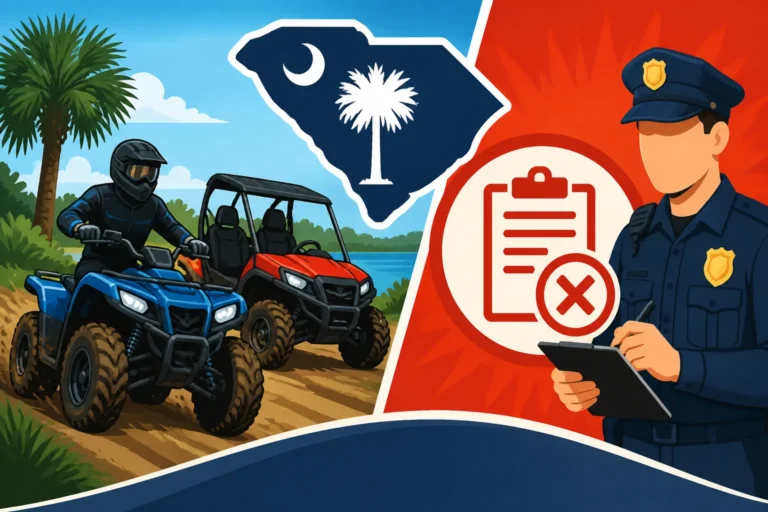
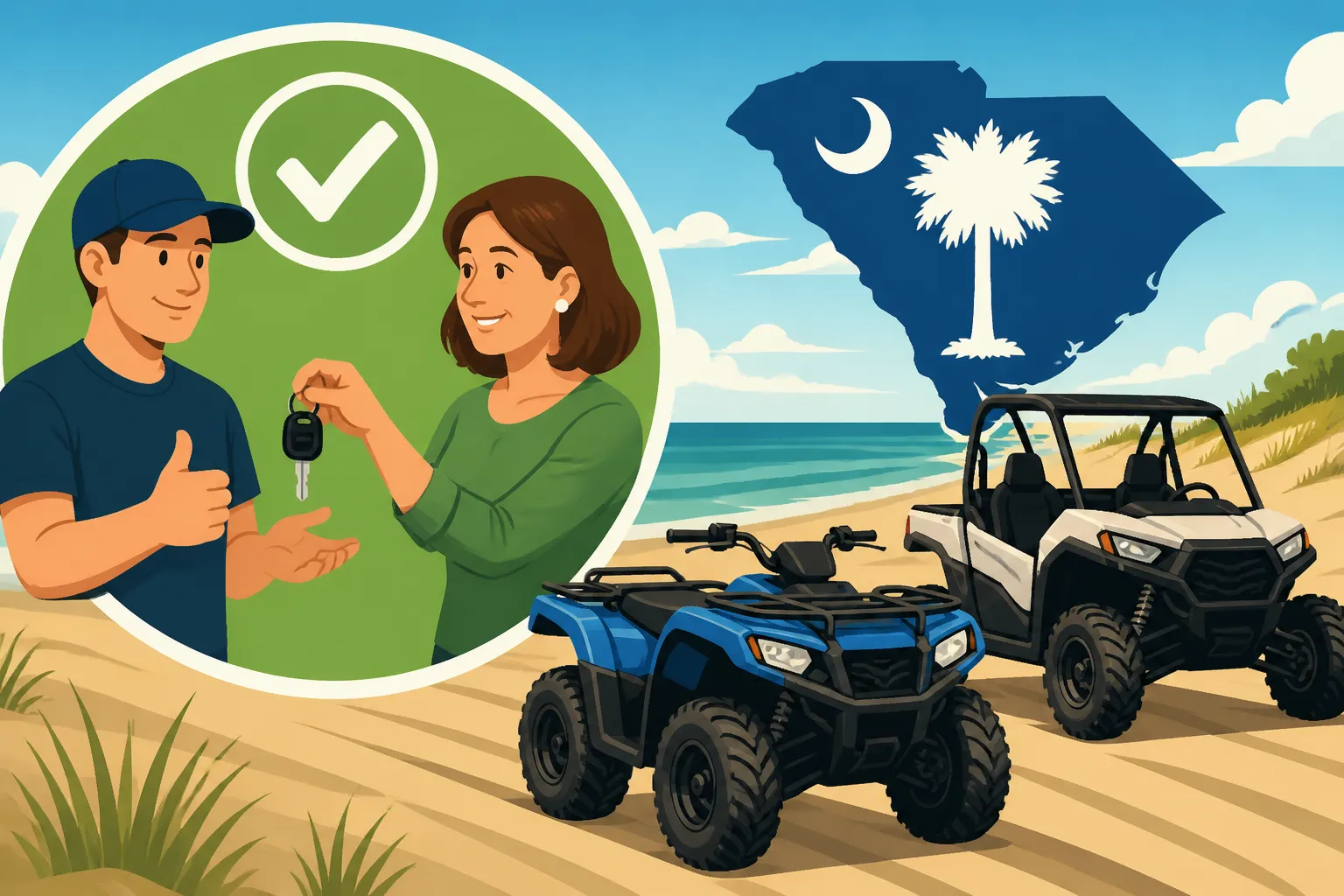
When it comes to riding any motorized vehicle, including ATVs and UTVs, on a South Carolina beach, the foundational principle is this: you must have explicit, documented permission from the landowner. Without it, you are almost certainly trespassing or violating local ordinances, regardless of whether the beach appears deserted or accessible. This isn't a suggestion; it's a legal requirement that underpins all other considerations. The state's general stance is highly protective of its coastal areas, and unauthorized vehicle access is taken seriously. Many people assume if they see a wide-open stretch of sand, it's fair game, but that's rarely the case. [South Carolina Beach Riding With Permission] is the only way to even begin to consider this activity.
Why Public Beaches are Generally Off-Limits
The vast majority of South Carolina's coastline consists of public beaches, managed by municipalities, counties, or the state. These areas are primarily designated for activities like swimming, sunbathing, fishing, and walking. Introducing high-powered off-road vehicles like ATVs and UTVs to these environments poses numerous problems. There's the obvious safety risk to pedestrians, especially children, who might not expect fast-moving vehicles. Then there's the environmental impact: ATVs and UTVs can compact sand, disturb nesting seabirds and sea turtles, damage fragile dune systems, and contribute to noise pollution. Because of these factors, public beaches almost universally prohibit ATVs and UTVs. Don't be fooled by tracks you might see; those are often from official vehicles (like law enforcement, lifeguards, or beach maintenance) with explicit operational permits, not recreational riders.
Differentiating Between ATVs, UTVs, and Golf Carts on the Sand
It's crucial to understand that different types of vehicles are treated very differently under South Carolina law when it comes to beach access, if at all.
- ATVs (All-Terrain Vehicles): These are designed for off-road use and are generally not street-legal. They are almost entirely prohibited on public beaches. Any beach riding would only be conceivable on private land with specific permission, and even then, local ordinances could still apply.
- UTVs (Utility Terrain Vehicles) / Side-by-Sides: Similar to ATVs, UTVs are primarily off-road machines. While South Carolina has recently opened pathways for [South Carolina Street-Legal UTV Registration Arrives], this registration pertains to specific public roads, not generally to beaches. Like ATVs, they are typically banned from public beaches. Private beach access requires the same strict permission. Some UTVs might be equipped with advanced traction systems, and brands like SuperATV offer specialized tires or lift kits that might seem ideal for sand, but no amount of vehicle modification negates the need for proper legal permission.
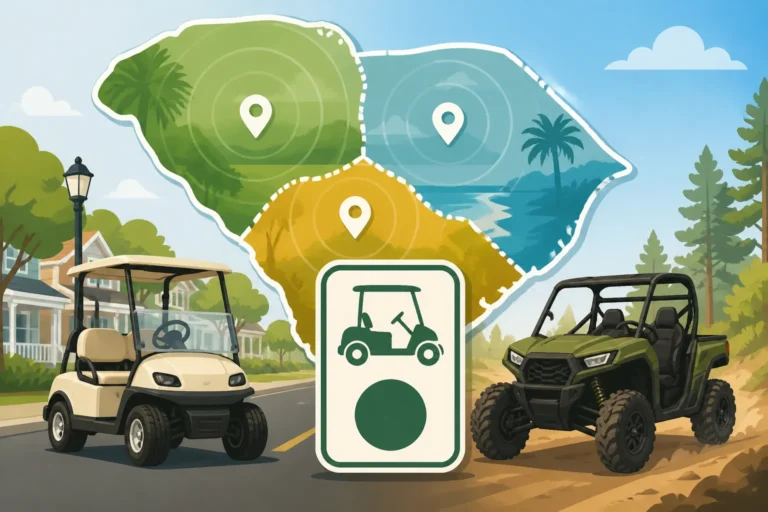
- Golf Carts: Golf carts operate under a different set of rules. While still highly restricted, some municipalities do have specific ordinances that allow golf carts on certain designated public streets, and occasionally, with very strict conditions, on some designated sections of beach access points for specific purposes, usually for very short distances to access the sand or for fishing. However, these are rare exceptions and come with tight speed limits, daylight-only restrictions, and often require a specific [South Carolina Golf Cart Permit Fees] and decal. It's vital to check with the local municipality directly, as golf cart rules vary significantly from one beach town to another. A golf cart permit on a street does not automatically grant beach access.
Navigating Private Beach Access and Obtaining Permission
Given that public beaches are largely a no-go for ATVs and UTVs, your only real avenue for beach riding in South Carolina is on private property. This path, however, is not without its own significant hurdles and requires diligent effort and respect for property rights.
Identifying Private Beach Owners and How to Approach Them
The first and most challenging step is identifying land that is truly private, has beach frontage, and whose owner might be open to allowing ATV or UTV use. This isn't as simple as finding a stretch of undeveloped coast. Many beachfront properties are owned by individuals, resorts, or private communities. You'll need to do your homework. Property records are often public information, accessible through county assessor's offices or online GIS mapping systems.
Once you've identified a potential private owner, approaching them requires tact and professionalism. A cold call or unannounced visit is unlikely to yield positive results. Instead, consider:
- Written Request: A formal, polite letter or email explaining who you are, what kind of machine you have, precisely when and for how long you wish to ride, and how you plan to mitigate any impact (e.g., sticking to certain areas, noise considerations, environmental awareness).
- Local Connections: Sometimes, knowing someone who knows the landowner can open a door. Word-of-mouth or community connections can be invaluable in rural or less developed coastal areas.
- Offering Value: Perhaps you can offer a service in exchange, such as helping with property maintenance, clearing storm debris, or assisting with erosion control if you have the appropriate equipment and skills.
Remember, the goal is to build trust and demonstrate responsibility.
What to Include in Your Permission Request
When drafting your request for beach riding permission, be comprehensive and proactive in addressing potential concerns. Here's what you should consider including:
- Your Contact Information: Full name, address, phone number, and email.
- Vehicle Description: Make, model, year, and type of ATV/UTV. Mention any modifications relevant to beach use, such as specialized sand tires from a reputable brand like SuperATV, to show you're prepared.
- Specific Dates and Times: Be precise. "A weekend in July" is too vague. "Saturday, July 15th, from 9 AM to 12 PM" is much better.
- Area of Operation: Clearly define where on their property you intend to ride. Offer to stay far away from any residences, nesting areas, or sensitive dunes.
- Insurance Information: Provide proof of liability insurance. Even if not legally required for off-road use on private land, it shows you're responsible and protects the landowner in case of an accident. [Does an Off-Road Quad Need Insurance in South Carolina?] is a question many ask, but having it for this scenario is prudent.
- Safety Plan: Explain how you plan to ride safely, including wearing appropriate gear, not exceeding low speeds, and being mindful of any potential hazards.
- Environmental Commitment: State your commitment to leaving no trace, respecting wildlife, and avoiding sensitive ecological areas.
- Waiver of Liability: Offer to sign a liability waiver, releasing the landowner from responsibility for any injury or damage incurred during your ride.
- Contingency for Weather: Discuss what you'll do if weather conditions change.
The more thorough and considerate your request, the higher your chances of success.
Specific Considerations for Rental Properties and Community Beaches
If you're considering a rental property with beach access, remember that the renter (you) rarely has the authority to grant permission for ATV/UTV use. The owner or property management company holds that power. You would need to make your request directly to them, with the understanding that they might have strict policies against such activities due to insurance liabilities or community rules.
For private community beaches, the situation is even more complex. Access and rules are typically governed by a homeowners' association (HOA) or similar governing body. You would need to approach the HOA board with a formal request. These bodies often have very stringent rules to maintain peace and quiet, protect property values, and ensure the safety of all residents, making ATV/UTV access highly unlikely unless explicitly permitted by established bylaws. Their decision would usually reflect the collective will and concerns of all property owners in the community.
Legal Ramifications and Enforcement of Beach Riding Rules
Ignoring the rules about beach riding in South Carolina can lead to serious consequences, ranging from fines to impoundment of your vehicle. Law enforcement, including local police, county sheriffs, and state agencies, actively monitors beaches to ensure compliance with regulations.
Penalties for Unauthorized Beach Riding
Riding an ATV or UTV on a public beach without authorization is often considered a violation of local ordinances, state park regulations (if applicable), or even state law, particularly if it involves trespassing or damage to sensitive areas. The specific penalties can vary widely depending on the location and the nature of the offense, but commonly include:
- Fines: You could face [South Carolina Fines of $50 to $200] or even higher, especially if there's environmental damage or reckless endangerment. These fines can quickly add up if you're cited multiple times.
- Vehicle Impoundment: Law enforcement has the authority to impound your ATV or UTV, leading to towing and storage fees on top of any fines. Retrieving your machine can be a costly and time-consuming process.
- Criminal Charges: In severe cases, such as repeated offenses, extensive environmental damage, or reckless driving endangering others, you could face criminal charges beyond simple infractions.
- Liability: You could be held civilly liable for any damage caused to property or injury to individuals, leading to lawsuits.
It's simply not worth the risk. A fun ride can turn into a financial and legal nightmare very quickly.
How Local Ordinances Can Impact State Laws
While state laws provide a general framework, local municipalities along the coast (like Myrtle Beach, Folly Beach, Hilton Head, or Isle of Palms) often have their own specific ordinances that are even more restrictive regarding vehicles on beaches. These local rules are enacted to address the unique challenges and characteristics of their specific beachfronts. For example, one town might allow golf carts on certain access roads, while an adjacent town might ban them completely from any sandy area.
It is absolutely crucial to check the specific ordinances of the town or county where you intend to ride. You cannot assume that what is permitted in one coastal area will be allowed just a few miles down the road. Local government websites, town halls, or even a call to the local police department (non-emergency line, of course) can provide the most accurate and up-to-date information. Ignorance of local law is not a valid defense.
The Role of Law Enforcement on South Carolina Beaches
Law enforcement agencies, including local police departments, county sheriff's offices, and sometimes state Department of Natural Resources (DNR) officers, patrol South Carolina beaches. They are vigilant about enforcing rules regarding motorized vehicles, alcohol consumption, littering, and other activities that impact public safety and environmental preservation. They are trained to identify unauthorized vehicles and will not hesitate to issue citations or take further action.
If you are approached by an officer while riding on a beach, even if you believe you have permission, cooperate fully. Provide any requested documentation promptly, including your identification, proof of ownership for your ATV/UTV, and most importantly, your written permission from the landowner. [What a South Carolina Deputy Can Ask to See] includes these types of documents. Being respectful and compliant can often lead to a smoother interaction, even if you still receive a citation. Arguing or being uncooperative will only escalate the situation.
Best Practices for Responsible Beach Riding (When Permitted)
Even if you are among the very few fortunate individuals who obtain explicit, written permission to ride an ATV or UTV on a private South Carolina beach, your responsibility doesn't end there. In fact, it's just beginning. Operating an off-road vehicle in such a sensitive environment demands the utmost care and respect.
Environmental Considerations and Minimizing Impact
Riding on a beach is inherently impactful, and even with permission, you must strive to minimize your footprint. The coastal ecosystem is incredibly fragile and vital to the state's natural beauty and wildlife.
- Stay Clear of Dunes: Dunes are protected for a reason. They stabilize the coastline and provide critical habitat. Never drive on, near, or over dune systems. Stick to the hard-packed sand near the water's edge, if permitted.
- Protect Wildlife: Be acutely aware of nesting birds (especially during spring and summer), sea turtle nesting sites (marked and protected, typically May through October), and other coastal wildlife. Keep a lookout for crabs, small fish, and marine debris. Slow down or stop if you see any animals.
- Avoid Sensitive Areas: If the landowner has identified any specific sensitive areas (e.g., marsh grasses, areas with unique plant life, or designated conservation zones), respect those boundaries rigorously.
- No Spills, No Litter: Ensure your machine is in good working order to prevent fluid leaks. Pack out everything you pack in, and if possible, even pick up litter left by others. Leave the beach cleaner than you found it.
- Tire Pressure: Consider lowering your tire pressure slightly for sand riding. This increases your tire's footprint, provides better flotation, and reduces the chance of getting stuck or digging deep ruts. Just be sure to reinflate to manufacturer's recommendations once you're back on solid ground.
Your responsible actions will reflect not only on you but on all off-road enthusiasts and could influence whether such permissions are granted in the future.
Safety Gear and Machine Preparation for Sand
Safety remains paramount, especially in an unpredictable environment like a beach. Standard ATV/UTV safety gear is a must, and your machine needs specific preparation.
- Rider Safety Gear: Always wear an approved helmet, eye protection, long pants, a long-sleeved shirt, gloves, and over-the-ankle boots. Even at low speeds, a tip-over on sand can cause injuries. [South Carolina Helmet Rules for Young Riders] are strict, but adults should prioritize safety too.
- Machine Maintenance: Ensure your ATV or UTV is in top mechanical condition. Check brakes, throttle, and steering. Clean or replace your air filter, as sand can be very abrasive. Consider a pre-filter designed for dusty or sandy conditions.
- Recovery Gear: Even experienced sand riders get stuck. Always carry recovery gear, such as a tow strap, a small shovel, and a winch (if your machine is equipped). Consider a snatch block to aid in recovery. Companies like SuperATV offer a wide range of recovery equipment that can be invaluable in these situations. Never rely solely on another vehicle or person for recovery on the beach, as they might not be able to access the same areas.
- Communication: Have a fully charged phone or other communication device, as cell service can be spotty in some remote coastal areas. Let someone know your riding plan, including your expected return time and location.
- Hydration and Sun Protection: The sun can be intense on South Carolina beaches, even during cooler months. Bring plenty of water, sunscreen, and consider wearing sun-protective clothing.
Respecting Other Beachgoers and Local Wildlife
Even on private land, you might encounter other people or wildlife. Your behavior directly impacts their experience and safety.
- Low Speeds: Keep your speed to an absolute minimum. A slow, controlled pace is essential for safety, environmental protection, and noise reduction. This isn't a race track.
- Maintain Distance: Give wide berth to anyone else on the beach, whether they are walking, fishing, or relaxing. Assume they don't see or hear you.
- Noise Control: Keep engine noise to a minimum. Avoid unnecessary revving or modifications that amplify sound. The peacefulness of the beach is often its main appeal.
- Observe Posted Rules: If there are any additional rules or signs posted by the landowner, adhere to them strictly.
- Yield to Pedestrians: Always yield the right-of-way to pedestrians, equestrians, and any non-motorized beach users. They have priority.
Riding an ATV or UTV on a South Carolina beach is a privilege, not a right. When and if you are granted that rare privilege, exercising it with extreme caution, environmental awareness, and respect for others is the only way to ensure a positive experience and uphold the reputation of responsible off-road riding.
Disclaimer
This article is for general informational purposes only and does not constitute professional advice. Laws, prices and regulations vary by location and change over time. Consult a qualified professional for guidance on your specific situation.