South Carolina Rules for a Visiting Florida Rider
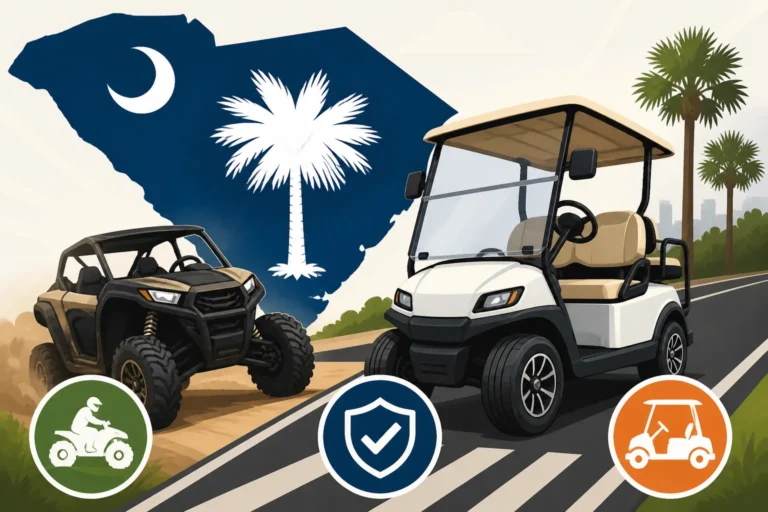
Planning a trip to the beautiful Palmetto State with your ATV or UTV can bring up a lot of questions, especially when you're used to Florida's unique set of rules. You might be wondering if your street-legal UTV from home will still pass muster, or if those casual golf cart cruises you enjoy back in Florida are even allowed here. This guide is designed to cut through the confusion and help you understand South Carolina's specific regulations for ATVs, street-legal UTVs, and even golf carts, ensuring your visit is all about fun, not fines.
Understanding South Carolina's Core ATV Rules for Off-Road Use
When you haul your ATV into South Carolina, one of the first things you'll notice is that the rules for off-road machines have a strong focus on rider safety and responsible operation. While many core principles might feel familiar to what you're used to in Florida, there are some distinct differences, especially concerning age restrictions and where you can actually ride. It's not just about finding a fun trail; it's about knowing the specific statutes that govern your machine once its tires hit South Carolina soil.
South Carolina's ATV Safety Regulations
South Carolina has a specific set of laws known as [Chandler's Law and South Carolina ATV Rules], which dictate how ATVs can be operated, particularly concerning younger riders. For instance, children under the age of six are legally prohibited from operating an ATV in the state. If you have younger riders in your family, this is a critical distinction that might differ from what you experience in other states, so it's essential to plan accordingly to keep everyone safe and compliant.
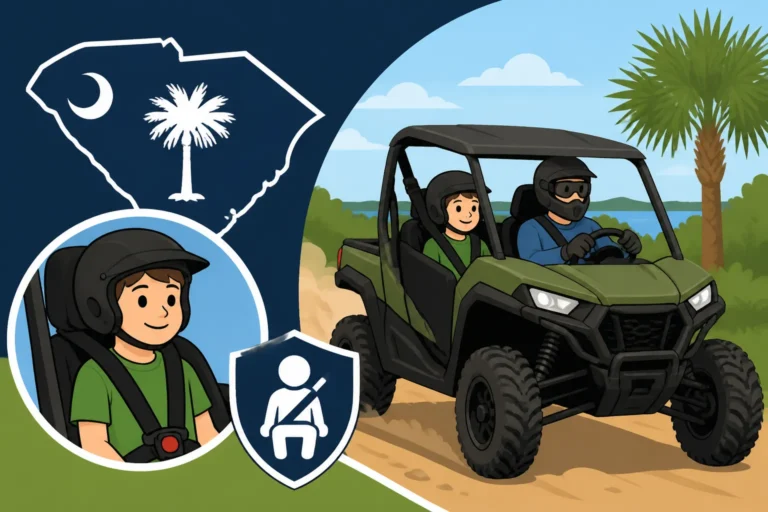
For riders aged 6 to 15, there are additional requirements. These young adventurers must successfully complete an approved ATV safety training course and carry their safety certificate with them while riding. Furthermore, they need to be under the direct supervision of an adult while on private property. This isn't just a suggestion; it's a legal mandate designed to prevent accidents and promote safe riding habits from a young age. Many parents appreciate these rules, as they provide a clear framework for introducing kids to the sport responsibly.
When it comes to protective gear, South Carolina takes helmet safety seriously, especially for its younger riders. Anyone under the age of 16 operating or riding as a passenger on an ATV must wear a safety helmet that meets federal standards. This is a non-negotiable rule aimed at protecting against head injuries, which are, unfortunately, all too common in ATV accidents. Even if you're riding on private land, these helmet rules still apply, so make sure all your young riders are properly equipped before you head out. [South Carolina Helmet Rules for Young Riders] are strict for a good reason.
Off-Road Equipment and Operational Guidelines
Beyond rider safety, South Carolina also has expectations for the ATVs themselves, particularly when it comes to basic equipment. One often-overlooked requirement is that all ATVs must be equipped with a spark arrester. This device is crucial for preventing wildfires, especially when riding in wooded areas or national forests like the Sumter National Forest. You might already have one on your machine, but it’s always wise to check before you hit the trails to avoid any issues with local authorities or forest rangers who might be conducting [South Carolina Equipment Checks by Officers].
Another important operational guideline for off-road ATVs is understanding where you can and cannot ride. Generally, ATVs are not allowed on public roads or highways in South Carolina. There are very limited exceptions, typically for agricultural purposes or crossing specific roadways. For the most part, your ATV is meant for designated trails, private property with permission, or off-road parks. Riding on the shoulder of a state highway, even for a short distance, could lead to a ticket, so always err on the side of caution. [Can You Ride an ATV on the Road in South Carolina?] – the answer is generally no.
If you plan on riding after dark, your ATV needs to be properly lit. This means having both headlights and taillights that are operational. While many trail systems have specific hours, if you find yourself needing to ride in low-light conditions or back to camp as dusk sets in, your machine needs to be visible. This is not just about avoiding citations; it's about your own safety and the safety of others who might be on the trails or private property. Visibility dramatically reduces the risk of collisions.
Navigating South Carolina's Street-Legal UTV Landscape as a Visitor
For a long time, the idea of a street-legal UTV in South Carolina was a bit of a gray area, often leading to confusion and frustration for riders, especially those from states like Florida that have had clearer regulations for years. However, recent legislative changes have brought much-needed clarity, creating a new pathway for UTVs to legally hit certain public roads. This is a game-changer for many, but as a visitor, understanding the nuances of these new rules is absolutely essential before you even think about airing up your tires for a street ride.
The New Era of South Carolina Street UTVs
South Carolina has opened the door for street-legal UTVs, allowing them to be titled and registered for use on secondary roads. This is a significant development, as it means you can now potentially connect trails, run into town for supplies, or simply enjoy a scenic cruise without the need for a truck and trailer for every short hop. Many UTV owners, especially those who appreciate the versatility of their machines, have been eagerly awaiting this. Think of all the places you've longed to explore that were just out of reach because of road restrictions; now, some of those barriers are coming down.
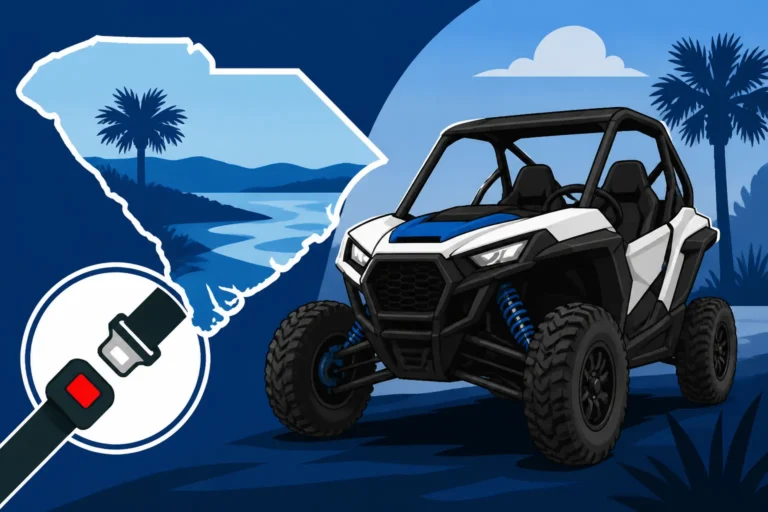
However, it's not a free-for-all. To qualify as street-legal, your UTV must meet specific equipment and size requirements, including a maximum width of 80 inches, a maximum weight of 4,000 pounds, and a top speed of no more than 55 mph. These specs are designed to ensure that UTVs on public roads can safely coexist with other vehicles. Aftermarket accessory providers like SuperATV offer a wide range of parts and kits that can help ensure your UTV meets these specific requirements, from turn signals to proper lighting and even windshields.
Beginning in November 2026, owners of qualifying UTVs will be able to apply for specific street-legal registration and receive a license plate. This is a critical step, as it formally recognizes your UTV as a road-worthy vehicle under state law. It's important to keep an eye on the exact procedures for registration as that date approaches, as the DMV will undoubtedly have specific forms and requirements for this new vehicle class. [South Carolina Street UTV Registration Arrives] is a topic many are watching closely.
Essential Requirements for Street-Legal Operation
One of the most crucial requirements for operating a street-legal UTV in South Carolina is obtaining proper insurance. Unlike off-road ATVs, which don't have a mandatory state insurance requirement, street-legal UTVs must carry the same minimum liability coverage as any other road vehicle. This means you'll need to contact your insurance provider and ensure your policy is updated to reflect its new street-legal status. It's a small but vital step that protects you and others in the event of an accident. [South Carolina Street UTV Insurance Rules] are not to be overlooked.
Beyond insurance, the operator of a street-legal UTV must hold a valid driver's license. A learner's permit won't suffice; you need a full, unrestricted license. This ensures that anyone operating a UTV on public roads has demonstrated basic driving competence. For younger drivers, there are also specific rules: those under 21 must wear a helmet, and there are age restrictions for passengers, particularly those under eight years old, who are not permitted. These rules are in place to prioritize the safety of all occupants and other road users. [South Carolina Street UTV Age of 17] and [South Carolina Street UTV Helmet Rules Under 21] are important to remember.
Furthermore, street-legal UTVs are restricted to roads with a posted speed limit of 55 mph or less. You won't be able to hop on the interstate or major highways, which are generally off-limits. This keeps UTVs on roads where their speed capabilities align better with other traffic. It's also important to note that if you've outfitted your UTV for rugged trail adventures, perhaps with a lifted suspension or specialized tires from brands like SuperATV, make sure these modifications don't compromise its stability or legality for street use. Always check your local jurisdiction, as some towns and counties may have their own additional ordinances concerning street-legal UTVs, even within the broader state framework.
Golf Cart and Low-Speed Vehicle Rules for the Florida Visitor
If you're accustomed to the seemingly ubiquitous golf carts zipping around Florida's neighborhoods, beaches, and even some main roads, you might find South Carolina's approach to these vehicles a bit more structured. While golf carts are a popular mode of transportation in many South Carolina coastal communities and planned developments, they operate under a distinct set of rules that are quite different from those governing ATVs or the newer street-legal UTVs. As a visitor, understanding these differences is crucial to avoid any unexpected run-ins with law enforcement.
South Carolina Golf Cart Permit System
Unlike Florida, South Carolina requires all golf carts operated on public roads to display a valid permit issued by the Department of Motor Vehicles (DMV). This isn't just a suggestion; it's a legal requirement, and you can be ticketed if your golf cart doesn't have one. The application process is relatively straightforward, but it does involve a small fee and showing proof of ownership and insurance. This permit needs to be renewed every five years, so if you're a regular visitor, it's something to keep in mind for long-term planning. [South Carolina Golf Cart Permits Compared] can show you the specific costs.
The permit system helps the state track these vehicles and ensures that they meet basic safety criteria. When you apply, you'll need to have your golf cart's serial number handy, along with your driver's license and proof of liability insurance. Remember, this permit is only for the cart itself; the driver still needs a valid driver's license to operate it on public roads. It's a two-tiered system: the cart needs its permit, and the driver needs their license.
Once you have your permit, you'll receive a decal that must be prominently displayed on the cart. This decal is the official sign that your golf cart is legally allowed on South Carolina's designated roadways. Without it, even if you have all your paperwork, a deputy might not be able to immediately verify its legality, leading to potential stops and delays. Always make sure your decal is visible and current, especially if you're cruising through busy tourist areas where golf carts are common.
Golf Cart Road Rules and Restrictions
South Carolina has very specific rules about where and when a golf cart can be operated on public roads. Generally, golf carts are restricted to secondary roads with a posted speed limit of 35 mph or less. This means you won't be taking your golf cart onto any major arteries or highways. Furthermore, there's a "radius rule": golf carts can only be operated within four miles of your home, rental property, or the place where the golf cart is typically garaged. This is a significant restriction that might feel very different from Florida's more expansive golf cart access in some areas.
Another key restriction is the time of day. Golf carts are generally permitted on public roads only during daylight hours. This is a safety measure, as most golf carts lack the robust lighting and reflective features of a standard automobile, making them difficult to see after dark. While some golf carts may have aftermarket lights, the law is clear: daylight operation only. This might affect your evening plans if you were hoping to use your golf cart for a night out.
It's also crucial to understand that a "golf cart" in South Carolina is distinctly different from a "low-speed vehicle" (LSV). An LSV is a street-legal electric vehicle that typically has a top speed between 20-25 mph and comes equipped with full safety features like seatbelts, headlights, taillights, turn signals, and a windshield. LSVs have different registration and operational rules and are generally afforded more access to roads than a simple golf cart. Don't confuse the two, as their legal standings and operating privileges are quite separate. [South Carolina Low-Speed Vehicle Plates] are a different class entirely.
Crucial Paperwork, Enforcement, and General Tips for Visitors
Planning a fun trip with your off-road machine to South Carolina means more than just packing your bags and gassing up the quad. It involves understanding the local laws, carrying the right documents, and knowing what to expect from law enforcement. As a visiting rider, particularly from a state like Florida, being prepared can make all the difference between a smooth, enjoyable vacation and one filled with unnecessary stress or even costly fines. Let's make sure you're ready for anything the Palmetto State throws your way.
Essential Documentation for Out-of-State Riders
When you're riding your ATV or UTV in South Carolina, whether on designated trails, private land, or approved public roads, always carry essential documentation. This includes your valid driver's license (if operating a street-legal UTV or golf cart), proof of ownership for your machine (like your title or registration from Florida), and proof of insurance, especially if it's a street-legal UTV. For young ATV riders who have completed a safety course, their [The Safety Certificate Riders 15 and Under Need] should always be on them.
For those with a street-legal UTV, your out-of-state registration and license plate will generally be recognized under reciprocity agreements, allowing you to operate legally on South Carolina's designated roads. However, it's always wise to ensure your machine meets South Carolina's equipment requirements, even if your home state's rules are slightly different. Brands like SuperATV specialize in accessories that can help ensure your UTV is compliant, from proper lighting kits to turn signals and mirrors, which might be critical for SC's street-legal status. It's better to be over-prepared than to risk a citation for a missing piece of equipment.
If you're riding an off-road ATV, while South Carolina does not require registration for trail use, having proof of ownership handy can still be beneficial. In the rare event of an accident, a theft, or a compliance check on private land, demonstrating that you are the rightful owner can prevent headaches. Think of it as your machine's ID card. While you might not need to present it daily, having it accessible in a waterproof bag on your machine or in your tow vehicle is a smart move. [South Carolina Proof of Ownership Without a Title] is a scenario you want to avoid.
Enforcement, Penalties, and Staying Informed
Law enforcement in South Carolina, including local police, county sheriffs, and DNR officers, are authorized to enforce ATV, UTV, and golf cart laws. If you're found in violation of state statutes, penalties can range from fines (which can be between $50 and $200 for ATV violations) to more serious consequences depending on the nature of the offense. For instance, operating an unpermitted golf cart on a public road or an unlicensed street UTV could lead to a citation and potentially other enforcement actions. [South Carolina Ticket Costs for Riders] can add up quickly.
Ignorance of the law is rarely an excuse, so it's critical for visitors to do their homework. Before your trip, take a few minutes to review the specific regulations relevant to your machine type and where you plan to ride. If you're going to be in a specific county or town, check if they have any local ordinances that might add to the state rules, particularly for golf carts. Many communities have websites that list these details.
Staying informed also means knowing what to do if you encounter a compliance check. Be polite, provide the requested documentation, and answer questions truthfully. If you feel a mistake has been made, it's best to address it through the proper legal channels rather than arguing on the spot. Your cooperation can often lead to a quicker resolution. Remember, officers are primarily concerned with safety and compliance, so demonstrating that you've made an effort to understand and follow the rules goes a long way.
General Tips for a Smooth South Carolina Riding Experience
To truly enjoy your time riding in South Carolina, embrace the local riding culture and respect the environment. Many trails, especially in national forests, have specific rules about waste disposal, noise levels, and trail etiquette. For instance, some areas may have width restrictions for ATVs or UTVs, or seasonal closures due to weather or hunting seasons. Always check [South Carolina Trail Conditions Before You Haul] or call the local ranger station if you're heading to a forest trail.
Consider equipping your machine for South Carolina's diverse terrain. From the sandy paths near the coast to the clay and rock of the Upstate, different environments call for different preparations. Good tires, sufficient ground clearance, and perhaps a winch (especially if you plan on tackling mud or more technical trails with your SuperATV-equipped rig) can save you from getting stuck and needing costly recovery. A first-aid kit, extra water, and a way to communicate (even if cell service is spotty) are always smart additions to your packing list.
Finally, be a good neighbor. Whether you're riding near private property, camping at a trailhead, or sharing a multi-use trail, courtesy goes a long way. Keep noise levels down in residential areas, yield to hikers or equestrians if on a shared trail, and always leave no trace. Your positive experience as a visitor contributes to a welcoming environment for all riders, ensuring that South Carolina remains a fantastic destination for ATV and UTV enthusiasts for years to come.
| Feature | Off-Road ATV | Street-Legal UTV (Post-Nov 2026) | Golf Cart |
|---|---|---|---|
| Registration | Not Required (for off-road use) | Required (with special plate) | Required (permit decal) |
| Insurance | Not Mandated (but recommended) | Mandated (minimum liability) | Mandated (minimum liability) |
| Operator License | Not Required (on private land/trails) | Valid Driver's License Required | Valid Driver's License Required |
| Age Restrictions | 6+ (with cert/supervision for 6-15) | 17+ to operate; 21+ for helmet exemption | Valid Driver's License age |
| Helmet Rules | Under 16 required | Under 21 required | Not required |
| Road Use | Generally Prohibited (few exceptions) | Secondary roads 55 mph or less | Secondary roads 35 mph or less, 4-mile radius |
| Daylight Only | No (requires lights for dark operation) | No (full lighting package required for night driving) | Yes |
| Equipment | Spark arrester, functional brakes, lights (if dark) | Headlights, taillights, turn signals, mirrors, seatbelts, horn | Functional brakes, mirrors (often), lights (not required for permit) |
Disclaimer
This article is for general informational purposes only and does not constitute professional advice. Laws, prices and regulations vary by location and change over time. Consult a qualified professional for guidance on your specific situation.