South Carolina Street UTV Requirements Explained
It's incredibly frustrating when you're excited about getting your UTV out on the open road in South Carolina, only to be met with a tangled web of confusing laws and requirements. Many riders feel like they're trying to hit a moving target, especially with recent changes. This guide is here to untangle all that for you, explaining exactly what you need to know and do to make your UTV street-legal in the Palmetto State.
The Evolving Landscape of South Carolina's Street-Legal UTV Laws
For a long time, the idea of driving your UTV on public roads in South Carolina felt like a legal gray area, leading to a lot of uncertainty and even some costly tickets for folks who just wanted to enjoy their machines. Trying to figure out what was allowed, where, and by whom often left riders scratching their heads. Thankfully, things have gotten much clearer, opening up new opportunities for UTV enthusiasts.
Understanding the Shift: Act 164 and Its Impact
Before recent legislative changes, UTV owners in South Carolina faced significant limitations, often restricted to private land or designated off-road parks. There wasn't a clear, statewide framework for making these versatile machines street-legal, leading to a patchwork of local ordinances and a lot of confusion. Many states had already embraced street-legal UTVs, and South Carolina riders rightly felt left behind. The frustration was palpable for those who wanted to use their side-by-sides for more than just trail riding—think quick trips to the store, cruising down scenic country roads, or simply getting from one piece of property to another without loading onto a trailer.
Then came [South Carolina Act 164 and Street UTVs], a landmark piece of legislation that finally provided a clear path forward. This act, signed into law, effectively created a new vehicle classification for street-legal UTVs, recognizing their growing popularity and potential for utility and recreation on public roads. It's a game-changer because it gives UTV owners the official recognition and guidelines they needed, eliminating much of the guesswork and anxiety about where they could legally operate. This shift means more freedom and flexibility for UTV owners to enjoy their machines beyond the dirt trails, integrating them more seamlessly into everyday life in rural and semi-rural areas. It's a direct answer to years of riders asking for more clarity and access.
What Qualifies as a Street-Legal UTV in South Carolina?
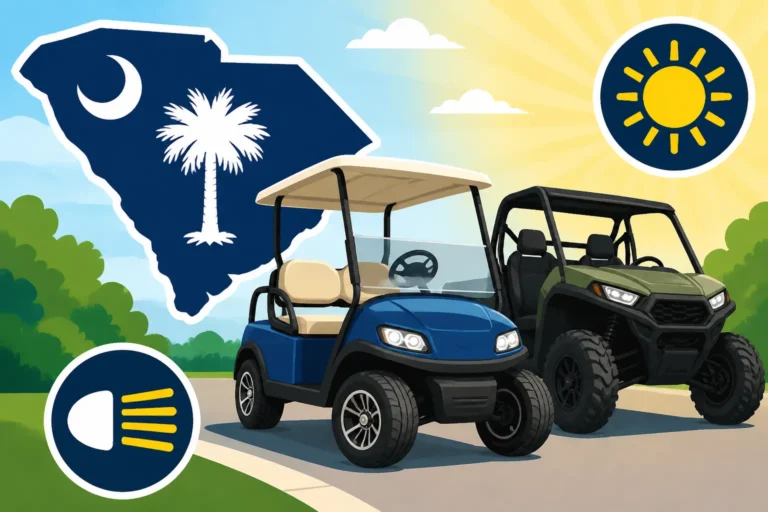
With the new regulations, not just any UTV can automatically become street-legal. There are specific characteristics and equipment requirements that differentiate a true street-legal UTV from its off-road-only counterparts, or even from other specialized vehicles like golf carts. The law is quite clear that [A Low-Speed Vehicle Is Not a South Carolina UTV], emphasizing that these are distinct categories with their own sets of rules and capabilities. A golf cart, for example, has strict limitations on speed and where it can operate, typically within a few miles of home, and almost exclusively during daylight hours. A low-speed vehicle (LSV) is designed to operate at slower speeds, often 25 mph or less, and comes equipped from the factory with certain street-legal features.
A street-legal UTV, on the other hand, is built to handle higher speeds and a wider range of road conditions, albeit with specific restrictions. The key is that it's designed to be a multi-purpose machine, capable of both off-road adventures and limited on-road travel. This means it has to meet certain dimensional and weight requirements, which we'll dive into more detail shortly. These specifications ensure that the UTV can safely share the road with traditional vehicles without posing undue risk. For example, the law specifies limits on width (typically no more than 80 inches) and weight (generally not exceeding 4,000 pounds), which helps ensure that these vehicles fit within standard lane sizes and don't overwhelm road infrastructure. It's about finding that sweet spot where the rugged capability of a UTV meets the safety and regulatory demands of public roads.
Essential Equipment Requirements for Street Legality
Converting an off-road UTV to a street-legal machine isn't just about slapping on a license plate; it requires specific safety and operational equipment to ensure it can be driven safely on public roads. Many UTVs come from the factory with some of these features, but most will need aftermarket additions. Trying to figure out which parts are truly mandatory versus "nice-to-have" can be a real headache, especially when you're looking at a long list of modifications.
Safety Features You Absolutely Need
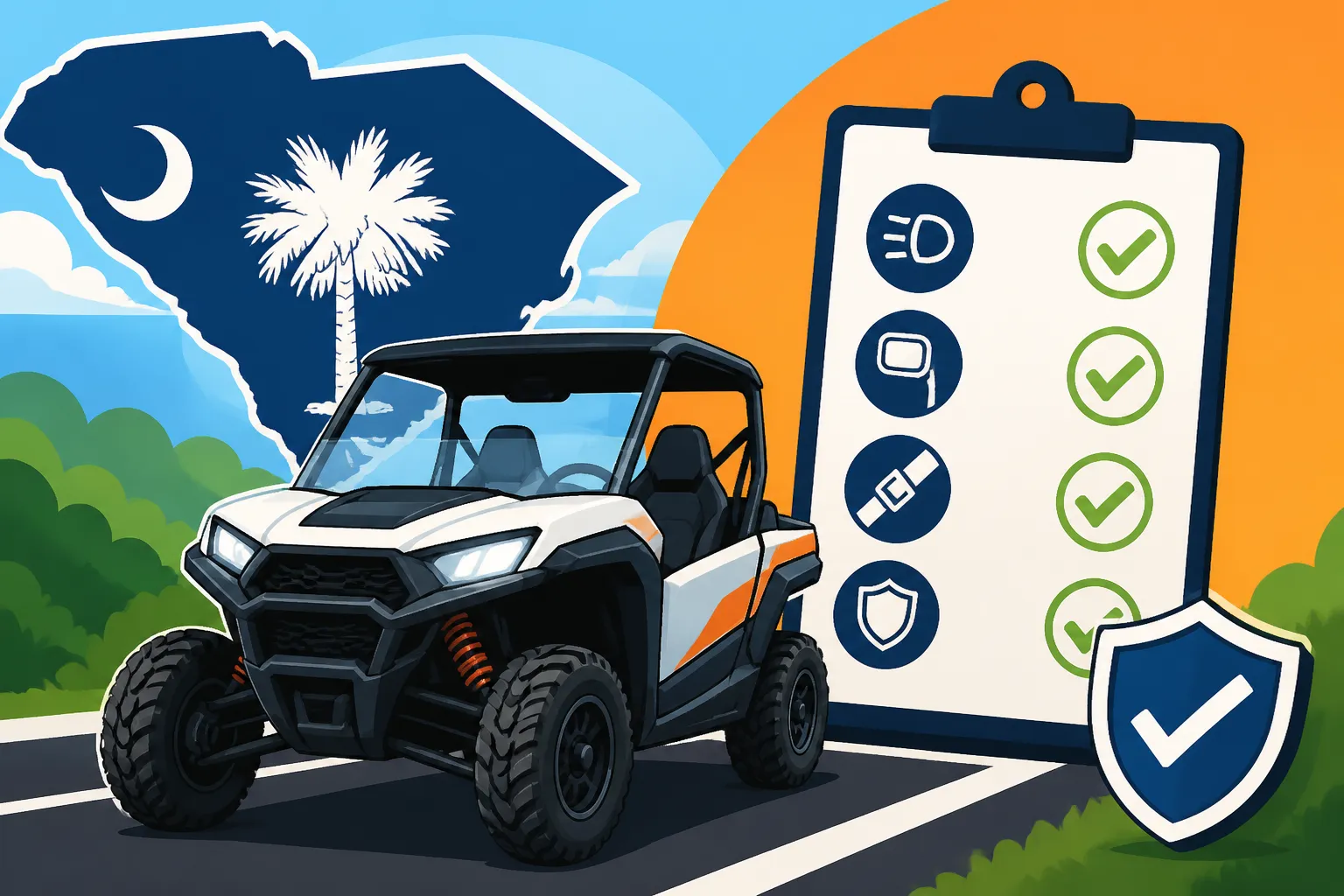
To ensure your UTV is safe for road use and complies with South Carolina law, several critical safety features must be present and fully functional. These aren't suggestions; they are non-negotiable requirements designed to protect you, your passengers, and other drivers on the road. The specifications outlined in [South Carolina Street UTV Machine Specs] cover these in detail.
First and foremost, you'll need a comprehensive lighting system. This includes functional headlights that can illuminate the road ahead, bright tail lights that are visible from a distance, and fully operational brake lights that clearly signal when you're slowing down or stopping. Crucially, your UTV must also have turn signals—both front and rear—to indicate your intentions to other drivers. These need to be visible and correctly wired. Imagine trying to make a turn on a busy secondary road without indicating; it's a recipe for disaster. Additionally, a rearview mirror, or mirrors, is mandatory to give you a clear view of traffic behind you, much like a regular car. Many riders opt for a combination of a central rearview mirror and side mirrors to maximize visibility.
Beyond lighting and mirrors, seat belts are absolutely essential for all occupants. Your UTV must be equipped with seat belts for every seating position, and they must be worn by everyone in the vehicle while on public roads. Some UTVs might also require a windshield, especially those designed with an enclosed cab, to protect occupants from road debris and the elements. If your UTV has a windshield, it must be made of safety glass and be clear and unobstructed. For many of these necessary upgrades, companies like SuperATV offer a wide range of conversion kits and individual components, from complete turn signal kits to DOT-approved safety glass windshields, making the upgrade process a bit easier for riders. It's often more cost-effective and certainly safer to invest in high-quality, purpose-built components for these modifications rather than trying to rig something together.
Beyond the Basics: Other Crucial Components
While the lights and mirrors get a lot of attention, there are other crucial components that often get overlooked but are equally important for street legality. These elements ensure your UTV can communicate with other vehicles and maintain safety under various conditions.
A working horn is a must-have. It's not just for startling deer; it's a vital safety device to alert other drivers or pedestrians to your presence in situations where they might not see you. Think about navigating a parking lot or approaching a blind curve on a country road—a horn can prevent an accident. Another often-forgotten item is a parking brake. This isn't just for parking on inclines; it's a safety measure to keep your UTV stationary when stopped, preventing unexpected rolling. Your UTV's braking system, overall, must be in excellent working order, capable of bringing the vehicle to a safe and controlled stop.
When it comes to speed, your UTV will be subject to certain limits on public roads. While the new law generally allows street-legal UTVs on secondary roads with speed limits up to 55 mph, your machine needs to be capable of safely maintaining the flow of traffic on those roads without exceeding the posted limits. This means your UTV's speed capabilities must be adequate for the roads you plan to travel. Remember, [South Carolina Street UTV Road Speed Limits] are strictly enforced, and your UTV should be able to perform within those parameters. Additionally, your tires need to be road-worthy, not just off-road knobbies. They should be DOT-approved (Department of Transportation), meaning they meet specific safety standards for highway use, and have sufficient tread depth. Lastly, an appropriate exhaust system is required to meet noise regulations and ensure proper emissions. While South Carolina doesn't have stringent emissions testing for UTVs, excessively loud exhausts can still draw unwanted attention and potential citations. Many riders turn to aftermarket options from brands like SuperATV to get exhaust systems that balance performance with street-legal noise levels.
Registration, Titling, and Financial Obligations
Once your UTV is equipped to meet the safety standards, the next hurdle is navigating the administrative process with the South Carolina Department of Motor Vehicles (DMV). This involves more than just filling out a single form; it's about proving ownership, demonstrating compliance, and paying the necessary fees. Riders often find this part particularly tedious, especially with the unique nature of UTVs compared to cars or trucks.
Navigating the DMV Process for Your Street UTV
Getting your street-legal UTV officially recognized and ready for the road involves a few key steps at the DMV. This isn't like registering a typical car, so it's essential to be prepared. First, if your UTV isn't already titled in South Carolina, you'll need to apply for a title. Even though [South Carolina Titles Are Optional] for some off-road ATVs, for a street-legal UTV, a clear title is a prerequisite for registration. You'll generally need your Manufacturer's Certificate of Origin (MCO) for new machines, or an assigned title from the previous owner for used machines. This proves you are the legal owner of the vehicle.
Once your UTV is titled, or if it already has a South Carolina title, you can proceed with registration. The process for street UTVs is quite specific. You'll need to complete the necessary forms, which typically combine title and registration applications. Make sure to tick the correct boxes for "registration" or "title and registration." You'll be providing information about your UTV's specifications, including its VIN (Vehicle Identification Number) and ensuring it meets the [South Carolina Street UTV Machine Specs]. As part of the registration process, you'll definitely need to provide [South Carolina Insurance Proof at Registration]. Unlike off-road ATVs, street-legal UTVs are required to carry liability insurance, just like cars. This covers damages or injuries you might cause to others while operating your UTV on public roads. The DMV will not issue a plate without proof of this mandatory coverage. You'll learn more about [What Insurance South Carolina's New UTV Law Requires] as you go through the process. Once approved, you'll receive your vehicle registration and the highly anticipated [South Carolina Rear Plates for Street UTVs], which must be displayed clearly on the back of your UTV. These registrations and plates are subject to renewal; [South Carolina's Biennial Street UTV Fee] means you'll typically renew every two years. Being organized with all your paperwork, including your MCO or previous title, proof of insurance, and identification, will make your visit to the DMV much smoother.
Understanding the Costs Involved
Nobody likes unexpected costs, and budgeting for a street-legal UTV involves more than just the purchase price of the machine and its accessories. There are specific fees and financial considerations you'll need to factor in to truly get your UTV road-ready and legally compliant. Transparency here can save you a lot of grief down the line.
The primary costs you'll encounter at the DMV revolve around titling and registration. There's a set fee for obtaining a South Carolina title for your UTV, if you don't already have one. This is a one-time fee unless you transfer ownership again. Then comes the registration fee, which is part of the [South Carolina Street UTV Registration Cost]. This fee is typically paid biennially (every two years) when you renew your registration and plate. While these fees are relatively modest compared to other vehicle taxes, they are mandatory. You'll want to check the most current figures directly with the South Carolina DMV, as these can sometimes change.
What's really good news for UTV owners is that under the new law, street-legal UTVs are exempt from county property taxes. This is a significant financial relief for owners, as it can save a substantial amount annually compared to traditional vehicles. This exemption, similar to how [South Carolina Exempts ATVs From Property Tax], means [South Carolina Street UTVs Skip County Property Tax], which really helps with the overall cost of ownership. Beyond the DMV, don't forget the ongoing cost of insurance. As mentioned, liability coverage is mandatory, and you might choose to add comprehensive or collision coverage for your own machine, which will increase your premium. And, of course, there are the costs of any aftermarket parts you install to meet the equipment requirements, such as a complete street-legal kit from a reputable vendor like SuperATV, or individual components like DOT-approved tires, turn signals, and a horn. Budgeting for these modifications is just as important as the state fees to ensure you have a fully compliant and safe machine.
Rules of the Road and Rider Responsibilities
Having a street-legal UTV doesn't mean it's a free-for-all on every road. Just like any other vehicle, there are specific rules and limitations that govern where and how you can operate it. Understanding these restrictions is key to enjoying your UTV on public roads without running afoul of the law or endangering yourself and others. Many riders get confused about which roads are permitted, especially since golf cart rules are so different.
Where You Can and Cannot Ride Your Street UTV
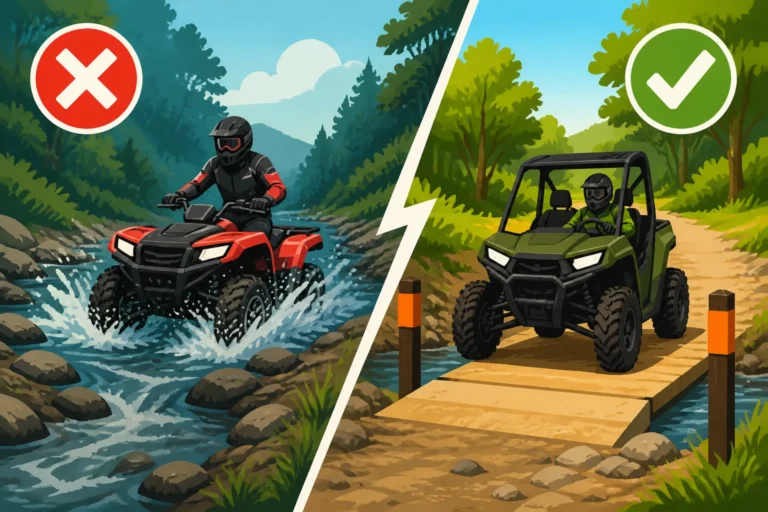
The new law brings clarity to where street-legal UTVs can operate in South Carolina, but it's crucial to know the specifics. Generally, street-legal UTVs are permitted on secondary roads where the posted speed limit is 55 mph or less. This opens up a vast network of county roads, rural highways, and local streets for UTV use. For instance, you could envision taking your UTV on a scenic drive through the countryside around Aiken, or using it for quick errands on the less-trafficked roads near Winnsboro. However, there are significant restrictions. Street-legal UTVs are strictly prohibited from interstates and controlled-access highways. These are high-speed, multi-lane roadways designed for conventional vehicles, and UTVs are simply not built for those conditions.
Additionally, UTVs are not generally allowed on primary roads or state highways where the speed limit exceeds 55 mph. This means careful planning is needed if your route involves crossing or briefly traveling on a higher-speed road. Always check the posted speed limits. The intent of the law is to allow UTVs on roads where they can safely integrate with slower-moving traffic and local commutes, not to treat them as replacements for cars on major thoroughfares. It’s a privilege to ride these machines on the road, and sticking to the designated road types, as specified by [South Carolina Street UTV Rules on a 55 mph Road], ensures that privilege can continue for all riders. Local municipalities might also have their own ordinances, so it's always a good idea to quickly check with local authorities if you're planning extensive riding in a specific town or county.
Driver Licensing, Age, and Passenger Rules
Operating a street-legal UTV on public roads comes with the same responsibilities as driving a car, including licensing, age restrictions, and rules about who can be a passenger. These rules are in place to ensure everyone's safety and to prevent misuse of these machines on public roadways.
First, anyone operating a street-legal UTV on a public road in South Carolina must possess a valid driver's license. This isn't a situation where a learner's permit or an ATV safety certificate will suffice; it must be a full, unrestricted driver's license. This means drivers must be at least 17 years old to meet the [South Carolina Street UTV Age of 17] requirement, consistent with the age for obtaining a standard driver's license in the state. So, if you're 16 with a provisional license, you'll have to wait a little longer.
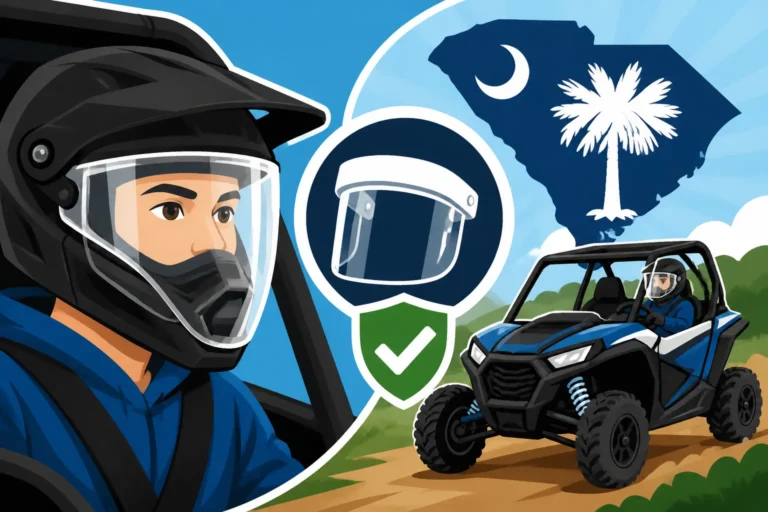
Regarding helmets, the rules align with those for motorcycles in some respects. While adults 21 and over are not explicitly required to wear a helmet, all operators and passengers under the age of 21 must wear a DOT-approved helmet. This is an important safety measure for younger riders, acknowledging their vulnerability. [South Carolina Street UTV Helmet Rules Under 21] are clear on this point. For passengers, there are also age limits. Generally, passengers must be at least 8 years old. You cannot carry a child passenger who is 8 years old or younger in a street-legal UTV on public roads. This is because young children may not be able to safely sit in the vehicle or benefit from its safety restraints in the same way an older child or adult would. Always ensure all passengers are properly secured with seat belts and meet the age requirements as per [South Carolina Street UTV Passenger Age Limits].
Here's a handy table summarizing some of the key requirements for street-legal UTVs in South Carolina:
| Requirement Category | Specifics for South Carolina Street UTVs |
|---|---|
| Minimum Driver Age | 17 years old with a valid driver's license |
| Helmet Rule | Required for all operators and passengers under 21 years of age |
| Passenger Age | No passenger 8 years old or younger |
| Roads Permitted | Secondary roads with speed limits 55 mph or less |
| Roads Prohibited | Interstates and controlled-access highways |
| Headlights | Required, functional |
| Tail Lights | Required, functional |
| Brake Lights | Required, functional |
| Turn Signals | Required (front and rear), functional |
| Rearview Mirrors | Required, provides clear view to the rear |
| Seat Belts | Required for all occupants, must be worn |
| Horn | Required, functional |
| Parking Brake | Required, functional |
| DOT Tires | Required |
| License Plate | Required, displayed on rear |
| Insurance | Mandatory liability coverage |
| Property Tax | Exempt from county property tax |
Disclaimer
This article is for general informational purposes only and does not constitute professional advice. Laws, prices and regulations vary by location and change over time. Consult a qualified professional for guidance on your specific situation.