South Carolina Rules for Riding a Dirt Road
It's such a quintessential South Carolina dream, isn't it? You've got your ATV or UTV, the sun is shining, and you see that inviting, winding dirt road just begging to be explored. But then that little voice of doubt creeps in: Can I actually ride here? Is this even legal? It's a common frustration, and the truth is, the rules for riding your off-road machine on a dirt road in our beautiful state can feel as twisty as the trails themselves. This guide is here to clear up that confusion, helping you understand exactly where you can (and absolutely can't) take your quad or side-by-side on South Carolina's unpaved paths.
What Exactly Is a "Dirt Road" in South Carolina?
Before we dive into the legality of riding, it’s crucial to understand what we're actually talking about when we say "dirt road." In South Carolina, not all unpaved roads are created equal in the eyes of the law, and certainly not in the eyes of the landowner. The distinction primarily boils down to ownership and designation.
Public vs. Private Dirt Roads
Most people assume a dirt road is just a dirt road, but its legal status makes all the difference for riders. A public dirt road is typically maintained by a county or the state Department of Transportation (SCDOT). These are often feeder roads to rural properties, connectors between paved routes, or even old logging roads that have been incorporated into the public system. They might have road signs, although sometimes they are just denoted by the lack of pavement. On the other hand, private dirt roads are just that – private. They belong to an individual, a family, a timber company, a hunting club, or another private entity. These roads are not open to the public without express permission. You might encounter them leading into farms, through large tracts of forest, or as access roads within a residential development. The line can sometimes feel blurry, especially in very rural areas, but a quick check on a county GIS map or property plat can often clarify ownership. Knowing this distinction is your first step to riding responsibly.
Designated OHV Trails and Their Specific Rules
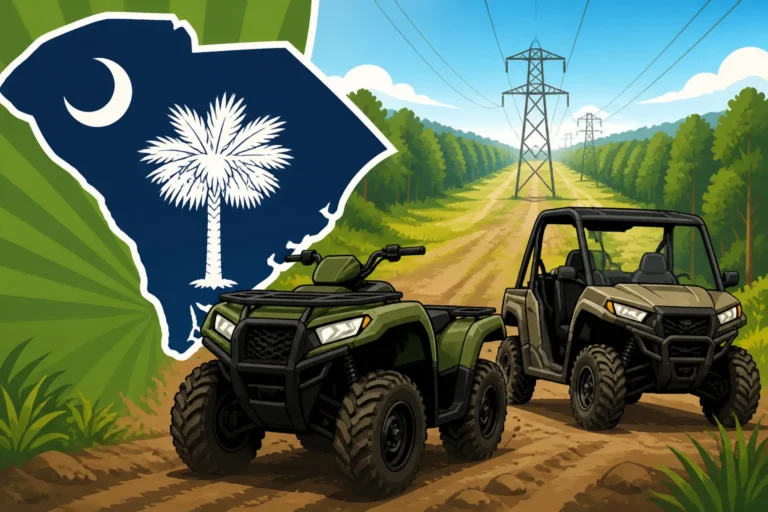
It's also important to distinguish between a general "dirt road" and a "designated OHV trail." South Carolina has some fantastic [South Carolina ATV Trails: Where to Ride] that are specifically designed and managed for off-highway vehicles. These are not just any dirt roads; they are purpose-built trails or roads within state or national forests, or private parks, where ATV and UTV riding is explicitly allowed and often encouraged. Think places like the Enoree OHV Trail in the Sumter National Forest or private parks like Carolina Adventure World. These locations have their own set of rules, often requiring permits, specific safety gear, and adherence to posted hours or trail conditions. They are a safe, legal, and fantastic place to ride, but they operate under a different set of regulations than the typical public or private dirt road you might encounter while cruising. Don't confuse them with the dirt road that leads to your cousin's farm; the legal implications are vastly different.
The Law of the Land: ATVs, UTVs, and Public Dirt Roads
This is where many riders get into hot water, often unknowingly. The general rule of thumb in South Carolina is pretty straightforward: ATVs are not street legal and are generally prohibited on public roads, paved or unpaved, unless a very specific exception applies. UTVs, however, have a new path to road legality.
South Carolina's General Prohibition on ATVs on Public Roads
For a long time, if you were riding an ATV in South Carolina, the answer to "Can I ride on this dirt road?" was almost always a resounding "No." South Carolina Code Section 50-26-50, often referred to as [Chandler's Law and South Carolina ATV Rules], explicitly states that an ATV cannot be operated on a public highway, road, or street. A dirt road, if it's considered a public thoroughfare and maintained by the county or state, falls squarely under this prohibition. This law was put in place to enhance safety and prevent conflicts between off-road vehicles and conventional traffic. The spirit of the law is that ATVs are built for off-road environments, not for sharing space with cars and trucks, regardless of whether that road is paved or gravel. Penalties for violating this can include fines ranging from $50 to $200, and could even lead to your machine being impounded. These rules are serious, and a deputy making a routine check is well within their rights to enforce them. [South Carolina Penalties Under Chandler's Law] are not something you want to experience.
The Game Changer: Street-Legal UTVs on Dirt Roads
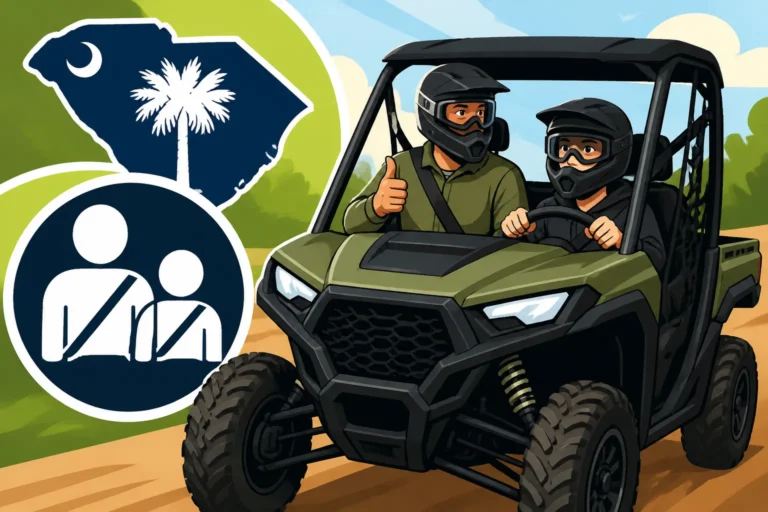
Now, here's where things get interesting, thanks to a new law that came into effect recently. Starting in November 2026, South Carolina introduced a pathway for certain UTVs to become street-legal. This is a huge shift! If your UTV meets all the specific requirements to be registered as a "street-legal UTV," then it can be legally operated on public roads, including public dirt roads, within certain parameters. These requirements are extensive, covering everything from seat belts and turn signals to specific speed limits and insurance. [South Carolina Street UTV Requirements Explained] detail exactly what your side-by-side needs to have, and [South Carolina Street UTV License Requirements] clarify who can drive them.
For example, a properly registered street-legal UTV can generally be operated on secondary roads with a speed limit of 55 mph or less. Many rural dirt roads fall into this category. However, there are still restrictions, such as not being allowed on interstates or primary highways, and often a 10-mile radius rule from your registered address might apply unless specific local ordinances allow for wider travel. So, while your shiny new SuperATV-equipped side-by-side might look perfectly at home on that country dirt road, you absolutely must ensure it's fully compliant with the new street-legal UTV regulations and that you're adhering to all applicable speed and distance rules. Without that specific registration and equipment, your UTV is still considered an off-road vehicle and subject to the same prohibitions as an ATV.
Let's break down the general legality:
| Road Type | ATV (Off-Road) | UTV (Off-Road) | UTV (Street-Legal) |
|---|---|---|---|
| Public Dirt Road | Generally Prohibited | Generally Prohibited | Permitted (with restrictions) |
| Private Dirt Road | Permitted (with permission) | Permitted (with permission) | Permitted (with permission) |
| Designated OHV Trail | Permitted (with permit/fee) | Permitted (with permit/fee) | Permitted (with permit/fee) |
Note: "Permitted with restrictions" for street-legal UTVs means adhering to speed limits, specific road types, and potentially radius rules as outlined in state law and local ordinances.
Exceptions and Special Circumstances
There are a few narrow exceptions where an ATV or off-road UTV might legally operate on a public dirt road, but these are highly specific and not for general recreational riding. For instance, farmers might use ATVs on public roads for agricultural purposes for short distances to get from one part of their property to another. Similarly, government agencies or utility companies might use them for official duties. [South Carolina Farm and Ranch Exemptions] outline some of these instances. However, these exemptions are strictly defined and do not extend to recreational use. Trying to claim an exemption when you're just out for a casual ride is not going to hold up. Always err on the side of caution; if you don't have a street-legal UTV or aren't operating under a legitimate, documented exemption, assume public dirt roads are off-limits for your off-road machine.
Private Dirt Roads and How to Navigate Them
This is often the most common and safest legal avenue for riding ATVs and non-street-legal UTVs on dirt roads in South Carolina. However, "private" doesn't mean "anything goes." It means you need permission, and you need to respect the land and the landowner.
The Importance of Express Permission
If a dirt road is on private property, the key word is permission. You absolutely cannot ride on private land, including its dirt roads, without the express consent of the landowner. This isn't just common courtesy; it's the law. Riding on private land without permission is trespassing, which carries legal consequences. Even if a gate is open, or there's no "No Trespassing" sign, you are still responsible for knowing whose land you're on and having permission. It's best to get this permission in writing, especially if you plan to ride there regularly. A simple handwritten note or email can save you a lot of hassle if you're ever questioned. Always carry this proof of permission with you when riding. [South Carolina Trespass Law for Riders] is serious, and ignorance is no excuse.
Hunting Leases and Timber Land Access
Many dirt roads in South Carolina wind through vast tracts of timberland or property managed for hunting. If you're part of a hunting club or lease, you'll likely have access to these private dirt roads as part of your lease agreement. However, even with a lease, there are often specific rules set by the landowner or timber company about when and how ATVs and UTVs can be used. These might include speed limits, restrictions on certain areas, or limitations during specific times of the year (like logging operations). Always familiarize yourself with your lease agreement and any posted rules. Timber companies, in particular, are very strict about unauthorized access, not just for liability but also to protect their investments. [Getting Written Permission From a Timber Landowner] is vital, even if you think you have a verbal agreement. Some companies may even have formal permission forms they require you to complete.
Hypothetical Scenario: The Unmarked Dirt Road
Imagine you're driving down a paved country road and spot a dirt road that seems to disappear into the woods. There are no signs, no gates, just a turn-off. Your instinct might be to explore. Stop right there. Before you even think about putting a wheel on that dirt, you need to determine if it's public or private. If it's public, and you're on an ATV or non-street-legal UTV, you can't ride it. If it's private, you still can't ride it without permission. This is where a little upfront research can save you a lot of trouble. Using a county GIS map online is a great way to identify property lines and ownership. Don't rely on assumptions; always verify the status of the road before you ride. This commitment to due diligence is the mark of a responsible rider.
Practical Tips for Dirt Road Riding in South Carolina
Whether you're riding a street-legal UTV on a public dirt road or an ATV on private property with permission, there are some universal tips to ensure your ride is safe, respectful, and hassle-free.
Safety First: Gear, Machine Prep, and Awareness
Safety should always be your top priority. Even on a seemingly harmless dirt road, accidents can happen.
- Wear the Right Gear: Always wear a helmet, eye protection, gloves, long pants, and sturdy boots. [South Carolina ATV Helmet Law] and other safety regulations are in place for a reason. You can never be too protected.
- Inspect Your Machine: Before every ride, do a quick pre-ride inspection. Check tires, brakes, lights, fluid levels, and ensure everything is in good working order. A breakdown on a remote dirt road is no fun.
- Be Aware of Your Surroundings: Dirt roads can hide potholes, washouts, loose gravel, and sudden turns. Wildlife can dart out, and other vehicles (cars, trucks, tractors, logging equipment) might be present, especially on public or active private roads. Maintain a safe speed and be ready to react. For those who push their machines harder, ensuring components like axles, tie rods, and control arms are robust—perhaps with aftermarket parts from a company like SuperATV—can add an extra layer of confidence when hitting rougher sections.
- Don't Ride Alone: If possible, ride with a buddy or at least let someone know your route and expected return time. Cell service can be spotty in rural South Carolina.
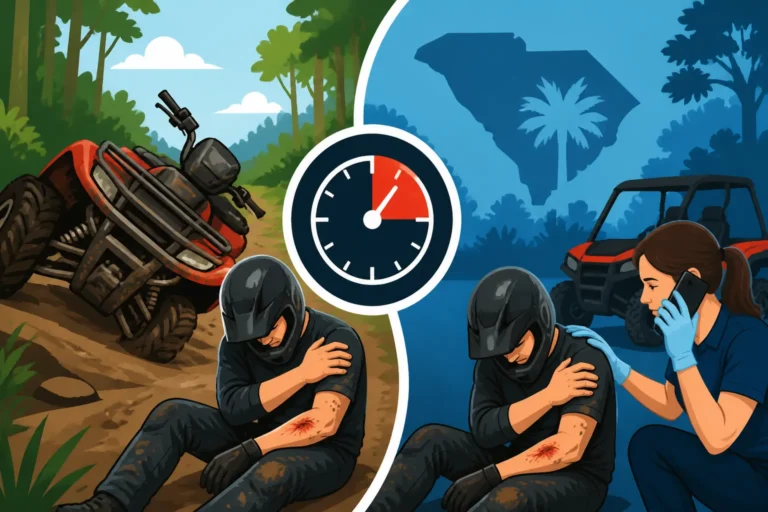
- Carry a First-Aid Kit: A basic kit for cuts, scrapes, and other minor injuries is always a good idea.
Respecting the Environment and Other Users
Riding on dirt roads, whether public or private, means sharing the space and being a good steward of the land.
- Stay on Designated Paths: Do not create new trails or cut across private property. Stick to the established dirt road.
- Control Dust and Noise: Dirt roads can get incredibly dusty, especially in dry conditions. Slow down when passing homes, other vehicles, or pedestrians to minimize dust. Be mindful of your machine's noise, especially near residential areas.
- Pack It In, Pack It Out: Leave no trace. Take all your trash with you.
- Yield to Others: If you encounter hikers, equestrians, cyclists, or other vehicles, slow down, be courteous, and yield the right-of-way. They might not expect an ATV or UTV to be there.
- Mind Hunting Seasons: If riding on private land during hunting season, be aware of hunters and wear blaze orange for visibility. [South Carolina Hunting Season and Trail Access] is important to remember.
Documentation and What to Carry
Beyond your personal safety gear, having the right paperwork can prevent a lot of headaches.
- Proof of Ownership: Always carry proof of ownership for your ATV or UTV. This could be a title (even if [South Carolina Titles Are Optional] for ATVs, it's good to have), a bill of sale, or a registration card if it's a street-legal UTV. [What a South Carolina Deputy Can Ask to See] often includes proof of ownership.
- Driver's License and Insurance: If you're operating a street-legal UTV on a public dirt road, you'll need a valid driver's license and proof of insurance. Even for off-road machines, while not legally required for all trail use, having insurance is a smart move for liability and damage protection.
- Permission Slip: As discussed, if you're on private land, carry that written permission slip. It's your "get out of jail free" card if someone questions your presence.
- Basic Tools: A small tool kit for minor repairs, tire patch kit, and perhaps an air pump can be invaluable. Products from SuperATV like tire repair kits or portable winches can really be lifesavers on remote dirt roads.
Following these guidelines will not only keep you safe and legal but also help maintain a positive image for all ATV and UTV riders in South Carolina. There's nothing quite like the freedom of exploring a dirt road, but that freedom comes with responsibility.
Disclaimer
This article is for general informational purposes only and does not constitute professional advice. Laws, prices and regulations vary by location and change over time. Consult a qualified professional for guidance on your specific situation.