South Carolina Rules for Riding a Power Line Cut
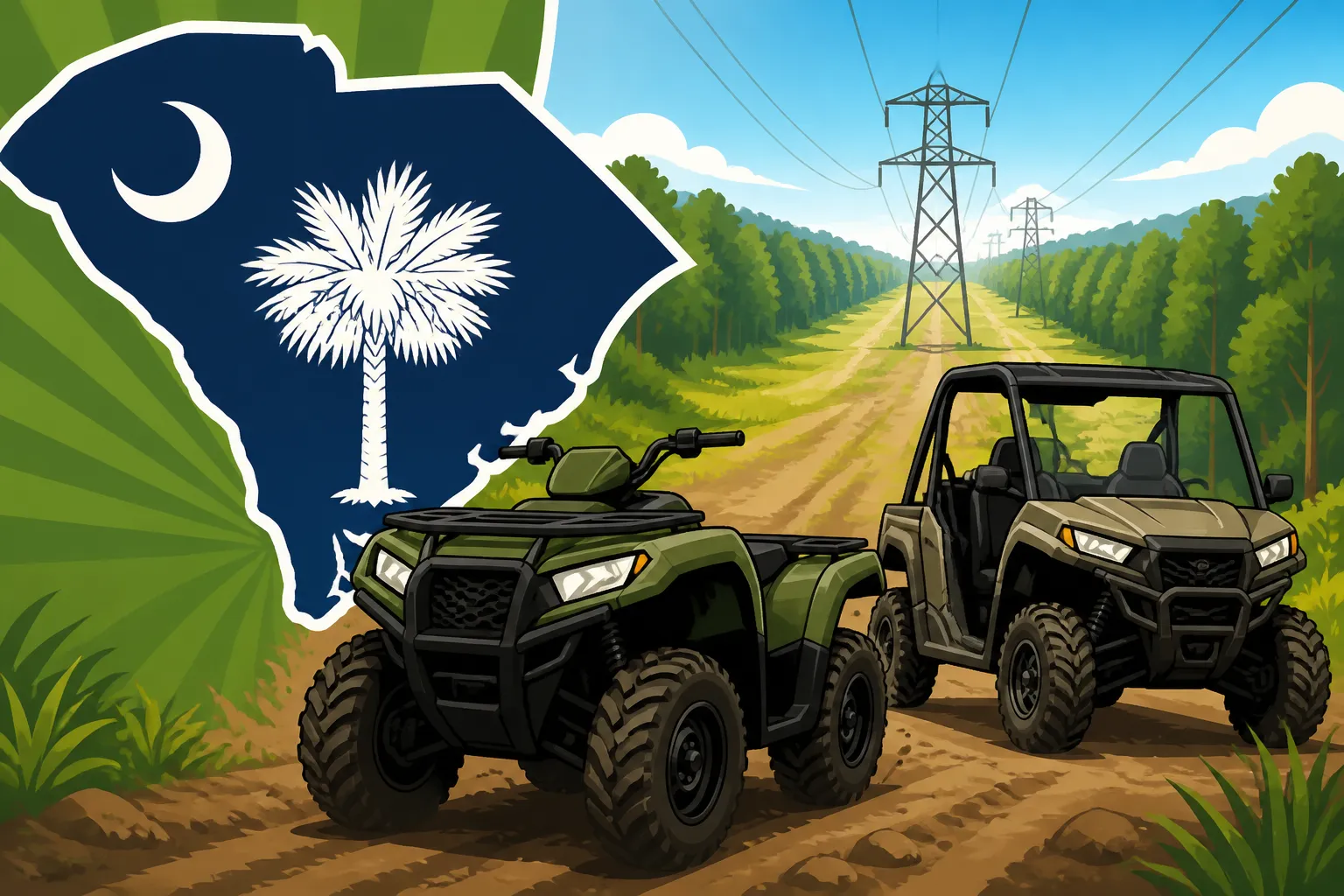
It’s easy to look at a wide-open power line cut snaking through the woods here in South Carolina and think, "What a perfect spot to ride my ATV or UTV!" The clear lines, the lack of trees, the inviting dirt tracks – it all screams adventure. But here’s the thing many riders don't realize: those seemingly open spaces come with a whole host of legal complexities and potential headaches you absolutely need to understand before you ever drop a tire onto them. This guide is going to walk you through exactly what you need to know about riding on power line cuts in the Palmetto State, from understanding ownership to staying out of trouble.
Understanding South Carolina's Stance on Off-Road Riding Areas
When you first get into the world of ATVs and UTVs, it can feel like a free-for-all, especially if you’re used to just exploring wherever looks good. But the reality is far more nuanced, especially in a state like South Carolina that has clear regulations about land use. A power line cut might seem like unclaimed territory, but it’s anything but.
Public Land vs. Private Land Riding Basics
The fundamental difference between public and private land is the cornerstone of all off-road riding laws. Public lands, like national forests or designated state parks, generally have established rules and often require permits or fees to ride. These are usually well-marked, with trail systems and clear boundaries. If you're on public land, you're expected to know and follow the specific regulations for that area.
On the flip side, private land is, well, private. This means it belongs to an individual, a family, or a company. Just because there isn't a "No Trespassing" sign every five feet doesn't mean you have implied permission to ride. South Carolina law is pretty clear on this. Even if land appears unkempt or unused, it still has an owner, and riding on it without express consent is considered trespassing. Many landowners don't appreciate uninvited vehicles tearing up their property, and they have every right to protect it. Understanding [South Carolina Trespass Law for Riders] is your first step to staying out of trouble.
The Specifics of Power Line Cuts: Ownership and Access
Now, let's talk specifically about those tempting power line cuts. Who actually owns these strips of land? It’s rarely the "public." Power line cuts are typically easements granted to utility companies. This means the actual land itself usually remains private property, owned by individuals or corporations. The utility company has the legal right to use that strip of land for the specific purpose of maintaining their power lines – clearing trees, accessing towers, and making repairs. They do not own the land outright, nor does their easement automatically grant recreational access to the general public.
So, while a power line cut might look like a great shortcut or an exciting new trail, it's almost always private land with a utility easement. This means you need permission from the landowner to be there, not just from the utility company (who usually don't grant recreational access anyway for liability and safety reasons). It's a common misconception that since the power company clears it, it's fair game. That couldn't be further from the truth. Without explicit permission, riding on a power line cut is, by definition, trespassing. This is why knowing about [South Carolina Private Property Exemptions] is so crucial, as they define when and where you can and cannot ride without specific consent.
Navigating the Legalities of Riding on Power Line Cuts in South Carolina
The allure of an open power line cut can be strong, but the legal repercussions of riding without permission can be swift and costly. It's not just about getting caught; it's about respecting property rights and ensuring your own safety.
Trespassing Laws and Consequences
In South Carolina, riding on private land without the owner's permission is trespassing. It doesn't matter if you saw other tracks, or if there were no "No Trespassing" signs posted. The burden is on you, the rider, to ensure you have legal access. Penalties for trespassing can range from fines to, in some cases, your machine being impounded. Imagine the frustration and expense of having your prized ATV or UTV towed away because you assumed you could ride somewhere. [South Carolina Fines of $50 to $200] are a very real possibility if you're caught riding where you shouldn't be.
Beyond monetary penalties, there's the issue of liability. If you're riding on someone else's property without permission and you get injured, you might have very little legal recourse. The landowner isn't responsible for your safety if you're there illegally. And if you cause any damage to the property – say, tearing up grass, knocking over a fence, or disturbing wildlife – you could be held financially responsible for those repairs. It’s a messy situation all around, and it's far better to prevent it by only riding where you have explicit permission.
Utility Easements: What They Are and Are Not for Riders
A utility easement is a legal agreement that allows a utility company to use a specific portion of land for a particular purpose, such as installing and maintaining power lines, pipelines, or communication cables. Crucially, this easement grants rights to the utility company, not to the general public for recreational use. Utility companies have significant safety concerns along these corridors. There are live power lines, ground wires, unmarked cables, and access roads that are often only meant for heavy equipment. Allowing recreational vehicles creates a massive liability and safety risk for them.
Therefore, utility companies almost universally prohibit recreational riding on their easements. Even if a particular power line cut is maintained and looks like a trail, it is primarily an access route for utility workers and equipment. These areas are not designed for public recreation, and utility companies often work with landowners to enforce no-trespassing rules to protect their infrastructure and prevent accidents. Riding through these areas also exposes you to potential hazards like sudden drops, hidden culverts, or even electrocution if you accidentally come into contact with downed lines or damaged equipment. It’s a risk simply not worth taking.
How to Responsibly and Legally Ride Near Power Line Cuts in South Carolina
Given the legal and safety pitfalls of riding on power line cuts, it's essential to understand the correct ways to enjoy your machine in South Carolina. The key is always to seek permission or stick to designated areas.
Gaining Permission: The Golden Rule for Private Land
If you absolutely have your heart set on riding a specific power line cut that crosses private land, your only legal and responsible option is to obtain explicit permission from the landowner. This isn't always easy, but it's the correct way to go about it.
Here’s a practical approach:
- Identify the Landowner: This can be done through county tax assessor's offices, which usually have public records of property ownership. You might need to know the specific parcel number or location.
- Make a Polite Request: Approach the landowner respectfully. Explain your interest in riding your ATV or UTV, assure them you will be responsible, adhere to "Tread Lightly" principles, and respect their property. Offer to sign a liability waiver if they wish.
- Get It in Writing: If permission is granted, always, always get it in writing. This protects both you and the landowner. A simple signed letter stating that you have permission to ride your specific machine on their designated property for a certain period can save you a world of trouble. Keep a copy of this document with you whenever you ride. [Getting Written Permission From a Timber Landowner] provides excellent insights that are applicable here, even if the land isn't specifically for timber.
Building a good relationship with landowners is paramount. If you respect their property, they might be more inclined to grant permission in the future. Remember, they are doing you a favor, not providing a public service.
Exploring Designated Riding Areas as an Alternative
For most riders, the safest, most legal, and often most enjoyable alternative to ambiguous power line cuts is to visit designated off-road riding parks and trails. South Carolina has some fantastic options that cater to all skill levels and types of machines.
Places like [Carolina Adventure World in South Carolina] offer miles of professionally maintained trails, various terrains, and amenities like camping and wash stations. Similarly, [Gulches ORV Park in South Carolina] is another popular spot, offering a challenging experience for those who like more technical rock crawling and mud riding. These parks are designed for off-road recreation, meaning you can ride freely within their boundaries without worrying about trespassing, utility easements, or accidental property damage.
Many of these parks also have specific rules to ensure everyone's safety and enjoyment, and they're often great places to meet other riders and learn new techniques. They often have specific requirements for machines, so make sure your ATV or UTV is equipped to handle the trails, perhaps with aftermarket parts from companies like SuperATV, known for their lifts, axles, and protective gear that can prepare your machine for rugged terrain. It’s a controlled environment where the focus is entirely on the ride, not on potential legal issues. [South Carolina ATV Trails: Where to Ride] is a great resource to explore these legitimate options.
Equipment and Safety Considerations for Any Off-Road Ride
Whether you're lucky enough to secure private land access or you're hitting up a dedicated riding park, safety and proper equipment should always be your top priority. An off-road adventure quickly turns sour if you're unprepared or your machine isn't up to snuff.
Essential Gear and Machine Prep
Before you even think about throwing your leg over an ATV or strapping into a UTV, you need to ensure you and your machine are properly prepared.
Here’s a quick checklist:
- Helmets and Eye Protection: This is non-negotiable. South Carolina law has specific [South Carolina Helmet Rules for Young Riders], but frankly, everyone should wear one. A DOT-approved helmet and goggles or a face shield protect you from impacts, dust, and debris.
- Appropriate Clothing: Long pants, long sleeves, sturdy boots that cover your ankles, and gloves are crucial for protecting your skin from scrapes, branches, and sun exposure.
- Machine Maintenance: Regularly check your tires, brakes, oil levels, and lights. A well-maintained machine is a safe machine.
- Spark Arrester: A functional spark arrester is not just good practice, it's a legal requirement in many areas, especially when riding on or near forest lands. [South Carolina Spark Arrester Requirements] are in place for a reason – to prevent wildfires.
- Safety Flag: If you’re riding in areas with limited visibility or in groups, a whip flag can make you much more noticeable to other riders.
- First Aid Kit: Always carry a basic first aid kit for minor injuries.
- Communication: A fully charged cell phone (though service can be spotty in remote areas) or a two-way radio is vital in case of an emergency.
Consider upgrading your machine for safety and performance. Companies like SuperATV offer a wide range of accessories, from heavy-duty bumpers and skid plates that protect your vehicle from impacts, to upgraded suspension components that improve handling over rough terrain. Investing in quality parts means your machine is more reliable and safer for the trails, which is especially important if you venture into less-traveled areas with permission. Proper [South Carolina Equipment Requirements for ATVs] also cover things like proper brakes and lighting, which are fundamental to safe operation.
Environmental Awareness and "Tread Lightly" Principles
Responsible riding goes beyond just legalities and personal safety; it extends to protecting the environment and respecting the land you're riding on. The "Tread Lightly!" principles are a fantastic guide for any off-road enthusiast:
- Travel Responsibly: Stick to existing trails and routes. Avoid making new ones, especially on private land or sensitive ecosystems.
- Educate Yourself: Learn about the areas you plan to explore, including local rules and regulations, land status, and potential hazards.
- Avoid Sensitive Areas: Stay away from wetlands, fragile meadows, or historical sites.
- Do Your Part: Pack out everything you pack in. Leave no trace. Consider volunteering for trail maintenance or clean-up days.
- Respect Wildlife: Observe animals from a distance. Do not disturb wildlife or their habitats.
- Respect Private Property: This circles back to our main point about power line cuts – always obtain permission before riding on private land.
Even if you have permission to ride on a power line cut, treating the land with respect ensures that access might be granted again in the future. Leaving gates as you found them, avoiding mud bogging in sensitive areas, and being mindful of noise levels all contribute to being a responsible rider. Adhering to these principles not only helps preserve the natural beauty of South Carolina but also fosters a positive image for the entire off-road community. Remember, [South Carolina Code Title 50 Chapter 26] lays out many of the state's fundamental ATV laws, and responsible riding helps maintain good standing with landowners and local authorities.
| Riding Area Type | Ownership/Control | Typical Access for Riders | Key Considerations |
|---|---|---|---|
| Power Line Cut (General) | Private Land with Utility Easement | Prohibited without permission | Trespassing, utility hazards, liability. |
| Private Land (No Utility) | Individual/Company | Prohibited without permission | Trespassing, damage liability. Get written consent. |
| Designated OHV Park | Private Company/Public Entity | Permitted with fees/rules | Clearly marked trails, amenities, specific park rules. |
| National Forest Trail | Federal Government (e.g., USFS) | Permitted with passes/rules | Specific trail systems, forest passes, seasonal closures. |
This article is for general informational purposes only and does not constitute professional advice. Laws, prices and regulations vary by location and change over time. Consult a qualified professional for guidance on your specific situation.