Helmets Under 16 Must Meet the Federal Standard
Riding ATVs and UTVs in South Carolina is a beloved pastime, offering countless hours of outdoor adventure. However, for parents and guardians, understanding the specific safety laws, especially regarding young riders, can feel like navigating a complex maze. This guide aims to demystify the federal helmet standard required for ATV and UTV riders under 16 in South Carolina, ensuring your family stays safe and compliant on every ride.
Understanding South Carolina's ATV Safety Laws for Minors
South Carolina has specific laws designed to keep young ATV and UTV riders safe, primarily encapsulated within what's known as [Chandler's Law and South Carolina ATV Rules]. These regulations were put in place to address the serious risks associated with off-road vehicle use, particularly for children and teenagers who may not fully grasp the dangers or have the physical capability to handle these powerful machines. For anyone with a child riding an ATV or UTV in the Palmetto State, understanding these rules is not just about avoiding a fine, it's about protecting young lives. The state takes the safety of its youngest riders very seriously, and the laws reflect a commitment to preventing accidents and injuries.
The Core of Chandler's Law: Protecting Young Riders
Chandler's Law, named after a young boy who tragically lost his life in an ATV accident, is the bedrock of ATV safety regulations in South Carolina. It establishes crucial guidelines for minors, covering everything from age restrictions and supervision to the mandatory use of safety equipment. The overarching goal is to ensure that young riders are adequately protected and supervised whenever they operate an ATV or UTV. This law is not merely a suggestion; it's a legal requirement designed to create a safer environment for everyone enjoying the trails and fields. Ignoring these stipulations can lead to significant consequences, not just legally, but potentially with devastating personal outcomes.
The law recognizes that ATVs are not toys and requires a level of maturity and skill that younger children may not possess. It emphasizes the importance of parental responsibility in ensuring compliance, highlighting that adults are ultimately accountable for the safety of minors under their care. Many parents appreciate these clear guidelines, as they provide a framework for responsible riding, helping to avoid common pitfalls and risks associated with off-road adventures. It's about instilling good safety habits from a young age, ensuring that a lifelong love of riding can be pursued responsibly.
Age Restrictions and Supervision Requirements
A critical component of South Carolina's ATV safety framework involves strict age restrictions and mandatory supervision for younger riders. For instance, riders under the age of six are prohibited from operating ATVs, a rule that speaks to the inherent dangers these machines pose to very young children. As riders get older, the law introduces specific requirements for accompaniment and supervision. For example, riders between the ages of 6 and 15 must be supervised by an adult when operating an ATV on private property. [South Carolina Rules for a 6-Year-Old Rider] and other age-specific regulations detail these requirements further, ensuring that an experienced adult is always on hand to monitor and guide younger riders, intervening if necessary.
Beyond simply being present, the supervising adult often needs to meet certain criteria themselves, such as being at least 18 years old and holding a valid driver's license. This ensures that the person providing oversight has their own understanding of safe operation and responsibility. These rules are in place because the judgment and motor skills of minors are still developing, and the dynamic nature of off-road riding demands quick decision-making and physical prowess. The intent is to gradually introduce young people to riding in a controlled environment, under the watchful eye of someone capable of providing immediate assistance and instruction.
Why Helmets Are Non-Negotiable for Kids
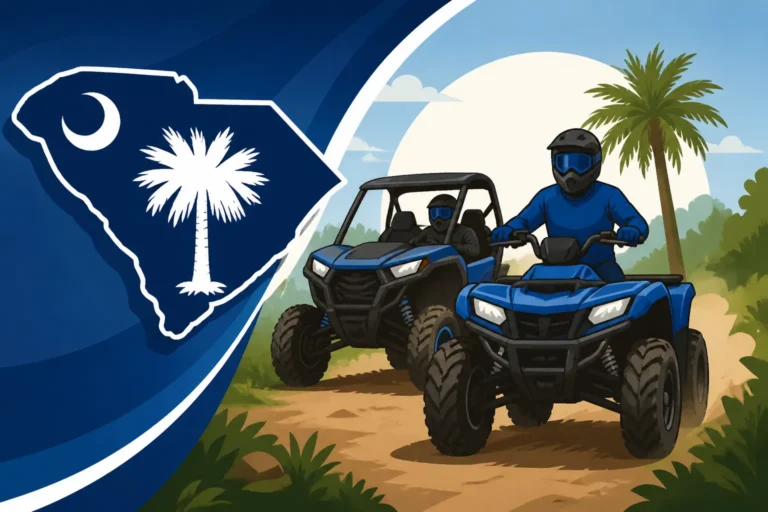
Among all the safety equipment, a helmet stands out as the single most critical piece for protecting a young rider's head. South Carolina law, under the umbrella of Chandler's Law, explicitly states that riders under the age of 16 must wear a helmet that meets federal standards. This isn't just a recommendation; it's a legal mandate that directly addresses the vulnerability of a child's head in an accident. A helmet can mean the difference between a minor bump and a life-altering head injury, making it an absolute essential for every ride. This rule is reinforced by [South Carolina Helmet Rules for Young Riders], ensuring compliance is a top priority for parents and guardians.
The reason for this strict requirement is simple: head injuries are among the most common and severe types of injuries sustained in ATV and UTV accidents. Children's skulls are still developing and may be more susceptible to trauma. A properly fitted, federally approved helmet significantly reduces the risk of serious brain injury. It acts as a crucial barrier, absorbing impact forces that would otherwise directly affect the skull and brain. Therefore, before any young rider even thinks about starting their machine, donning a compliant helmet must be the very first step, every single time.
The Federal Standard: What It Means for Helmets
When South Carolina law mandates that helmets for riders under 16 must meet "federal standards," it's specifically referring to certification by the U.S. Department of Transportation (DOT). This isn't just an arbitrary label; it's a stringent set of safety requirements designed to ensure that helmets provide a minimum level of protection. Understanding what DOT certification entails is crucial for parents and guardians to make informed decisions about their children's safety gear. It's about more than just a sticker; it's about verified protective capabilities.
What is DOT Certification and Why Does It Matter?
DOT certification, specifically Federal Motor Vehicle Safety Standard (FMVSS) No. 218, is the benchmark for helmet safety in the United States. This standard outlines requirements for impact attenuation, penetration resistance, and retention system effectiveness. When a helmet is DOT certified, it means the manufacturer has conducted rigorous testing to demonstrate that the helmet can withstand specific impact forces and prevent penetration from sharp objects, while also staying securely on the rider's head during a crash. Without this certification, there's no guarantee that a helmet will perform as expected in an accident, leaving a young rider dangerously exposed.
For parents, choosing a DOT-certified helmet provides a level of assurance that the helmet has been designed and tested to meet essential safety criteria. It's a testament to the helmet's ability to absorb energy from an impact, reducing the force transmitted to the rider's head. This is why the state of South Carolina, and many other jurisdictions, specifically requires this standard for minors, whose developing bodies and brains need maximum protection. Investing in a DOT-certified helmet is an investment in your child's well-being and a fundamental step towards responsible ATV and UTV riding.
Identifying a DOT-Compliant Helmet
Recognizing a DOT-compliant helmet is straightforward once you know what to look for. Every helmet that meets the FMVSS No. 218 standard must have a permanent sticker on the exterior back of the helmet. This sticker will clearly display the letters "DOT," along with other information such as the manufacturer's name, model, and sometimes the size. It's important to locate this specific label, as some helmets may have decorative stickers or other certifications (like Snell or ECE) that are not the primary "DOT" required by South Carolina law.
Additionally, always inspect the helmet for any signs of damage or alteration. Even a DOT-certified helmet can become compromised if it's been dropped, involved in a previous accident, or modified. Helmets are designed for a single major impact. If there's any doubt about a helmet's integrity, it's safer to replace it. A good practice is to purchase helmets from reputable dealers or directly from manufacturers to minimize the risk of acquiring counterfeit or non-compliant gear. While many companies offer a range of protective gear for UTVs, like heavy-duty winches or reinforced doors from SuperATV, the helmet itself is a standalone critical piece of personal protective equipment that must carry that DOT label.
The Dangers of Non-Certified Helmets
Using a non-DOT certified helmet, or one that is simply not designed for powersports, is a serious gamble with a young rider's safety. These helmets may look similar to certified ones, but they lack the internal structure, padding, and rigorous testing required to offer adequate protection. Helmets marketed as "novelty" helmets, for example, often provide minimal impact absorption and may not stay securely on the head during a fall, rendering them virtually useless in a real accident. The consequences of such inadequate protection can be catastrophic, leading to severe brain injuries, skull fractures, or worse.
Furthermore, using a non-compliant helmet for a minor in South Carolina not only jeopardizes their safety but also puts the supervising adult in violation of the law. This can result in fines and other legal penalties, which are far less significant than the potential medical and emotional toll of an preventable injury. It's a stark reminder that when it comes to head protection for children, there's no room for compromise. Always verify that "DOT" label, and ensure the helmet is in excellent condition before every single ride.
Beyond the Helmet: Other Essential Safety Gear for Young Riders
While a DOT-certified helmet is the cornerstone of ATV and UTV safety for young riders in South Carolina, it's just one piece of the protective puzzle. A comprehensive approach to safety means equipping your child with a full range of gear designed to protect their entire body. From clear vision to abrasion resistance, each item plays a vital role in preventing injuries and ensuring a more enjoyable, secure riding experience. Think of it as a personal suit of armor for the trail, complementing any robust machine accessories you might have from companies like SuperATV.
Eye Protection: Seeing Clearly and Safely
Clear vision is absolutely paramount for safe ATV and UTV operation, especially for young riders who are still developing their perception and reaction skills. South Carolina law specifically addresses this need, requiring [South Carolina Eye Protection for Young Riders]. This means goggles or a face shield that is securely attached to a helmet must be worn at all times. The trails and open fields are full of potential hazards – dust, debris, insects, low-hanging branches, and even mud can suddenly obstruct vision, leading to dangerous situations. Without proper eye protection, a child could easily be momentarily blinded, lose control, and suffer an accident.
When selecting eye protection, look for goggles that fit snugly over the eyes and are compatible with the helmet. They should offer a wide field of vision, be scratch-resistant, and have anti-fog properties, especially important during humid South Carolina summers. Many full-face helmets come with integrated face shields that offer excellent protection. Just ensure they are clean and free of significant scratches that could impair visibility. This simple piece of gear can prevent uncomfortable irritations and, more importantly, serious eye injuries that could impact a child's sight for life.
Proper Riding Attire for the Trail
Beyond the helmet and eye protection, the rest of a young rider's attire plays a significant role in their overall safety and comfort. While South Carolina law doesn't specify every piece of clothing, common sense and best practices dictate a few essentials. Long-sleeved shirts and long pants, preferably made of durable materials like denim or specialized riding fabrics, should be worn to protect against abrasions, cuts, and scrapes from branches, rocks, or falls. These layers also offer some protection from sun exposure and insect bites, making the ride more enjoyable.
Gloves are another crucial item, protecting hands from blisters, impacts, and brush, while also improving grip on the handlebars. Sturdy over-the-ankle boots are essential to protect feet and ankles from impacts, provide good grip on footpegs, and prevent sprains or breaks if a foot slips. Sneakers or sandals simply don't offer the necessary protection. Thinking about the entire ensemble, not just individual pieces, ensures a young rider is fully prepared for the varied terrain and potential challenges of off-road riding, aligning with the spirit of [South Carolina Equipment Requirements for ATVs].
Completing the Safety Picture: Safety Certificates
In addition to wearing the right gear, South Carolina law also requires young riders to complete an approved safety course. Specifically, riders 15 years of age and under must possess a safety certificate when operating an ATV on certain lands. This requirement is detailed in [The Safety Certificate Riders 15 and Under Need] and is a crucial part of ensuring young riders have the knowledge and skills to operate an ATV safely. It's not enough to just put on the gear; understanding how to ride responsibly and react to different situations is equally vital.
The safety course covers topics like basic ATV operation, turning, braking, climbing and descending hills, safe riding practices, and understanding the risks involved. It provides hands-on training under the guidance of certified instructors, giving young riders practical experience in a controlled environment. This combination of proper equipment and formal training significantly reduces the likelihood of accidents and demonstrates a commitment to responsible riding. Parents should prioritize enrolling their children in these courses, as they provide invaluable lessons that protective gear alone cannot.
Practical Steps for Choosing the Right Helmet
Selecting the correct helmet for a young ATV or UTV rider isn't just about picking one off the shelf with a DOT sticker. It involves careful consideration of fit, features, and when to replace it. A helmet that doesn't fit properly, regardless of its certification, won't offer optimal protection. Taking the time to ensure the right choice can make all the difference in a critical moment.
Sizing and Fit: More Than Just the Right Certification
The most important factor after DOT certification is undoubtedly the fit of the helmet. A helmet that is too large can shift during a ride or an impact, reducing its effectiveness and potentially obscuring vision. One that is too small can be uncomfortably tight, causing headaches and distracting the rider. To determine the correct size, you'll need to measure the circumference of your child's head at its widest point, usually about an inch above the eyebrows. This measurement will correspond to sizing charts provided by helmet manufacturers.
Once you have the size, try the helmet on. It should fit snugly all around the head, with no pressure points. The helmet should not move when your child shakes their head or if you try to rotate it gently. The cheek pads should press firmly against the cheeks, and the chin strap should be securely fastened, allowing only enough room for one finger between the strap and the chin. Have your child try on a few different brands and styles, as head shapes vary, and some helmets may fit better than others. Remember, a perfectly fitting helmet is a protective helmet.
Here's a quick checklist for helmet fit:
| Feature | Description |
|---|---|
| Snug Fit | The helmet should fit tightly without causing painful pressure points. |
| No Movement | With the chin strap fastened, the helmet should not shift side-to-side or front-to-back when moved. |
| Cheek Pads | Pads should press firmly against cheeks; if they wiggle, it's too loose. |
| Chin Strap | Securely fastened, it should allow only one finger to fit between strap and chin. |
| Field of Vision | Ensure the helmet doesn't obstruct peripheral vision. |
| Comfort | While snug, it should still be comfortable enough for extended wear without distraction. |
Brands and Features to Look For
When shopping for helmets, many reputable brands specialize in powersports safety gear. While SuperATV is known for its wide range of UTV parts and accessories that enhance vehicle safety and performance, for helmets specifically, you'll want to look at established helmet manufacturers. These brands often offer features designed for off-road use, such as advanced ventilation systems to keep riders cool, removable and washable liners for hygiene, and durable outer shells to withstand impacts. Some helmets also come with features like integrated visors or specialized anti-fog coatings for goggles.
Consider the specific riding conditions your child will encounter. If they ride in dusty environments, a helmet with good dust filtration might be beneficial. For hot climates like South Carolina, excellent ventilation is a must. While cost can be a factor, remember that a helmet is an investment in safety. It's often worth spending a bit more for a high-quality, comfortable, and feature-rich helmet that your child will actually want to wear every time they ride. Always ensure that, regardless of brand or features, the helmet proudly displays that "DOT" certification.
When to Replace a Helmet
Helmets are not designed to last forever, and knowing when to replace one is just as important as choosing the right one initially. The general rule of thumb is to replace a helmet after it has sustained any significant impact, even if there's no visible damage. The internal padding and protective materials are designed to absorb and dissipate energy during a crash, and this process can compromise their future effectiveness. Even a seemingly minor drop onto a hard surface can weaken the helmet's structural integrity.
Beyond impacts, helmets have a lifespan, typically around 5-7 years from the date of manufacture. Over time, materials can degrade due to exposure to UV light, sweat, and general wear and tear, reducing their protective capabilities. Check the manufacturing date, often located inside the helmet. Also, look for signs of visible deterioration, such as cracks in the shell, frayed straps, or compressed padding. If your child has outgrown their helmet, it's also time for a replacement to ensure a proper, snug fit. Never compromise on helmet integrity; when in doubt, replace it.
Consequences of Non-Compliance and Enforcement
Understanding South Carolina's ATV and UTV laws is crucial not only for safety but also for avoiding legal repercussions. Ignoring the helmet requirements for minors, or other safety regulations, can lead to fines and other penalties. It’s important for parents and supervising adults to be aware of what law enforcement officers look for and the potential consequences of failing to comply. After all, the rules in place, such as those within [South Carolina Code Title 50 Chapter 26], are there for a reason, backed by enforcement.
South Carolina Fines for Violations
Violating South Carolina's ATV safety laws, including the helmet requirement for riders under 16, can result in financial penalties. [South Carolina Fines of $50 to $200] are typically imposed for such infractions. While these fines might seem relatively small compared to other traffic violations, they add up and serve as a clear indicator that the state takes these safety regulations seriously. The financial burden is a minor consideration, however, compared to the potential for serious injury if a child is riding without proper protection.
These fines are often accompanied by a warning or a directive to cease the activity until the violation is corrected, for instance, by acquiring a DOT-compliant helmet. Law enforcement's primary goal is usually to ensure compliance and promote safety rather than simply issuing tickets. However, repeat offenses or particularly egregious violations might lead to more severe actions. It’s always best to be proactive and ensure all riders, especially minors, are fully compliant with the law before heading out.
What a Law Enforcement Officer Can Look For
When a South Carolina Department of Natural Resources (SCDNR) officer or a local law enforcement deputy encounters ATV or UTV riders, especially those with minors, they are trained to look for several key indicators of compliance with [Chandler's Law and South Carolina ATV Rules]. Foremost among these is the presence and proper use of a DOT-certified helmet for any rider under 16. Officers will visually inspect the helmet for the "DOT" label and ensure it's securely fastened. They will also check for appropriate age and supervision, as well as the presence of a safety certificate for eligible young riders.
Beyond personal protective equipment, officers may also assess the riding environment and practices. This could include checking if minors are riding on prohibited roads or areas, or if the ATV itself is being operated in an unsafe manner. While much of the law pertains to private property, officers can still intervene if they observe dangerous practices that could lead to injury. Understanding these enforcement points helps responsible adults ensure that their children's riding activities are not only fun but also fully legal and safe. [What a South Carolina Deputy Can Ask to See] might extend to proof of age or ownership if there are other concerns.
Insurance Implications and Liability
Beyond legal fines, failing to comply with safety laws, such as the helmet requirement for minors, can have significant insurance and liability implications in the event of an accident. If a child is injured while riding an ATV or UTV without a legally required DOT-certified helmet, insurance companies may dispute claims or reduce payouts, arguing that the supervising adult was negligent in ensuring proper safety measures. This could leave families responsible for substantial medical bills and other costs that insurance might otherwise cover.
Furthermore, if an accident involves another party, or if the injury is severe, the supervising adult could face civil liability lawsuits. Proving negligence due to non-compliance with state safety laws could result in considerable financial judgments against them. The laws are designed to minimize risk, and when those laws are disregarded, it can open the door to serious legal and financial consequences. Therefore, ensuring full compliance with all South Carolina ATV and UTV safety regulations is not just about avoiding fines; it's about protecting your family from potential financial ruin and ensuring their well-being in every possible way.
Disclaimer
This article is for general informational purposes only and does not constitute professional advice. Laws, prices and regulations vary by location and change over time. Consult a qualified professional for guidance on your specific situation.