South Carolina Street UTV Passenger Age Limits
Trying to figure out who can legally ride as a passenger in your new street-legal UTV in South Carolina can feel like trying to navigate a muddy trail with a blindfold on. The laws, especially those recently enacted, can be a real head-scratcher, leaving many of us scratching our heads and wondering if our family rides are even compliant. This guide is here to shed some much-needed light on the specific passenger age limits and related rules, helping you understand exactly what’s allowed when you hit the open road with your street-legal side-by-side in the Palmetto State.
Understanding South Carolina's Street-Legal UTV Law
For years, the dream of taking your UTV from the deer camp or the trail directly onto paved roads in South Carolina felt like a distant fantasy for many of us. We'd see them everywhere off-road, decked out with cool accessories from places like SuperATV, but getting them legally on public roads was a bureaucratic headache or outright impossible. The frustration was palpable, especially for those who lived just a short distance from town or needed to cross a main road to get to their favorite trails. This changed with new legislation, finally offering a pathway for UTV enthusiasts to legally operate their machines on many secondary roads.
The Recent Legislative Changes and Their Impact
The landscape for UTV owners in South Carolina shifted dramatically with the passing of [South Carolina Act 164 and Street UTVs]. This significant piece of legislation, which went into effect recently, created an entirely new category for side-by-sides: the street-legal utility vehicle. Before this, UTVs were largely confined to private property or designated off-road parks, leaving a huge gap for those who wanted more versatility from their expensive machines. This new law brought with it a comprehensive set of requirements, from specific equipment mandates to registration procedures, and, importantly, rules about who can actually ride in these vehicles on the street.
The impact of this act has been massive, opening up new possibilities for recreation, short-distance commutes, and even utility work on public roadways. It means that the UTV you use for hauling feed around your farm or getting to your favorite fishing spot can now, with the proper registration and equipment, legally take you to the corner store for supplies. However, with this newfound freedom comes responsibility, and a critical part of that is understanding the rules designed to keep everyone safe, particularly our youngest passengers. Many folks were eager to just get out and ride, but quickly realized the need to dig into the specifics of these regulations to avoid fines or, worse, accidents.
Defining a Street-Legal UTV in the Palmetto State
It's crucial to understand that not every UTV automatically qualifies as "street-legal" under South Carolina law. The state has specific criteria that a utility vehicle must meet to be registered and operated on public roads. These aren't just suggestions; they are hard and fast requirements that determine whether your machine can get that coveted license plate. Think of it as a checklist you need to go through, and missing even one item can mean the difference between a fun, legal ride and a frustrating encounter with law enforcement.
According to the law, a street-legal UTV has to meet certain dimensions and features. It must be less than 80 inches wide, weigh under 4,000 pounds, and have a top speed of at least 35 miles per hour. Beyond the physical specs, it also needs safety equipment that mirrors what you'd find on a standard automobile. We're talking about [South Carolina Street UTV Machine Specs] like turn signals, brake lights, headlamps, a horn, a rearview mirror, a windshield, and, critically, seat belts for every occupant. These aren't optional upgrades; they're foundational elements for street legality. If your UTV, even with all the cool modifications you might have picked up from a place like SuperATV, doesn't meet these base requirements, it simply cannot be registered for street use in South Carolina.
Unpacking South Carolina's Street UTV Passenger Age Limits
This is where a lot of the confusion often crops up. We're used to different rules for ATVs, golf carts, and regular cars, so trying to figure out where street-legal UTVs fit in can be a maze. For families especially, knowing whether your child can ride along for a scenic drive or a quick trip into town is paramount. South Carolina's new street-legal UTV law establishes clear, albeit sometimes surprising, guidelines for who can be a passenger. Ignoring these rules isn't just a risk for a citation; it's a risk to the safety of your loved ones.
Minimum Age for Passengers: The "Eight-Years-Old" Rule
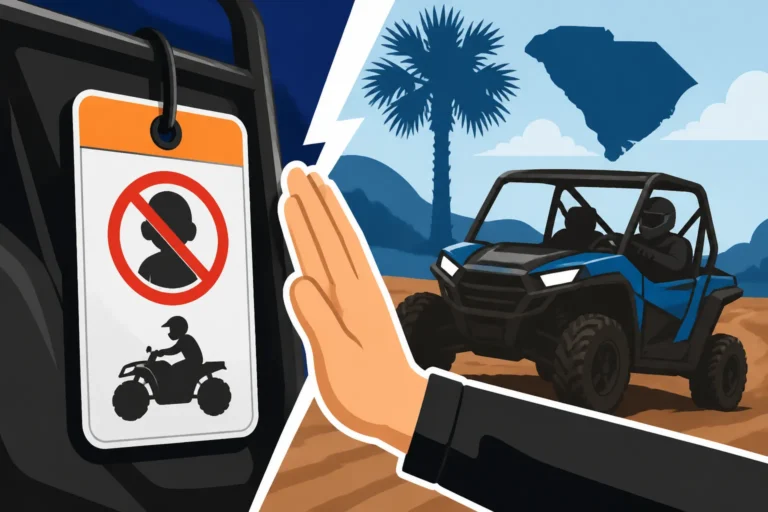
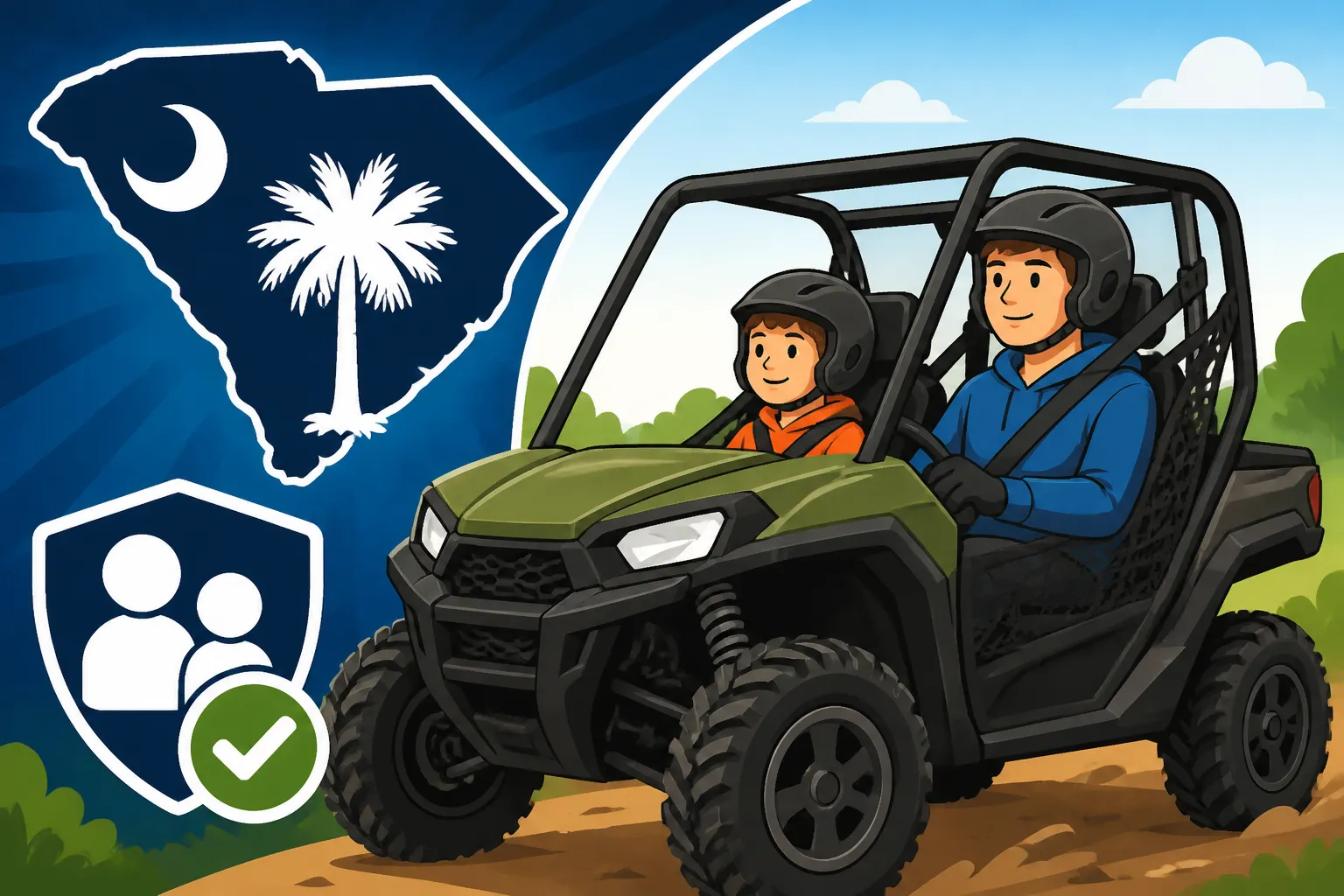
One of the most impactful provisions of the new law specifically addresses passenger age for street-legal UTVs. South Carolina law states, quite unequivocally, that a passenger in a street-legal UTV must be at least eight years old. This means if you have a child who is seven years old or younger, no matter how much they beg or how short the trip, they cannot legally ride as a passenger in a street-legal UTV on public roads. This rule, specifically detailed in sections of the act, is a non-negotiable safety measure designed to protect the youngest and most vulnerable occupants.
This can be a significant adjustment for families, particularly those with multiple young children. Many assume that if the vehicle has seat belts and seems safe, age shouldn't be an issue, especially if the child is accustomed to riding in other vehicles. However, the state has made a definitive distinction for street-legal UTVs, reflecting concerns about vehicle dynamics, crashworthiness, and the ability of very young children to properly utilize the safety restraints. So, before you load up the family for a spin, make sure every passenger, including those in booster seats if needed for proper seat belt fit, meets the [No Passenger Eight or Younger] requirement.
Supervising Adults and Their Responsibilities
While the eight-year-old minimum age is firm, the law also places a strong emphasis on the role of the supervising adult, whether they are the driver or another adult passenger. For any minor passenger, regardless of their age above eight, the adult operating the street-legal UTV holds the ultimate responsibility for their safety and adherence to the law. This isn't just about making sure they're eight years old; it's about ensuring they are properly secured, behaving safely, and that the driving conditions are appropriate for their presence.
This adult supervision extends beyond just the initial seating. It includes ensuring that the child remains properly belted throughout the ride, doesn't interfere with the driver's operation, and understands the importance of staying inside the vehicle. For example, if you have a ten-year-old riding with you, it's the adult's job to confirm their seat belt is snug and they aren't leaning out or distracting you. The law implicitly requires a proactive approach to safety from the adult in charge, recognizing that even older children can sometimes forget safety protocols when excitement takes over. Ultimately, the adult's diligence is a critical layer of protection for all minor passengers in a street-legal UTV.
Driver Requirements for Street-Legal UTVs
It's easy to get caught up in the excitement of owning a street-legal UTV and focus solely on the machine itself. However, the person behind the wheel is just as important, if not more so, than the vehicle's specifications. South Carolina has also laid out specific requirements for who can legally operate these machines on public roads, and these rules are intrinsically linked to passenger safety. After all, a responsible driver is the first line of defense against accidents, and understanding these mandates is non-negotiable for anyone planning to hit the road.
License and Age Mandates for Operators
Just like driving a car, operating a street-legal UTV in South Carolina comes with a strict licensing requirement. You can't just hop in and go; the law is clear that you must possess a valid driver's license. This means no learner's permits, no provisional licenses, and certainly no unlicensed drivers. The state wants to ensure that anyone operating a vehicle on its public roads has demonstrated a baseline level of driving competency and knowledge of traffic laws. This is a fundamental safety measure, designed to protect not only the occupants of the UTV but also other motorists and pedestrians.
Furthermore, there is a specific age mandate for operators: a driver must be at least [South Carolina Street UTV Age of 17] to legally operate a street-legal UTV on public roads. This age requirement is higher than what might be allowed for some other types of recreational vehicles or even for obtaining certain driving permits. It reflects a cautious approach to integrating these unique vehicles into mainstream traffic, ensuring that drivers have a certain level of maturity and experience. Therefore, if your teenager is itching to take your street-legal UTV for a spin, they must be at least 17 and hold a full, valid driver's license, not just a beginner's permit.
Helmet Use for Younger Drivers and Passengers
While seat belts are paramount for all occupants, South Carolina's law also addresses helmet use for younger riders in street-legal UTVs. This specific provision aims to add an extra layer of protection for those who are still developing and may be more vulnerable in the event of an accident. It's a recognition that even with a full roll cage and seat belts, head injuries remain a serious concern, especially for those in their formative years.
The law states that any driver or passenger under the age of 21 must wear a helmet that complies with federal standards. This includes a face shield or other suitable eye protection, ensuring comprehensive head and face safety. This is a critical point that many riders, especially those new to street-legal UTVs, might overlook. It's not just about the driver; it extends to all passengers below the specified age. So, if you're 20 and riding shotgun in a friend's street-legal UTV, you need to be sporting a helmet. This is an area where accessories from companies like SuperATV, offering high-quality helmets and face shields, can be incredibly useful to ensure compliance and, more importantly, safety. Ignoring this rule can lead to fines and, more critically, serious injury in a crash. [Face Shields Required for UTV Riders Under 21] is a clear directive that cannot be ignored.
Essential Safety Equipment and Practices for Street UTV Passengers
When you decide to take your street-legal UTV onto public roads, safety transcends mere compliance with the law; it becomes a paramount concern for every occupant, especially passengers. While the law outlines minimum requirements, truly ensuring passenger safety involves understanding both the mandated equipment and best practices that go beyond simply checking off a box. UTVs, by their very nature, offer a different riding experience than traditional automobiles, and this uniqueness demands a specialized approach to safety.
The Importance of Seat Belts and Manufacturer Guidelines
The most fundamental piece of safety equipment for any passenger in a street-legal UTV is the seat belt. South Carolina law explicitly requires seat belts for every occupant position in a street-legal UTV, and these belts must be used. This isn't an optional accessory; it's a critical safety device designed to keep occupants secure within the vehicle's protective cage during sudden stops, evasive maneuvers, or, in the worst-case scenario, a collision or rollover. Without proper seat belt use, even the most robust roll cage offers little protection as occupants can be ejected from the vehicle.
Beyond the legal mandate, it's vital to follow the manufacturer's guidelines for seat belt use and seating capacity. Each UTV is designed with specific seating positions and corresponding restraints. Attempting to fit more passengers than the vehicle is designed for, or using aftermarket seats and belts that aren't properly installed or rated, can compromise safety. Always ensure that each passenger, especially children, is properly secured with their seat belt adjusted snugly across their lap and shoulder. For smaller children who meet the eight-year-old age requirement but are too small for the vehicle's standard belts, consider appropriate booster seats that allow the factory seat belt to fit correctly, mimicking the safety standards you'd apply in a car.
Additional Gear for Enhanced Passenger Safety
While seat belts and helmets for younger riders are legally required, there are additional pieces of equipment and practices that can significantly enhance passenger safety in a street-legal UTV. Many UTVs, especially those primarily designed for off-road use, might come with basic side netting or half-doors. When transitioning to street use, however, consider upgrading these components for better protection. Full doors, for instance, can prevent limbs from inadvertently extending outside the vehicle during operation and offer better containment in a side impact.
Windshields are another critical component; while legally required for street-legal status, opting for a durable, shatter-resistant windshield with a wiper can improve visibility and protect passengers from road debris, insects, and adverse weather. For those looking to add comfort and safety, aftermarket accessories from brands like SuperATV offer a vast array of options, including full doors, stronger harnesses, and more robust windshields specifically designed for UTVs. Furthermore, educating passengers, particularly younger ones, about keeping hands and feet inside the vehicle at all times, not leaning against doors or nets, and understanding emergency procedures, adds another layer of proactive safety. Remember, a UTV handles differently than a car, especially at speed or in varied terrain, so passenger awareness is a key safety practice.
Differentiating Street UTVs from Other Off-Road Vehicles
One of the persistent challenges for South Carolina riders is the patchwork of regulations governing different types of off-road and recreational vehicles. It's easy to mistakenly apply ATV rules to a street-legal UTV, or vice versa, leading to confusion and potential legal issues. Understanding the distinctions is not just about avoiding a ticket; it's about appreciating the unique operational characteristics and safety considerations each vehicle type presents, especially concerning who can ride as a passenger and where.
Street UTVs Versus Off-Road ATVs and Side-by-Sides
The most significant distinction lies between a registered street-legal UTV and its purely off-road counterparts, ATVs and traditional side-by-sides. An ATV, or All-Terrain Vehicle, is designed for a single rider, straddled like a motorcycle, and is exclusively for off-road use in South Carolina. There is [South Carolina Has No Off-Road ATV Registration] for trail use, and they are generally not permitted on public roads except for very specific, limited circumstances (like crossing a road or farm use, under strict conditions). Passenger rules for ATVs are also very different; most are designed for one rider, and carrying a passenger is often illegal and highly dangerous.
A non-street-legal side-by-side (SXS), while resembling a street UTV, lacks the specific equipment and registration required for road use. These machines are also built for off-road adventures, from challenging rock crawling to mud bogging. While they can carry passengers, their operational environment and safety features are tailored for rugged terrain, not asphalt. When you add the required equipment—like turn signals, a windshield, and seat belts—and go through the registration process, your side-by-side officially transforms into a street-legal UTV with a distinct set of rules, including the passenger age limits we've discussed. This transformation is key because it shifts the vehicle from unregulated off-road play to regulated public road use, bringing a whole new level of legal scrutiny.
How Street UTV Rules Differ from Golf Carts and Low-Speed Vehicles
The confusion doesn't stop with ATVs; many people also mix up street-legal UTVs with golf carts and Low-Speed Vehicles (LSVs). While all three can operate on certain public roads, their definitions, limitations, and, critically, passenger rules, are quite distinct in South Carolina. A golf cart, for example, is primarily designed for golf courses and is generally limited to operating within a [South Carolina Golf Cart Radius and Speed Rules] of the owner's address, often on roads with a speed limit of 35 mph or less. Obtaining a [South Carolina Golf Cart Permit Fees] is relatively simple, and while they have some basic safety requirements, their passenger rules are often less stringent in terms of age, though common sense and local ordinances always apply.
Low-Speed Vehicles (LSVs) are a separate class entirely. They are typically small, four-wheeled electric vehicles that can reach speeds between 20 and 25 mph. LSVs are designed and manufactured to meet specific federal safety standards, similar to automobiles, and require full registration and a license plate. They generally have more robust safety features than golf carts, but less power and speed than a street-legal UTV. Understanding the distinct [South Carolina Low-Speed Vehicle Rules] is crucial because their operating zones, speed limits, and even passenger carrying capacities will differ from street-legal UTVs. The key takeaway is that each of these categories—street UTV, golf cart, and LSV—has its own unique legislative framework, and applying rules from one to another is a common, but avoidable, mistake that can lead to unforeseen issues.
Real-World Scenarios and Navigating Passenger Rules
Understanding the letter of the law is one thing, but knowing how it applies in practical, everyday situations is another. For those of us who own street-legal UTVs, the goal is often to enjoy them responsibly with family and friends. This means being prepared for various scenarios, from a leisurely Sunday drive to an unexpected interaction with law enforcement. Thinking through these situations beforehand can save you a lot of hassle and ensure that your time on the road is both enjoyable and compliant.
Family Outings and Recreational Rides
Imagine you're planning a trip to a state park or a scenic drive on a secondary road with your street-legal UTV. The excitement is palpable, and everyone, especially the kids, wants to come along. This is precisely where understanding the passenger age limits becomes critical. If you have a child who is seven years old, they cannot ride as a passenger on that public road trip, even if they're perfectly fine riding in a car. You'd have to make alternate arrangements for them, perhaps having another adult take them in a separate vehicle, or choosing an off-road park for your UTV adventure where different rules might apply. This can be a bummer, but safety and compliance must come first.
For children aged eight and above, they can ride, but the adult driver still has a responsibility to ensure they are properly secured with seat belts and understand safe riding behavior. This means no standing up, no leaning out, and no distracting the driver. If you've invested in comfortable seating and safety accessories from a company like SuperATV, it makes the ride more enjoyable and secure for everyone. Always remember the helmet rule for those under 21 as well, which is an easy one to overlook when you're just focused on getting out and having fun. A quick check before you leave the driveway can prevent a lot of headaches down the road.
What to Expect During a Traffic Stop
While we all hope for smooth sailing on the roads, a traffic stop is always a possibility, whether for a routine check or a perceived violation. When driving a street-legal UTV, law enforcement officers will be looking for specific points of compliance, and passenger age limits are definitely on that list. If you're pulled over with a child under eight years old as a passenger, you can expect to receive a citation. The officer isn't likely to be swayed by arguments about the child's maturity or the brevity of the trip; the law is clear.
During a stop, an officer will likely check your [South Carolina Street UTV Age of 17], your driver's license, the vehicle's registration, and proof of [South Carolina Street UTV Insurance Rules]. They will also visually inspect your UTV to ensure it meets the necessary equipment requirements, like functioning lights, turn signals, and a horn. For any passengers under 21, expect a check for helmet use. Being prepared means having all your paperwork in order and ensuring all occupants are compliant with the age and safety equipment rules. It's far better to be overly cautious and ensure everyone is legal than to face fines, inconvenience, or the stress of explaining why a minor passenger wasn't compliant. Knowing the rules makes these interactions much smoother.
Here's a quick overview of passenger rules for different South Carolina vehicles:
| Vehicle Type | Minimum Passenger Age | Helmet Required (Under 21) | Seat Belts Required | Restricted Roads (Speed/Radius) | Valid Driver's License Required |
|---|---|---|---|---|---|
| Street-Legal UTV | 8 years old | Yes | Yes | Yes (e.g., [South Carolina Street UTV Road Speed Limits]) | Yes |
| Off-Road ATV | Generally Not Allowed | Yes (Under 16) | No | Always Off-Road (Except Exemptions) | No (Safety Cert. for Minors) |
| Golf Cart | None Specified (Common Sense) | No | No (Varies by Model) | Yes ([South Carolina Golf Cart Road Rules]) | Yes (or Permitted Driver) |
| Low-Speed Vehicle | None Specified (Common Sense) | No | Yes | Yes (25 mph max) | Yes |
Disclaimer
This article is for general informational purposes only and does not constitute professional advice. Laws, prices and regulations vary by location and change over time. Consult a qualified professional for guidance on your specific situation.