South Carolina Hunting and Trapping Exemptions
There's nothing quite like the feeling of confusion when you're trying to figure out what you can and can't do with your ATV or UTV in South Carolina, especially when you're headed out to hunt or check traps. The laws can feel like a tangled briar patch, leaving you wondering if your machine is helping or hindering your outdoor pursuits. This guide will cut through the confusion, explaining the specific exemptions that apply to ATVs and UTVs used for legitimate hunting and trapping activities across the Palmetto State, so you can focus on the harvest, not the paperwork.
Understanding Chandler's Law and Its Exemptions
South Carolina's ATV and UTV laws can feel a bit overwhelming, particularly when you're trying to figure out if your machine is legal for specific uses. For many years, there wasn't much in the way of comprehensive state-level regulation for off-road vehicles. This changed significantly with the passage of Chandler's Law, which brought a much-needed framework for how these machines can be operated, especially concerning safety and age restrictions. However, even with these new rules, the legislature recognized that certain activities, like hunting and trapping, require a practical approach to machine use, leading to some crucial exemptions.
What is Chandler's Law Anyway?
Before we dive into the exemptions, it helps to understand the foundation. [Chandler's Law and South Carolina ATV Rules] came into effect to address growing concerns about ATV safety, particularly involving younger riders. It established age restrictions, mandatory safety courses for those under a certain age, and helmet requirements. It also outlined prohibited riding areas, primarily focusing on public roads and highways, which are generally off-limits for traditional off-road ATVs. This law aimed to make ATV riding safer for everyone, reducing accidents and injuries, especially among the youth who are often eager to hop on a machine. It set a baseline for responsible operation that every rider in South Carolina should be familiar with.
The Rationale Behind Exemptions
So, if Chandler's Law set these rules, why are there exemptions? It all comes down to practicality and the long-standing traditions of outdoor recreation in South Carolina. Legislators understood that using ATVs and UTVs for hunting and trapping isn't just a hobby for many, it's an essential part of accessing remote areas, transporting heavy gear, and retrieving game. Imagine trying to drag a fully grown deer several miles through thick swamp or dense forest without the aid of a machine; it's a monumental task, often impractical or even unsafe. The exemptions were created to acknowledge these real-world needs, ensuring that hunters and trappers could continue to utilize their machines as tools for their trade and passion, without being unduly burdened by regulations primarily designed for recreational riding on public lands. These exemptions balance public safety with the genuine utility of these machines in agricultural and resource-management contexts.
Specific Exemptions for Hunting and Trapping Activities
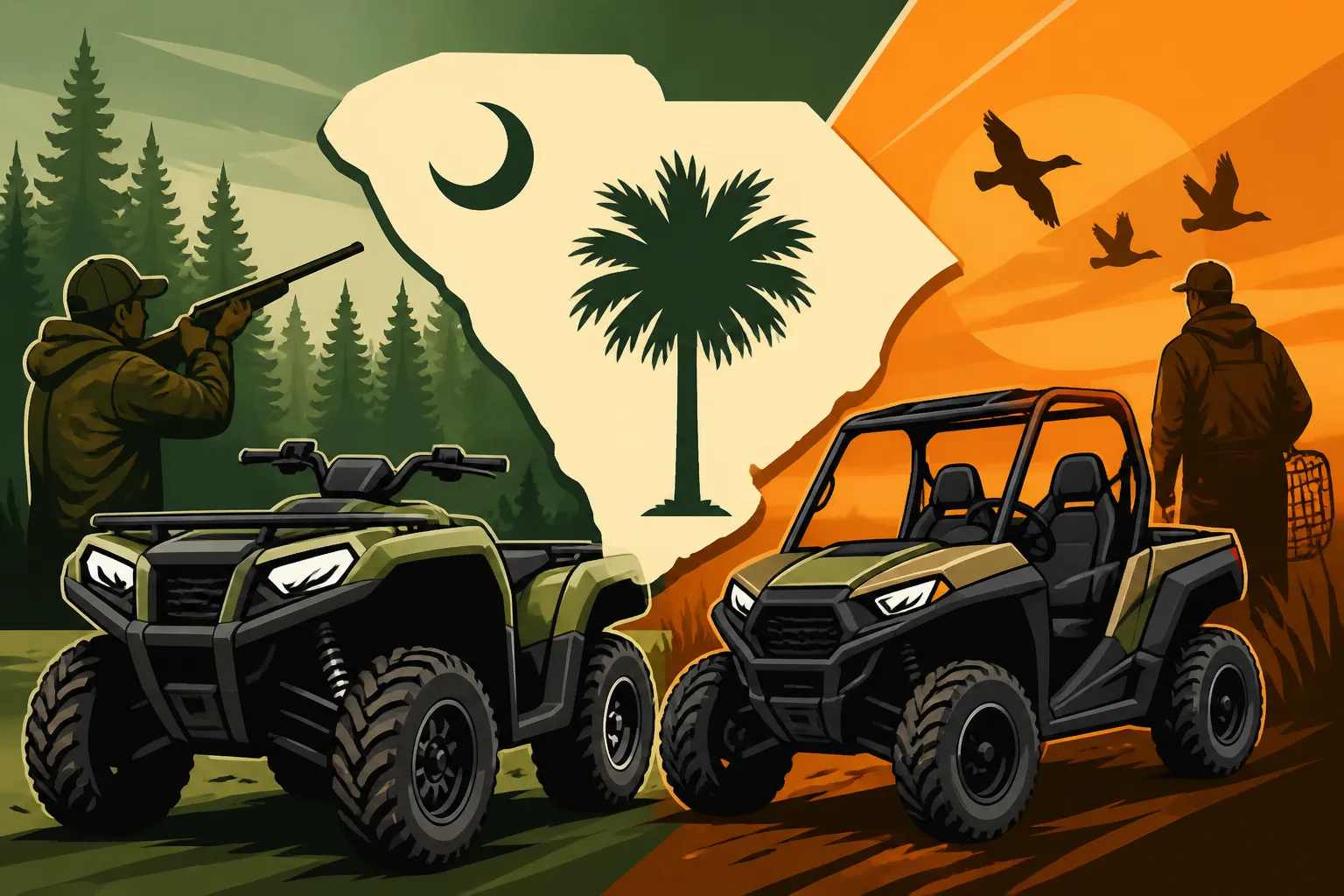
The heart of the matter for many outdoor enthusiasts lies in what is actually allowed when they're pursuing game or checking their lines. South Carolina law provides specific carve-outs that make it legal to use your ATV or UTV for activities directly related to hunting and trapping. These aren't just minor loopholes; they are explicit acknowledgments of the role these machines play in accessing and working in the state's vast natural areas. It's about enabling folks to get the job done efficiently and safely, often in challenging terrain where conventional vehicles simply can't go.
Accessing Hunting and Trapping Land
One of the most valuable aspects of these exemptions is the ability to use your ATV or UTV to access private property for hunting or trapping. While general ATV laws strictly limit where you can ride, South Carolina Hunting and Trapping Exemptions allow you to operate your machine on land leased or owned for these specific purposes. This means you can drive directly to your deer stand, duck blind, or remote trap site without worrying about violating general riding prohibitions. For many, this is absolutely essential. Think about those long, winding trails through a private timber tract, or the muddy two-track leading to a prime hunting spot deep in the woods. An ATV or UTV equipped with good tires and perhaps a lift kit from a company like SuperATV can navigate these conditions with ease, making those hard-to-reach areas suddenly accessible. This exemption is a game-changer for effective land management and successful hunts.
Transporting Game, Traps, and Equipment
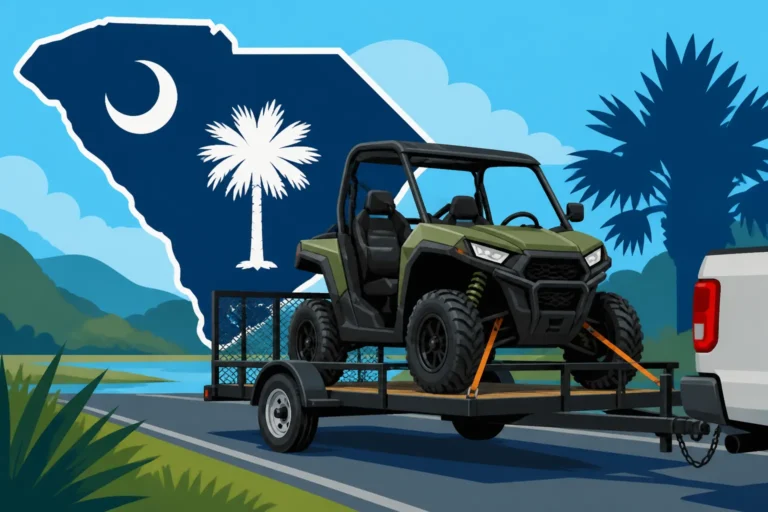
Beyond just getting to your spot, these machines truly shine when it comes to the heavy lifting. The exemptions explicitly cover the use of ATVs and UTVs for transporting harvested game, as well as all the necessary equipment for hunting and trapping. Imagine bringing in a tree stand, bags of corn for a feeder, or a dozen heavy traps; trying to carry all that on foot, especially over rough terrain, is an exhausting ordeal. With a UTV, you can load up the bed with all your gear, even a partner's, and make multiple trips a breeze. After a successful hunt, [Hauling a Deer Out by Quad in South Carolina] becomes far more manageable when you can secure your trophy to the back of your machine, minimizing the physical strain and reducing the risk of damaging the meat during a long drag. Whether it's a large deer, multiple small game animals, or a full set of trapping supplies, the ability to use your machine as a workhorse is invaluable. Many hunters outfit their machines with specialized cargo boxes or racks, often from aftermarket providers, to maximize their carrying capacity safely and securely.
Important Conditions and Limitations
While the exemptions for hunting and trapping are incredibly helpful, it's crucial to understand that they aren't a blank check to ride anywhere, anytime. These are not "get out of jail free" cards, but rather specific allowances within a broader legal framework. Just like any privilege, they come with responsibilities and limitations that riders must respect. Ignoring these conditions can quickly turn an exempted activity into a violation, potentially leading to fines or other penalties. The key is to know where the line is drawn and to always operate within those boundaries.
Private vs. Public Land Restrictions
This is perhaps one of the most significant distinctions you need to grasp. The hunting and trapping exemptions primarily apply to private land where you have explicit permission to ride and hunt. This is where most traditional hunting leases and private land access agreements come into play. On private property, the owner sets the rules, and as long as your activities fall under the hunting/trapping exemption and you have permission, you're generally in good shape.
However, the rules change drastically when you move to public lands. Wildlife Management Areas (WMAs) operated by the South Carolina Department of Natural Resources (SCDNR) and National Forests (like the Francis Marion or Sumter National Forests) have their own strict regulations. [South Carolina WMA Regulations for Vehicles] almost universally prohibit ATVs and UTVs for general use, even for hunting access, unless specifically designated or during very limited periods. Similarly, while National Forests might have designated OHV trails, these are for recreational riding and often have strict rules about where and when you can use them, separate from hunting access. [South Carolina National Forest OHV Passes] are required for these designated trails, and even then, using your machine to retrieve game might be restricted to specific forest roads or require special permits. Never assume that a hunting exemption on private land extends automatically to public lands; always check the specific rules for the public area you plan to visit before you even load your machine onto the trailer.
Age, Helmet, and Passenger Rules Still Apply
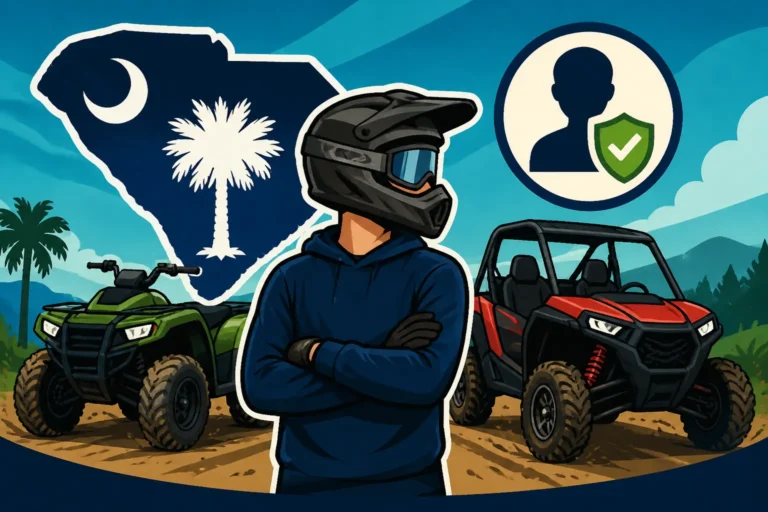
Even if you're on private land and using your machine for a legitimate hunting or trapping activity, many of the core safety provisions of Chandler's Law still hold true. This is particularly important concerning young riders. For example, [South Carolina Helmet Rules for Young Riders] generally require helmets for riders under 16, regardless of whether they're hunting or just riding for fun. Similarly, age restrictions on who can operate an ATV or UTV, and rules about [South Carolina Passenger Rules Under 16], often remain in effect.
Think about it this way: the exemption applies to the purpose of your ride (hunting/trapping), not who is riding or how safely they are riding. A child operating a machine too large for them, or riding without a helmet, is still a safety concern, and the law reflects that. Always prioritize safety first. Ensure that everyone operating or riding as a passenger on your machine meets the age, training, and equipment requirements outlined in Chandler's Law. It's not just about avoiding a ticket; it's about preventing serious injury in the field.
Equipment Requirements and Local Ordinances
While the primary focus of the exemptions is on use, there are still some basic equipment requirements that apply to all ATVs and UTVs in South Carolina, regardless of their purpose. For instance, [South Carolina Spark Arrester Requirements] are generally in place for machines operating in wooded areas, which is pretty much everywhere you'd be hunting or trapping. A spark arrester is a critical safety device designed to prevent forest fires, and it's a small but vital piece of equipment you should always have.
Furthermore, while state law provides these exemptions, local municipalities or counties might have their own ordinances that could impact your operations, especially if you're traversing small sections of county roads to get to private land (even if allowed by the hunting exemption, some local rules might apply, though state law generally overrides local for hunting exemptions on private land access). Always be aware of your specific surroundings. It's rare for local ordinances to directly contradict state law regarding hunting exemptions on private property, but it's always good practice to ensure your machine is in good working order, with all standard safety equipment functioning, even for off-road use. This helps prevent unforeseen issues and demonstrates responsible ownership.
Navigating Common Scenarios for Hunters and Trappers
Understanding the exemptions is one thing; applying them to real-world hunting and trapping scenarios is another. The true benefit of these allowances comes when you can efficiently and legally use your machine to enhance your outdoor experience. Let's walk through some typical situations that many South Carolina hunters and trappers face, and how their ATVs or UTVs fit into the picture. These examples highlight why these exemptions are so valued by the outdoor community.
Hauling a Harvested Deer
This is perhaps the quintessential scenario where an ATV or UTV becomes indispensable. You've just made a successful shot, and you're miles deep in the timber. The deer is down, but now the real work begins: retrieval. Dragging a mature whitetail buck for a long distance, especially over uneven terrain or through thick brush, can be an incredibly strenuous and time-consuming task. It's not only physically taxing but can also lead to fatigue, potential injury, and even spoil the meat if it's a warm day and takes too long.
With the hunting exemption, you can drive your quad or side-by-side directly to the downed animal, load it up, and transport it out with relative ease. This saves immense effort and helps you get your game processed quickly, which is crucial for meat quality. Many hunters invest in specialized cargo racks or trailers that attach to their ATVs/UTVs to make [Hauling a Deer Out by Quad in South Carolina] even more efficient and secure. The ability to do this legally and safely is a major relief for thousands of hunters across the state, turning what could be an exhausting chore into a manageable part of the hunt.
Setting Up for Deer Season
Long before opening day, successful deer hunting often involves significant preparation. This includes scouting, setting up tree stands, planting food plots, distributing corn or other attractants, and clearing shooting lanes. All of these tasks often require hauling heavy, bulky equipment into areas that are far from conventional vehicle access. Imagine carrying multiple 100-pound bags of corn, a bulky ladder stand, and a feeder motor through a mile of dense woods multiple times.
Here again, your ATV or UTV, especially a utility model with a large cargo bed (like many popular brands offer, and which SuperATV makes accessories for), becomes your best friend. You can load up all your gear at once and make a single, efficient trip to your setup location. This not only saves you countless hours and backaches but also allows you to be more strategic with your stand placement, as you're not limited by how far you can comfortably carry everything. For trappers, similar benefits apply when carrying heavy traps, bait, and tools to remote trap lines that might be active for weeks or months.
Checking Traplines in Remote Areas
Trapping is an activity that often requires frequent visits to numerous, sometimes widely dispersed, trap sites. These sites are typically in very remote, often rugged, terrain—places that are difficult to reach on foot, especially when carrying traps, baits, and any harvested furbearers. The efficiency of being able to traverse these areas quickly and with minimal physical exertion is paramount for a successful trapline.
The hunting and trapping exemption allows trappers to use their ATVs or UTVs to reach their trap lines, check on their sets, and collect their catches. This means covering more ground in less time, ensuring that traps are visited regularly (as required by law for humane reasons), and transporting any animals caught back to a processing area. Without these machines, many traplines would be impractical to manage, especially those stretching over vast distances or through challenging landscapes like swamps, dense forests, or steep hills. The reliability and utility of an ATV or UTV are truly indispensable for the dedicated trapper in South Carolina.
Ensuring You Stay Compliant
The exemptions are a huge benefit, but they aren't a free pass to ignore all other rules. Operating within the spirit and letter of the law is crucial, not just to avoid penalties, but to maintain good relationships with landowners, other outdoor enthusiasts, and law enforcement. A little bit of knowledge and preparation goes a long way in ensuring your hunting or trapping trip goes smoothly, without any unexpected legal issues.
Always Have Landowner Permission
This cannot be stressed enough: the hunting and trapping exemption primarily applies to private land, and even then, only with the explicit consent of the landowner. Whether you own the land, lease it, or simply have verbal permission to hunt or trap there, having that authorization is paramount. Without it, you are trespassing, and no amount of "hunting exemption" will protect you from those charges.
It's always a good idea to carry [Carrying Written Landowner Permission in South Carolina] with you when you're on private property, especially if it's not your own land. This written document can quickly clear up any confusion if you encounter a game warden or other law enforcement officer. It shows you're a responsible user of the land and are operating within the law. A simple signed letter stating your permission to be on the property and to use your ATV/UTV for hunting/trapping purposes can save you a lot of hassle and potential legal trouble.
Know the Rules for Public Lands
As discussed earlier, public lands like WMAs and National Forests operate under a different set of rules. While the state offers hunting and trapping opportunities on these lands, the use of ATVs and UTVs is highly restricted, often to designated trails or specific access roads, and rarely for direct game retrieval unless explicitly stated. Assuming the private land exemption applies to public lands is a common and potentially costly mistake.
Before heading to any public land for hunting or trapping, you absolutely must research the specific regulations for that particular WMA or National Forest district. Check the SCDNR website for WMA rules and the U.S. Forest Service website for National Forest regulations. Pay close attention to maps and any seasonal restrictions or closures. These rules are in place to protect the natural resources and ensure safety for all users. Ignoring them can lead to fines, loss of hunting privileges, or even impoundment of your machine. When in doubt, call the local ranger station or WMA office.
Keeping Your Machine Maintained and Legal
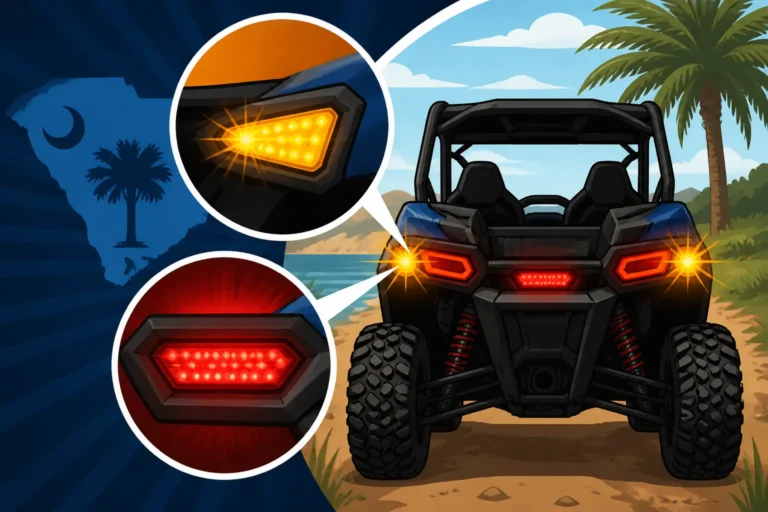
While the exemptions focus on the use of your machine, it doesn't mean you can let its general condition slide. A well-maintained ATV or UTV is not only safer but also less likely to cause problems that could draw unwanted attention from law enforcement or land managers. Ensure your machine has functioning brakes, headlights/taillights (especially if you're out near dusk or dawn), and most importantly, a properly installed and working spark arrester.
Beyond maintenance, if you've made any modifications to your machine, ensure they are safe and don't inadvertently make your machine illegal for any reason. For example, some aftermarket parts, while robust (and SuperATV is known for its durable components), might impact things like overall width or noise levels, which could become an issue in certain sensitive areas, though typically less of a concern for private land hunting exemptions. It's about demonstrating responsible ownership. A machine that's clearly cared for and operated safely reflects well on all ATV/UTV users and helps preserve the privilege of these exemptions for everyone.
Here's a quick comparison of general ATV/UTV use vs. hunting/trapping exemptions:
| Feature | General ATV/UTV Use (Off-Road Only) | Hunting & Trapping Exemption (Private Land) |
|---|---|---|
| Road Access | Generally prohibited on public roads | Permitted for accessing hunting/trapping land on private property |
| Public Land Access | Restricted to designated OHV trails (with pass) | Highly restricted; specific WMA/NF rules apply |
| Private Land Access | Permitted with landowner permission | Explicitly permitted with landowner permission |
| Transporting Gear | Allowed on private land for recreational use | Explicitly permitted for hunting/trapping equipment/game |
| Age Restrictions | Applicable (e.g., under 16 supervised) | Applicable (safety rules generally still apply) |
| Helmet Requirements | Applicable (e.g., under 16 mandatory) | Applicable (safety rules generally still apply) |
| Spark Arrester | Generally required in wooded areas | Generally required in wooded areas |
| Registration/Title | [South Carolina Does Not Register Off-Road ATVs]; title optional | Same as general use; title optional, no registration |
Disclaimer
This article is for general informational purposes only and does not constitute professional advice. Laws, prices and regulations vary by location and change over time. Consult a qualified professional for guidance on your specific situation.