Yurts at a Riding Park
A riding weekend can go sideways before the first trail loop if your group assumes a yurt works like a hotel room or that park access comes automatically with a reservation. This guide explains how to plan a yurt stay at a South Carolina ATV or UTV park, what to confirm before booking, what to pack, and how to make the most of a ride-and-stay weekend.
What to know about yurts at a South Carolina riding park
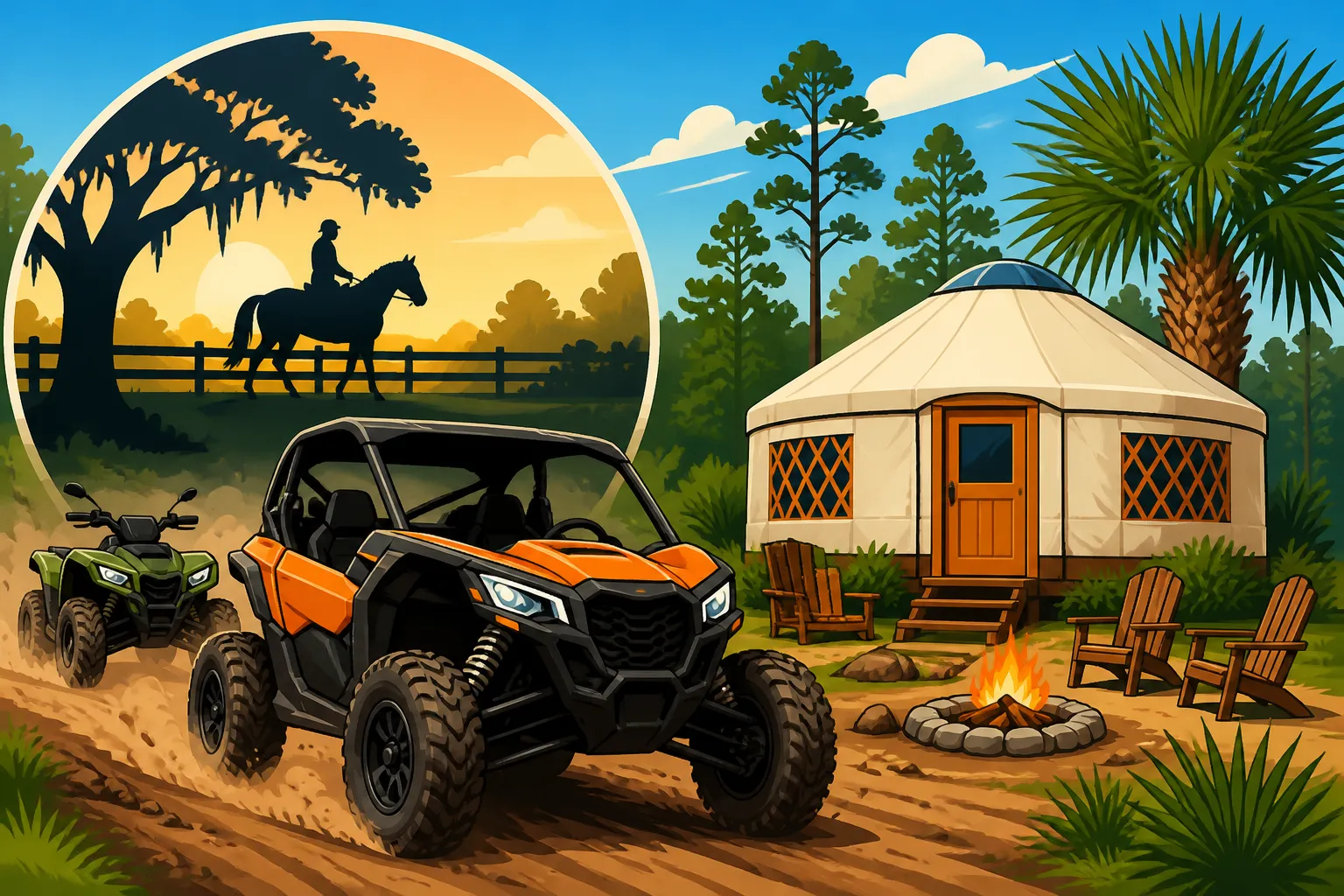
A yurt is a base camp, not necessarily a full-service cabin
A yurt can be a comfortable middle ground between tent camping and a conventional cabin. It gives you a more sheltered place to sleep and get out of the weather, but its layout and amenities may be simpler than you expect. Don’t assume it includes a private bathroom, a full kitchen, linens, climate control, or space to store riding equipment. Those details can vary by property and by accommodation type.
Carolina Adventure World near Winnsboro is one South Carolina riding destination associated with yurts and other lodging. If you’re considering it, read the property’s specific lodging details rather than relying on what a different park’s yurt offered. The overview of [Cabins and Yurts at Carolina Adventure World] can help you understand the kind of stay to investigate, but confirm the exact facilities and rules for the unit you plan to reserve.
Think through your group’s ordinary routines before booking. If someone needs to use a CPAP machine, for example, ask about power access and whether you need to bring an extension cord. If you plan to prepare breakfast before riding, check whether the yurt has cooking facilities or whether you’ll need to bring food that can be eaten without cooking. A little clarification up front can prevent a chilly, hungry start to the day.
Lodging and riding access may have separate rules
A yurt reservation doesn’t automatically answer every question about riding. Confirm whether the accommodation booking includes trail access, whether each rider needs a separate park pass, and whether the machine itself requires its own admission or vehicle pass. Ask about check-in and check-out times, riding hours, and where you can park a truck and trailer.
This is especially important if your group arrives at different times. One person might get to the park early to check in while the rest of the riders are still driving from Charleston, Greenville, or Columbia. Find out whether the registered guest must be present before anyone can enter the lodging area, and whether late arrivals can be accommodated. Don’t leave a key handoff or gate access to chance.
When comparing destinations, use [South Carolina Riding Areas That Take Reservations] to think through the booking process, and check [South Carolina Trails With Camping] if your group is also considering a more traditional overnight setup. A yurt may be appealing because it reduces some camping chores, but it still pays to verify what is included and what your group must bring.
| What to confirm | Why it matters | A useful question to ask |
|---|---|---|
| Trail access | A lodging booking may not cover every rider or machine | “What passes or fees are separate from the yurt reservation?” |
| Bathroom and shower access | Facilities may be shared, nearby, or limited | “Where are the nearest restrooms and showers, and when are they open?” |
| Electricity | Needed for devices, medical equipment, and some comfort items | “Is there power inside the unit, and what outlets are available?” |
| Bedding and towels | Some stays require guests to bring their own | “Are linens and towels provided?” |
| Parking and trailer space | A truck and trailer need more room than a car | “Where can we park and unload our machines?” |
| Food and cooking | On-site cooking options vary | “Can guests cook at the yurt, and what equipment is provided?” |
| Weather and cancellation policy | Rain can affect both riding and travel plans | “What happens if trails close or severe weather changes our plans?” |
How to plan a ride-and-stay weekend
Choose lodging around your riding group
Start with the people and machines, not the photos of the accommodation. Count the riders, confirm who is bringing a machine, and ask how many guests the unit is designed to hold. A yurt that looks roomy in a listing can feel crowded when everyone brings helmets, muddy boots, riding clothes, chargers, and bags.
Next, think about how your group likes to ride. A family with younger riders may want easy access to bathrooms and a simple route back to the lodging area. A group with full-size side-by-sides may prioritize trailer parking, unloading space, and clear rules for moving machines around the property. For a larger gathering, ask whether the park has a group-booking process and whether everyone can stay close together. [South Carolina Riding With a Group of Ten] is useful background for organizing a bigger outing.
Also check that the park’s riding options suit the machines in your trailer. Some trails or gates may have width restrictions, while other areas may be designed for different kinds of vehicles. Before you commit, review the park’s posted machine rules and trail descriptions. [Carolina Adventure World's 2,600 Acres] and [Carolina Adventure World's 100 Miles] can help frame questions about the size and scope of the riding property, but current access and trail availability should always be confirmed with the park.
Plan the route without treating a map as permission
Work out the drive to the park before loading. Confirm the property’s entrance, check-in location, trailer access, and any directions provided by the operator. A navigation app may lead you to a nearby road or general location rather than the correct gate, so save the park’s official directions and contact details before you leave. This is particularly helpful if you’re arriving after dark or towing on unfamiliar rural roads.
For broader trip planning, onX Offroad can help you review route information and orient yourself around an area. Use it as a planning aid, not as permission to ride: a route appearing on a map does not mean it is open, legal, or part of the park’s authorized trail system. At a private riding park, follow the operator’s map, signage, and instructions. You can also compare your planning notes with [South Carolina ATV Trail Map Downloads] and [South Carolina Trail Conditions Before You Haul], while remembering that a public trail map may not describe a private park’s current setup.
Before you set off, make sure everyone in the group knows where to meet, what to do if phones lose service, and who has the park’s address and check-in information. If vehicles are arriving separately, share the same directions rather than asking each driver to find the gate on their own. Keep the park’s phone number accessible in case a road closure, delay, or navigation mix-up changes the plan.
What to pack for a yurt stay
Bring the essentials that listings may not include
Pack as though the yurt is a simple base camp until the property confirms otherwise. Bring bedding or sleeping bags if the listing doesn’t clearly say linens are provided. A towel, toiletries, shower shoes, a flashlight, chargers, and a small first-aid kit are easy to overlook when most of your attention is on the machines.
Separate riding gear from sleeping gear. Put dirty boots and wet clothes in a plastic tote or waterproof bag so they don’t end up against bedding. Pack a spare set of comfortable clothes for the evening, and bring an extra layer for sitting outside after a long day, even if the afternoon forecast looks warm. South Carolina weather can feel different once you’re tired, damp, or standing in a breeze.
Food deserves its own plan. Ask whether there’s a refrigerator, microwave, stove, grill, or only a place to store sealed items. If cooking options are limited, bring simple breakfasts and snacks that don’t require much preparation. Have enough water available for the drive, the ride, and the time back at the yurt. If the park has a store or restaurant, verify its hours rather than counting on it being open when your group arrives.
Prepare for muddy equipment and changing trail conditions
A yurt stay doesn’t make the cleanup problem disappear. Bring gloves, trash bags, a small brush, and a separate container for muddy or greasy gear. Ask where washing machines is permitted, if at all; don’t assume you can hose down a machine beside the lodging. Respect posted rules about parking, fueling, repairs, and equipment storage. A tidy campsite or lodging area is better for everyone, including the next guests.
Check conditions close to departure, especially after heavy rain. Clay can make a trail ride more demanding and can leave machines, boots, and trailer ramps slick. A route that looked straightforward on a dry map may be unpleasant or unsuitable in wet conditions. Use onX Offroad to help organize your route planning, but rely on the park for current trail closures and machine-specific guidance. For practical expectations about sharing the property and being considerate around other riders, review [South Carolina Trail Etiquette Locals Expect].
Finally, think about what happens when you return to the yurt after riding. Keep a dry layer and clean footwear somewhere easy to reach, rather than buried under gear in the truck. If someone in your group gets cold, scraped, or soaked, that small bit of organization can make the evening much more comfortable.
Make the most of your stay without surprises
Build a realistic first-day schedule
A common mistake is planning a full day of riding immediately after a long drive. Travel delays, check-in, unloading, and getting oriented can eat into the afternoon. If you’re arriving from farther away, consider a short first ride or use the first evening to settle in, review the park map, and make sure everyone understands the rules.
The next morning, give the group time to eat, gear up, and inspect machines before heading out. Check tires, brakes, lights, fuel, and basic recovery equipment. Pick a meeting point in case riders separate, and agree on a turnaround time. If a child or less experienced rider is joining, choose a route and pace that lets them ride confidently instead of trying to keep up with the fastest machine in the group.
Keep a flexible backup plan. Rain, fatigue, or a mechanical issue may change what you can do. If the park closes a trail or limits access, follow its direction rather than trying to find an unofficial alternative. onX Offroad can support general orientation, but it cannot replace a park’s posted rules or permission to use a route.
Leave time for checkout and the drive home
Before the final ride, check the checkout time and any instructions for leaving the yurt. You may need time to pack bedding, gather trash, clean up food, and return keys. Ask whether there are specific places for trash or gear, and whether the park expects guests to leave the unit in a particular condition. A rushed departure is when helmets, chargers, and small tools tend to get left behind.
Give yourself time to load safely. Mud can make ramps slippery, and a tired group is more likely to rush tie-downs. Do a final walk-through of the yurt and parking area, then check that every machine and trailer item is secured before leaving. If the group plans another visit, make a note of what worked and what you wished you had packed; those small observations make the next riding weekend easier to organize.
A yurt can make a South Carolina riding trip feel less like a logistics marathon and more like a proper weekend away. The key is to confirm what the stay includes, match the lodging to your group and machines, and treat park directions and rules as the authority for access. With those details settled before you leave home, you can spend less time sorting out surprises and more time enjoying the ride.
Disclaimer
This article is for general informational purposes only and does not constitute professional advice. Laws, prices and regulations vary by location and change over time. Consult a qualified professional for guidance on your specific situation.