South Carolina Street UTV Registration Cost
So, you’ve been dreaming of cruising those secondary roads in South Carolina in your side-by-side, maybe heading to the lake or just enjoying a Sunday drive without having to load it on a trailer. It’s an exciting prospect, but the idea of making it street-legal often brings up a big question mark around costs. You’re not alone if you feel a little overwhelmed trying to figure out exactly what you’ll pay to get that coveted license plate. This guide is here to break down every penny you can expect to spend to register your UTV for road use in the Palmetto State, helping you budget accurately and avoid any nasty surprises at the DMV counter.
Understanding the Core Registration Fee for Your Street-Legal UTV
When it comes to getting your UTV legit for South Carolina roads, the actual registration fee itself might be one of the less surprising numbers you encounter. The state has set up a pretty straightforward system for these new street-legal machines, and it’s a breath of fresh air compared to some other vehicle classes.
The Biennial Sticker Shock
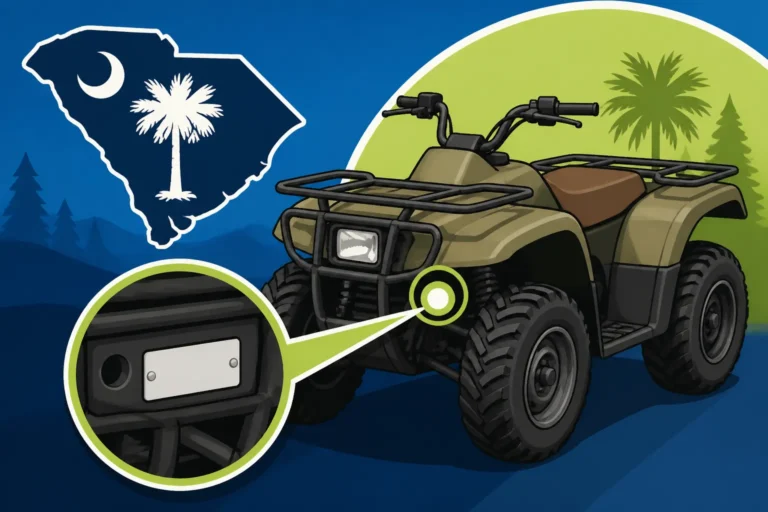
Let’s get right to it: the fundamental fee you'll pay for your street-legal UTV registration is set for a two-year period. This isn't an annual fee, which sometimes catches folks off guard if they're used to other vehicle registrations. Instead, you'll be paying for two years of road legality upfront. The good news? That amount is quite reasonable, especially when you consider the freedom it grants you. This fee covers the cost of that distinct rear plate and the administrative process to get your UTV into the state's system as a recognized road vehicle. It’s the gatekeeper fee, if you will, to unlock those paved adventures. Knowing that you're paying for two years at a time means you can budget for it every other year, rather than having to remember it annually. You might find more details on this in [South Carolina's Biennial Street UTV Fee].
Why the Cost Might Feel Low
You might be thinking, "That's it? Compared to my truck or car, that sounds almost too good to be true!" And honestly, for many, it does feel that way. The state has generally kept the direct registration costs for street-legal UTVs relatively low. This could be due to a number of factors, including the relatively new nature of the law that permits these vehicles on secondary roads. Compared to the registration fees for traditional passenger cars, trucks, or even motorcycles, the UTV fee is often quite a bit less. This isn't to say there aren't other costs involved, which we'll dive into next, but the basic fee for the plate and registration itself is designed to be accessible. It helps encourage compliance and makes the transition to street-legal status less of a financial hurdle for enthusiasts. You’ll be looking to secure [The Rear Plate a Street-Legal UTV Must Carry] which is distinct from regular vehicle plates.
Beyond the Sticker: Other Essential Costs for Street-Legal UTV Ownership
While the core registration fee is important, it's rarely the only cost you'll incur when making your UTV street-legal. There are several other mandatory expenses that you need to factor into your budget. Overlooking these can lead to frustration and delays when you head to the DMV, so let’s make sure you’re prepared for everything.
The All-Important Title Fee
Before you can even think about registering your UTV for the street, it needs a title. In South Carolina, while ATVs sometimes have optional titling, a street-legal UTV absolutely requires one. The title is your proof of ownership, a fundamental document for any motor vehicle that will be driven on public roads. The fee for getting a title issued in your name is separate from the registration fee. It's a one-time cost, but it's essential for that first registration. Whether you're titling a brand-new machine with its Manufacturer's Certificate of Origin (MCO) or a used UTV with an assigned title from the previous owner, this fee is non-negotiable. Don't forget to factor this in when you calculate your total upfront expenses. Understanding [South Carolina Title and Registration Costs] can help you see the full picture.
Navigating Sales Tax and Other Upfront Charges
This is where things can sometimes get a little more complicated, especially if you just bought your UTV.
- Sales Tax (or Infrastructure Maintenance Fee): When you purchase a UTV, whether new from a dealer or used from a private seller, you’ll typically be subject to South Carolina's sales tax, officially called the Infrastructure Maintenance Fee (IMF) on vehicle transactions. However, there’s a crucial cap on this tax that many UTV owners appreciate. The state caps the sales tax paid on a single vehicle, which is a huge benefit for higher-priced side-by-sides. This means you won’t pay 5% on the entire purchase price if your UTV is above a certain value. It's wise to confirm the current cap, as this can significantly reduce your upfront cost compared to states without such a ceiling. For example, a UTV costing $20,000 would only owe the capped amount, not the full 5% of $20,000. It’s a definite win for consumers and something to factor into your initial purchase budget. [South Carolina's Max Tax Cap on ATVs] applies to UTVs as well.
- Dealer Documentary Fees: If you purchased your street-legal UTV from a dealership, you might encounter what are often called "doc fees" or "documentary fees." These are administrative fees charged by the dealership to cover the cost of preparing paperwork, handling the title and registration process, and ensuring all legal requirements are met. While these fees are supposed to be reasonable and transparent, they do add to your overall out-the-door cost. Always ask about all fees upfront when negotiating a purchase. You'll find more insights into this in [South Carolina Dealer Fees to Expect].
- Other Potential Dealer Add-ons: Beyond doc fees, dealerships might have charges for freight (transporting the UTV from the manufacturer) or setup (assembling and preparing the UTV for delivery). These aren't state-mandated costs but are common industry practices.
Mandatory Insurance: A Non-Negotiable Expense
Unlike off-road-only ATVs, which don't legally require insurance in South Carolina (though it's always a good idea!), your street-legal UTV absolutely must be insured to be registered for road use. This isn't a suggestion; it's a requirement to protect yourself and others in case of an accident.
- Liability Coverage: You’ll need to carry at least the state's minimum liability coverage. This covers damages and injuries you might cause to other people or their property in an accident where you are at fault. Without proof of this insurance, you simply won't get that license plate. The good news is that many insurance providers offer specific policies tailored for UTVs, which can be more affordable than traditional auto insurance for a full-size vehicle. When you're ready to register, make sure you have your insurance card or declaration page ready to show the DMV clerk. Understanding [South Carolina Insurance Proof at Registration] is key.
- Uninsured/Underinsured Motorist Coverage: South Carolina also requires uninsured and underinsured motorist coverage as part of your liability policy, though you can reject it in writing. This coverage protects you if you're hit by a driver who either doesn't have insurance or doesn't have enough insurance to cover your damages.
- Considering Comprehensive and Collision: While not legally required for registration, many UTV owners opt for comprehensive and collision coverage. Collision covers damage to your UTV if it's involved in an accident, regardless of fault. Comprehensive covers non-collision events like theft, vandalism, fire, or damage from natural disasters. Given the investment a UTV represents, these coverages can offer significant peace of mind. You can compare different options and ensure you're getting the right level of protection. For instance, platforms like LawDepot can help you generate general legal documents or contracts, which might indirectly inform you about the types of insurance documents you'll encounter, though they don't sell insurance directly. Getting a handle on [South Carolina Street UTV Insurance Rules] will clarify what's expected.
Here’s a quick overview of the typical costs you might encounter:
| Cost Category | Description | Frequency | Estimated Shape of Cost |
|---|---|---|---|
| Registration Fee | Enables legal road use, provides license plate | Every Two Years | Generally a modest, fixed fee |
| Title Fee | Establishes legal ownership | One-time | A small, fixed fee |
| Sales Tax / IMF | State tax on purchase price | One-time (at purchase) | A percentage of purchase price, capped at a set maximum |
| Dealer Doc Fees | Administrative fees for paperwork (if bought from dealer) | One-time (at purchase) | Varies by dealer, usually a few hundred dollars |
| Liability Insurance | Mandatory coverage for damages/injuries to others | Annually/Monthly | Varies by provider, driver history, UTV type |
| Comprehensive/Collision Ins. | Optional coverage for damage to your UTV, theft, etc. | Annually/Monthly | Adds to liability cost, varies by UTV value and deductible |
Budgeting for the Long Haul: Ongoing Expenses and Hidden Surprises
Getting your street-legal UTV registered is one thing, but maintaining that street-legal status and keeping it on the road means understanding the ongoing costs. It's not just a one-and-done process.
Renewal Costs and Avoiding Lapses
Remember that biennial registration fee we talked about? Well, every two years, it'll come back around. The state will send you a renewal notice, reminding you that it's time to pay up again to keep your UTV street-legal. Ignoring these notices or missing the deadline can lead to fines or penalties, and you definitely don't want to get caught driving an unregistered vehicle on public roads. So, mark your calendar! Budgeting that small fee every two years means you'll always be prepared. Thankfully, the renewal cost is typically the same as the initial biennial fee, so there are no surprises there. This continuous process is part of [Renewing a Street UTV Plate for $10].
Property Tax Relief: A Welcome Exemption
One fantastic piece of good news for UTV owners in South Carolina is that these machines are generally exempt from county personal property taxes. This is a significant relief, as property taxes on vehicles can be a substantial annual expense in many areas. While traditional cars and trucks are subject to these taxes, off-road vehicles (including street-legal UTVs, once they’re defined as such) often fall under an exemption that saves you a pretty penny each year. This means you won’t receive an annual tax bill from your county auditor for your UTV. This exemption has been in place for some time for ATVs and generally extends to street-legal UTVs under the newer legislation. It’s a definite benefit of owning a UTV in the state and helps to offset some of the other costs. This exemption is linked to [South Carolina Exempts ATVs From Property Tax] and similar statutes.
Accessory Costs and Customization Considerations
While not a direct registration cost, it's really important to factor in the expenses for accessories and customizations if you plan on decking out your UTV. Many street-legal UTV owners love to personalize their machines, adding everything from upgraded tires and wheels to sound systems, winches, or specialized lighting. These additions, while optional for registration, can quickly add up and impact your overall budget.
- Safety Gear: Beyond the machine itself, remember the cost of safety gear. While adults typically aren't required to wear helmets on street-legal UTVs (if they meet certain criteria for enclosed cabins or seatbelts), riders under 21 often are. Eye protection, gloves, and appropriate riding apparel are always a good idea, and these expenses should be considered part of your overall street-legal UTV ownership budget. Think about what [South Carolina Street UTV Helmet Rules Under 21] requires.
- Maintenance and Upkeep: Just like any vehicle, a street-legal UTV will require regular maintenance. Oil changes, tire rotations, belt replacements, and general servicing are all part of responsible ownership. These costs can vary widely depending on how much you ride, the terrain you cover, and whether you do your own maintenance or rely on a dealership or service shop. Neglecting maintenance can lead to more expensive repairs down the line, so it's always best to stay on top of it.
- Documentation and Record-Keeping: While there isn't a direct cost associated with keeping your documents in order, having a system for your title, registration, and insurance proof is crucial. You might use a service like LawDepot for other legal documents in your life, and while they don't handle DMV paperwork directly, their emphasis on proper documentation is a good reminder for your UTV. Keep digital copies, and a physical copy with you when riding.
In conclusion, the cost to register your street-legal UTV in South Carolina is quite manageable, particularly the biennial fee itself. However, it's crucial to look beyond that single number and account for the title fee, sales tax (with its helpful cap), mandatory insurance, and any dealer fees. By understanding all these components, you can confidently budget for your street-legal UTV and hit the roads with peace of mind. Getting your UTV street-legal is a fantastic way to enjoy the Palmetto State, and with a clear understanding of the costs, you're well on your way to adventure.
Disclaimer
This article is for general informational purposes only and does not constitute professional advice. Laws, prices and regulations vary by location and change over time. Consult a qualified professional for guidance on your specific situation.