South Carolina Private Park Passes and Rules
A private riding park can look simple from the outside: buy a pass, unload, and ride. In practice, the pass may apply to a person, a machine, a tow vehicle, or some combination, and each park sets its own operating rules. This guide explains what to check before you pay, how private-park policies differ from public-land permits, and how to avoid a wasted trip.
Private parks set their own access rules
A private off-road park is not the same thing as a South Carolina national forest trail, a Wildlife Management Area, or a public road. The park controls access to its land and can set entry conditions in addition to any state laws that apply to riders and machines.
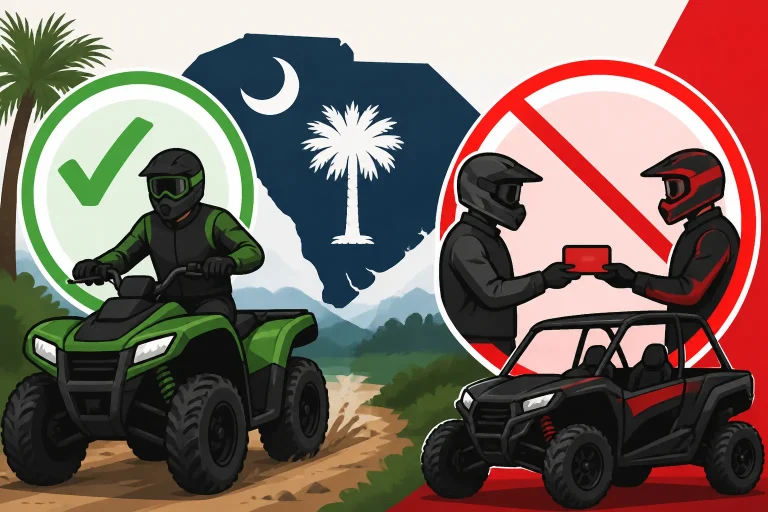
That distinction matters because a pass for one kind of riding area does not automatically work at another. A public-land permit does not grant access to a private park, and a private park pass does not authorize riding on public land. The two systems can also differ in what the fee covers, how passes are displayed, and what happens if a trail closes.
For public forest trails, begin with South Carolina National Forest OHV Passes. Private parks use their own systems, so check the park you plan to visit directly. Carolina Adventure World and Gulches ORV Park, for example, are private riding destinations, but their passes, trail access, vehicle rules, and amenities should not be assumed to match each other.
What a private-park pass usually covers
A pass is permission to use a park under its stated terms. It may cover riding for a certain period or access for a particular person or machine. It does not necessarily cover every rider in your group, every vehicle you bring, camping, recovery, or other services.
Before buying, find the park’s current pass description and answer these questions:
- Who is the pass for: the rider, the machine, the tow vehicle, or a group?
- Does every rider need a separate pass?
- Does the pass cover one machine or multiple machines?
- Is access limited to particular days or consecutive days?
- Does it include trail riding only, or also camping and other facilities?
- Are there separate charges or reservations for a campsite, cabin, event, or recovery service?
- What happens if weather, maintenance, or another issue closes trails?
If the online description is unclear, contact the park before purchasing. A quick question can prevent the common mistake of paying for a pass that covers the rider but not the additional driver or machine in the trailer.
Park permission does not replace legal requirements
Private ownership does not mean that every state law disappears. Rules about safe operation, impaired riding, underage riders, equipment, and other conduct may still apply. The park can also impose stricter conditions than the law, such as a higher minimum age for certain trails or a helmet requirement for every rider.
Think of access as two separate checks:
- Is the machine and rider legally allowed to operate in the circumstances?
- Does the park allow that rider and machine on its property under its own rules?
You need both answers. A machine that is legal to ride on private property may still be turned away if it does not meet a park’s equipment or size rules. Likewise, a park pass does not grant permission to ride on neighboring land, a public road, or a closed trail.
Compare pass types before choosing one
Private parks may sell day, multi-day, annual, youth, or vehicle-related passes, but available options vary. Some parks bundle access in ways that others do not. The safest approach is to compare what each pass actually covers rather than relying on the name alone.
| Pass or charge type | What it may cover | What to confirm before buying |
|---|---|---|
| Day pass | Access during a stated visit or operating period | Whether it is per rider, machine, or tow vehicle; whether the visit must be reserved |
| Multi-day pass | Access over more than one day | Whether days must be consecutive and whether overnight stays are included |
| Annual pass | Repeated access during a stated term | Which riders and machines are included, renewal terms, blackout dates, and transfer rules |
| Youth pass or rate | Access for a rider who meets the park’s age conditions | Age cutoff, required adult supervision, and whether an accompanying adult needs a separate pass |
| Vehicle pass | A machine or vehicle brought onto the property | Whether it applies to the ATV or UTV being ridden, the tow vehicle, or another vehicle |
| Camping charge | A campsite or overnight stay | Whether it includes riding access, how many people or vehicles it covers, and reservation requirements |
| Recovery or service charge | Assistance when a machine is stuck or disabled | Whether service is available, how billing is calculated, and what equipment the park can send |
Day and multi-day access
A day pass is often the simplest option for a first visit, but do not assume the word “day” answers every question. The park may define operating hours, arrival and departure expectations, or whether the pass is tied to a specific date. If you plan to ride over a weekend, confirm whether a multi-day pass requires consecutive days and whether you need to reserve each day separately.
If you are comparing passes at more than one park, read the access terms as well as the advertised duration. One pass may cover a rider and a machine, while another may have separate requirements. South Carolina Private Park Pass Prices can help you understand what cost questions to ask, but the park itself is the authority for its current terms and fees.
Annual passes
An annual pass can make sense for riders who expect to return, but the word “annual” does not tell you everything. Check when the term begins and ends, whether the pass is personal or transferable, whether it covers a specific machine, and whether special events or certain dates are excluded.
Compare the total value against the visits you realistically expect to make. Include travel, fuel, lodging, maintenance, and any separate vehicle or camping charges. A pass that looks economical on paper may not be useful if your schedule makes repeat visits unlikely or if the park’s operating calendar does not match your availability.
Review South Carolina Private Park Annual Passes and South Carolina Private Park Vehicle Passes for the specific details that can change the calculation: who may use the pass, which vehicle it applies to, and whether another pass is needed for a family member or second machine.
Youth and group arrangements
A lower youth rate, where available, does not necessarily mean a young rider can enter or ride independently. Parks may set age limits, require an adult to remain with a child, restrict which trails a minor may use, or require a parent or guardian to sign paperwork.
For a family visit, ask whether the adult needs a separate riding pass if they are supervising but not riding. Also clarify how the park handles a second adult, a child passenger, or a young rider moving between machines. South Carolina Private Park Youth Prices is a useful topic to consider, but the park’s current age definitions and supervision policy control.
For a larger group, ask one person to confirm the booking and pass requirements for everyone. Do not assume a group reservation automatically includes every rider, machine, or tow vehicle.
Check the rules before paying or hauling
A park’s pass is only one part of planning. The rules that decide whether you can ride may be posted in several places: the park’s website, reservation terms, waiver, gate instructions, and signs at the property. Read them before setting out, especially if you are bringing a youth rider, a passenger, a wide side-by-side, or a machine with modifications.
Ask about the machine you plan to bring
Parks may have limits or conditions related to machine type, width, tire setup, noise, safety equipment, or the trails a vehicle may use. A park that welcomes ATVs may not allow every side-by-side on every trail. A full-size rig may be restricted to particular routes, while narrow trails may have gates or other physical limits.
When you call or email, provide useful details rather than asking only, “Can I bring my machine?” Tell the park:
- The machine type and model, if known
- Its approximate width and seating arrangement
- Whether it has a winch, snorkel, or other major modification
- Whether you plan to bring a passenger
- Whether any rider is a minor
- The date you expect to visit
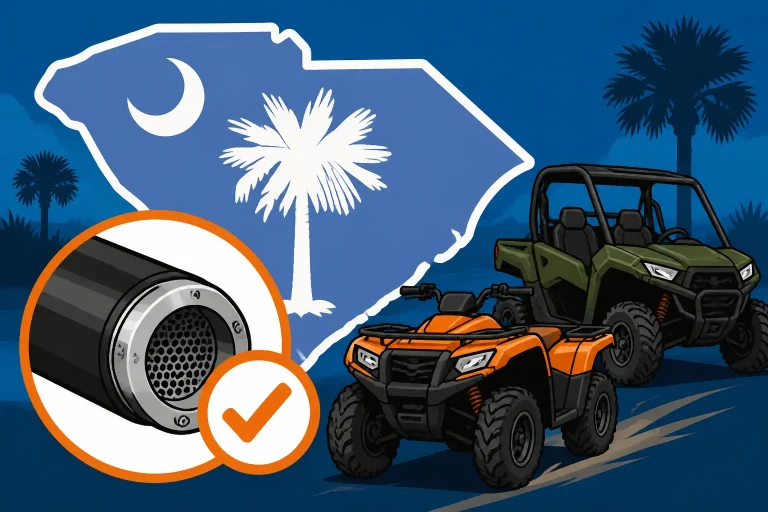
If the machine has been modified, ask whether the change affects access. A snorkel, light bar, lift, aftermarket exhaust, or oversized tire may not automatically prevent entry, but the park may have requirements concerning sound, visibility, width, or safe operation.
Read the waiver and admission conditions
A waiver is not just a routine form to sign at the gate. Read it before your trip if the park makes it available in advance. It may explain the risks the park expects visitors to understand, the responsibilities of the person signing, and what happens if a visitor ignores posted rules.
If you are bringing a minor, confirm who must sign and whether the adult signing must be the child’s parent or legal guardian. Do not rely on a child to interpret a waiver or gate instruction. If something is unclear, ask the park before you arrive.
Some parks also require a driver’s license or another form of identification for check-in. Others may ask for proof related to the machine or reservation. Keep relevant documents accessible, but do not assume one park’s check-in process applies at another.
Confirm current operating status
A trail may close because of weather, maintenance, an event, staffing, or land-management needs. A pass does not guarantee that every trail will be open on the day you visit. Check the park’s latest visitor information shortly before leaving, and call if the status is ambiguous.
Rain is especially important to confirm in advance. A park may close some routes, limit access to protect the property, or decide that conditions are unsafe. Even if the park remains open, mud can change the difficulty of a trail and increase the chance of getting stuck or damaging a machine.
Ask whether the park offers refunds, credits, or rescheduling when conditions affect access. Do not assume you will receive a refund just because your preferred trails are closed. South Carolina Private Park Refunds When Rain Closes a Carolina Park is a reminder to check the policy before making a nonrefundable booking.
Understand on-site rules for riders and machines
Every private park can set its own rules for helmets, age limits, passengers, speed, alcohol, pets, camping, and trail use. State requirements still matter, but the park may choose to be more restrictive. Treat the posted rules as operating conditions, not suggestions.
Age limits and supervision
Before bringing a child or teen, get the park’s minimum-age and supervision rules in writing or from a current staff member. Ask separately about operating an ATV or UTV and riding as a passenger. A park can set rules for passenger age or seat use that are different from what a visitor expects based on another property.
South Carolina has state safety rules that may affect young ATV riders, and a private park’s policy can add conditions. Do not use an adult’s pass or permission as a substitute for checking what applies to the child. For park-specific questions, South Carolina Private Park Age Minimums is a useful starting point.
A parent or supervising adult should also match the child’s ability to the terrain. A young rider who can operate a small machine on a familiar, flat area may not be ready for steep grades, deep mud, rocks, traffic from larger machines, or a crowded trail. Start on the easiest suitable route and reassess rather than treating a pass as permission to ride every trail.
Helmets and protective gear
Check the park’s helmet policy for every rider and passenger, including adults. Even where a park’s written requirement seems less strict than expected, a properly fitted helmet and suitable eye protection are sensible choices for off-road riding. The right protective gear depends on the machine, terrain, weather, and rider.
Parks may also require closed-toe footwear or prohibit riding in unsuitable clothing. Gloves, eye protection, long sleeves, and sturdy boots can make a long day more comfortable and reduce exposure to debris, branches, and hot components. Do not assume a vehicle’s doors, roof, or windshield replace personal protective equipment.
If you need a replacement helmet or goggles, Amazon can be one place to compare models, but check sizing, certification information, fit, and the park’s own requirements rather than relying on a product title alone. For a helmet, fit matters as much as appearance. A helmet that moves excessively or does not sit correctly is not a good substitute for one that fits.
Passengers and seat use
Carry passengers only where the machine is designed for them and only if the park allows it. A passenger should have a designated seat and suitable restraint where the vehicle provides one. Do not carry someone on a cargo rack, fender, or other improvised position.
Ask the park whether its passenger rules differ by machine type or rider age. Some parks may restrict passengers on certain trails or require every occupant to meet age or equipment conditions. An adult riding alone should not assume the same rules apply to a youth passenger.
Speed, direction, and trail etiquette
Use the posted speed limits and trail designations. Slow down near staging areas, campsites, intersections, blind corners, pedestrians, and other machines. On narrow routes, approach hills, crossings, and turns cautiously because another rider may be coming from the opposite direction.
Stay on marked trails. Cutting a new route around a muddy patch, riding through a closed gate, or bypassing a marked obstacle can damage the property and create a hazard for other visitors. If a route is blocked, turn back or follow the park’s instructions rather than making your own detour.
Make room for other users, keep a controlled distance, and avoid crowding a machine that is climbing or recovering. If you stop, pull fully off the main route where it is safe to do so. Do not park at the top or bottom of a hill where another rider may have limited visibility.
Alcohol, drugs, and disruptive conduct
Riding requires attention, judgment, and coordination. Do not operate a machine while impaired. A private park can have its own restrictions on alcohol, including rules about consumption, open containers, riding after drinking, or alcohol at campsites.
Review South Carolina Private Park Alcohol Rules before planning a group trip. If someone in the group intends to drink, decide in advance that person will not ride. Keep the policy clear for the whole group rather than leaving it to a gate conversation after arrival.
Parks can also remove visitors for unsafe operation, harassment, property damage, fighting, or ignoring staff instructions. A pass is not a guarantee of admission regardless of conduct. Follow instructions from staff and leave the property if asked.
Plan camping, pets, and other add-ons separately
A riding pass and an overnight stay are not always the same purchase. Private parks may offer camping, cabins, or other facilities, but space, reservation conditions, quiet hours, pets, and vehicle limits can differ from the trail policy. Verify each part of the trip rather than assuming a riding reservation covers everything.
Camping and overnight stays
Ask whether camping is available on the dates you want and whether you need a separate reservation. Confirm what kind of site you are booking, what equipment it can accommodate, and whether the campsite fee includes riding access. If you are bringing an RV or trailer, check the site dimensions and access route.
Before unloading, learn the park’s rules for campfires, generators, waste, noise, and quiet hours. Restrictions may change with weather or fire conditions. Use only designated fire areas and follow any current instructions from park staff. Do not leave a fire unattended or assume that a fire ring means fires are allowed under every condition.
For an overnight visit, also plan where machines should be parked and whether they must be secured or covered. Locking a trailer or using a machine lock may reduce risk, but no security measure guarantees that equipment cannot be taken. Keep keys and essential documents with you.
Pets
A park may allow pets in some areas but prohibit them on trails, in buildings, or at certain campsites. A pet policy may also cover leashes, waste disposal, noise, and whether animals may be left unattended. Ask before bringing a dog, and do not assume a pet-friendly campground means pets are allowed near moving machines.
A busy riding area can be a stressful place for an animal. Engines, dust, unfamiliar people, and fast-moving vehicles create risks even when pets are technically permitted. If the park allows dogs, keep the animal controlled and away from trails and staging areas unless the park specifically says otherwise.
See South Carolina Private Park Pet Rules and South Carolina Private Park Camping Rules for the kinds of details to verify. A quick check is easier than turning around at the gate with a pet or camping setup the property cannot accommodate.
Recovery and mechanical help
Getting stuck is part of off-road riding, but recovery is not always included with admission. A park may offer recovery help, have limited equipment, or charge separately for staff time and machinery. Find out what assistance is available before you count on it.
Ask what the park expects visitors to bring for self-recovery. A winch, rated recovery points, suitable straps, gloves, and a basic tool kit can help, but only use equipment as intended. Never attach a recovery strap to an unsuitable part of a machine or stand in the line of tension. Keep bystanders well clear during a pull.
Review South Carolina Private Park Recovery Fees before riding difficult terrain. If a park bills separately for recovery, understand how charges are calculated and whether the service is available throughout the property. A trail that looks manageable from the staging area may become more difficult after rain, so choose routes that fit your machine and experience.
For basic replacements such as straps, gloves, or a compact tool pouch, Amazon may help you compare options. Check load ratings and compatibility carefully; a cheap-looking strap with no clear rating is not a safe recovery plan. Amazon is also one possible place to find common first-aid refill supplies, but assemble a kit suited to your group and do not rely on a delivery arriving after you discover something is missing. When buying a trail flag or mount through Amazon, confirm the park’s required height, color, and attachment method before ordering.
Use a practical checklist before you leave
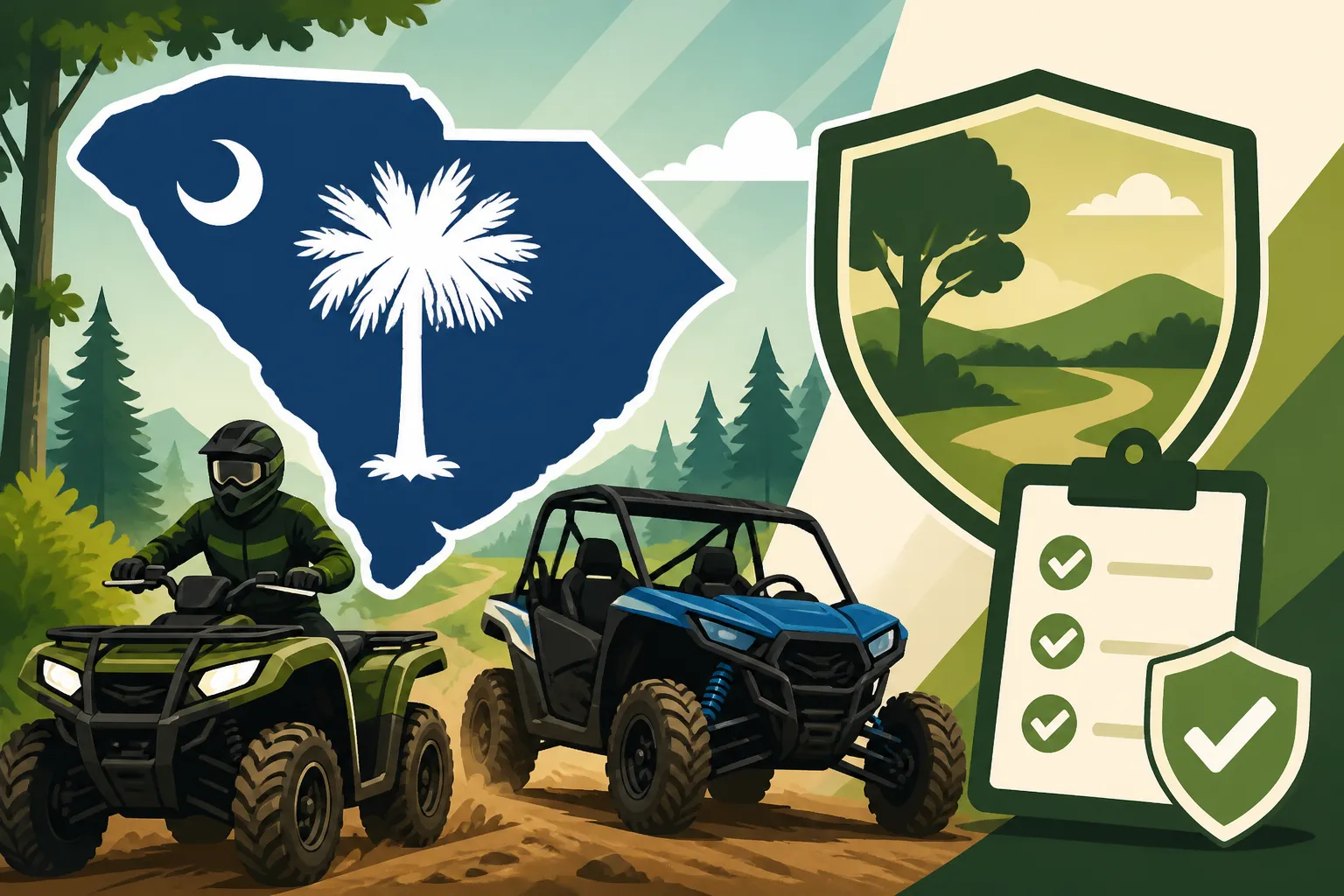
A good private-park visit starts before the trailer is hitched. Confirm admission, machine eligibility, and the status of the property, then prepare the group for the rules you will follow. This is especially useful when several riders are traveling together or when a child is new to off-road riding.
Before booking
- Choose the specific park and check its current operating status.
- Confirm that your machine type is allowed and ask about width, noise, equipment, and trail restrictions.
- Identify who needs a pass: each rider, each machine, the tow vehicle, or some combination.
- Check age, supervision, passenger, helmet, and safety-equipment rules.
- Review the waiver, cancellation terms, and any reservation requirements.
- Ask whether camping, pets, events, recovery, or other services need separate arrangements.
- Confirm accepted payment methods and what documents or identification to bring.
If you are considering a second park for the same weekend, do not assume the first park’s pass or rules carry over. Compare the access terms and calculate the full cost of each visit, including any additional rider, vehicle, campsite, or service charges. For general comparisons, South Carolina Private Park Vehicle Passes and South Carolina Private Park Pass Prices can help frame the questions, but use the park’s current information to make the final decision.
Before loading
Inspect the machine and trailer. Check tires, brakes, lights, fluids, belt or chain condition, and anything else that could turn a ride into a breakdown. Secure the machine properly for transport. Bring the key, any required pass confirmation, identification, and contact details for the park.
Pack equipment for the actual conditions rather than an ideal forecast. A basic kit might include:
- Helmet and eye protection for each rider
- Gloves and sturdy footwear
- Water and weather-appropriate clothing
- First-aid supplies and any personal medication
- A charged phone and backup power
- Recovery gear suitable for the machine
- Tools and basic repair items
- Tie-downs and a lock for transport or storage
- A paper or offline map if cell service may be limited
If the park has a specific equipment list, follow it. Do not buy a piece of gear just because it appears in a general checklist; confirm that it fits your machine and meets the park’s requirements.
At the gate and on the property
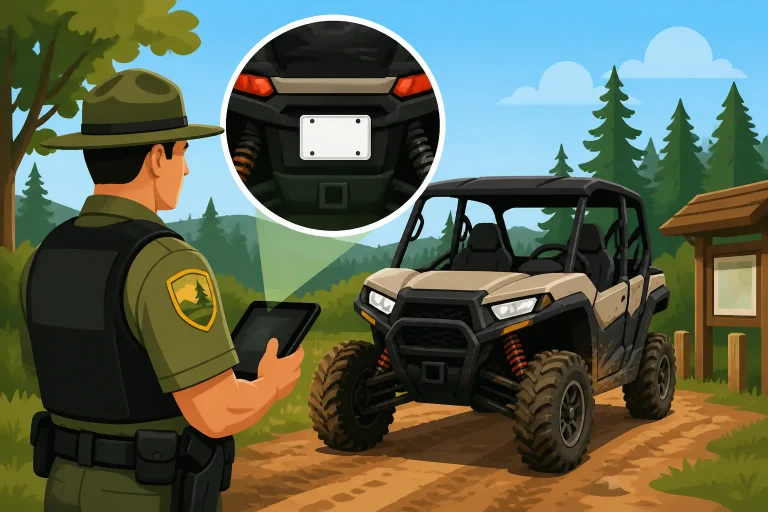
Allow time for check-in. Make sure the pass is associated with the correct rider or vehicle and that every required waiver is complete. Ask staff to point out trail markings, closed areas, speed limits, staging rules, and any conditions that changed after rain.
Keep the group together enough to communicate, but do not crowd each other on the trail. Choose routes according to the least experienced rider and the least capable machine in the group. If conditions become more difficult than expected, turn around. A pass does not obligate anyone to tackle terrain that feels unsafe.
If you are unsure whether an area is open, stop and ask. Avoid treating an unmarked cut-through or open-looking gate as permission. On private property, access depends on the landowner’s rules, and a closed route may be protecting the land, visitors, or equipment.
If the visit does not go as planned
A mechanical problem, storm, unexpected closure, or family issue can disrupt a trip. Contact the park as soon as possible and explain the situation. Ask what options are available under the current policy rather than assuming a refund, transfer, or credit will be granted.
Keep your purchase confirmation and any relevant messages until the visit is complete. If the park changes its operating status, save the notice or note when you received it. Clear records make it easier to resolve a booking question, although they do not guarantee a particular outcome.
If a disagreement arises at the gate, stay calm and ask staff to explain the applicable rule. Do not attempt to ride without permission or argue by moving into a closed area. If the issue is that your machine or pass does not match the park’s terms, the safest choice may be to leave and resolve the problem before making another trip.
The simplest way to avoid a wasted trip
Treat a private-park visit as a reservation and access decision, not just a trail ride. Confirm what the pass covers, whether your machine and riders meet the conditions, and whether camping or other services require separate arrangements. Then check the park’s operating status shortly before you leave.
The key practical distinction is that private parks control their own access while state laws and safety requirements may still apply. A pass gives you permission only within its stated terms. It does not guarantee that every trail is open, that every machine is eligible, or that another property will accept the same pass.
When the terms are unclear, ask the park directly and keep the answer with your trip details. A few minutes of confirmation can spare you a long haul back home—and help everyone in your group arrive ready to ride safely.
Disclaimer
This article is for general informational purposes only and does not constitute professional advice. Laws, prices and regulations vary by location and change over time. Consult a qualified professional for guidance on your specific situation.