South Carolina Paperwork for a Street UTV
The world of off-road machines in South Carolina has always been a bit of a wild west, especially when you start talking about bringing them onto paved roads. For years, UTV owners faced a patchwork of local rules or simply had no legal path to drive their beloved side-by-sides on public streets. This guide is here to clear up all that confusion and walk you through every piece of paperwork you'll need to make your UTV street-legal in the Palmetto State.
Navigating South Carolina's Street-Legal UTV Landscape
It's no secret that many UTV owners in South Carolina have long wished for a way to legally drive their machines beyond the trails and private land. For a long time, the only options for street use were golf cart permits, which came with strict limitations on speed and distance, or trying to qualify a UTV as a "low-speed vehicle," which most stock machines simply couldn't do. That all changed with a new law that finally provided a dedicated pathway for certain UTVs to be registered for street use. This has been a huge relief for many, but it also means there's a whole new set of rules and, you guessed it, paperwork to wrap your head around.
The Shift to Street-Legal UTVs
Before this new legislation, if you wanted to run errands or connect trails with your UTV on public roads, you were often out of luck, or worse, risking a ticket. The frustrations were real: having a perfectly capable machine sitting idle in the garage because you couldn't legally get it to the corner store or the local diner. This new law directly addresses those concerns, recognizing the growing popularity and utility of side-by-sides. Now, with the right modifications and the correct paperwork, your UTV can proudly wear a South Carolina license plate. This is a significant change, bringing the state in line with many others that already had street-legal UTV provisions. Understanding [South Carolina Street-Legal UTV Registration Arrives] is the first step in this exciting journey.
Key Definitions and Machine Requirements
So, what exactly qualifies as a "street-legal UTV" under this new law? It's not just any side-by-side. The state has specific criteria that your machine must meet to even be considered. Think of it as a checklist that ensures these vehicles are safe enough to share the road with traditional cars and trucks. We're talking about things like having proper headlights, taillights, turn signals, mirrors, a windshield, and seat belts. There are also specific limits on width, weight, and engine size. If your UTV doesn't meet these structural and equipment requirements, the DMV won't even look at your paperwork. It’s crucial to make sure your machine is up to snuff before you start the registration process. You can learn more about these specifics by looking into [South Carolina Street UTV Requirements Explained].
Essential Paperwork for Titling Your Street UTV
Once you're sure your UTV meets all the physical requirements to be street-legal, the next step is gathering the necessary paperwork for titling. This is where things can get a little detailed, but don't worry, we'll break it down. Whether your machine is brand new from a dealer or a used gem you picked up in a private sale, the documentation required will vary slightly. The goal is always the same: to prove ownership and properly identify your vehicle to the state.
Certificate of Origin for New Machines
If you're buying a brand-new street-legal UTV from a dealership, the most important piece of paper you'll receive (besides your bill of sale, of course!) is the Manufacturer's Certificate of Origin, or MCO. This document is essentially the birth certificate for your UTV. It proves that the machine is new, has never been titled before, and came directly from the manufacturer. When you head to the DMV to title your new street UTV, the MCO is non-negotiable. They need it to establish the first official record of ownership in South Carolina. Make sure the dealer fills it out correctly, with your full name and address, and the complete Vehicle Identification Number (VIN) of your machine. Any errors or omissions on the MCO can delay your titling process significantly, so double-check everything before you leave the dealership. Remember, [South Carolina Requires an MCO for a New Machine] for this very reason.
Bill of Sale for Used Machines
Buying a used UTV, even one that's already street-legal or has the potential to be, introduces a different set of paperwork. The most critical document here is a comprehensive bill of sale. For private sales, this document is your proof that you legally purchased the machine from the previous owner. It needs to include specific details: the date of sale, the purchase price, the full names and addresses of both buyer and seller, and, most importantly, the complete VIN of the UTV.
Without a solid bill of sale, proving ownership for a used machine can become a real headache, especially if the previous owner didn't have a title (which is common for older off-road machines). While South Carolina titles for ATVs used to be optional, for street-legal UTVs, a title is now a must-have. If you're buying a used machine that doesn't have a title yet, you'll want a very detailed bill of sale and be prepared to go through additional steps to establish ownership. For drafting a robust bill of sale that leaves no room for doubt, especially in a private transaction, resources like LawDepot can be incredibly helpful. They provide templates that ensure all necessary information is included, protecting both buyer and seller. If you're looking at [South Carolina Titles After a Private Sale], a good bill of sale is your foundation.
Completing the Title Application Form
Regardless of whether your street UTV is new or used, you'll need to fill out the South Carolina Title Application Form, often referred to as Form 400. This is the main document you submit to the Department of Motor Vehicles (DMV) to get your UTV formally titled in your name. This form asks for all the particulars about your machine and your ownership. You'll need to provide the VIN, make, model, year, and odometer reading. You'll also need your personal information: name, address, driver's license number, and signature.
This form is also where you'll indicate if you're applying for both a title and registration, or just one or the other. For a street-legal UTV, you'll definitely want both. Pay close attention to all the fields and make sure every piece of information is accurate and consistent with your other supporting documents, like your MCO or bill of sale. A common mistake is rushing through this form and making small errors that lead to delays. Take your time, read the instructions carefully, and ensure all required signatures are present. This form is central to the entire process, so understanding [South Carolina Title Applications at the DMV] is key.
Getting Your Street UTV Registered and Plated
Once your UTV is titled, the next big hurdle is getting it registered and receiving that coveted street-legal license plate. This involves a few more steps, mainly proving you have insurance and paying the necessary fees. This is where your UTV truly transforms from an off-road machine into a road-worthy vehicle in the eyes of the law.
Proof of Insurance
Just like any other vehicle driving on South Carolina's public roads, your street-legal UTV must be insured. This isn't optional. Before the DMV will issue you a registration and a license plate, you'll need to provide proof of liability insurance that meets the state's minimum requirements. This means you'll need to contact an insurance provider and specifically request coverage for a street-legal UTV. Don't assume your existing ATV or homeowner's policy will cover it; street-legal UTVs are a distinct category with specific requirements.
Your insurance card or a declaration page from your policy will serve as your proof. Make sure the policy is active and covers the specific UTV you are registering. Without this, your application for registration will be denied. This is a critical step, as [South Carolina Insurance Proof at Registration] is a non-negotiable part of the process.
Understanding Fees and Taxes
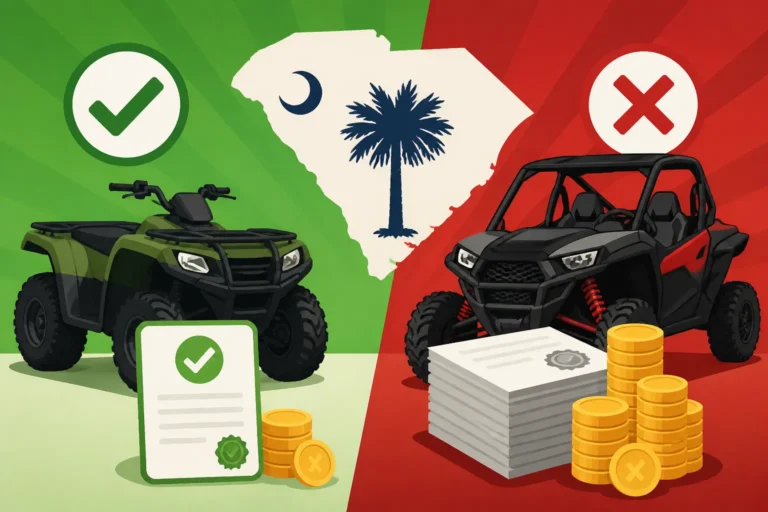
Ah, fees and taxes – the inevitable part of any vehicle ownership! For your street-legal UTV, you'll have a few different costs to consider. There's the title fee, which is a relatively small, one-time charge to get your machine officially titled in your name. Then, there's the registration fee, which you'll typically pay biennially (every two years) to keep your license plate current.
It's important to budget for these. While the individual fees might not seem astronomical, they do add up. South Carolina generally has a fairly straightforward fee structure for titling and registration. Beyond the state fees, you might also encounter local taxes, depending on where you reside, though off-road vehicles (including many UTVs) have historically been exempt from property tax in South Carolina. However, for a street-legal UTV, you'll need to clarify what applies. Always check the current fee schedule on the DMV website or by calling a local office to ensure you have the most up-to-date information before you go. [South Carolina's Biennial Street UTV Fee] is a good one to understand.
Here's a simplified look at the typical documents and processes:
| Document/Action | New Street UTV from Dealer | Used Street UTV Private Sale |
|---|---|---|
| Proof of Ownership | Manufacturer's Certificate of Origin (MCO) | Bill of Sale (detailed, LawDepot template helpful) |
| Title Application | South Carolina Form 400 | South Carolina Form 400 |
| Proof of Insurance | Required | Required |
| Vehicle Inspection | May be required (VIN verification) | May be required (VIN verification) |
| Payment of Fees | Title Fee, Registration Fee | Title Fee, Registration Fee |
| Previous Title (if any) | N/A | Previous Owner's Signed-Off Title (if available) |
| Identification | Valid Driver's License | Valid Driver's License |
The Registration Process at the DMV
With all your documents in hand – the MCO or bill of sale, the completed Form 400, your proof of insurance, and your payment – you're ready to head to the DMV. When you arrive, be prepared for a bit of a wait, especially during peak hours. Make sure you have all originals, not just copies, as clerks will often need to verify information directly from the source. They will review all your paperwork, ensure your UTV meets the specified requirements (they may verify the VIN on the machine itself, so have it accessible), and process your payment.
If everything is in order, they will issue you a title for your UTV and a registration certificate. Most excitingly, you'll walk out with a brand-new South Carolina license plate for your street-legal UTV. This plate must be properly displayed on the rear of your machine, just like a car. Don't forget that [The Rear Plate a Street-Legal UTV Must Carry] is a legal requirement once registered. Many people find it helpful to review [South Carolina Street UTV Registration Steps] beforehand to ensure they haven't missed anything. For complex situations, or if you're dealing with a missing bill of sale, services like LawDepot can provide template affidavits or declarations that might assist in proving ownership, which clerks at the DMV sometimes accept in lieu of a formal bill of sale. It's always best to call ahead to your specific DMV office for their precise requirements, especially if your situation is unusual.
Maintaining Your Street UTV's Legal Status
Getting your UTV titled and registered is a great achievement, but it's not a one-and-done deal. There are ongoing responsibilities to ensure your machine remains street-legal and compliant with South Carolina law. Staying on top of renewals, address changes, and what documents to carry will save you a lot of potential headaches down the road.
Biennial Registration Renewals
Your street-legal UTV registration, and by extension your license plate, isn't permanent. In South Carolina, these typically need to be renewed every two years. The DMV will usually send you a renewal notice in the mail well before your expiration date. Don't ignore it! Renewing your registration is generally a simpler process than the initial application. You'll likely just need to confirm your information, provide updated proof of insurance, and pay the biennial fee.
Failing to renew your registration means your UTV is no longer legally street-legal, even if it still meets all the equipment requirements. Driving with an expired registration can lead to fines and other penalties. It’s always a good idea to mark your renewal date on your calendar or set a reminder, so you don't accidentally let it lapse. Keeping track of [South Carolina's Biennial Street UTV Fee] and its renewal cycle is part of responsible ownership.
What Documents to Carry When Riding
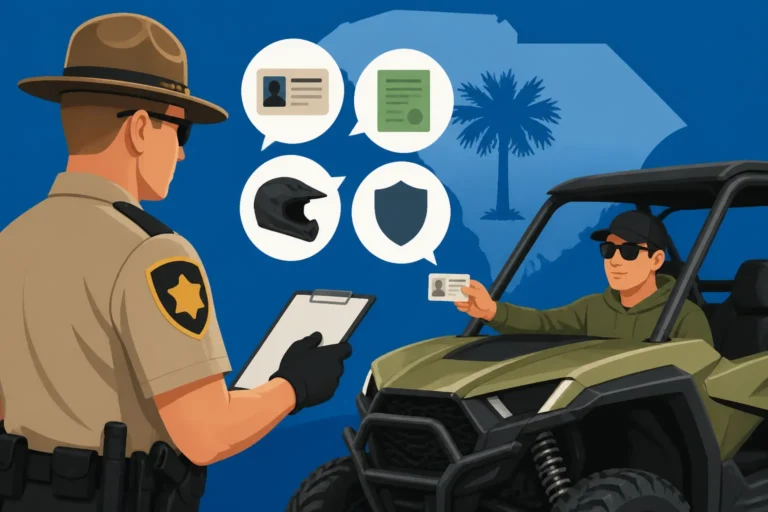
When you're out enjoying your street-legal UTV on public roads, you should always carry certain documents with you. Think of it just like driving your car. You'll need your valid driver's license, your UTV's registration certificate, and proof of insurance. A copy of your title isn't usually required to be carried, but having it readily accessible at home is smart.
Law enforcement officers may ask to see these documents during a stop or if there's an incident. Being able to produce them promptly ensures a smooth interaction and demonstrates that you are operating your UTV legally. Keep these documents in a waterproof bag or compartment on your UTV to protect them from the elements and ensure they're always in good condition. You wouldn't want to get a ticket for not having proof of insurance just because a sudden rain shower made your paperwork illegible. Knowing [What to Bring to a South Carolina DMV Counter] is one thing, but knowing what to carry on the road is equally important.
Keeping Your Title and Information Updated
Life happens, and sometimes your personal information changes. If you move to a new address, it's crucial to update your address with the DMV not only for your driver's license but also for your UTV's title and registration. This ensures you continue to receive important notices, like registration renewal reminders. While you don't necessarily need a new title issued for a simple address change, ensuring your mailing address on file is current is vital.
Similarly, if you ever sell your street-legal UTV, you'll need to properly sign over the title to the new owner. This is a crucial step for both you and the buyer to ensure the transfer of ownership is legally recorded and you are no longer responsible for the machine. If you purchased your street UTV with multiple owners on the title, understanding [South Carolina Title With Two Owners] ensures everyone is in agreement and properly recorded. For any changes or questions regarding your title, reaching out to the DMV directly is always the best course of action; they hear all kinds of [South Carolina Title Questions the DMV Hears] and can provide accurate guidance.
Disclaimer
This article is for general informational purposes only and does not constitute professional advice. Laws, prices and regulations vary by location and change over time. Consult a qualified professional for guidance on your specific situation.