A South Carolina Statute Named After a Boy
It's a scary thought, isn't it? One minute your kids are out having fun on their ATV, and the next you're worried about their safety and what the law says they can and can't do. The reality is, riding ATVs comes with real risks, especially for younger riders, and navigating the various rules can feel like trying to solve a puzzle. This guide is here to shed light on a specific, incredibly important piece of South Carolina law – the statute affectionately, though tragically, known as Chandler's Law – to help you understand the rules designed to keep everyone safer on the trails.
What is Chandler's Law and Why Was It Created?
Sometimes, the most impactful laws are born from the deepest heartbreak. That’s certainly the case for South Carolina's ATV safety regulations, often referred to as Chandler's Law. Before this law came into effect, the rules governing ATV use in the Palmetto State, especially regarding minors, were much less defined, leaving a lot up to interpretation and, sadly, leading to preventable accidents. It was a time when many parents and riders just didn't have clear guidelines on how to ensure safety beyond their own best judgment.
The Tragic Story Behind the Law
Chandler's Law isn't just a dry legal term; it carries the weight of a truly heartbreaking story. It's named after Chandler Saylor, a young boy who tragically lost his life in an ATV accident in 2007. Chandler was only 15 years old when he was involved in an incident that underscored the urgent need for comprehensive ATV safety legislation in South Carolina. His death brought into sharp focus the vulnerabilities of young riders and the critical gaps in state law concerning their protection. His family, driven by an unimaginable loss, spearheaded the movement for stronger regulations, advocating tirelessly to prevent other families from experiencing similar tragedies. Their efforts were instrumental in bringing this vital legislation to fruition, turning personal grief into a powerful force for public safety.
Key Goals and Intent of the Statute
The core intent behind [Chandler's Law and South Carolina ATV Rules] is quite clear: to enhance the safety of ATV riders, particularly those who are underage, and to reduce the incidence of accidents, injuries, and fatalities. It aims to achieve this by establishing clear, enforceable guidelines that cover everything from age limits and supervision to mandatory safety education and protective gear. Before Chandler's Law, the state lacked a unified approach to ATV safety, often leading to confusion among riders, parents, and law enforcement alike. The statute sought to eliminate this ambiguity, providing a framework that ensures riders are properly trained, equipped, and supervised, thereby creating a safer riding environment for everyone who enjoys the thrill of off-road adventures across South Carolina. It’s about more than just penalties; it’s about fostering a culture of responsibility and awareness among all ATV enthusiasts.
Core Provisions of Chandler's Law for ATV Riders
Chandler's Law touches on several key aspects of ATV use, making it crucial for anyone who owns or operates one in South Carolina to understand its mandates. It’s not just a suggestion; these are legal requirements designed to protect you, your family, and others. The rules ensure that riders are prepared, capable, and protected, no matter if they're tackling challenging trails with aftermarket parts from brands like SuperATV or just enjoying a casual ride on private land.
Age Restrictions and Supervision Requirements
One of the most significant components of Chandler's Law directly addresses the age of ATV riders. It’s tough, because you want your kids to enjoy the outdoors, but you also know the machines are powerful. The law sets clear boundaries, stipulating that no person under the age of six may operate an ATV. For riders between the ages of six and 15, there’s an explicit requirement for adult supervision. This isn't just about having an adult nearby; it means an adult, at least 18 years of age, must be present and supervising the minor’s operation of the ATV. Furthermore, children under the age of 16 are generally prohibited from carrying passengers on an ATV. This rule is particularly important because ATVs are designed for single riders, and adding a passenger, especially a child, significantly alters the machine's balance and handling, increasing the risk of rollovers. Understanding [South Carolina ATV Age Requirements] is fundamental to staying compliant and safe.
Mandatory Safety Education and Certificates
Beyond age and supervision, Chandler's Law places a strong emphasis on education. It mandates that any person under 16 years of age who operates an ATV must first obtain a safety certificate. This isn't something you can just gloss over; it involves completing an approved ATV safety course. These courses, often provided by the ATV Safety Institute or similar accredited organizations, cover crucial topics like safe riding practices, risk awareness, machine maintenance, and environmental considerations. The idea is that practical, hands-on training dramatically improves a young rider's ability to handle an ATV safely in various conditions. Having this certificate isn't just a formality; it demonstrates that the rider has received proper instruction and understands the inherent risks and responsibilities. Many parents find these courses invaluable, not just for compliance but for the peace of mind knowing their child has learned from experts. Knowing [The Safety Certificate Riders 15 and Under Need] can save a lot of headaches, and potentially, lives.
Helmet and Eye Protection Rules
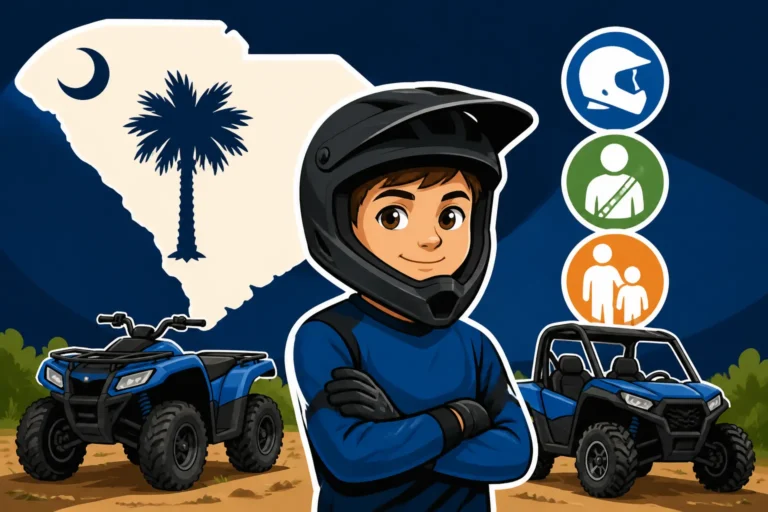
When it comes to personal protective equipment, Chandler's Law is quite specific, especially for younger riders. We all know how important helmets are, but the law reinforces this by requiring that all ATV operators and passengers under the age of 16 must wear a safety helmet. Not just any helmet, mind you, but one that meets the standards established by the U.S. Department of Transportation (DOT). This ensures a certain level of protection in the event of a crash. In addition to helmets, the law also mandates appropriate eye protection for these young riders. This could be goggles or a face shield integrated into the helmet, protecting against dust, debris, branches, and even insects that can impair vision and cause distractions. These aren't minor suggestions; they are critical safety measures designed to prevent serious head and eye injuries, which are all too common in ATV accidents. Understanding [South Carolina ATV Helmet Law] is vital for any family hitting the trails.
Prohibited Actions and Equipment
Chandler's Law also outlines several prohibited actions and equipment considerations to ensure safer ATV operation. For instance, removing or altering the warning labels that come standard on ATVs is strictly forbidden. These labels provide critical information about safe operation, age recommendations, and potential hazards, and tampering with them undermines the manufacturer's safety guidelines. Additionally, the law addresses riding under the influence, making it illegal to operate an ATV while intoxicated, whether on public or private land. Just like driving a car, operating an ATV requires full attention and sober judgment. Speeding, reckless operation, and riding on public roads (with specific, limited exceptions, which we'll touch on later) are also generally prohibited. These provisions aim to curb dangerous behaviors that significantly increase the risk of accidents, protecting not only the rider but also those around them. Even if you've kitted out your machine with heavy-duty suspension or tires from SuperATV, safety comes first.
Exemptions and Specific Scenarios Under Chandler's Law
While Chandler's Law casts a wide net over ATV use in South Carolina, it's not a one-size-fits-all set of rules. There are specific situations and types of land use that are granted exemptions or have particular considerations. This acknowledges that ATVs serve different purposes for different people, from recreational trail riding to essential farm work.
Agricultural, Hunting, and Private Land Exceptions
This is where things can get a little nuanced, and it’s a relief for many landowners and farmers. Chandler's Law provides certain exemptions for ATVs used in agricultural operations, hunting, or trapping activities, and, significantly, when operated on private property with the landowner's permission. For example, a farmer using an ATV to check fences or herd livestock on their own property might not be subject to the same strict age and supervision rules that apply on public lands or organized trails. Similarly, an individual using an ATV for [South Carolina Hunting and Trapping Exemptions] to access a deer stand on private land might have different requirements. However, it's crucial to understand that "private property" means your private property or private property where you have explicit permission to ride. These exemptions are not a free pass to disregard safety altogether, but they do acknowledge the practical realities of using ATVs for work and specific recreational pursuits in rural settings. The core safety principles, like not riding under the influence, still apply regardless of the exemption.
Dealer and Rental Operations
The law also takes into account the commercial aspects of ATV ownership and use, such as dealerships and rental operations. ATV dealers demonstrating machines to prospective buyers, or rental companies providing ATVs for use on designated private property (like at a private riding park) often have slightly different parameters. For instance, a rental facility might have its own strict safety briefing, helmet requirements, and designated riding areas that customers must adhere to, which align with, or even exceed, the general safety principles of Chandler's Law. These businesses are typically well-versed in the specifics of the law and often implement their own robust safety protocols. However, if you're thinking about buying a machine or renting one, it's always smart to ask the dealer or rental operator about their specific policies and how they ensure compliance with state law. It's an important part of [South Carolina Dealer Paperwork at Delivery] and ensuring a safe experience.
Penalties for Violating Chandler's Law
No one wants to get a ticket, especially for something that could have been avoided. Understanding the potential consequences of not following Chandler's Law is a strong motivator for compliance, and it underscores the seriousness with which South Carolina views ATV safety.
Fines and Enforcement
The enforcement of Chandler's Law typically falls to local law enforcement agencies, including county sheriffs' offices and the South Carolina Department of Natural Resources (SCDNR). If a rider, particularly a minor or their supervising adult, is found to be in violation of the statute's provisions, they can face penalties. These generally involve [South Carolina Fines of $50 to $200], though repeat offenses or more severe infractions could lead to higher fines or other legal consequences. For example, an adult supervising a minor found not wearing a helmet, or a child under 16 operating an ATV without a safety certificate, could face a citation. Law enforcement officers have the authority to pull over ATV riders on public land or where they have jurisdiction, and they can certainly check for compliance with these safety rules. It's not about being punitive, but about ensuring the law designed to protect riders is actually being followed.
The Importance of Compliance
Ultimately, the importance of complying with Chandler's Law extends far beyond avoiding a fine. It's about prioritizing safety, preventing tragic accidents, and ensuring that ATV riding remains a fun and responsible activity for everyone in South Carolina. By adhering to the age restrictions, ensuring proper supervision, completing safety courses, and wearing the right protective gear, riders and parents are actively contributing to a safer environment. Think of it as investing in peace of mind and protecting your loved ones. These rules were created because of real-world incidents, and following them is the best way to prevent similar events in the future. Educating yourself and your family on [South Carolina Safety Certificate Requirements] and making smart choices on the trail are the best ways to enjoy your machine responsibly.
| Rule Category | Key Requirement for Minors (Under 16) | Exemptions/Notes |
|---|---|---|
| Age of Operator | No one under 6 may operate an ATV. | N/A |
| Supervision | Riders 6-15 need direct adult (18+) supervision. | On private land with landowner permission, or for agricultural/hunting use. |
| Safety Certificate | Required for riders 6-15. | Adults (16+) not required to have a certificate. |
| Helmet Requirement | DOT-compliant helmet required. | N/A |
| Eye Protection | Required (goggles/face shield). | N/A |
| Passengers | Generally prohibited for riders under 16. | ATVs are designed for single riders; adding a passenger is inherently risky. |
| Warning Labels | Must not be removed or altered. | N/A |
| Impaired Operation | Strictly prohibited for all riders. | Applies to both public and private land. |
| Public Roads | Generally prohibited for off-road ATVs. | Specific exemptions exist for [South Carolina Street-Legal UTV Registration Arrives] and certain farm/hunting uses. |
Disclaimer
This article is for general informational purposes only and does not constitute professional advice. Laws, prices and regulations vary by location and change over time. Consult a qualified professional for guidance on your specific situation.