South Carolina Rules for Riding With a Dog
It's a beautiful thing, isn't it? That feeling of packing up the ATV or UTV, heading out to explore South Carolina's incredible landscapes, and wishing you could bring your best four-legged friend along for the adventure. But then that familiar worry creeps in: Are dogs even allowed? What are the rules? Is it safe? It’s a common frustration for so many of us who consider our dogs family members, and the state laws aren't always crystal clear on this particular topic. This guide is here to cut through the confusion and help you understand the unspoken guidelines and crucial safety measures for riding with your dog in the Palmetto State.
Understanding South Carolina's Stance on Pets and Off-Road Vehicles
Let's get one thing straight right off the bat: you won't find a specific South Carolina statute that explicitly says, "Thou shalt not ride an ATV with a Golden Retriever," or "Side-by-sides must have a designated dog seat." The state's ATV and UTV laws, like [Chandler's Law and South Carolina ATV Rules], focus primarily on rider age, helmet requirements, and where you can and cannot operate these machines. When it comes to our furry co-pilots, the rules are often implied, derived from general animal welfare, safety regulations, and the specific policies of the land you're riding on.
The Silent Regulations: What the Law Doesn't Say Directly
Because there isn't a dedicated "dog on ATV" law, many riders assume that if it's not explicitly forbidden, it must be allowed. While there's some truth to that on private land, it's a risky assumption when you factor in public safety, your dog's well-being, and the potential for distractions that could lead to an accident. Think about it: while there might not be a line in the code about dogs, there are certainly lines about safe operation and ensuring your vehicle doesn't pose a danger. An unsecured pet, or one that's causing you to lose focus, could easily fall under a general reckless endangerment or negligent operation statute if something goes wrong.
South Carolina's equipment requirements for ATVs, for example, might not directly mention pet restraints, but they do touch on general safety. If you're carrying any passenger or cargo, the expectation is that they are secured and not impeding the operator. Your dog, in this context, is both a passenger and living cargo, and their safety falls squarely on your shoulders. It's about taking proactive steps to avoid an incident, not just waiting for a law to tell you what to do.
Why Safety and Common Sense Become Your Guide
In the absence of explicit regulations, safety and common sense become your most important guides. This means prioritizing your dog's well-being, preventing them from becoming a distraction, and ensuring they don't pose a hazard to themselves, you, or others on the trail. Just because you can technically strap a dog to your machine on private land doesn't mean it's a good idea. Consider the speed, the bumps, the dust, and the noise. These machines are not designed for comfortable canine transport, so you need to be intentional about creating a safe environment.
If an officer or park ranger does encounter you riding with a dog, their primary concern will be safety and animal welfare. If your dog appears distressed, unsecured, or is causing a disturbance, you could face consequences under broader animal cruelty or public safety ordinances, even if there's no specific ATV/dog law. It's always better to err on the side of caution and ensure your setup is visibly safe and humane.
Navigating Private Property with Your Canine Co-Pilot
For many South Carolina riders, private property is where the bulk of their ATV and UTV adventures happen. This might be your own land, a friend's farm, or a hunting lease. When it comes to bringing your dog along in these settings, you generally have the most flexibility, but that doesn't mean you can throw caution to the wind.
The Flexibility and Responsibility of Private Land Use
On private land, the rules you follow are primarily those set by the landowner (which might be you!) and common sense. South Carolina offers [South Carolina Private Property Exemptions] for ATV operation, meaning many of the state's specific ATV laws don't apply when you're on your own turf. This freedom often extends to bringing your dog along. Whether you're scouting for deer on a hunting lease, checking fences on the back forty, or just enjoying a Sunday ride through the woods, having your dog by your side can be a real joy.
However, this flexibility comes with significant responsibility. You are solely accountable for your dog's safety and any incidents that may occur. This includes preventing them from being injured by the machine, escaping and getting lost, or causing damage to property or other animals. Even on private land, you still need to think about securing your dog and mitigating hazards. Don't forget, if you're on someone else's property, always get explicit permission to bring your dog, especially if they'll be off-leash or riding with you. Respecting the landowner's wishes is paramount.
Liability and Permission: Crucial Considerations
While you might be exempt from certain state ATV rules on private land, liability is still a very real concern. If your dog causes an accident, bites someone, or damages property while riding with you, you could be held responsible. This is particularly true if the incident could have been prevented by proper restraint or supervision. Imagine your dog jumping out unexpectedly, causing you to swerve and hit a tree, or worse, another person. These are scenarios you must consider.
If you're using a side-by-side on private land, you might have more options for securing your dog safely within the cabin or bed area. Many UTV owners will invest in sturdy crates or specialized enclosures designed for the bed of their machine, or even a secure harness system if the dog is riding in the cab. For ATVs, the options are more limited, often involving specialized racks and crates. The key is to ensure that whatever method you choose, it keeps your dog safe and prevents them from interfering with your ability to operate the machine. Always remember to check with your insurance provider, as some policies may have specific clauses regarding animal transport in off-road vehicles.
Public Lands: Where South Carolina's Rules Get Specific for Dogs
When you leave the friendly confines of private property and venture onto public lands in South Carolina, the rules surrounding your canine companion become much more defined and often more restrictive. Ignoring these regulations can lead to fines, citations, and a quick end to your day of riding.
National Forests and Leash Laws on OHV Trails
South Carolina is home to beautiful National Forests, including parts of the Sumter and Francis Marion National Forests, which offer designated OHV trails like Enoree and Parsons Mountain. Generally, dogs are allowed in National Forests, but with a very important caveat: they must be on a leash, typically no longer than six feet, and under physical control at all times. This rule applies whether you're hiking, camping, or riding an OHV.
When you're out on trails like [Enoree OHV Trail in South Carolina] or [Parsons Mountain OHV Trail in South Carolina], you'll need to ensure your dog is properly secured within your ATV or UTV, and then immediately leashed when you stop or get off the machine. This is crucial for several reasons:
- Wildlife Protection: Leash laws prevent dogs from chasing or disturbing native wildlife, which can have significant ecological impacts.
- Safety of Others: Not everyone is comfortable with dogs, and an off-leash dog can startle other riders, hikers, or even horses. It also prevents your dog from potentially getting into a skirmish with another animal or person's pet.
- Your Dog's Safety: On busy trails, an off-leash dog is at much higher risk of being hit by another vehicle or getting lost.
Remember that accessing these trails usually requires a [South Carolina National Forest OHV Passes], so make sure you've got that handled before you even think about bringing your dog. Always carry waste bags and pick up after your dog, demonstrating good trail etiquette for all users.
Wildlife Management Areas: Often a "No-Go" for Pets
Wildlife Management Areas (WMAs) in South Carolina are managed by the Department of Natural Resources (SCDNR) with a primary focus on wildlife conservation and hunting opportunities. These areas have some of the strictest rules regarding pets, and it's essential to check the specific WMA's regulations before you even consider bringing your dog.
In many [South Carolina WMAs Ban ATVs] outright, making the question of bringing a dog on your machine moot. However, even in WMAs where some vehicle access is permitted, pets are often prohibited, or their presence is severely restricted, especially during hunting seasons. The concern is that pets can interfere with wildlife, disrupt hunting activities, or even become targets themselves. For example, if you're riding during [South Carolina Hunting Season and Trail Access], bringing a dog that could flush game or interact with hunting dogs is generally a big no-no.
It's not uncommon for WMAs to have explicit rules stating "no pets" or "pets must be confined to vehicles" in certain areas or during specific times. The best practice is to assume your dog is not welcome in a WMA unless you have verified otherwise directly with the SCDNR for that specific location. Don't risk a fine or having your outdoor adventure cut short because you didn't do your homework.
Checking Before You Go: The Golden Rule for Public Access
This advice applies universally, but it's especially critical when you're considering bringing your dog on public land in South Carolina. Always, always check the specific rules and regulations of the park, forest, or management area you plan to visit before you load up your rig. Park websites, forest service offices, and WMA rules publications are your best friends here.
A quick phone call or a review of their online policies can save you a lot of headache and disappointment. Policies can change, and specific zones within a larger area might have different rules. For instance, some areas might allow dogs in picnic areas but not on certain trails. While [South Carolina Trails That Allow Side-by-Sides] might be abundant, it doesn't automatically mean dogs are welcome on those same trails. Being a responsible rider means being an informed rider, and that extends to your furry passengers too.
Ensuring Your Dog's Safety and Comfort on South Carolina Trails
Once you've determined where you can ride with your dog, the next, and arguably most important, step is to ensure their safety and comfort. An ATV or UTV trail can be a harsh environment for a dog if you're not prepared.
Secure Transport: Keeping Paws and Tails Safe
This is non-negotiable. Your dog must be safely secured in or on your off-road vehicle. An unsecured dog is a projectile waiting to happen in the event of a sudden stop, turn, or bump. It's also a significant distraction for you, the driver.
For UTVs, you have several excellent options:
- Crates: A sturdy, well-ventilated crate, secured firmly in the bed of your UTV, is often the safest bet. It protects your dog from flying debris, prevents them from jumping out, and offers a sense of security. Companies like SuperATV offer various cargo solutions, including bed enclosures and storage boxes, which can be adapted or used in conjunction with a crate to create a secure space.
- Specialized Dog Seats/Enclosures: Some manufacturers offer UTV-specific dog seats or enclosures that provide padding and restraint, keeping your dog comfortable and contained within the passenger area or cargo bed. These often come with anchor points for harnesses.
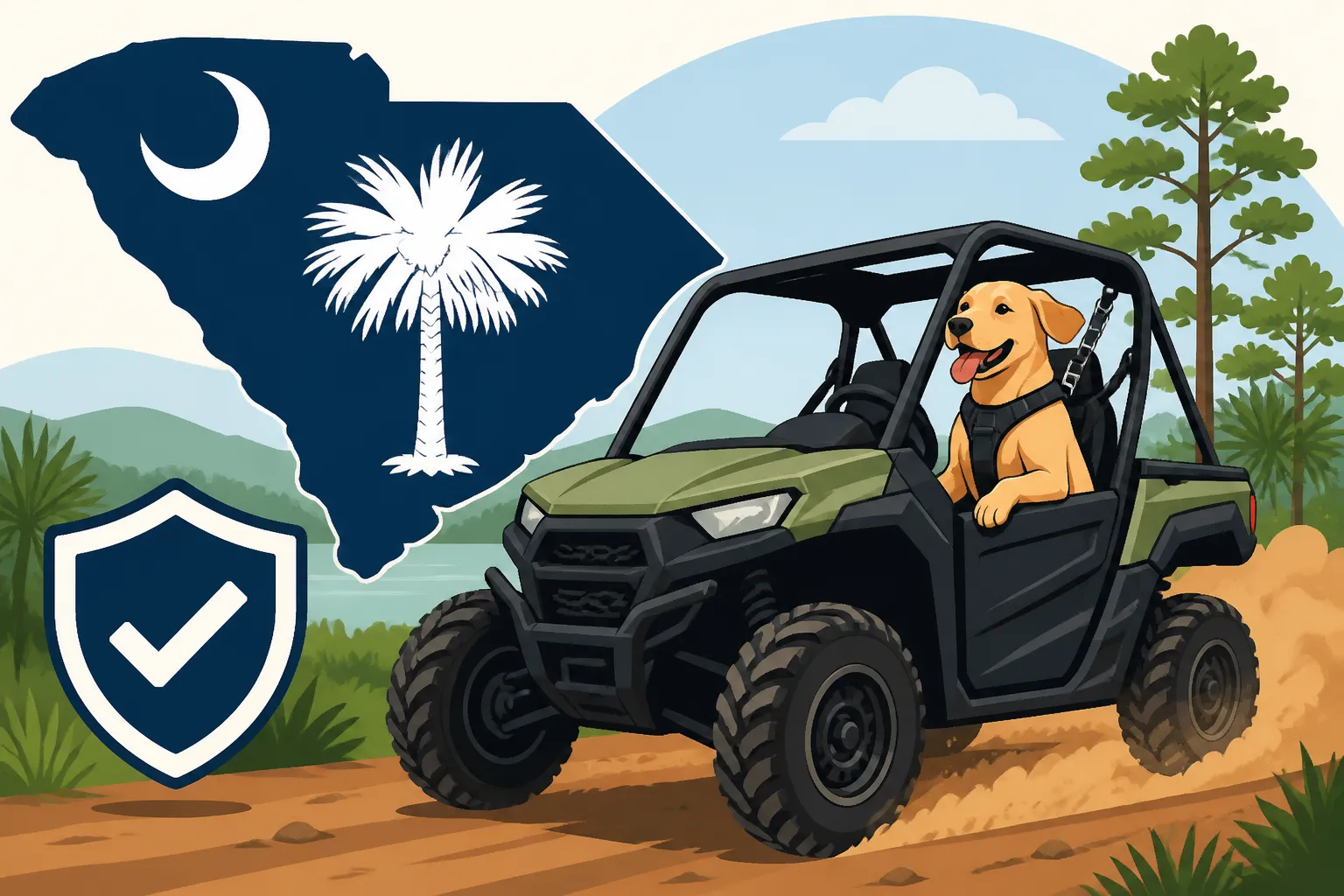
- Harnesses with Seatbelt Attachments: If your dog rides in the cab of a UTV, a crash-tested safety harness connected to the vehicle's seatbelt system is essential. Never use just a collar for restraint, as a sudden stop could cause serious neck injury.
For ATVs, securing a dog is more challenging due to the open nature of the machine:
- Front or Rear Rack Crates: A sturdy, heavy-duty crate secured to the front or rear rack is typically the only safe option. The crate must be rated for weight and secured with multiple straps or bolts to prevent shifting or ejection.
- Never Loose on an ATV: Allowing a dog to sit freely on an ATV, even with a harness and leash held by you, is extremely dangerous. One wrong move, and your dog could be under the tires.
When considering your transport method, also think about:
- Protection from Debris: Dust, rocks, branches, and mud can all fly up. A crate or enclosure offers significant protection. Consider a full windshield for your UTV to protect passengers, including your dog.
- Ventilation and Shade: Ensure your dog has adequate airflow and protection from direct sun, especially on hot South Carolina days.
Environmental Preparedness: Heat, Hydration, and Hazards
South Carolina's climate presents unique challenges for dogs on the trail.
- Heat and Hydration: Summers can be brutally hot and humid. Dogs are susceptible to heatstroke. Carry ample water – more than you think you'll need – and a portable bowl. Make frequent stops in the shade for water breaks. Avoid riding during the hottest parts of the day. Dehydration is a serious concern.
- Paw Protection: Hot asphalt, sharp rocks, and abrasive dirt can damage paw pads. Consider protective dog boots for longer rides or rough terrain.
- Snakes and Ticks: South Carolina is home to venomous snakes and an abundance of ticks. Keep your dog on a leash when outside the vehicle, especially in grassy or wooded areas. Check your dog thoroughly for ticks after every ride. Carry a pet-specific first-aid kit that includes items for snake bites (though professional vet care is always needed) and tick removal.
- Allergies and Irritants: Dust, pollen, and certain plants can cause allergic reactions or skin irritations in dogs. Watch for signs of discomfort.
A well-stocked [First Aid on a Long Carolina Loop] for humans should also have some pet-specific additions if your furry friend is joining.
Training, Temperament, and Responsible Trail Etiquette
Not every dog is cut out for ATV or UTV riding. The noise, vibrations, dust, and confined space can be overwhelming for some animals.
- Temperament: Your dog should be calm, well-socialized, and not prone to excessive barking or anxiety. High-strung or easily stressed dogs are not good candidates for trail riding.
- Training: A dog that understands basic commands like "sit," "stay," and "leave it" will be much safer and easier to manage.
- Desensitization: Gradually introduce your dog to the machine, starting with it off, then idling, then short, slow rides. Reward calm behavior.
- Trail Etiquette: When you ride with your dog, you are an ambassador for all pet owners. Always keep your dog leashed when outside the vehicle on public lands, pick up their waste, and prevent them from harassing wildlife or other trail users. This aligns with general [South Carolina Trail Etiquette Locals Expect] and ensures a positive experience for everyone. If an accident does occur, even a minor one, understanding [South Carolina Accident Reporting for an ATV Crash] will be helpful.
Table: South Carolina Land Use and Dog Riding Rules Overview
| Land Type | ATV/UTV Use with Dog | Key Considerations |
|---|---|---|
| Private Property | Generally allowed with owner permission | Safety, liability, dog's temperament, landowner's rules. [South Carolina Private Property Exemptions] is important here. |
| National Forests | Allowed, but strictly leashed | Leash laws enforced (max 6 ft), respect wildlife, trail etiquette, specific OHV rules. [South Carolina National Forest OHV Passes] required. |
| Wildlife Management Areas | Often restricted or prohibited | Check specific WMA regulations (SCDNR), strict rules during hunting seasons, no pets often. [South Carolina WMAs Ban ATVs] in many cases. |
| Street-Legal UTV on Roads | Yes, if dog is secured and not distracting | Follow all road rules, dog must be secured safely to prevent distraction/injury. Relevant to [South Carolina Golf Cart Permit Rules] for similar vehicle types. |
Bringing your dog along for an ATV or UTV adventure in South Carolina can be incredibly rewarding, but it's a privilege that comes with significant responsibility. Since specific laws are sparse, it's up to you to be the vigilant advocate for your dog's safety and well-being. Always prioritize secure transport, prepare for environmental hazards, and respect the rules of the land you're on, especially on public property. A little planning and common sense will ensure that your best friend can truly be your best trail buddy.
Disclaimer
This article is for general informational purposes only and does not constitute professional advice. Laws, prices and regulations vary by location and change over time. Consult a qualified professional for guidance on your specific situation.