Creek Crossings Allowed Only at a Ford
There’s nothing quite like the thrill of exploring South Carolina's diverse landscapes on your ATV or UTV – from the Upstate mountains to the Lowcountry swamps. But that feeling of freedom can quickly turn to confusion, or worse, a costly citation, when you encounter a creek or stream. Many riders wonder if they can just splash right through, but the truth is, South Carolina has very specific rules about crossing water, primarily designed to protect our precious natural resources. This guide will dive deep into what those rules are, why they exist, and how you can responsibly and legally navigate water crossings in the Palmetto State without landing in hot water.
The South Carolina Law on Water Crossings: Why It Matters
It might seem like a small detail when you're out enjoying the trails, but how and where you cross water has a significant impact, both legally and environmentally. South Carolina takes its natural beauty seriously, and laws are in place to ensure off-road vehicles don't inadvertently harm the very ecosystems we love to explore.
Understanding Chandler's Law and Environmental Protection
The primary legislation governing ATV and UTV use in South Carolina, often referred to as Chandler's Law, outlines various rules for safe and responsible operation. While much of it focuses on rider age and safety gear, it also addresses environmental protection, particularly concerning water bodies. The law's intent isn't just about preventing accidents; it's also about preserving the delicate balance of our streams, rivers, and wetlands. When ATVs and UTVs drive indiscriminately through waterways, they can churn up sediment, introduce pollutants, and disrupt aquatic habitats. Imagine the impact of hundreds of machines stirring up the bottom of a creek – that sediment can choke fish eggs, smother aquatic insects, and cloud the water for miles downstream, affecting everything from drinking water to fishing grounds. This is why the state has put rules in place, to safeguard these vital natural resources for everyone. The rules outlined in [South Carolina Code Section 50-26-50] specifically address these concerns, aiming to prevent long-term damage to our beautiful waterways.
What "Ford" Really Means in the Palmetto State
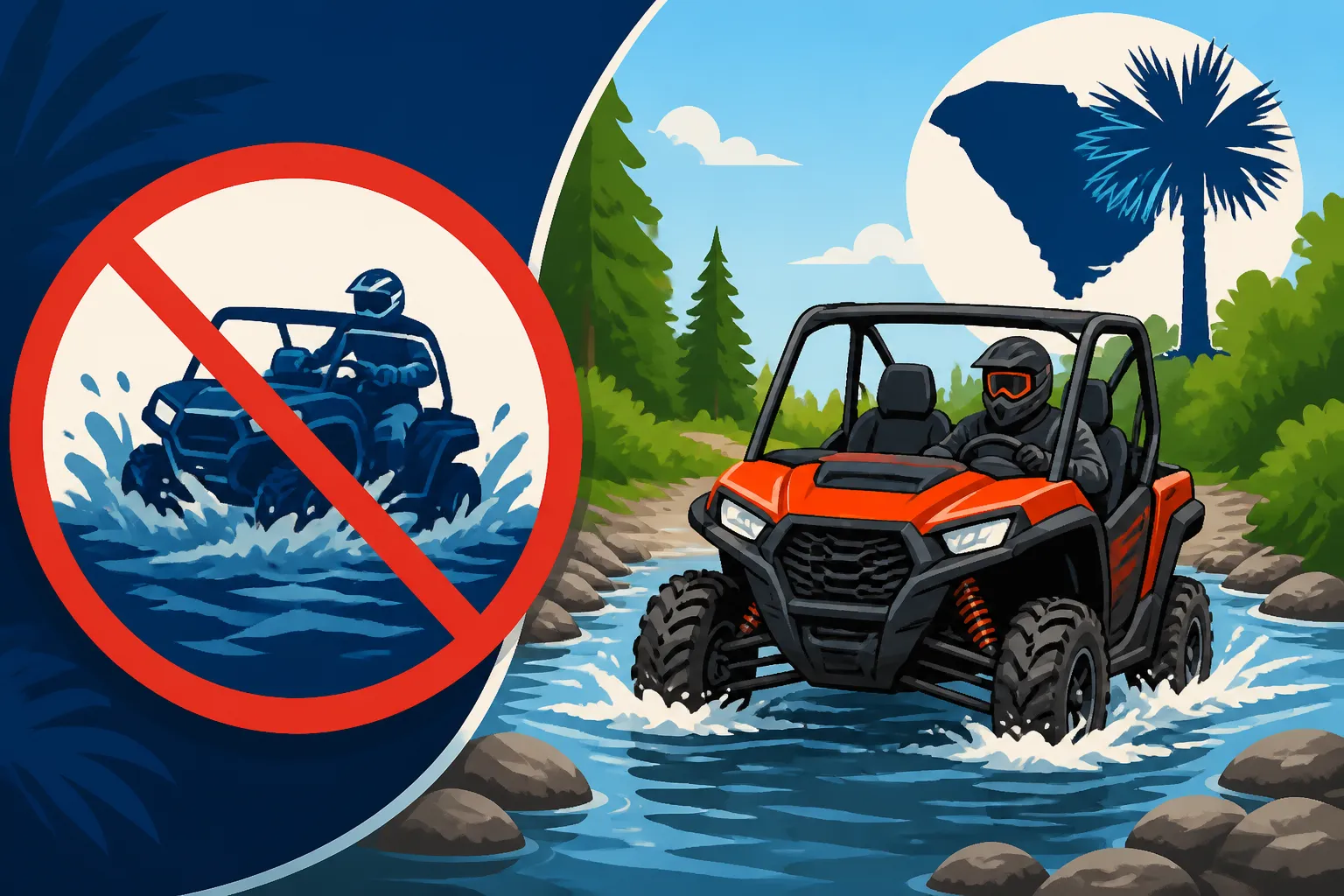
When South Carolina law states that creek crossings are "allowed only at a ford," it's crucial to understand what that term actually implies. In the context of off-road vehicle use, a "ford" is not simply any shallow spot where you think you can get across. Instead, it refers to a designated, established, and often engineered crossing point. These are typically hardened areas, sometimes with a gravel base or a low-water bridge, specifically designed to minimize environmental impact from vehicle crossings. These designated fords concentrate vehicle traffic to a single, prepared location, preventing the widespread erosion and habitat destruction that occurs when riders create their own paths through a streambed. So, if you're tempted to veer off a trail to find your own way across a sparkling creek, remember that unless it's a clearly marked and maintained ford, you're likely breaking the law and harming the environment. You might even see remnants of old, unofficial crossings that have been closed off – this is a clear sign that the authorities are serious about directing traffic to proper fords.
Identifying Legal Creek Crossings on Trails and Public Lands
Knowing the law is one thing, but actually identifying a legal ford when you're out on the trail can be another challenge. Fortunately, public land managers and trail systems put a lot of effort into marking and maintaining these crossings.
Navigating National Forests: Marked Fords and Designated Trails
South Carolina is blessed with beautiful national forests like the Sumter National Forest and the Francis Marion National Forest, which offer designated OHV trails. On these public lands, legal creek crossings will always be clearly marked and integrated into the established trail system. For example, popular riding areas such as the [Enoree OHV Trail in South Carolina] and the [Parsons Mountain OHV Trail in South Carolina] feature designated fords where streams naturally intersect the trail. These fords are typically part of the official trail map and are often reinforced to withstand repeated vehicle crossings, minimizing erosion and impact. It’s absolutely essential to stay on these marked trails and only use the designated fords. Veering off-trail, even for what seems like a quick shortcut across a small stream, is not only illegal but can also lead to trail closures and loss of riding privileges for everyone. Land managers work tirelessly to balance recreational access with environmental protection, and staying on marked paths is a key part of upholding that balance.
The Role of Trail Maps and Local Guidance
Before you even load up your machine, doing a little homework can save you a lot of trouble on the trail. Official trail maps provided by the U.S. Forest Service or private park operators are your best friend for identifying legal water crossings. These maps will clearly indicate the designated OHV trails and, by extension, where you can expect to find approved fords. Many riding areas also have visitor centers or ranger stations where you can ask specific questions about trail conditions and water crossings. Additionally, local ATV and UTV clubs are an invaluable resource. These experienced riders often know the trails intimately and can offer real-world advice on navigating specific sections. Some even maintain up-to-date information on trail closures or temporary reroutes, especially after heavy rains. Before heading out, consider checking for [South Carolina ATV Trail Map Downloads] online or calling a [South Carolina Trail Hotline Worth Calling] to get the most current information. They can confirm which fords are open and safe, and which areas to completely avoid.
The Dangers and Consequences of Illegal Water Crossings
While the thrill of splashing through a stream might seem appealing, the reality of illegal water crossings carries significant risks – for the environment, for your wallet, and for the future of off-road riding in South Carolina.
Environmental Impact and Habitat Damage
The environmental consequences of illegal water crossings are far-reaching and often irreversible. When ATVs and UTVs drive off-trail through streambeds, they directly disrupt the delicate aquatic ecosystem. The churning of tires loosens soil, leading to increased erosion and siltation. This fine sediment then smothers fish eggs, clogs the gills of aquatic insects, and reduces water clarity, making it harder for fish to find food and for aquatic plants to photosynthesize. Many species, from small invertebrates to game fish, depend on clean, clear water and undisturbed streambeds for their survival and reproduction. Beyond the immediate water body, this erosion can also destabilize stream banks, leading to further habitat loss and impacting surrounding terrestrial environments. Furthermore, machines can leak fuel, oil, or other fluids, introducing pollutants directly into the water system. This isn't just a local problem; polluted water can travel downstream, affecting larger rivers, lakes, and even coastal estuaries that are vital for South Carolina's economy and biodiversity.
Legal Ramifications and Penalties for Violations
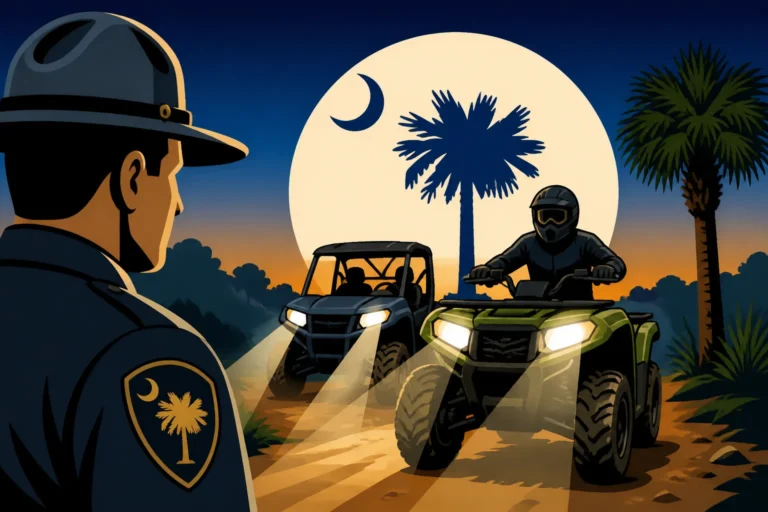
Beyond the environmental damage, illegally crossing a creek or stream in South Carolina can lead to serious legal trouble. Law enforcement, including local deputies and forest rangers, regularly patrol public and private lands to ensure compliance with off-road vehicle laws. Violations of Chandler's Law, including improper water crossings, can result in significant fines. We're talking about [South Carolina Fines of $50 to $200] for a first offense, which can quickly add up if you're caught multiple times or if your actions cause extensive damage. And it's not just the fine; you'll also likely face additional [South Carolina Court Costs for a Citation], making that quick splash far more expensive than you ever imagined. In some severe cases, if your actions are deemed particularly reckless or environmentally destructive, your machine could even be impounded. These penalties are designed to be a deterrent, sending a clear message that respecting the environment and the law is paramount when enjoying South Carolina's trails. Getting a ticket for an illegal crossing can also be a real buzzkill for your riding day, leading to delays and a sour end to what should have been a fun outing.
Best Practices for Responsible Water Crossing
Crossing a designated ford responsibly is more than just following the rules; it's about minimizing your impact and ensuring your safety. A little preparation and knowledge go a long way in making these crossings seamless and harmless.
Pre-Ride Checks and Machine Preparation
Before you even approach a water crossing, it's smart to do a quick check of your machine. While modern ATVs and UTVs are designed to handle some water, deep or prolonged submersion can cause issues. Check your airbox for proper sealing – you absolutely do not want water getting into your engine's intake. For machines that regularly encounter water, investing in aftermarket components like extended differential breathers is a wise move. These simple tubes relocate the vent lines to a higher point on the machine, preventing water from being sucked into your differentials or transmission when they cool down in water. You might also want to inspect any electrical connections that are low on your machine to ensure they're secure. Companies like SuperATV offer a range of accessories designed to enhance your machine's water-fording capabilities, from snorkel kits to sealed electrical components. Even if you're just using a designated ford, minimizing your machine's vulnerability to water ingress can save you a headache and an expensive repair bill down the line. Remember, proper maintenance and preparation are key to a worry-free ride.
Riding Techniques for a Safe and Legal Ford Crossing
Once you've identified a legal ford and prepared your machine, the actual crossing requires a specific technique to ensure safety and minimize disturbance. The golden rule is: slow and steady wins the race. Approach the ford at a low, consistent speed – just enough to create a small bow wave in front of your machine. This wave helps to keep water away from your engine's intake. Avoid slamming into the water or revving your engine excessively, as this can create a huge splash that pushes water into places it shouldn't be, both on your machine and in the environment. Maintain a steady, controlled throttle throughout the crossing, and avoid making sudden turns or braking abruptly. If the ford has a hard bottom, you'll generally have good traction, but be mindful of slippery rocks or moss. Always know the depth of the water before entering, if possible. If you're unsure, walking the crossing (if safe to do so) or observing another rider can give you crucial information. The goal is to cross smoothly, efficiently, and with minimal disruption to the streambed or banks. After the crossing, take a moment to clear any debris from your machine and check your brakes, as they might be less effective when wet.
Private Land Considerations: Navigating Exemptions and Permissions
While public lands have clear rules, riding on private land introduces a different set of considerations, especially when it comes to water crossings. The key here is always permission and clear understanding with the landowner.
The "Hunting and Trapping Exemptions" on Private Property
South Carolina's Chandler's Law does provide specific exemptions when it comes to operating ATVs and UTVs on private property, particularly for agricultural, hunting, or trapping purposes. This means that if you're on your own land, or land where you have explicit permission, some of the stricter public land rules regarding water crossings might not apply in the same way. For instance, [South Carolina Hunting and Trapping Exemptions] allow hunters to use ATVs to access stands or retrieve game, which might involve crossing natural water features on private property. However, this doesn't grant a carte blanche to destroy streambeds. Even on private land, common sense and environmental stewardship are still crucial. A landowner might permit you to cross a small creek on their property, but they likely won't appreciate you tearing up the banks or creating new, eroding paths. It's a matter of mutual respect and understanding that while the legal framework might be different, the environmental impact remains the same. Always clarify specific expectations with the landowner regarding water crossings to avoid any misunderstandings.
Working with Landowners: Securing Permission for Crossings
The absolute golden rule for riding on private land, especially where water crossings are involved, is to secure explicit and preferably written permission from the landowner. Never assume you have permission to cross a creek or ride in a particular area just because a gate is open or there isn't a "No Trespassing" sign every fifty feet. A simple conversation can prevent a lot of headaches. When discussing access, specifically ask about water features and how the landowner prefers them to be handled. They might have designated spots they want you to use, or they might have areas that are off-limits due to sensitive habitat or ongoing land management efforts. Having [Getting Written Permission From a Timber Landowner] is ideal, as it clarifies the terms of your access and can be invaluable if any questions arise. This shows respect for their property and their wishes, which in turn builds trust and can lead to continued access. Remember, landowners are often concerned about erosion, property damage, and liability, so addressing these concerns upfront will go a long way in fostering a good relationship.
Table: Legal vs. Illegal Water Crossings in South Carolina
Here’s a quick overview of what constitutes a legal versus an illegal water crossing in South Carolina:
| Feature/Aspect | Legal Water Crossing (Ford) | Illegal Water Crossing (Non-Ford) |
|---|---|---|
| Location | Clearly marked, designated ford on an established trail. | Any unmarked, undesignated spot in a creek or stream. |
| Structure | Often reinforced, hardened, or low-water bridge. | Natural streambed, vulnerable banks, undisturbed habitats. |
| Authorization | Permitted on public OHV trails or with landowner consent. | Never permitted on public lands; without explicit private consent. |
| Environmental Impact | Designed to minimize erosion and habitat disturbance. | Leads to erosion, siltation, habitat destruction, pollution. |
| Legal Outcome | Complies with Chandler's Law and land management rules. | Violates state law; results in fines and potential penalties. |
| Safety | Predictable depth, known conditions. | Unknown depth, submerged obstacles, slippery surfaces. |
Accessories and Gear for Water Fording
Even when you're sticking to legal fords, preparing your machine and yourself with the right accessories and gear can make a significant difference in safety, performance, and the longevity of your ATV or UTV.
Essential Gear for Rider and Machine
When you know your ride will involve water crossings, having the right gear is paramount. For yourself, waterproof boots or waders are a smart choice to keep your feet dry and comfortable, preventing potential hazards like trench foot on longer rides. Safety glasses or a face shield are always a must, but become even more critical when splashing through water, protecting your eyes from flung water, mud, and debris. For your machine, a properly functioning winch can be a lifesaver if you misjudge a depth or get stuck, even in a designated ford. Consider a spare belt, especially for UTVs, as water and mud can reduce belt life. Having a basic toolkit on hand for minor adjustments or repairs is also wise. And don't forget recovery straps – even if you have a winch, you might need to help a buddy out. Ensuring your [The Spark Arrester the Forest Service Requires] is in good condition is also important for overall trail safety, regardless of water. For those who frequently ride where water is a factor, aftermarket protective gear from companies like SuperATV can provide an extra layer of defense, such as heavy-duty skid plates for undercarriage protection against submerged obstacles.
When to Upgrade: Aftermarket Solutions for Water Protection
For riders who regularly tackle water features, even designated fords, upgrading certain components on your ATV or UTV can significantly enhance its capabilities and protect against costly damage. One of the most common and effective upgrades is a snorkel kit. These kits, available from manufacturers like SuperATV, relocate your engine's air intake, CVT inlet, and CVT outlet to a higher position, usually up by the handlebars or roll cage. This drastically reduces the risk of water entering critical components, allowing for deeper water crossings. Another smart investment is a set of sealed bearings for your wheels and suspension. Stock bearings can be vulnerable to water intrusion, leading to premature wear and failure. Upgraded sealed bearings offer better protection against mud and water, extending their lifespan. Differential and transmission breather kits, as mentioned earlier, reroute vent lines to higher points, preventing water from being sucked into these crucial components. Finally, heavy-duty [Skid Plates for Upstate Rock] are not just for rocky terrain; they also protect your machine's underbelly from submerged logs, rocks, and debris that might be hidden in a ford. Investing in these types of accessories can give you peace of mind and help you enjoy South Carolina's wetter trails more confidently. If you're frequently in conditions requiring [Snorkels for a Carolina Creek], these upgrades are almost essential.
Disclaimer
This article is for general informational purposes only and does not constitute professional advice. Laws, prices and regulations vary by location and change over time. Consult a qualified professional for guidance on your specific situation.