South Carolina Eye Protection for Young Riders
It's an age-old concern for parents and guardians in South Carolina: how do you let your children experience the thrill of ATV and UTV riding while keeping them genuinely safe? When you see those little ones bouncing along on a trail, whether it's on your own land or at a designated riding park, the sheer number of rules and recommendations can feel overwhelming. One of the most critical, yet sometimes overlooked, aspects of child rider safety is proper eye protection. This guide is here to cut through the confusion and explain exactly what South Carolina law requires, why it matters, and how to choose the best eye protection to keep those precious peepers safe on the trails.
Understanding South Carolina's Core Safety Laws for Young Riders
Navigating the world of ATV and UTV regulations for young riders in South Carolina can feel like trying to untangle a ball of yarn after a kitten's had its way with it. Parents often tell me they just want clear answers, not legal jargon. The good news is that at its heart, the state's approach to youth ATV safety is designed to protect our most vulnerable riders from serious injury, and that includes their eyes.
The Foundation: Chandler's Law and Its Impact
Many of South Carolina's ATV safety regulations stem from what's commonly known as [Chandler's Law and South Carolina ATV Rules]. This comprehensive law was enacted with the tragic loss of a young rider in mind, aiming to prevent similar incidents by setting clear boundaries for ATV operation, especially for minors. Before this law, the rules were far less defined, leading to a lot of ambiguity and, sadly, preventable accidents. The law touches on everything from age restrictions and helmet use to required safety courses. It reflects a deep concern within the state to ensure that the excitement of off-road riding doesn't come at the cost of a child's well-being.
For parents, the frustration often comes from trying to piece together all these different requirements. You want your kids to enjoy the outdoors, to learn responsibility and machine control, but you also want to do it legally and safely. Chandler's Law provides that framework, even if it sometimes feels like a lot to absorb. It's the legislative backbone that supports the specific eye protection mandates, reminding us that every piece of gear and every rule serves a vital purpose in a child's overall safety on a machine.
Who Needs Eye Protection? Age-Specific Mandates
When it comes to eye protection, South Carolina doesn't leave much to guesswork. The law specifically mandates eye protection for certain age groups, and it's not a suggestion; it's a requirement designed to shield riders from the multitude of hazards they encounter on the trail. Think about all the things that can fly into your face when you're riding: kicked-up dust and dirt, pebbles from tires, low-hanging branches, flying insects, or even mud flung from a buddy's machine. Any one of these can cause a serious eye injury, from a simple scratch to permanent vision damage.
Specifically, riders 15 years of age and younger are generally required to wear eye protection. This isn't just about protecting against the occasional flying debris; it's also about preventing cumulative damage from sun exposure, windburn, and general irritation that can distract a young rider and lead to an accident. The state recognizes that younger riders may not have the same situational awareness or quick reflexes as adults, making them more susceptible to these environmental threats. Ensuring their vision is clear and protected allows them to focus on the trail, react to obstacles, and ultimately ride more safely. It's a fundamental part of the overall safety package for young riders, just like wearing a helmet and appropriate clothing.
The Link Between Helmets and Eye Protection
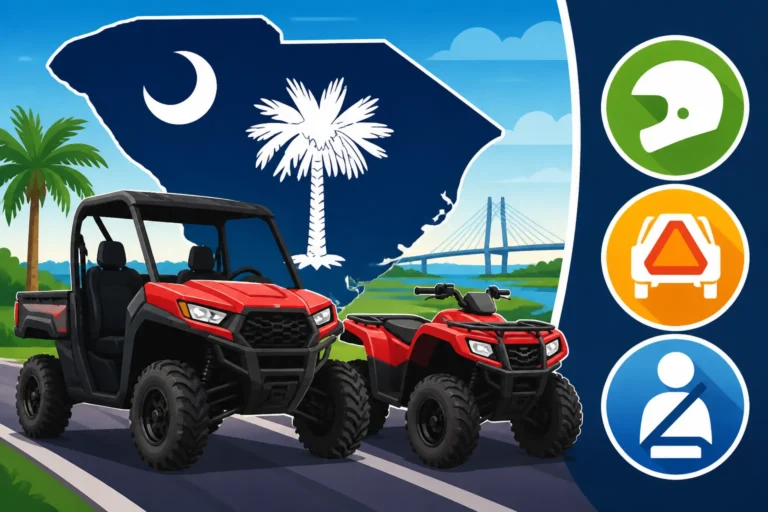
It's almost impossible to talk about eye protection for young ATV riders without immediately bringing up helmets. In South Carolina, these two safety measures are intrinsically linked, forming a critical defense against head and facial injuries. For riders under the age of 16, helmets are mandatory, and they must meet federal safety standards, like those set by the Department of Transportation (DOT). This isn't just about protecting the skull; it's about comprehensive head protection.
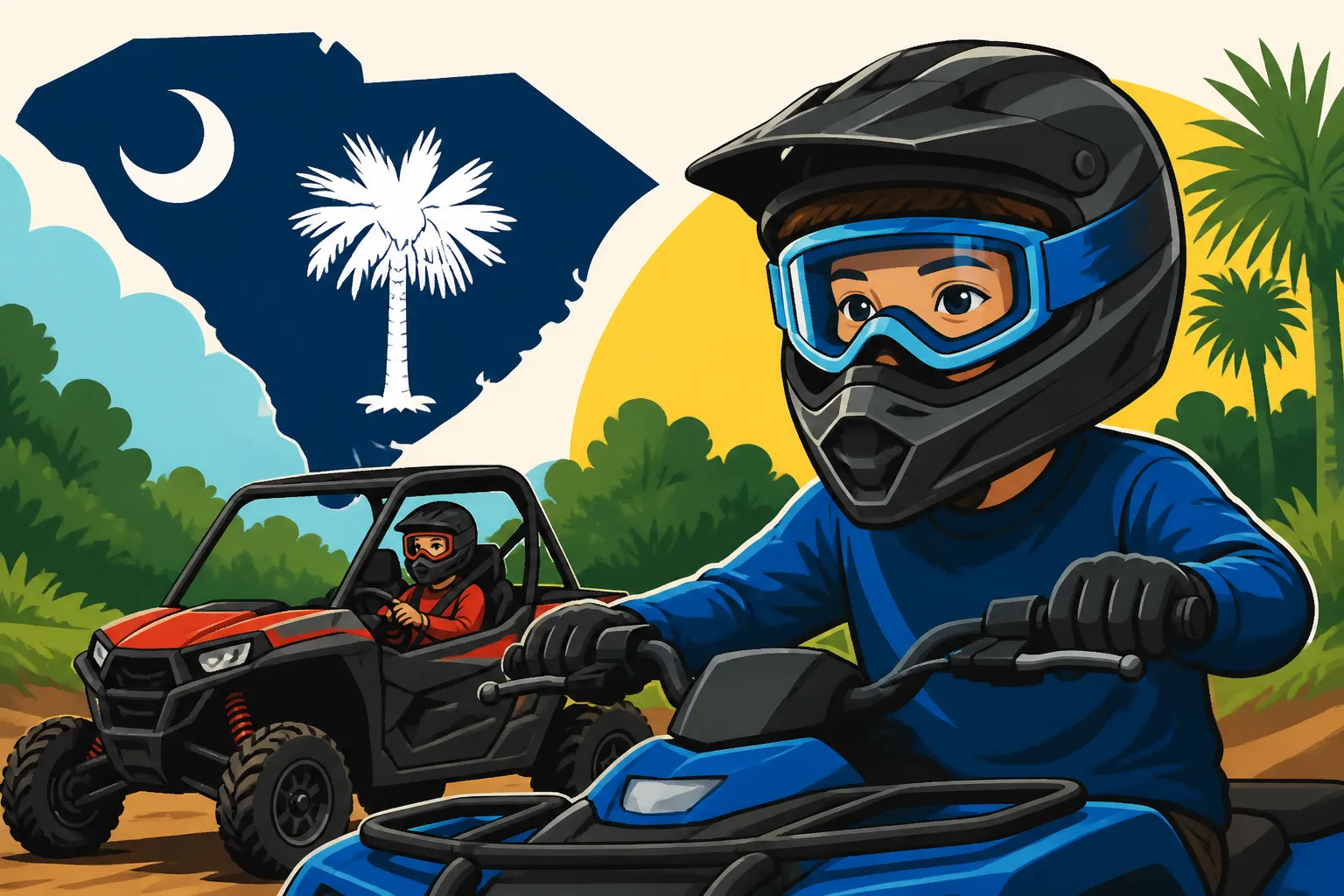
Many helmets designed for ATV and UTV riding come with integrated face shields, which conveniently cover the eyes and face, fulfilling the eye protection requirement. However, not all helmets have full face shields, especially those open-face designs preferred by some riders. In those cases, separate eye protection, such as goggles, becomes absolutely essential. The law doesn't care whether the eye protection is built into the helmet or worn separately, only that it's present and effective. The synergy between a properly fitted helmet and appropriate eye protection is undeniable: one protects the brain, the other safeguards the eyes, both working together to prevent some of the most debilitating injuries that can occur in an off-road incident. It's a holistic approach to safety, acknowledging that a rider's head and face are particularly vulnerable. [South Carolina Helmet Rules for Young Riders] are very specific, and eye protection is part of that overall mandate.
Deciphering Eye Protection Requirements: What's Compliant?
Okay, so you know that your young rider needs eye protection. But what exactly counts? This is where many parents get tripped up. Is a pair of sunglasses enough? What about their prescription glasses? South Carolina law isn't just about wearing something over the eyes; it's about wearing effective protection that meets certain criteria to genuinely safeguard against hazards. The goal isn't just to check a box, but to actually prevent injuries.
Acceptable Forms of Eye Protection
When the law talks about eye protection, it generally refers to items specifically designed for impact resistance and full coverage. The most common and widely accepted forms are goggles and face shields. Goggles, often worn with an open-face helmet or even alone in some low-speed, private land scenarios (though a helmet is almost always recommended), fit snugly around the eyes and face, creating a seal that prevents dust, dirt, and debris from entering. They are usually made with impact-resistant polycarbonate lenses that can withstand significant force without shattering. [Eye Protection Beside a Helmet] is often a pair of these.
Face shields, typically integrated into a full-face helmet, offer similar protection, covering the entire face from the brow down to the chin. They provide a wide field of vision and are excellent at deflecting airborne objects. Some riders also use safety glasses, but these must be impact-rated (often indicated by an ANSI Z87.1 stamp) and ideally include side shields for peripheral protection. Brands like SuperATV are well-known for offering a wide range of durable goggles and protective accessories designed specifically for the rigors of off-road riding. When you're looking for compliant gear, always seek out products that clearly state their impact resistance and are designed for powersports use, not just casual wear. This ensures you're getting genuine protection that meets, or exceeds, the spirit of the law.
What Doesn't Count as Proper Eye Protection
Here's where we clear up some common misunderstandings that could unfortunately put your young rider at risk. Regular sunglasses, even if they're sturdy, generally do not qualify as proper eye protection under South Carolina law for ATV riding. While they might reduce glare, most sunglasses lack the necessary impact resistance to protect against flying debris, and they certainly don't offer a sealed barrier against dust or dirt. A small stone kicked up by a tire at speed could easily shatter a regular sunglass lens, potentially causing more harm than if nothing was worn at all.
Similarly, everyday prescription eyeglasses, while necessary for vision, are also not sufficient on their own. They don't typically offer the same level of impact resistance as safety glasses or goggles, nor do they provide the necessary peripheral protection. If your child wears glasses, you'll need to find goggles that are designed to fit comfortably over them, or consider prescription inserts for goggles. The key takeaway is this: if it wasn't specifically designed for high-impact protection in a dynamic outdoor environment, it's probably not going to cut it. The law is looking for proactive protection, not just something to dim the sun.
Why Quality Matters: Beyond Just the Law
While meeting the legal requirement is obviously important, opting for quality eye protection goes far beyond simply avoiding a citation. Investing in good goggles or a robust face shield for your young rider is about enhancing their safety, comfort, and overall riding experience. Cheap, flimsy eye protection might technically cover their eyes, but it often lacks crucial features that make a real difference on the trail.
Consider impact resistance: premium goggles use lenses made from materials like polycarbonate, which can absorb significant impact without shattering, protecting eyes from branches, rocks, and other hazards. Then there's UV protection; prolonged exposure to the sun's harmful rays can lead to long-term vision problems, so good eye protection should block 100% of UVA and UVB light. Anti-fog coatings and ventilation systems are also critical, especially in South Carolina's humid climate. There's nothing worse than goggles fogging up mid-ride, completely obscuring vision and forcing a rider to stop or, worse, risk an accident. Products from reputable brands often incorporate these features, ensuring clarity of vision even when the rider is working up a sweat. Good quality eye protection also tends to be more comfortable, with soft foam linings and adjustable straps, making it less likely that your child will constantly want to take it off. Ultimately, better gear means a safer, more enjoyable ride, and that's something worth investing in.
Practical Application: Ensuring Your Young Rider is Protected
So, you're armed with the knowledge of what eye protection is required and why quality matters. Now comes the practical part: how do you actually ensure your young rider is wearing the right gear, and wearing it consistently? It’s one thing to buy the equipment, it’s another to get a kid to keep it on for hours of riding. Trust me, I've seen enough "accidental" helmet removals and "forgotten" goggles to know this is where the real challenge often lies for parents.
Choosing the Right Gear for Comfort and Safety
The absolute best eye protection in the world is useless if your child refuses to wear it because it's uncomfortable, or if it constantly fogs up. This is why fit and comfort are just as important as impact rating. When you're shopping for goggles, make sure they fit snugly against your child's face without pinching or leaving large gaps. The strap should be adjustable to go over their helmet without being too tight or too loose. If the goggles are too big, they'll slide around; too small, and they'll be miserable.
Look for features like multi-layer foam padding, which helps wick away sweat and provides a cushioned seal. Good ventilation is key to preventing fogging, especially on hot, humid South Carolina days, or when riding through muddy sections where temperatures can fluctuate. Consider the terrain your child will mostly be riding on. If it's very dusty, a tightly sealed goggle is crucial. If there's a lot of mud, tear-offs or roll-offs might be a smart addition to keep their vision clear. Many folks find brands like SuperATV offer a wide range of durable goggles with various lens tints, allowing you to choose one that's best suited for bright sunny days or overcast conditions, further enhancing visibility and comfort. Let your child be part of the selection process too; if they like how it looks and feels, they're much more likely to wear it without complaint.
Common Scenarios and Misconceptions
There are a few common scenarios and misconceptions that often pop up when discussing eye protection for young riders. One frequent question is: "What if my child wears prescription glasses?" As mentioned, regular glasses aren't enough. You have a few options: either find "OTG" (Over The Glasses) goggles that are specifically designed to fit comfortably over prescription frames, or explore prescription inserts that fit into standard goggles. Some parents even invest in contact lenses for their older children for riding days.
Another big one is the "private land" myth. Many people assume that if you're riding on private property, none of South Carolina's ATV laws apply. While some aspects of [Chandler's Law and South Carolina ATV Rules] do have exemptions for private land, the core safety mandates, particularly those related to helmets and eye protection for minors, are still very much in play. The intent of the law is to protect children from serious injury, regardless of where they are riding. It’s always best to assume the safety rules apply, because even on private land, a branch doesn't care whose property it's on when it snaps back towards your child's face. [South Carolina Private Property Exemptions] are often misunderstood, especially concerning youth safety.
The Role of the Supervising Adult
Ultimately, the responsibility for ensuring a young rider wears proper eye protection, and all other required safety gear, falls squarely on the shoulders of the supervising adult. This isn't just a suggestion; it's a legal obligation in South Carolina. If you're allowing a minor to ride an ATV or UTV, you are responsible for their compliance with the safety laws. This means not only providing the gear but also actively supervising and enforcing its use.
Deputies and law enforcement officers do conduct patrols in areas where ATVs are frequently ridden, including some public trails and even checking private land access points, and they can issue citations for non-compliance. While the immediate penalty might be a fine, the far greater consequence is the potential for a preventable injury to a child. Think of yourself as the first line of defense. Before the engine even starts, do a quick gear check: Helmet? Check. Eye protection? Check. Appropriate clothing? Check. By consistently setting this expectation, you not only ensure compliance with the law but also instill good safety habits that will serve your child well throughout their riding life. It's about being a responsible mentor and protector.
Broader Safety Measures for Young ATV/UTV Riders in South Carolina
While eye protection is a critical component of youth rider safety, it's just one piece of a much larger puzzle. South Carolina's laws are designed to create a comprehensive safety net for young riders, addressing various aspects of their experience on ATVs and UTVs. Understanding these broader measures helps to paint a complete picture of what's required and how to keep kids truly safe.
Safety Certificates and Training
Beyond just the gear, South Carolina places a strong emphasis on rider education. For riders 15 years of age and younger, obtaining a [South Carolina Safety Certificate Requirements] is mandatory. This isn't just a paper exercise; it often involves both an online course prerequisite and a hands-on training component. The idea is to teach young riders fundamental operating skills, hazard awareness, and responsible riding practices before they encounter challenging situations on the trail.
These courses cover crucial topics like proper machine controls, weight distribution, turning, climbing, descending, and emergency stopping. They also emphasize environmental awareness and trail etiquette. Many parents appreciate these courses because they provide professional instruction that can be difficult to replicate in a casual backyard setting. The certificate is proof that a young rider has demonstrated a basic understanding of safe operation. It's a foundational element for building confidence and competence, and it reinforces the importance of safety as a non-negotiable part of riding.
Age and Passenger Restrictions
South Carolina's ATV laws are quite clear on who can ride what, and with whom. [South Carolina ATV Age Requirements] are strict for a reason: young children often lack the physical strength, coordination, and cognitive judgment needed to safely operate powerful off-road machines. Generally, children under the age of six are prohibited from riding ATVs. For those between the ages of six and fifteen, there are strict rules about the size of the ATV they can operate, usually tied to their age and an adult's supervision.
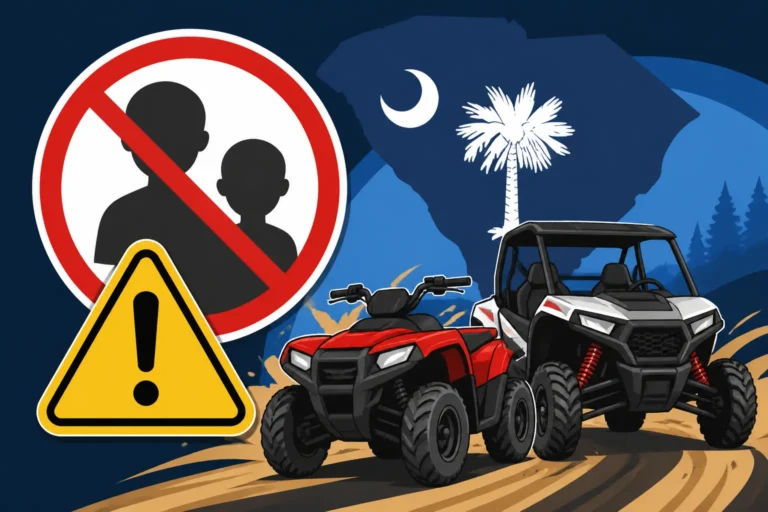
Passenger restrictions are another critical area. [South Carolina Passenger Rules Under 16] are in place to prevent dangerous situations where a young, inexperienced operator is trying to manage both the machine and a passenger. Many ATVs are designed for single riders only, and adding a passenger, especially a child, can severely impact stability and control, increasing the risk of rollovers or loss of control. Furthermore, [South Carolina Adult Accompaniment at 16 and Under] often mandates that a supervising adult must be present, and sometimes even riding alongside, for younger riders. These rules might feel restrictive, but they are born from years of accident data and a deep understanding of the unique risks associated with ATV operation, especially when multiple people are involved.
Equipment Beyond Eye Protection
While eye protection and helmets grab a lot of the spotlight, a safe ride for a young person involves much more than just these two items. South Carolina's safety guidelines, and common sense, strongly recommend a full complement of protective gear. This includes sturdy boots that cover the ankles to protect against foot injuries and provide good grip on foot pegs. Long pants and long-sleeved shirts, made from durable materials, are essential to shield skin from abrasions, scrapes, sun exposure, and impacts with branches.
Gloves are also highly recommended to protect hands, improve grip on handlebars, and reduce blisters. When looking for quality, easy-to-fit goggles, many folks turn to options from SuperATV, but they also offer a variety of other protective accessories. For those riding UTVs, especially newer street-legal models, seatbelts are mandatory, and even in off-road settings, using the vehicle's restraint system is crucial. The idea is to create a full cocoon of protection around the rider, minimizing exposed skin and vulnerable body parts. Each piece of gear works in concert to mitigate the various risks encountered on an ATV or UTV trail, ensuring that a minor is as shielded as possible from potential harm.
The "Why" Behind the Rules: Protecting Our Kids
Sometimes, understanding the "why" behind a rule can make it much easier to accept and enforce, especially with kids who might push back against wearing gear. South Carolina's laws regarding eye protection for young riders aren't arbitrary; they are rooted in a deep understanding of the types of injuries that can occur and the long-term consequences of those injuries. It's about preserving vision, preventing pain, and ensuring that a fun day on the trails doesn't turn into a tragic memory.
Understanding Common ATV/UTV Riding Hazards
When you're riding an ATV or UTV, especially on natural trails, your eyes are constantly exposed to a barrage of potential threats. Think about how quickly a branch can snap back after another rider passes, or how easily a loose rock can be flung up by a spinning tire. Dust and dirt are almost constant companions on many South Carolina trails, and they can cause irritation, blur vision, and even lead to corneal abrasions. Insects are another common nuisance, capable of causing painful stings or distracting a rider at a critical moment.
Without proper eye protection, any one of these common occurrences can lead to serious injury. A direct impact to the eye can result in lacerations, retinal damage, or even blindness. The speed and kinetic energy involved in ATV and UTV riding mean that even seemingly small objects can become dangerous projectiles. The rules are there because these aren't theoretical risks; they are everyday realities on the trail, and young riders, with their developing perception and reflexes, are particularly vulnerable.
Long-Term Vision Health
Beyond the immediate risk of injury, consistently wearing eye protection also contributes significantly to a child's long-term vision health. Just like prolonged sun exposure can damage skin, it can also harm eyes. UV radiation from the sun, especially when reflected off dusty trails or water, can contribute to conditions like cataracts and macular degeneration later in life. Good quality eye protection typically blocks 100% of harmful UVA and UVB rays, safeguarding delicate eye tissues.
Moreover, repeated exposure to dust, wind, and dry air can lead to chronic eye irritation, dry eyes, and other discomforts. By forming a protective barrier, goggles help maintain a more stable and moist environment around the eyes, reducing strain and fatigue. Teaching children to protect their eyes from a young age instills a lifelong habit of prioritizing eye health, whether they're riding an ATV, playing sports, or working in a dusty environment. It's an investment in their future vision, ensuring they can continue to see the beauty of the world for years to come.
Setting a Good Example
Finally, and perhaps most powerfully, adult riders set the tone for safety. If you, as the supervising adult, consistently wear your own helmet and eye protection, your young rider is far more likely to do the same without argument. Kids are keen observers, and they learn by watching the actions of the adults they look up to. If they see you taking shortcuts or deeming certain gear unnecessary, they'll quickly adopt that mindset.
Conversely, if safety gear is just "what we do" every time we ride, it becomes a natural and expected part of the routine. It communicates that safety isn't just about avoiding a ticket, but about respect for the sport, the machine, and one's own well-being. This consistent example is probably the most effective "rule" you can enforce, as it fosters a culture of safety that extends beyond just eye protection to all aspects of responsible riding. Lead by example, and your young rider will follow suit, making for a safer, more enjoyable experience for everyone on the trail.
Here's a quick reference table for South Carolina's youth eye protection requirements:
| Rider Age Group | Eye Protection Requirement | Helmet Requirement | Safety Certificate Required | Comments |
|---|---|---|---|---|
| Under 6 Years Old | Mandatory | Mandatory (Federal Standard) | N/A | Prohibited from operating ATVs. Eye protection required if riding as a passenger where allowed, or when engaging in related activities. |
| 6 to 15 Years Old | Mandatory | Mandatory (Federal Standard) | Yes | Must wear appropriate eye protection (goggles/face shield). Helmet must meet federal standard. Required to complete a state-approved ATV safety course. |
| 16 Years Old | Recommended | Recommended | N/A | While not strictly mandated by this specific section if operating, it's highly recommended. If riding as a passenger under 16, then eye protection is still legally required. Adult accompaniment rules still apply. |
| 17 Years Old & Over | Recommended | Recommended | N/A | Not legally mandated for operation, but highly advisable for all riders to prevent injury. |
Disclaimer
This article is for general informational purposes only and does not constitute professional advice. Laws, prices and regulations vary by location and change over time. Consult a qualified professional for guidance on your specific situation.