South Carolina’s Act Effective July 2011
Navigating the world of ATVs and UTVs in South Carolina can feel like trying to solve a puzzle with missing pieces, especially when it comes to understanding what you can and can't do on public roads. Many riders have heard whispers or confusing stories about "Chandler's Law" or other regulations, leaving them scratching their heads about everything from helmet rules to where they can legally ride. This comprehensive guide will clear up the confusion, focusing specifically on the significant impact of the South Carolina act that became effective in July 2011, commonly known as Chandler's Law, and how it shaped the landscape for ATV use in the Palmetto State.
The Foundation: South Carolina's Act Effective July 2011
When we talk about ATV rules in South Carolina, it's almost impossible not to mention the landmark legislation that dramatically reshaped how these machines are operated, especially by younger riders. This act, which went into effect in July 2011, is widely known as Chandler's Law. It was a pivotal moment for off-road safety in the state, born out of a tragic need to protect our youth.
What is Chandler's Law and Why It Matters
Before 2011, South Carolina's ATV laws were, shall we say, a bit… sparse. There weren't many clear, comprehensive rules governing who could ride an ATV, where they could ride, or what safety equipment was absolutely necessary. This lack of clear guidance, unfortunately, led to preventable accidents and injuries, particularly among children and teenagers who might not have fully understood the risks involved with operating these powerful machines. The catalyst for change was a devastating incident involving a young boy named Chandler. His tragic death on an ATV spurred lawmakers and grieving families to push for stronger legislation, ensuring that other families wouldn't have to endure the same pain. The resulting act, [South Carolina Code Section 50-26-50], was specifically crafted to establish a framework for safer ATV operation, with a strong emphasis on protecting minors. It put safety front and center, aiming to equip riders with the knowledge and gear to minimize risks. This is why you'll often hear people refer to [Why South Carolina's ATV Law Is Called Chandler's Law] – it’s a constant reminder of the human story behind the legislation.
Key Provisions of the 2011 Act
The act effective July 2011 introduced several critical provisions that every ATV owner and rider in South Carolina absolutely needs to know. At its heart, the law established age restrictions and supervision requirements, recognizing that ATVs are not toys and demand a certain level of maturity and skill. For instance, the law now strictly prohibits children under the age of 6 from operating an ATV, a direct response to the dangers of putting very young children on machines too powerful for them. Beyond that, it mandated that riders under the age of 16 complete an approved ATV safety course and carry their certification while riding. This wasn't just about passing a test; it was about instilling fundamental safety practices and awareness from a young age. The law also clarified the distinction between riding on private land, where owners have more leeway, and public lands or trails, where rules often become stricter to ensure everyone's safety and environmental protection. It's a nuanced system designed to keep everyone safe while still allowing the enjoyment of off-road riding.
Age, Supervision, and Certification Requirements for Riders
One of the most impactful changes brought by the July 2011 act was the clear delineation of who can ride an ATV and under what conditions. Gone are the days of ambiguity; now, there are specific rules based on a rider's age, whether they need supervision, and if they require a safety certificate. This structure is meant to foster a safer riding environment for everyone, particularly our younger enthusiasts.
Age-Specific Riding Rules
Chandler's Law carved out clear age categories with specific regulations for each. Let's break down these rules, because understanding them is crucial for avoiding fines and, more importantly, preventing accidents. First, and perhaps most strictly, the law states that [South Carolina Bans Riders Under 6] from operating ATVs. This is a non-negotiable rule reflecting the inherent dangers of these machines for very young children. Their motor skills, judgment, and physical size simply aren't developed enough to safely control an ATV.
For riders between the ages of 6 and 15, the rules become a bit more layered. These young riders are generally allowed to operate an ATV, but only if they are under the direct supervision of an adult who is at least 18 years old. This adult must also hold a valid driver's license. The intention here is that an experienced, responsible adult can guide and oversee the young rider, intervening if necessary and ensuring safe practices. It's not enough for the adult to just be nearby; they need to be actively supervising. Furthermore, riders in this age group are generally restricted from carrying passengers. While many ATVs are designed for single riders, the temptation to double up can be strong, but it significantly increases the risk of an accident, especially for an inexperienced operator. You'll often find [South Carolina Age Restriction Warning Labels] directly on machines, reminding everyone of these important guidelines.
Once a rider turns 16, the direct supervision requirement lessens. However, until they reach 17, [South Carolina Adult Accompaniment at 16 and Under] is still necessary in certain scenarios, particularly on public lands or trails. The general philosophy is that as riders mature, they gain more independence, but the state still wants to ensure a reasonable level of oversight during these formative years of riding experience.
The Mandatory Safety Certificate
Beyond age restrictions, the July 2011 act introduced a critical requirement for younger riders: the ATV Safety Certificate. If you're a rider aged 6 to 15, this isn't optional; it's a mandatory part of being able to legally operate an ATV in South Carolina. [The Safety Certificate Riders 15 and Under Need] serves as proof that you've received formal instruction on safe ATV operation. It's not just a piece of paper; it represents a foundational understanding of how to handle the machine, assess risks, and react responsibly in different riding situations.
To obtain this certificate, riders typically go through a two-part process. The first part often involves an online course that covers theoretical knowledge – things like proper riding posture, obstacle negotiation, environmental awareness, and the importance of protective gear. This online component lays the groundwork. The second, and arguably more crucial, part is a hands-on riding course. Here, under the guidance of certified instructors, young riders get to apply what they've learned in a controlled environment. They practice turning, stopping, climbing hills, and handling various terrain features safely. This practical experience is invaluable. [South Carolina Safety Certificate Requirements] mandate that this certificate, or proof of its completion, must be carried by the rider whenever they're operating an ATV. It's a bit like a driver's license for the off-road world, signifying that the rider has demonstrated a basic level of competence and safety awareness.
Essential Safety Equipment and Practices
The 2011 act didn't just tell you who could ride and when; it also laid down clear guidelines on what riders should wear and what their machines should be equipped with to minimize risks. Safety isn't just about skill; it's about having the right gear to protect yourself when the unexpected happens, and ensuring your machine is up to snuff.
Helmets, Eye Protection, and Other Gear
When it comes to personal protective equipment, helmets are at the top of the list, especially for younger riders. Chandler's Law specifically requires that [South Carolina Helmet Rules for Young Riders] are followed, mandating that anyone under the age of 16 must wear a helmet that meets federal safety standards when operating an ATV. This isn't just a suggestion; it's a law designed to prevent serious head injuries, which are tragically common in ATV accidents. But a helmet isn't the only piece of crucial gear. Eye protection is also vital. Whether it's goggles or a full face shield on a helmet, protecting your eyes from dust, debris, branches, and insects is essential for clear vision and preventing injury. Think about it: a momentary loss of vision can lead to a loss of control. That's why [Eye Protection Beside a Helmet] is equally important.
Beyond these legal requirements, experienced riders will tell you that long pants, long-sleeved shirts, over-the-ankle boots, and gloves are highly recommended. They offer protection from scrapes, burns, and impacts, and can make a huge difference in the severity of an injury during a fall or minor collision. For those who enjoy customizing their machines for added safety and comfort, reputable brands like SuperATV offer a wide array of accessories, from sturdy, impact-resistant doors for UTVs to innovative lighting solutions that enhance visibility on trails. While not directly mandated by the 2011 act for ATVs, these kinds of upgrades demonstrate a commitment to safety that any rider can appreciate.
Machine Requirements for Off-Road Use
It's not just the rider who needs to be properly equipped; the ATV itself has certain requirements under the law, mostly pertaining to basic operational safety. For instance, all ATVs operated in South Carolina are required to have a spark arrester. This is a crucial safety device, particularly when riding in wooded areas or national forests, because it prevents sparks from the engine's exhaust system from escaping and potentially starting a wildfire. [South Carolina Spark Arrester Requirements] are serious, and for good reason – protecting our natural environment is paramount.
Another non-negotiable safety feature is a fully functional braking system. Your ATV must have brakes that are capable of bringing the machine to a safe stop, even on an incline. This means regular maintenance and inspection of your brakes are not just good practice, but a legal necessity. [South Carolina Brake Requirements] are there to ensure you maintain control of your machine in all conditions. While the 2011 act primarily focuses on traditional ATVs, it's worth noting that for other off-road vehicles like UTVs, additional equipment like headlights and taillights become important for visibility, especially when operating near dawn or dusk, or in conditions with reduced visibility. Again, companies like SuperATV provide robust aftermarket lighting options that can significantly improve your machine's visibility and safety profile.
Where You Can and Cannot Ride Your ATV (Post-2011 Act)
One of the biggest areas of confusion and frustration for ATV owners revolves around where they can legally ride their machines. The act effective July 2011 clarified many of these questions, particularly regarding public roads, but it's still an area where misconceptions thrive. Understanding these distinctions is key to responsible riding and avoiding run-ins with law enforcement.
Public Roads and Restricted Areas
Let's get straight to the point: generally speaking, ATVs are not designed for, nor are they legally permitted on, paved public roads in South Carolina. This often surprises new riders or those visiting from states with different regulations, leading them to ask, [Can You Ride an ATV on the Road in South Carolina?]. The resounding answer, stemming from the 2011 act and existing traffic laws, is typically "no." ATVs lack many of the safety features required for on-road vehicles, such as turn signals, rearview mirrors, and DOT-approved tires, making them unsafe for sharing the road with cars and trucks. The law explicitly restricts ATV operation on any paved public highway, street, or secondary road.
However, there are very specific, limited exceptions to this rule. These exemptions are usually tied to functional, utilitarian purposes rather than recreational riding. For example, the law allows for operation on public roads for agricultural purposes, such as driving from one part of a farm to another, provided the distance is minimal and all reasonable safety precautions are taken. Similarly, some emergency or utility service personnel might be authorized to use ATVs on public roads when performing their official duties. [South Carolina Farm and Ranch Exemptions] are a crucial part of the law, acknowledging that these machines are vital tools for many in rural areas. It's important to remember that these are narrow exceptions, not loopholes for recreational road use. Operating your ATV on a public road outside of these specific exemptions can lead to significant fines and penalties.
Private Land and Permitted Access
While public roads are largely off-limits, the rules are much more flexible when it comes to private property. On your own land, or on land where you have explicit permission from the owner, you generally have much more freedom to ride your ATV. This is where the majority of ATV recreational riding happens in South Carolina. The 2011 act, while focused on safety, also recognized the importance of private property rights, granting owners the ability to set their own rules for ATV use on their land.
This means if you own a large tract of land, you can create your own trails, set your own speed limits, and determine who can ride and under what conditions, within the bounds of general public safety. The same applies if you're riding on a friend's property or a hunting lease; as long as you have the landowner's clear permission, you're usually good to go. [South Carolina Private Property Exemptions] essentially mean that many of the age, supervision, and safety certificate requirements mandated by Chandler's Law for public operation do not apply to private land. However, even on private land, common sense and a commitment to safety should always prevail. It's still wise for young riders to wear helmets and eye protection, and for everyone to ride within their skill level. Moreover, for specific activities like hunting and trapping, the law often carves out further exemptions, allowing for the use of ATVs to access remote areas or retrieve game, reinforcing the machine's role as a utility vehicle in those contexts. You can find details under [South Carolina Hunting and Trapping Exemptions].
The Rise of Street-Legal UTVs: A Separate Development
It's critical to understand that while the 2011 act largely defined the rules for traditional ATVs, the landscape for side-by-sides, or UTVs, has evolved somewhat differently in South Carolina. For years, UTVs faced similar restrictions to ATVs on public roads. However, a more recent legislative change has opened up new possibilities for UTV owners, creating a distinct class of "street-legal UTVs." This is a completely separate development from Chandler's Law, and it’s important not to confuse the two.
Distinguishing ATVs from Street-Legal UTVs
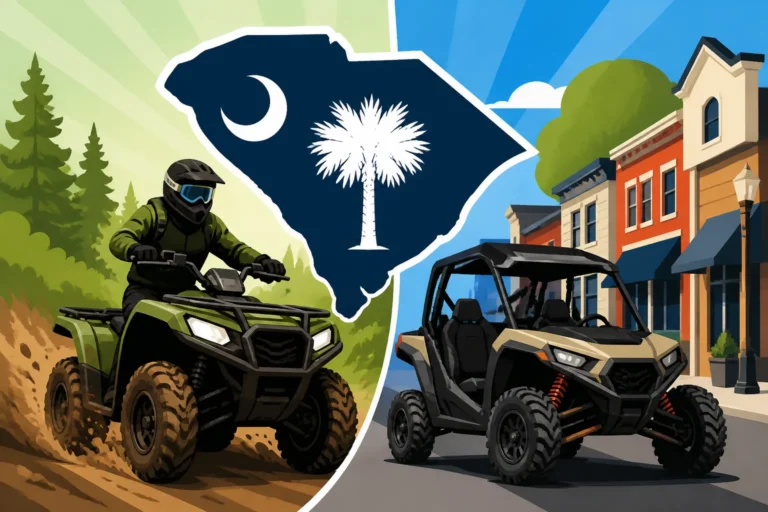
One of the biggest areas of confusion for many off-road enthusiasts in South Carolina is the difference between an ATV and a UTV, especially when discussing road legality. The 2011 act, Chandler's Law, primarily targeted All-Terrain Vehicles (ATVs) – those typically single-rider machines where you straddle the seat like a motorcycle. These machines, as we've discussed, are generally not allowed on public roads. However, Utility Terrain Vehicles (UTVs), often called side-by-sides, are a different beast entirely. They usually have a steering wheel, side-by-side seating (hence the name), and often more cargo capacity. For a long time, UTVs were lumped in with ATVs regarding road access, leading to frustration for many owners who saw their machines as capable of more. It’s also important to note that [A Low-Speed Vehicle Is Not a South Carolina UTV], further highlighting the specific categories.
The new legislation recognizes UTVs as a distinct class of vehicle, capable of being modified and equipped to meet certain on-road safety standards. This distinction is crucial because the rules that apply to a traditional ATV under the 2011 act do not automatically transfer to a street-legal UTV. The state created a separate pathway for UTVs to gain limited road access, acknowledging their different design and capabilities.
South Carolina's Street UTV Law (Post-2011 Act)
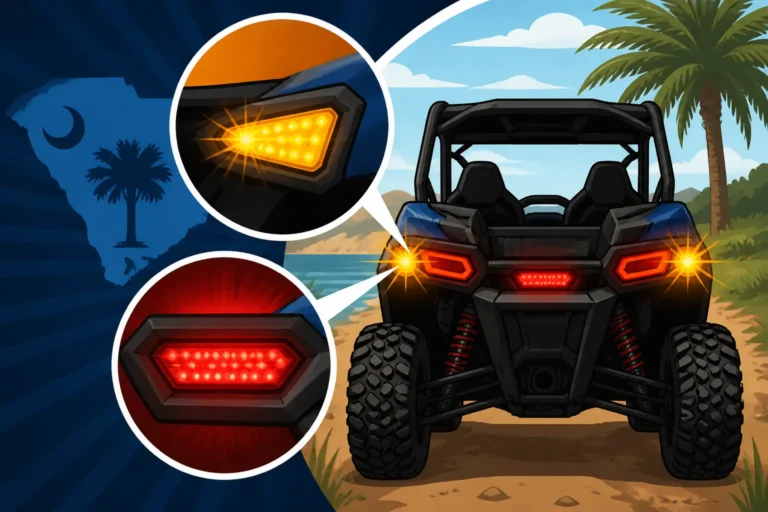
The real game-changer for UTV owners came with the passage of new legislation that allowed for the registration and titling of UTVs for limited street use. This was a much more recent development, distinct from Chandler's Law, which focused on ATV safety. [South Carolina Street-Legal UTV Registration Arrives] finally gave UTV owners a pathway to legally take their machines on certain public roads. This new law, which became [South Carolina Act 164 and Street UTVs], outlined specific requirements that UTVs must meet to be considered street-legal. These include having headlights, taillights, brake lights, turn signals, a horn, a rearview mirror, and a windshield. Many UTV owners turn to aftermarket solutions, such as those offered by SuperATV, for these essential components, ensuring their machines comply with all necessary road-legal modifications.
Once a UTV meets these equipment requirements, owners can apply for a special "street-legal UTV" registration and license plate. These plated UTVs are then permitted on secondary roads with speed limits of 55 mph or less, and generally within a 10-mile radius of the owner's registered address, though some municipalities may have their own ordinances. It's vital to note that even street-legal UTVs have specific limitations, such as [South Carolina Street UTV Road Speed Limits] and specific [South Carolina Street UTV Age of 17] and [South Carolina Street UTV License Requirements] for drivers, as well as mandatory liability [South Carolina Street UTV Insurance Rules]. These are not blanket permissions to drive anywhere; they are carefully crafted rules designed to integrate UTVs safely into the flow of traffic on appropriate roads. Keep in mind that specific dates for some provisions, like [South Carolina Street UTV Rules From November 2026], are important to track for upcoming changes.
Here's a quick comparison of the two types of machines and their general road status:
| Feature | Traditional ATV (Under 2011 Act) | Street-Legal UTV (Under Newer Laws) |
|---|---|---|
| Riding Style | Straddle seat, handlebar steering | Side-by-side seating, steering wheel |
| Road Use | Generally prohibited on public roads (few exceptions) | Permitted on certain public roads (55 mph or less, specific radius) |
| Registration | No state registration (optional titling for ownership proof) | Required state registration and special license plate |
| Insurance | Not legally required for off-road use | Legally required liability insurance for road use |
| Equipment | Spark arrester, functional brakes (as per 2011 Act) | Headlights, taillights, brake lights, turn signals, horn, mirrors, windshield, seatbelts |
| Primary Law | South Carolina's Act Effective July 2011 (Chandler's Law) | Separate legislation (e.g., Act 164), more recent |
| Age for Road | N/A (not permitted) | 17+ with valid driver's license, helmet for under 21 |
Penalties and Enforcement of the 2011 Act
Understanding the rules is one thing, but knowing the consequences of breaking them is just as important. The act effective July 2011, also known as Chandler's Law, came with teeth, establishing specific penalties for violations to ensure compliance and promote rider safety. Law enforcement takes these regulations seriously, and ignorance of the law is never a valid excuse.
What Happens if You Break the Rules
Operating an ATV in violation of the rules set forth by Chandler's Law can lead to fines and other penalties. For instance, if a law enforcement officer catches a child under 6 operating an ATV, or a rider aged 6-15 without the required safety certificate or proper adult supervision, both the rider and the adult responsible for supervision can face consequences. The penalties aren't just a slap on the wrist; [South Carolina Penalties Under Chandler's Law] generally involve monetary fines. These fines can range from $50 to $200 for each violation, which can quickly add up if multiple infractions are noted. Beyond financial penalties, there could be more serious repercussions depending on the nature of the violation, especially if it leads to an accident or injury.
For example, if a minor is found riding without the mandatory helmet or eye protection, the adult supervising them could be cited. Or, if an ATV is found operating on a public road outside of the very limited exemptions, the operator faces a citation. Law enforcement officers, whether from county sheriff's departments, state troopers, or even forest service rangers on public lands, are empowered to enforce these rules. They are vigilant about ensuring rider safety, especially when it comes to younger operators. They might ask for proof of age, safety certificates, or landowner permission, so it's always wise to have your paperwork in order.
Importance of Awareness and Compliance
The ultimate goal of the 2011 act, and indeed all ATV safety laws, isn't to punish riders but to prevent accidents and promote a culture of responsible off-road enjoyment. That's why being fully aware of these rules and consistently complying with them is so important. It protects not only yourself and those you ride with but also helps maintain access to riding areas for everyone. When riders disregard safety regulations, it often leads to calls for more restrictions, potentially limiting access for all.
Take the time to familiarize yourself and any young riders with [South Carolina Equipment Checks by Officers] and other aspects of the law. Attend a safety course yourself if you're new to the sport or just need a refresher. Ensure your machines are properly maintained and equipped with necessary safety features. If you're modifying your UTV for street-legal use, make sure you're using quality components, perhaps from a trusted source like SuperATV, to ensure durability and compliance with all regulations. By understanding and respecting the rules laid out in South Carolina's act effective July 2011 and subsequent legislation, we can all contribute to a safer, more enjoyable off-road environment for generations to come.
Disclaimer
This article is for general informational purposes only and does not constitute professional advice. Laws, prices and regulations vary by location and change over time. Consult a qualified professional for guidance on your specific situation.