Taking an Assigned Title From the Previous Owner
Buying a used ATV or UTV in South Carolina can feel like a thrilling adventure, but the moment the deal is done, the excitement can quickly turn into a pile of confusing paperwork. One of the biggest hurdles, and frankly, a common source of anxiety, is making sure you correctly handle the assigned title from the previous owner. It's easy to overlook crucial details in the rush of a private sale, and trust me, those little slips can cause major headaches down the road. This guide is here to walk you through the ins and outs of receiving and processing an assigned title, ensuring your new-to-you machine is legally and officially yours without unnecessary stress.
What Exactly is an Assigned Title and Why It Matters in South Carolina?
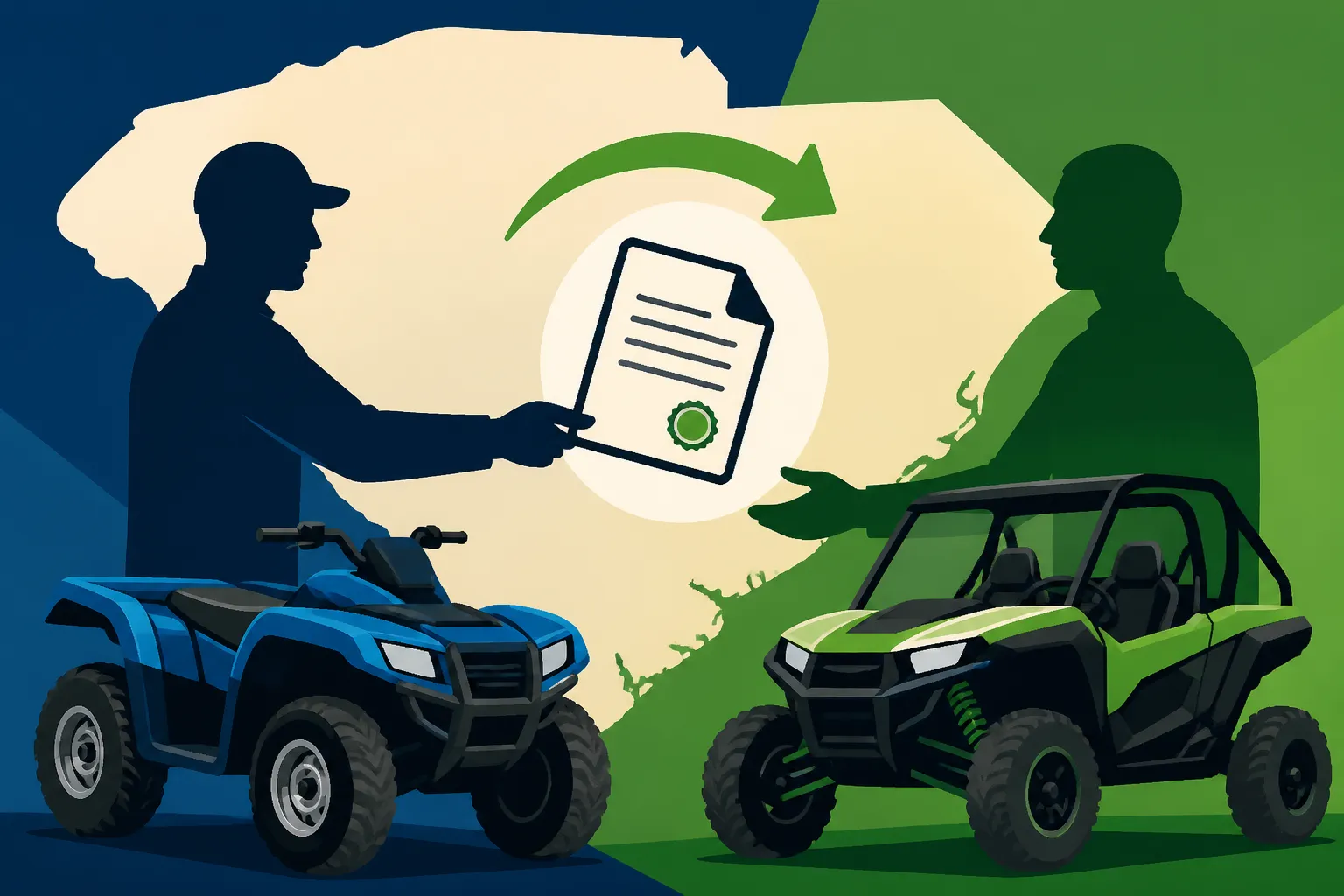
When you buy a used ATV or UTV from a private seller, you’re not typically getting a brand-new title certificate printed just for you on the spot. Instead, the previous owner transfers their ownership to you by "assigning" their existing title. Think of it like a chain of custody for your machine – each owner signs it over to the next. Understanding this process is absolutely fundamental, especially when navigating the somewhat unique titling landscape here in the Palmetto State.
Understanding the Transfer of Ownership Section
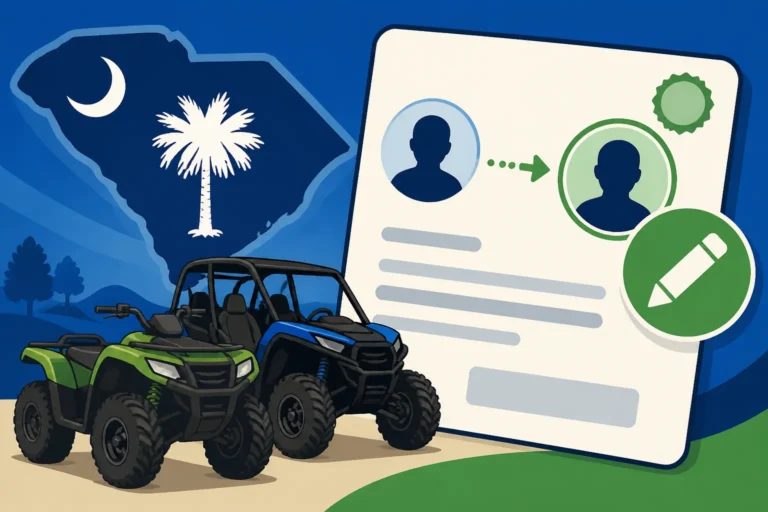
The "assigned title" refers to the original title certificate that the seller currently holds. On the back, or sometimes on a specific section, there's usually a dedicated space for the "assignment of title" or "transfer of ownership." This is where the magic happens, or where things can go terribly wrong if you're not paying attention. The seller, as the current titled owner, fills in your name and address as the new owner, the sale date, and often the purchase price. Then, they sign it. This signature is the legal declaration that they are relinquishing their ownership interest to you.
It's crucial to understand that even though [South Carolina Titles Are Optional] for off-road ATVs, having a title, and ensuring it's properly assigned, is your strongest proof of ownership. Without it, verifying the machine's history, securing financing, or even selling it down the line becomes significantly more complicated. For UTVs intended for street use, a title is mandatory, so getting this step right is non-negotiable for future registration. This section creates the official paper trail that connects you to your machine, proving it's legitimately yours and not someone else's property. Always scrutinize this section for legibility and completeness before shaking hands.
The Risks of an Improperly Assigned Title
An improperly assigned title is more than just a minor inconvenience; it can be a genuine nightmare. Imagine riding your newly purchased quad, only to find out months later that you can't get it titled in your name because the previous owner either forged a signature, left key sections blank, or made errors that invalidate the transfer. Suddenly, your exciting new toy is a giant paperweight, and you have no legal recourse if you can't track down the seller.
One common scenario involves a seller who rushes through the paperwork, perhaps in a dimly lit garage or at dusk, and either forgets to sign, uses white-out, or writes illegibly. The DMV, with its strict rules, will likely reject such a title application. Another risk is an incomplete assignment, where the purchase price or date is missing, which can raise red flags about potential fraud or tax evasion. Without a proper assignment, proving you are the legal owner becomes incredibly difficult. You might even find yourself unable to register a street-legal UTV, get insurance, or even retrieve your machine if it's impounded. Validating that assigned title is your shield against future complications, so don't let enthusiasm override diligence during this critical step.
Step-by-Step: Taking an Assigned Title from a Private Seller
The process of receiving an assigned title might seem intimidating, but by breaking it down into manageable steps, you can navigate it with confidence. It's all about being prepared and knowing what to look for during the transaction.
Before the Handshake: Verifying the Title and Seller
Before you even think about handing over cash, you need to do your due diligence. This stage is crucial for protecting yourself from potential scams and ensuring you're buying a machine with a clean history.
First and foremost, demand to see the physical title certificate in hand. Don't settle for photos or promises. Once you have it, verify the Vehicle Identification Number (VIN) printed on the title against the VIN stamped directly on the ATV or UTV itself. These numbers must match exactly. If they don't, walk away – it’s a huge red flag that the title might not belong to that machine or that the machine itself could be stolen.
Next, carefully check the seller’s identification. Does the name on their driver's license or state ID precisely match the name printed on the front of the title as the owner? If there's a discrepancy, ask for a clear explanation. Sometimes, a spouse might be selling, or the machine could be owned by a business, in which case you’d need proof of their authority to sell. If the name on the title is different from the person selling, and they don't have proper documentation (like a power of attorney or business articles), be very wary.
It's also highly advisable to check for any liens recorded on the title. A lien means there’s still money owed on the machine, and the lienholder (like a bank or credit union) has a legal claim to it. If you buy a machine with an outstanding lien, you could become responsible for that debt, or the machine could even be repossessed. Look for a section on the title noting any lienholders. If there's one listed, ensure the seller provides a lien release document from that institution. For a deeper dive, you can often check official state records yourself, though this varies by state. Reviewing [South Carolina Title and Lien Records] can offer more insight into how this works.
Finally, prepare a robust bill of sale. Even with a properly assigned title, a detailed bill of sale provides an additional layer of protection and clarity regarding the transaction. This document should include:
- The full names and addresses of both buyer and seller.
- The date of sale.
- The VIN of the machine.
- The make, model, and year of the machine.
- The agreed-upon purchase price.
- A statement that the machine is sold "as-is" (unless otherwise specified).
- Signatures of both parties.
Using a template from a reputable service like LawDepot can ensure you cover all your bases and create a legally sound document that will stand up if any disputes arise later. It’s a small investment in peace of mind.
The Assignment Process Itself
This is the moment of truth during the private sale. Once you've verified everything and are ready to proceed, the seller will complete the assignment section of their title certificate.
Here’s how it should go:
- Seller Fills Out Your Information: The seller will carefully write your full legal name and current address in the designated "Buyer" or "Transferee" section. They'll also enter the date of the sale and the purchase price. It’s a good practice to have the exact amount you’re paying written down clearly.
- Seller’s Signature: The most critical part. The seller must sign their name exactly as it appears on the front of the title in the "Seller" or "Assignor" signature block. This signature is what legally transfers ownership. Make sure it's a fresh signature, not a copy or a stamp.
- Bill of Sale Signatures: Both you and the seller should sign the detailed bill of sale that you prepared. This provides a separate record of the transaction and is invaluable, especially if you ever need to prove ownership for a machine without a title or if there's any confusion later. Services like LawDepot are fantastic for creating these essential documents swiftly.
- No Erasures or White-Out: Emphasize to the seller, and watch closely, that there should be no erasures, white-out, or alterations in the assignment section of the title. If an error is made, it's best to either have the seller apply for a duplicate title or, at minimum, have them sign an affidavit explaining the correction. DMV offices are notoriously strict about altered titles, and they will likely reject it, forcing you to go back to the seller.
- Mileage (If Applicable): While less common for off-road ATVs, some UTVs might have an odometer reading. If there's a space for mileage on the title assignment, ensure it's filled out accurately by the seller.
Once the title is properly assigned and the bill of sale signed, you’ll receive both documents. Congratulations, you’ve completed the most critical part of [Buying From a Private Seller in South Carolina]! Now, it's your turn to make it official.
After the Sale: What You Need to Do Next
With the assigned title and bill of sale in hand, your work isn't quite done. You now need to take steps to officially put the machine in your name, whether you opt for titling an ATV or are required to register a street-legal UTV.
For ATVs, while South Carolina considers titling optional, I highly recommend you complete the process. It eliminates future headaches and solidifies your ownership. For UTVs destined for public roads, titling and registration are mandatory.
Here’s your action plan:
- Gather Your Documents: You'll need the properly assigned title certificate, your bill of sale, and a completed [South Carolina Form 400 Explained]. This form is the standard application for title and/or registration in the state.
- Visit the SCDMV: Head to your local South Carolina Department of Motor Vehicles (SCDMV) office. Make sure you bring all your documents, a valid photo ID, and payment for the applicable fees.
- Submit Your Application: At the DMV, you'll present the assigned title. The clerk will review the assignment section to ensure it’s filled out correctly and completely. Any errors here could mean your application is rejected, requiring you to go back and resolve issues with the seller.
- Pay the Fees: You will need to pay the title fee, which is a fairly nominal amount. [What a South Carolina ATV Title Costs] outlines this fee. If you’re also registering a street-legal UTV, you’ll pay additional registration fees and potentially other charges. Don't forget sales tax, which is capped in South Carolina for recreational vehicles.
- Receive Your New Title: After processing, the DMV will issue a new title certificate with your name as the owner. This might be mailed to you, or in some cases, you might be able to pay an expedite fee to receive it on the spot. The process for [South Carolina Title Applications at the DMV] is fairly straightforward once you have all the correct paperwork.
By following these steps, you ensure that the machine is legally in your name, giving you full peace of mind and the ability to enjoy your rides without worry.
Common Pitfalls and How to Avoid Them
Even with the best intentions, private sales can be fraught with potential issues. Being aware of common pitfalls can help you avoid becoming another cautionary tale.
Missing Signatures or Incorrect Information
This is perhaps the most common and frustrating problem buyers face. You get home, excited about your new machine, only to realize the seller forgot to sign the title, or perhaps they wrote the wrong date, or maybe even signed in the wrong spot. While it seems like a small detail, a [A Missing Signature Can Stall Your Title] indefinitely at the DMV. They are sticklers for proper documentation because it’s their job to ensure legal ownership transfers.
Imagine this: You bought a quad from someone you met at a riding park near Whitmire. You shook hands, got the title, and drove away. A week later at the DMV in Columbia, the clerk points out the seller's signature is missing from the title assignment. Now what? You have to track down that seller, who might live hours away, or worse, has already disappeared. This often leads to a frantic scramble, begging the seller to meet you again, or paying for notary services if they're willing to cooperate remotely.
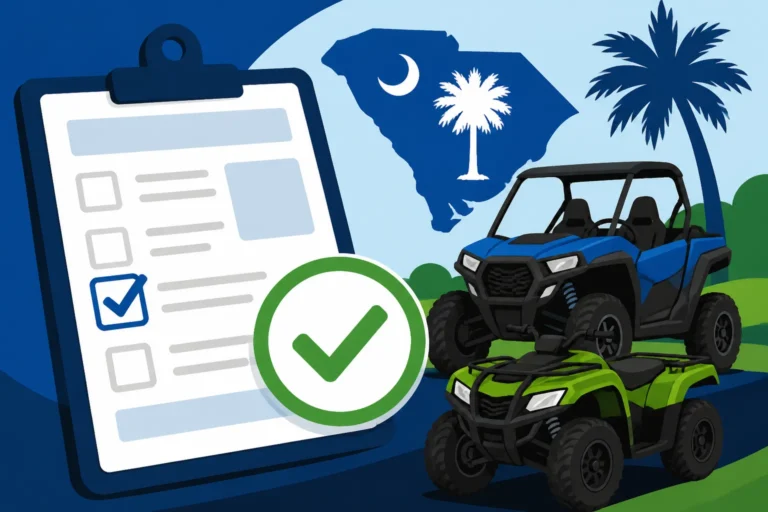
How to avoid it: During the transaction, before the seller leaves, go over every single blank on the title assignment section together. Have them fill it out in front of you. Check their signature, the date, the sale price, and your name and address. Don't be shy about asking them to slow down or correct a mistake immediately. It’s far easier to fix it on the spot than to deal with the aftermath. A comprehensive checklist (like the one below) can be invaluable.
Title Jumping and Other Scams
Title jumping is a particularly nasty scam that can leave you in a legal bind. This happens when someone buys a machine, doesn't bother to title it in their own name, and then immediately sells it to you. Instead of transferring the title to themselves and then to you, they try to "jump" the title directly from the original owner to you. This is illegal. Often, they’ll leave the seller section blank or fill in a false name, or they'll have the original owner's signature and then ask you to fill in your name in the buyer section, essentially cutting themselves out of the paper trail.
How to spot it:
- Names don't match: The name on the front of the title doesn't match the person selling the machine, and they don't have a valid reason (like a power of attorney).
- Blank spaces: The seller's information or signature block is suspiciously blank, or there's multiple blank assignments if it's an older title.
- Fresh signatures: The signature from the "previous owner" looks too fresh compared to the overall wear of the title document, especially if the current seller claims they've owned it for a while.
The danger is that you end up with a title that appears to skip an owner. The DMV will likely reject this, as it looks like you're trying to evade taxes or hide a transaction. You could also unwittingly buy a stolen machine that way. If you suspect title jumping, it's best to walk away from the deal. It's simply not worth the risk.
Again, using a formal bill of sale through a service like LawDepot can add legitimacy and create a clear record of your transaction, even if the preceding one was shady. This document will tie the person you actually bought it from to the machine, making it harder for them to deny the transaction.
When There's No Title to Assign
This is a scenario that often trips up buyers in South Carolina, particularly with older ATVs where titling was never a priority for some owners. What if the machine you want to buy doesn't have a title at all? Perhaps the previous owner lost it, never applied for one (because it was optional), or bought it from someone who also didn't have a title. [South Carolina Proof of Ownership Without a Title] can be a real headache.
For brand-new machines, the manufacturer's certificate of origin (MCO) serves as the initial "title" document. [South Carolina Requires an MCO for a New Machine] to get the first title issued. But for used machines, if there's no MCO and no prior title, you're in a tough spot.
What to do:
- Proceed with extreme caution: If there’s no title, the risk factor skyrockets. You have very little protection if the machine turns out to be stolen or if someone else later claims ownership.
- Demand a robust Bill of Sale: This is where a detailed, notarized bill of sale becomes your absolute best friend. Ensure it includes all the machine's identifying information (VIN, make, model), the full names and contact info of buyer and seller, the purchase price, and a statement from the seller asserting their ownership and right to sell the machine. LawDepot can help you craft such a document, providing crucial legal standing.
- Check the VIN: At a minimum, run the VIN through any available databases to check for theft reports. You might also want to contact your local DMV or law enforcement agency to see if they can help verify the VIN's status.
- Be prepared for hoops: If you decide to go through with buying a titled machine without a title, be prepared for a potentially lengthy and complicated process to get a title in your name. This might involve applying for a bonded title, which requires an insurance bond and can be costly and time-consuming.
My advice? If you're buying a used machine and the seller can't produce a clean, properly assigned title, consider it a major red flag. Unless the deal is unbelievably good, and you're prepared for significant potential hassle and risk, it's often best to find a different machine with clear paperwork. It might seem like a hassle, but having a clear paper trail, whether it's [What Papers to Carry on a Back Road] or what you need at the DMV, always pays off in the long run.
Here's a handy checklist to keep with you when dealing with an assigned title:
| Item | Before Meeting Seller (Verify) | During Sale (Seller Fills Out) | After Sale (Your Action) |
|---|---|---|---|
| Title Certificate | Request to see physical title, not a copy. | Ensure original title is handed over. | Keep original title in a safe place. |
| VIN Match | Verify title VIN matches machine VIN exactly. | Re-verify after title assignment. | Record VIN for your records. |
| Seller's ID & Name Match | Check seller's ID against name on title. | Confirm seller's signature matches ID. | Retain a copy of seller's ID if possible. |
| Lien Check | Look for any lienholders on title. | Obtain lien release if applicable. | Verify lien release with DMV if needed. |
| Bill of Sale | Prepare detailed bill of sale (e.g., LawDepot). | Both parties sign and date. | Keep original, provide seller a copy. |
| Buyer's Info on Title | N/A | Seller accurately writes your name & address. | Double-check accuracy. |
| Sale Date & Price on Title | N/A | Seller accurately writes date of sale & price. | Double-check accuracy. |
| Seller's Signature on Title | N/A | Seller signs legibly in designated spot. | Confirm signature is present and legible. |
| Title Alterations | Inspect title for any white-out or erasures. | Ensure no new alterations during assignment. | If alterations, do not proceed without remedy. |
| Mileage (if applicable) | N/A | Seller enters current mileage. | Confirm mileage entered. |
| DMV Visit | N/A | N/A | Go to SCDMV with all documents promptly. |
| Fees & Taxes | N/A | N/A | Pay title fee, sales tax, and registration (UTV). |
Disclaimer
This article is for general informational purposes only and does not constitute professional advice. Laws, prices and regulations vary by location and change over time. Consult a qualified professional for guidance on your specific situation.