South Carolina Dealer Paperwork at Delivery
Picking up a brand-new ATV or UTV from a dealership in South Carolina is an incredibly exciting moment, filled with the promise of future adventures on the trails or out on the farm. But as thrilling as it is to finally see your new machine, the pile of paperwork that comes with it can quickly turn that excitement into a bit of a headache. This guide is here to walk you through all the essential documents you’ll encounter when taking delivery of your new quad or side-by-side, helping you understand each piece so you can drive away with confidence and peace of mind.
The Initial Wave of Excitement and Essential Documents
The moment you walk into a dealership to pick up your new ATV or UTV, there’s an undeniable buzz. You’ve likely spent weeks, maybe months, researching models, comparing features, and perhaps even arranging financing. Now, the machine you’ve dreamed of is waiting. But before you can load it up and head home, there’s a crucial final step: the paperwork. It might seem daunting, but understanding what you’re signing and receiving is key to a smooth start with your new off-road companion.
Understanding Your Dealer's Role in Paperwork
One of the biggest advantages of buying from a licensed dealer versus a private seller is the assistance they provide with the administrative side of things. A reputable South Carolina dealer acts as an intermediary for many of the state’s requirements, saving you trips to the DMV and ensuring much of the initial legwork is handled correctly. They are typically well-versed in the specific regulations and necessary forms, which can be a huge relief. For instance, they know that for any new machine, [South Carolina Requires an MCO for a New Machine] to initiate the titling process. This piece of paper is akin to the machine's birth certificate, and the dealer is responsible for providing it or submitting it on your behalf.
Their role extends beyond just handing over documents; it includes accurately recording the sale, calculating taxes, and often even initiating the application for your title. This streamlined process is designed to make your purchase as hassle-free as possible, allowing you to focus on the joy of your new machine rather than getting bogged down in bureaucratic details. However, it's still your responsibility to review everything carefully. Don't be shy about asking questions if something on a form isn't clear or if you're unsure about a particular fee. They should be able to explain every line item, from the cost of the machine itself to any added charges.
Key Documents You'll Receive at Delivery
When you finalize your purchase, you’ll typically be presented with a stack of papers. Here's a breakdown of the most critical ones you should expect:
-
Manufacturer's Certificate of Origin (MCO/MSO): This is arguably the most important document for a new machine. The MCO, or Manufacturer’s Statement of Origin (MSO), is issued by the manufacturer and certifies that your ATV or UTV is new and has not been previously titled or registered. It contains vital information like the Vehicle Identification Number (VIN), make, model, year, and engine size. For you, the buyer, this document is absolutely essential for [Titling a New Quad With Its Origin Certificate] with the South Carolina Department of Motor Vehicles (SCDMV). Without an MCO, you cannot prove ownership to the state, and therefore, you cannot get a title. Ensure you receive the original MCO or have a clear understanding of when and how the dealer will submit it to the DMV on your behalf. Keep this document in a secure place, separate from your machine.
-
Bill of Sale/Purchase Agreement: This is your official receipt and contract of sale. It details the full purchase price of the ATV or UTV, any trade-in credit you received, the amount of sales tax paid, and any additional fees. It will also list your information, the dealer’s information, and most importantly, the VIN of the machine you are purchasing. Read this document carefully to ensure all agreed-upon terms, pricing, and specifications of your machine are accurately reflected. This document serves as primary proof of your purchase and will be crucial if there are any discrepancies later.
-
Odometer Disclosure Statement (if applicable): While more commonly associated with automobiles, if you are purchasing a used ATV or UTV from a dealer, you may receive an odometer disclosure statement. This document certifies the mileage shown on the odometer at the time of sale. For new off-road machines, this isn't typically necessary, but it's good to be aware of for future reference or if your situation is unique.
-
Warranty Information: New ATVs and UTVs usually come with a manufacturer's warranty covering defects for a specified period or mileage. At delivery, you’ll receive documents outlining the terms and conditions of this warranty, including what is covered, for how long, and how to make a claim. Familiarize yourself with these details, as they can save you significant repair costs down the line.
-
Owner's Manual: This comprehensive guide is indispensable for understanding how to operate your new machine safely and effectively. It includes information on proper break-in procedures, maintenance schedules, safety guidelines, and troubleshooting tips. Even if you're an experienced rider, always consult the owner's manual for your specific model, as features and recommendations can vary.
Navigating the Financial and Legal Fine Print
Beyond the initial excitement of getting your machine, the financial and legal aspects of the sale require careful attention. Understanding the various charges and how your dealer handles the official titling and registration process will save you potential headaches and ensure you're compliant with South Carolina law from day one.
Deciphering the Sales Agreement and Fees
The sales agreement is more than just a receipt; it’s a legally binding contract that outlines all the financial specifics of your purchase. When reviewing it, pay close attention to the breakdown of costs:
-
Sales Tax: In South Carolina, off-road vehicles like ATVs and UTVs are subject to sales tax. However, there’s good news: South Carolina has a [South Carolina's Max Tax Cap on ATVs]. This means that while the state's sales tax rate applies, there's a ceiling on how much tax you'll actually pay on a single vehicle, regardless of its purchase price. This cap can significantly reduce the overall tax burden on higher-priced machines. It’s important to understand that if you have a trade-in, its value is typically subtracted from the purchase price before the sales tax is calculated, potentially lowering your tax amount even further.
-
Dealer Fees: You might see various additional charges on your sales agreement. Common ones include:
- "Doc Fees" (Documentary Fees): These fees cover the cost of preparing and processing all the paperwork associated with your purchase, including title applications, bills of sale, and other administrative tasks. Dealers are generally allowed to charge these, but the amount can vary. Always ask for an explanation of what the [South Carolina Dealer Documentary Fees] cover.
- Freight/Destination Charges: This covers the cost of shipping the ATV or UTV from the manufacturer to the dealership.
- Setup/Assembly Charges: Dealers often charge a fee for assembling the machine, performing initial checks, and getting it ready for delivery.
- Accessories and Add-ons: Any extras you purchased, like winches, light bars, or specialized tires, will also be itemized here.
-
Financing Documents: If you’ve financed your purchase, you’ll sign a separate loan agreement with the bank, credit union, or manufacturer’s finance company. This document will detail your loan amount, interest rate, repayment schedule, and any associated fees. Make sure you understand all the terms before signing. If you're arranging a private loan or considering co-ownership, you might even consider resources like LawDepot to draft additional personal agreements, but remember, the primary financing documents come directly from your lender.
Understanding South Carolina's Titling and Registration Process from the Dealer's Perspective
One of the most valuable services a dealer often provides is handling the initial title and, for street-legal UTVs, the registration application. This means they will submit your MCO, the completed [South Carolina Title Applications at the DMV] form, and any other required documentation to the SCDMV on your behalf.
For a new off-road ATV, the dealer will typically process the title application, as titling is optional but highly recommended in South Carolina. They should clearly communicate whether they will mail the title to you directly once it's processed, or if you will need to pick it up at a DMV office. Knowing the [South Carolina Title Processing Time] is also helpful, as it can sometimes take a few weeks for the title to arrive.
If you’re purchasing a street-legal UTV, the process is slightly different because these machines must be titled and registered to be legally operated on public roads. The dealer will typically handle both the title and registration application. This is particularly relevant now that [South Carolina Street-Legal UTV Registration Arrives], making it possible to get a license plate for your side-by-side. The dealer will ensure all the necessary forms, including proof of insurance, are submitted to the SCDMV so you can receive your plate and registration. Ask your dealer if they handle [South Carolina Title Only or Registration Only], or both, for your specific machine.
What to Check Before You Drive Away
The excitement of finally getting your hands on your new ATV or UTV can make you want to rush through the final steps. However, this is precisely the time to slow down and be meticulous. A few minutes of careful review before you leave the dealership can prevent significant headaches down the road.
Verifying Accuracy and Completeness
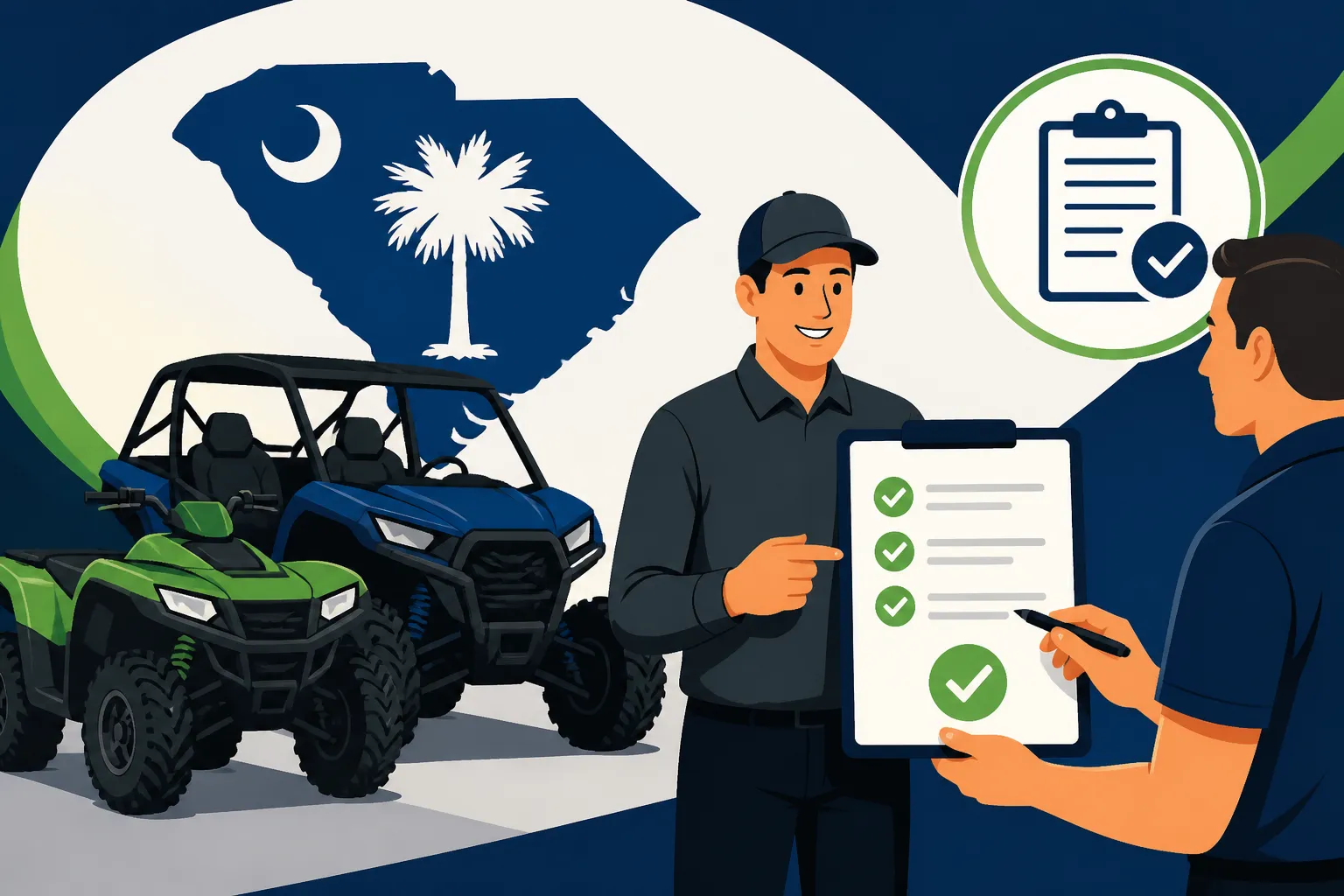
Before you sign on the dotted line or load your machine onto your trailer, take a moment to carefully review every document. This isn't just about reading; it's about verifying.
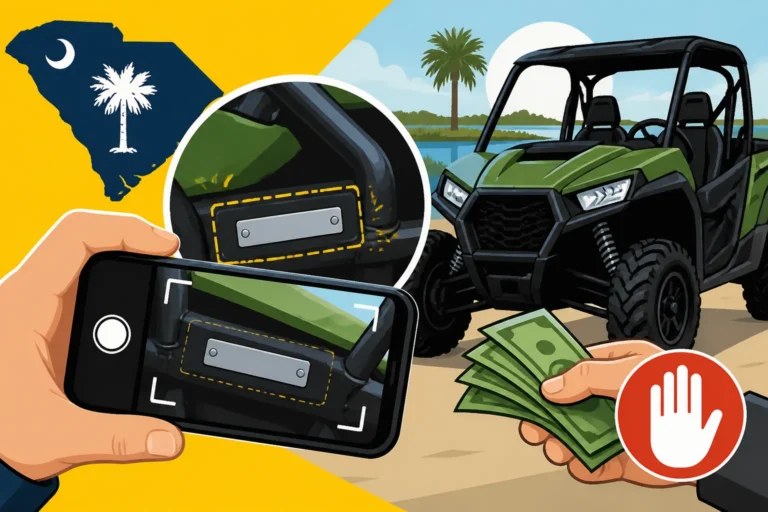
- Cross-Check VINs: Ensure the Vehicle Identification Number (VIN) on your MCO, bill of sale, and any financing documents matches the VIN stamped directly on your ATV or UTV. A mismatch here can cause major problems when you try to title the machine.
- Confirm Personal Information: Double-check your name, address, and any other contact details on all forms. Even a small typo can lead to delays or incorrect information on your title.
- Review Pricing and Fees: Compare the final price on the sales agreement to what you discussed and agreed upon. Make sure all fees are itemized and explained. If you notice any charges you don’t recognize or that weren’t discussed, ask for clarification immediately.
- Account for Accessories: If you purchased any aftermarket accessories or had specific services agreed upon (like installing a winch or special tires), ensure they are listed on the bill of sale and physically present on the machine.
- Original MCO Confirmation: Confirm with the dealer whether you are receiving the original MCO in hand, or if they will be directly submitting it to the SCDMV. If they are submitting it, get a clear timeline for when that will happen and how you will receive your title. Without the proper documentation, a [Missing Signature Can Stall Your Title], or worse, an entirely missing MCO could prevent it altogether.
Consider making a mental checklist or even a quick physical one before you sign. Remember, once you’ve signed, it can be much harder to correct errors. Taking your time now is an investment in future peace of mind and will help you avoid the frustration of having to go back and forth with the dealer or DMV later.
Your Rights and Responsibilities Post-Delivery
Once you’ve left the dealership with your new ATV or UTV, your responsibilities as the owner truly begin. The paperwork you've just received forms the foundation of your ownership.
- Safeguard Your Documents: Treat your MCO (if you have it), bill of sale, and title (once received) as extremely important documents. Store them in a secure place, like a fireproof safe or a safe deposit box, separate from where you keep your machine. These are your proof of ownership and are crucial for future sales, insurance claims, or proving legitimate possession if ever questioned. If you're working with a service like LawDepot for other personal documents, remember to keep these official vehicle papers similarly secure.
- Address Errors Promptly: If, after reviewing everything at home, you discover an error on any of the documents, contact the dealership immediately. Most reputable dealers will work with you to correct mistakes. The sooner you address it, the easier it will be to resolve.
- Understand Ownership Proof: Even if you haven't received your official title yet, your bill of sale and MCO serve as your primary [South Carolina Proof of Ownership Without a Title]. Always carry these, or at least copies, if you're transporting the machine or riding on certain properties, especially before your official title arrives.
- Titling and Registration Follow-Up: Even if the dealer initiates the titling and registration process, it's ultimately your responsibility to ensure it's completed. Keep track of any deadlines for applying for your title or registration. If you haven't received your title within a reasonable timeframe (which your dealer should communicate), follow up with the SCDMV. Understanding [Why a Buyer Wants a Title in Hand] is crucial, as it provides undeniable proof of legal ownership and is often required for financing, selling, or even some insurance policies.
By understanding the paperwork process at delivery, you can ensure a smooth transition from buyer to proud owner. With your documents in order and your new machine ready, you’re all set to hit the trails or tackle those chores with confidence!
| Document Type | Purpose | Key Information to Verify |
|---|---|---|
| MCO/MSO | Manufacturer's certification of origin; essential for titling. | VIN, Make, Model, Year, Engine Size. |
| Bill of Sale/Agreement | Official contract of sale; outlines transaction details. | Buyer/Seller Info, VIN, Purchase Price, Trade-in Value, Taxes, Fees, Agreed-upon Terms. |
| Loan Agreement | Details financing terms if applicable. | Loan Amount, Interest Rate, Repayment Schedule, Lender Info. |
| Warranty Information | Explains manufacturer's coverage for defects. | Coverage Period, What's Covered/Not Covered, Claim Process. |
| Owner's Manual | Guide for safe operation, maintenance, and features. | Correct Model Year, Any special instructions for your specific machine. |
| Title/Reg. Application | Forms submitted to SCDMV for legal ownership/road use. | Your Name/Address, VIN, Taxes Paid (if applicable), Selected Options (e.g., [South Carolina Title Only or Registration Only]). |
Disclaimer
This article is for general informational purposes only and does not constitute professional advice. Laws, prices and regulations vary by location and change over time. Consult a qualified professional for guidance on your specific situation.