South Carolina Private Park Alcohol Rules
A day at a South Carolina ATV park can include riding, camping, and time around the fire—but alcohol rules are not the same at every property. The park may restrict where you can drink, what you can bring, or when quiet hours begin. The safest plan is to confirm the written rules before arrival and keep anyone who has been drinking off the machines.
Private park rules depend on the property
South Carolina does not have one alcohol policy that applies to every private ATV or off-road park. Each property can set its own entry conditions and rules for riding areas, campsites, events, and other shared spaces. A park may allow alcohol in a designated campsite but prohibit it on the trails, in staging areas, or at the riding facilities. Another may ban it throughout the property.
That difference matters because a park pass is permission to use the property under the operator’s conditions, not permission to ignore them. Staff may refuse entry, stop a ride, or require a visitor to leave if the visitor breaks a posted policy. What happens after a violation depends on the park’s rules and the circumstances.
Do not assume that a familiar policy applies at another park, or that a rule you heard from a friend is still current. Before you load the trailer, check the park’s own information and ask directly if anything is unclear. South Carolina Private Park Passes and Rules provides broader context on why private properties set their own conditions.
| Question to confirm | Why it matters |
|---|---|
| Is alcohol allowed anywhere on the property? | Some parks prohibit it entirely; others may limit it to certain areas. |
| Are outside drinks permitted? | A property may restrict outside beverages or glass containers. |
| Can alcohol be taken to campsites? | Camping rules may differ from trail and day-use rules. |
| Are there event-specific restrictions? | A group ride, race, or special event can have different conditions. |
| What happens if a visitor breaks the policy? | Knowing the response helps your group avoid a preventable dispute. |
| When do quiet hours begin? | Drinking and socializing may be subject to campsite noise rules. |
Look for rules on the park’s official website, reservation confirmation, waiver, or entrance signage. If the wording is broad—such as “no alcohol while riding”—ask whether that means only while operating a machine or also in the trail system and staging area. Get a clear answer from staff rather than interpreting the phrase in the most permissive way.
A park’s policies can also cover more than drinking. A container allowed at a campsite may not be allowed in a riding area. Glass may be prohibited because it can break where tires, feet, or animals pass. Some properties may restrict coolers, prohibit outside beverages, or set limits during organized events. Check the whole policy, not just the line that mentions alcohol.
If you are choosing where to ride, compare facilities and rules together. South Carolina ATV Trails: Where to Ride can help with the broader decision, while [South Carolina Private Park Camping Rules] is useful when your plans include an overnight stay.
Alcohol and operating an ATV or UTV
The simplest and safest rule for a riding day is that anyone operating an ATV or UTV should remain sober. Alcohol can affect balance, judgment, reaction time, coordination, and the ability to read changing trail conditions. Those effects can be especially serious on narrow trails, steep terrain, muddy ground, or routes with other riders and vehicles.
A private property setting does not make impaired riding a safe choice. Park permission and state law are separate questions, and the legal treatment of a particular incident can depend on the location, the machine, and what happened. Do not rely on a general assumption that a private trail is outside all traffic or safety laws. For a closer look at the legal issues, see South Carolina DUI Law and Off-Road Machines.
Even if alcohol is allowed at a campsite, that does not mean it is permitted while riding or that it is safe to ride afterward. A person who has been drinking should not drive a machine back to the campground, move it around a staging area, or take a “short” trip along a trail. A slow speed or familiar route does not remove the risk.
Set the group’s plan before anyone opens a drink:
- Choose the people who will operate machines, and make clear they will not drink until riding is finished for the day.
- Arrange a sober person to move machines if they must be relocated.
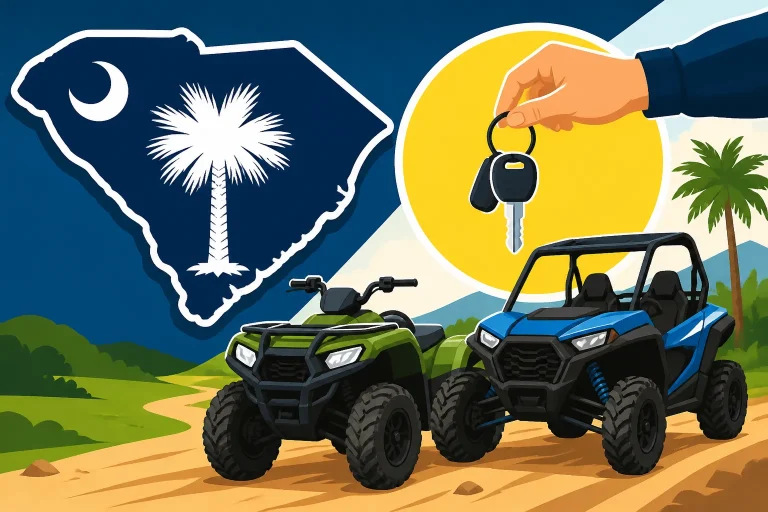
- Keep keys controlled if there is a risk that someone may decide to ride after drinking.
- If anyone has been drinking, leave the machine parked and use a sober person or another safe arrangement for transportation.
- Follow the park’s instructions if staff raise a safety concern or ask your group to stop riding.
Do not count on someone else in the group to judge whether a rider is “fine.” Alcohol affects people differently, and riders may underestimate its effect on their own coordination and decisions. The practical standard should be simple: no alcohol for machine operators until the riding is over, and no riding after drinking.
Consider the whole riding group, too. A passenger can be put at risk by an impaired operator, and children may be nearby in the campground or at the trailhead. Keep drinks separate from helmets, keys, and pre-ride routines so there is no confusion about who is expected to ride. The park’s specific South Carolina Private Park Helmet Rules and passenger policies still apply whether or not alcohol is allowed elsewhere on the property.
Campsites, quiet hours, and group plans
When a park allows alcohol in some circumstances, the allowed location and time may be just as important as the drink itself. The policy could distinguish among the trail system, a day-use area, a campsite, and a cabin or other lodging. Do not assume permission in one area extends to the rest of the property.
Campsite rules can also regulate noise, guests, fires, glass, and the use of shared facilities. A group that plans to socialize after riding should check these conditions before choosing a campsite or inviting additional visitors. [South Carolina Private Park Quiet Hours] and the park’s camping information can help you identify questions to ask before booking.
For a group outing, make one person responsible for confirming the rules and sharing them with everyone attending. That person should check the policy for the actual date of the visit, especially if the park is hosting a special event. Send the instructions to the group in writing so expectations are clear before anyone arrives.
A few practical steps can prevent confusion:
- Keep any permitted alcohol in the area where the park allows it.
- Use only containers the property permits, and avoid glass if the rules ban it or are unclear.
- Do not bring drinks into a staging area, trail, or event zone unless the park has confirmed they are allowed there.
- Respect quiet hours and campsite boundaries.
- Do not leave open containers, litter, or broken glass behind.
- Make sure a sober person is available to deal with a problem or contact park staff.
If a group member violates a rule, do not argue with staff or assume the restriction can be negotiated on the spot. Stop the activity, follow the park’s direction, and ask for clarification calmly. A park may enforce its conditions by ending access or asking a visitor to leave; the precise process is up to the property and its policies.
Alcohol plans should never be used to excuse unsafe conduct. If a rider becomes unsteady, aggressive, or unable to follow instructions, keep them away from machines and alert park staff if there is an immediate safety concern. Do not put another guest in the position of trying to manage an impaired rider alone.
What to verify before you arrive
Before departure, confirm the alcohol policy with the park directly, especially if you are staying overnight or attending an organized ride. Ask about both consumption and possession: a rule may allow one but restrict the other. Also ask whether policy differs by area or changes during special events.
Use this checklist:
- Where is alcohol allowed? Ask about trails, staging areas, campsites, cabins, and shared spaces separately.
- Can visitors bring their own? Confirm whether outside beverages are permitted.
- Are containers restricted? Ask about glass, cans, coolers, and open containers.
- Do event rules differ? Check whether a race or group event has stricter conditions.
- What are the campsite expectations? Confirm quiet hours, guest limits, and cleanup requirements.
- Who will stay sober? Identify operators before the group begins drinking.
- What is the plan if someone drinks? Make sure that person will not operate or move a machine.
- Where can you find the policy? Save the park’s written rules or reservation information for reference.
If you cannot get a clear answer, take the conservative approach: do not bring or consume alcohol on the property, and contact the park again before making plans that depend on it. The park’s current written instructions are more reliable than an old social media post, an outdated review, or another visitor’s recollection.
A good outing does not depend on drinking. If the property allows it, follow the boundaries exactly and keep alcohol well away from machine operation. If the rules prohibit it, leave it at home. Either way, a sober operator and a group that understands the park’s conditions make the day safer and easier for everyone.
Disclaimer
This article is for general informational purposes only and does not constitute professional advice. Laws, prices and regulations vary by location and change over time. Consult a qualified professional for guidance on your specific situation.