Replacing Your Golf Cart Decal Every Five Years
It's easy to lose track of little things, especially when you're busy enjoying life here in the beautiful Palmetto State. One of those things that can sometimes slip your mind is keeping your golf cart's decal up to date, which is crucial for legal street use. You might think, "I just got this thing, surely it's good for a while longer!" only to realize that little sticker on your cart has an expiration date staring back at you. This guide is all about demystifying that five-year decal cycle, helping you understand why it's there, what you need to do to stay legal, and how to avoid those frustrating last-minute rushes or, worse, a friendly chat with a local officer about an expired sticker.
Understanding the South Carolina Golf Cart Decal Cycle
When you get a golf cart permit in South Carolina, you don't just get a piece of paper; you also receive a decal that signifies your cart is street-legal for certain uses. It's not just a pretty sticker; it's tangible proof that you've met the state's requirements. This decal, much like your driver's license or vehicle registration, has a lifespan, and in South Carolina, for golf carts, that lifespan is typically five years.
Why Five Years for a Golf Cart Decal?
The five-year cycle for golf cart decals in South Carolina serves a few important purposes for the state and for you, the golf cart owner. Firstly, it's a way for the South Carolina Department of Motor Vehicles (SCDMV) to periodically confirm that the golf cart is still in active use and that the owner's information is current. Think about it: over five years, people move, carts change hands, and sometimes, a cart might even be retired. This regular check-in helps maintain accurate records. It's not just about collecting a fee; it's about administrative efficiency and public safety. If a cart is involved in an incident, having up-to-date owner information is paramount.
Secondly, it prompts owners to review the regulations that apply to golf carts. Over time, laws can change, as we've seen with other vehicle types, and a mandatory renewal period ensures that owners are at least interacting with the system every few years. This helps keep everyone on the same page regarding important aspects like [South Carolina Golf Cart Road Rules] or designated operating hours. It's a gentle nudge to ensure your permit is still aligned with where you live and how you use your cart, especially if you've moved since your last renewal. A move to a new town, for example, might mean needing to understand new local ordinances regarding golf cart use, even if the state rules remain the same.
The Decal and Your Golf Cart Permit
It's crucial to understand that the decal isn't a standalone item; it's intrinsically linked to your golf cart permit. When we talk about "replacing your golf cart decal," we're really talking about renewing your entire [South Carolina Golf Cart Permit Renewal]. The decal is the visual representation that your permit is current. If your decal is expired, it means your permit is expired, and that means your golf cart isn't legal for street use. This is a common point of confusion for folks who might think they just need a new sticker. No, the sticker comes with the updated permit.
The permit itself allows you to operate your golf cart on secondary roads or streets within four miles of your home, business, or the entrance to a gated community. This radius is very specific, and any travel beyond it, or on roads with speed limits exceeding 35 mph, is generally prohibited. This includes traveling to the beach access, the grocery store, or a friend's house nearby. Knowing the limits of your permit is just as important as having a current decal. You'll find that these rules are clearly outlined when you apply for your permit and understanding them helps avoid any misunderstandings with law enforcement.
The Steps to Renewing Your South Carolina Golf Cart Permit and Decal
Renewing your golf cart permit and getting that fresh new decal might seem like a chore, but honestly, the SCDMV has made the process fairly straightforward. It's all about having the right documents and knowing what to expect.
Gathering Your Required Documents
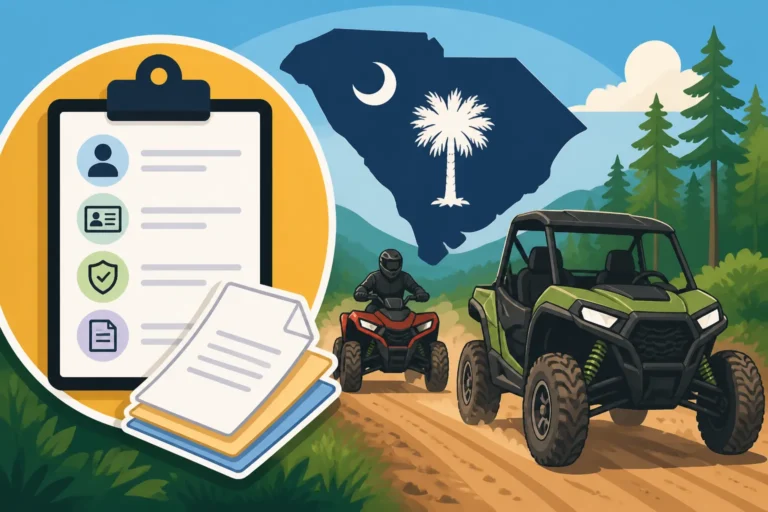
Before you even think about heading to the SCDMV office, take a moment to collect your paperwork. This is where most people get tripped up or have to make a second trip, and nobody wants that! You'll need a few key items:
- Your current or expired golf cart permit: If you still have it, bring it along. It makes the process smoother as your existing information is readily available.
- Proof of ownership: This is typically your bill of sale. If you've owned your golf cart for a long time and can't find the original bill of sale, don't panic. Sometimes a registration card from another state (if you're a new resident) or a property tax receipt can serve as proof. If you're in a bind and need to formalize your proof of ownership, services like LawDepot can help you generate documents like a bill of sale or an affidavit of ownership if you're struggling to locate original paperwork. This can be particularly useful if the cart was gifted to you or purchased in an informal sale without proper documentation at the time.
- Proof of residency: Your South Carolina driver's license or ID card will usually suffice. Make sure the address on it is current. If you've recently experienced [Moving House Means a New Cart Decal], you'll want to make sure your address is updated with the SCDMV first.
- Insurance information: While not always required for the permit itself, it's a good idea to have proof of liability insurance. Some municipalities or HOAs might require it for certain uses, and having it can protect you.
- The renewal fee: There's a small fee associated with renewing your golf cart permit. While I can't give you exact numbers, know that it's a very modest amount, especially when compared to other vehicle registrations. For context, you can look up [South Carolina Golf Cart Permit Fees] on the SCDMV website for the most current figures. It's usually a flat fee that covers the administrative costs.
It's a good practice to put all these documents in a folder so they're ready to go when you are. Double-checking ensures you won't be sent home empty-handed.
The Renewal Process at the SCDMV
Once you have all your documents in hand, you have two primary options for renewal: visiting a local SCDMV office in person or renewing by mail. While mail might seem convenient, many people prefer the in-person option for golf cart permits, especially if they have any questions or want the decal immediately.
In-Person Renewal:
Head to your nearest SCDMV branch. You'll fill out an application form for the golf cart permit renewal. This form will ask for basic information about you and your golf cart, including its make, model, year, and vehicle identification number (VIN). If you're unsure where to find your VIN, check the frame, usually near the front wheels, or sometimes under the seat. The staff will review your documents, process your payment, and if everything is in order, they'll issue you a new permit and a fresh decal on the spot. It's usually a quick and painless process, often taking less time than renewing a standard vehicle registration.
Renewal by Mail:
If you choose to renew by mail, you'll need to download the appropriate form from the SCDMV website. Fill it out completely, attach copies of your supporting documents (never send originals unless specifically requested and you've made copies for your records), and include a check or money order for the renewal fee. Mail it to the address provided on the form. The downside here is the wait time. It can take a few weeks for them to process your request and mail your new permit and decal back to you. This is why many people opt for the in-person visit if their decal is already expired or nearing expiration. Always plan ahead if using the mail option.
No matter how you choose to renew, the key is to ensure your permit remains current. An expired decal can lead to a citation, and nobody wants that hassle.
What to Do If Your Decal is Lost, Stolen, or Damaged
Life happens, right? Sometimes, despite our best efforts, that little golf cart decal can go missing, get damaged, or worse, be stolen. It's a bummer, but it's not the end of the world. Just like replacing a lost driver's license, there's a process to get a new one.
Reporting and Replacing a Missing Decal
If your decal is lost or stolen, the first step is often to report it to your local law enforcement agency. While not always strictly mandatory for a golf cart decal, it's a good idea, especially if you suspect theft. Having a police report can protect you if the decal is somehow misused. Once reported, or if it's simply lost, you'll need to head to the SCDMV to apply for a replacement.
The process for getting a replacement decal is very similar to a renewal. You'll fill out a form, provide proof of ownership (your bill of sale is key here, or an affidavit of ownership that you might have prepared through services like LawDepot if your original paperwork is scarce), and pay a small fee for the replacement. It's often the same fee as a renewal, as they are essentially re-issuing a new permit with a new decal number. Think of it as getting a duplicate of your existing permit, just with a fresh sticker. They want to ensure that the replacement isn't just a workaround for an expired permit, so they'll verify your current permit status.
Dealing with a Damaged Decal
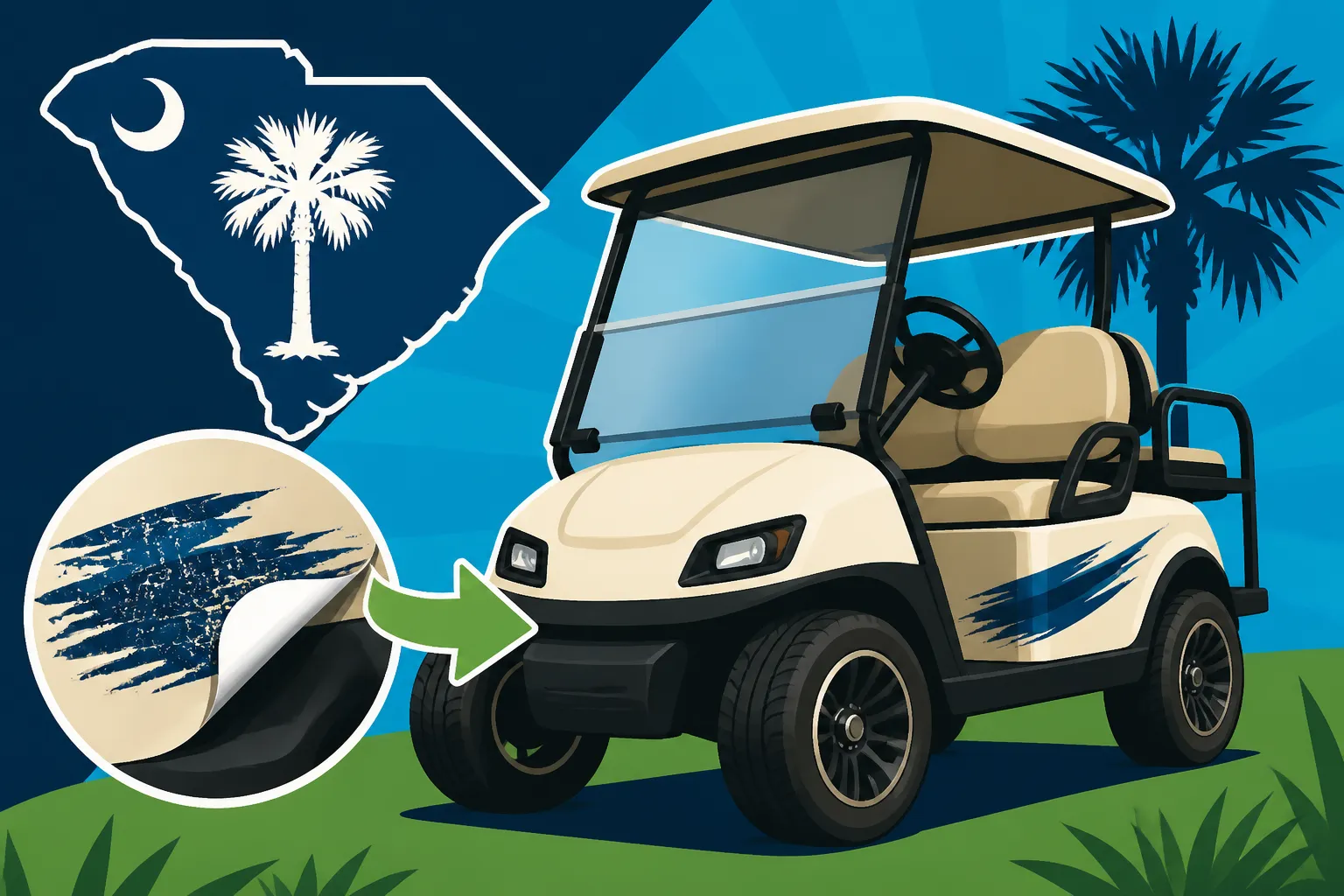
Sometimes your decal isn't missing, but it's just seen better days. Maybe it's peeling, faded, or torn after years of sun and rain. A damaged decal can be just as problematic as a missing one because it might not be legible to law enforcement, leading to questions or even a stop. In such cases, you also need to apply for a replacement.
You'll follow the same steps as a lost or stolen decal: visit the SCDMV, fill out the necessary form, present your proof of ownership, and pay the replacement fee. It's advisable to bring the damaged decal with you, if possible, even if it's just bits and pieces. This shows you're legitimately seeking a replacement and not trying to avoid renewal. The SCDMV staff will typically have you remove the old decal before affixing the new one, ensuring there's only one valid decal displayed. This attention to detail helps maintain the integrity of the permitting system.
Common Pitfalls and How to Avoid Them
Even with a seemingly simple process like renewing a golf cart decal, there are always a few common mistakes people make. Knowing what these are can save you a headache, time, and potentially some money.
Forgetting the Five-Year Mark
This is probably the most common pitfall. Five years can fly by! Many golf cart owners simply forget when their decal is due for renewal until they happen to notice it's expired, or a friendly neighbor or officer points it out. The SCDMV typically does not send out renewal notices for golf cart permits, so the onus is entirely on you to remember.
Solution: Mark your calendar! As soon as you get your new decal, make a note in your phone, on a physical calendar, or set a recurring reminder for four years and nine months from the issue date. This gives you a three-month buffer to gather your documents and complete the renewal process without stress. Also, periodically checking the decal itself, perhaps when you wash your golf cart, is a good habit. The expiration date is printed right on it. This small habit can prevent a major oversight.
Incorrect or Missing Paperwork
Showing up at the SCDMV without all the necessary documents is a surefire way to waste your time. You'll be sent home to get what you need, delaying your renewal. Missing a bill of sale, especially for an older cart bought informally, is a frequent issue.
Solution: Create a dedicated "golf cart documents" folder. Keep your permit, bill of sale, and any other relevant paperwork like insurance cards in it. Before you head to the DMV, use a checklist (you can even create one based on this guide!) to ensure you have everything. If your original bill of sale is truly gone, explore options like drafting an affidavit of ownership. As mentioned, services like LawDepot can assist with creating legally sound documents that might be accepted by the SCDMV as supplementary proof of ownership, especially if you're dealing with a cart that's been in the family for ages. It's much better to come prepared with too much documentation than too little.
Riding with an Expired Decal
While it might seem minor, riding your golf cart on public roads with an expired decal is illegal in South Carolina. Law enforcement officers can and do issue citations for this. The penalties typically involve a fine, which can quickly add up to more than the actual renewal fee. This is a situation where being caught unprepared can be costly.
Solution: Do not operate your golf cart on public streets or roads if your decal is expired. Period. If you realize it's expired, get it renewed before your next joyride. If you need to transport it for repair or storage, use a trailer. The fines for an expired permit can range from small to significant, depending on local ordinances and the discretion of the officer. It’s always cheaper and less stressful to renew than to face a ticket. Think of it as a small cost of admission to enjoy the convenience of your golf cart on those beautiful South Carolina secondary roads. For more on what that permit allows, check out [What a $5 Golf Cart Permit Allows].
Moving and Forgetting to Update Your Address
If you've recently moved within South Carolina, even just across town, and your golf cart permit is tied to your old address, you'll need to update it. While not directly about the decal's expiration, an incorrect address on your permit can create issues during a traffic stop or if the SCDMV needs to contact you. An outdated address can also cause issues if you're trying to prove you're within your [South Carolina Cart Rules 4 Miles From Home] radius.
Solution: When you move, update your address with the SCDMV for all your vehicles and your driver's license. This will also update your golf cart permit information. It's a comprehensive approach that ensures all your official documents reflect your current residence. Sometimes, updating your address may even necessitate a new decal if the address is physically printed on the decal itself, or if a new permit and decal are issued to reflect the change. Always confirm with the SCDMV if a new decal is needed after an address change.
Keeping your golf cart decal current in South Carolina is a straightforward process when you know the steps and avoid common pitfalls. It's all about staying organized, marking your calendar, and understanding that the decal is a vital part of your legal golf cart operation. Enjoy those scenic rides through your neighborhood, knowing you're fully compliant with state regulations!
Disclaimer
This article is for general informational purposes only and does not constitute professional advice. Laws, prices and regulations vary by location and change over time. Consult a qualified professional for guidance on your specific situation.