Getting Written Permission From a Timber Landowner
It can be incredibly frustrating to see vast stretches of timberland in South Carolina, knowing they could offer some incredible riding experiences, but feeling like an outsider looking in. The dream of exploring those quiet, winding trails on your ATV or UTV often clashes with the reality of private property laws and the big question: how do you even begin to get permission? This guide is here to cut through that confusion, walking you step-by-step through the process of respectfully approaching timber landowners and securing that all-important written permission for your off-road adventures.
Why Written Permission for Timber Land is Non-Negotiable
Riding on someone else's private property without explicit permission isn't just a minor faux pas; it carries significant legal risks in South Carolina. Timber companies and private landowners often have large tracts of land, and while they might seem remote and open, they are meticulously managed and protected. Understanding why written permission is so crucial is the first step toward responsible and enjoyable riding.
The Legal Landscape: Trespass Laws and Penalties
South Carolina takes private property rights very seriously, and its trespass laws are designed to protect landowners from unauthorized entry and activity. If you're caught riding your ATV or UTV on timberland without permission, you could face hefty fines, have your machine impounded, and even potentially face criminal charges. It's not just a slap on the wrist; it can be a costly and embarrassing experience that could follow you for a long time. These lands are often marked with "No Trespassing" signs, but even unmarked private land is protected. Don't assume that because there isn't a fence or a gate, the land is fair game.
Furthermore, a verbal agreement, while sometimes seemingly sufficient in casual settings, offers very little protection in a court of law. If a deputy shows up, and the landowner denies giving you permission, or if there's a misunderstanding about the scope of that permission, you'll have no proof to back your claim. This is where written permission becomes your shield, clearly outlining what you can and cannot do. You can find more specific details on these regulations by looking into [South Carolina Trespass Law for Riders].
Protecting Yourself and the Landowner
Written permission isn't just about avoiding legal trouble; it's also about fostering a relationship built on trust and mutual understanding. For you, the rider, it means clarity. You know exactly where you can ride, what hours you're allowed, and any specific rules that apply. This eliminates guesswork and allows you to ride with peace of mind, knowing you're not breaking any rules.
For the landowner, it's about control and liability. Timber companies, in particular, have strict operational schedules, ongoing logging activities, and environmental regulations to uphold. Having unauthorized vehicles on their property can pose safety risks to their workers and potential damage to their operations or sensitive ecosystems. A written agreement clarifies that you understand and accept the terms, often including a clause that releases them from liability should an accident occur. It also allows them to demonstrate to their insurance provider or corporate oversight that they are managing access to their property responsibly. Ignoring these concerns can lead to landowners putting up [Locked Gates on a Private Timber Road], blocking access for everyone.
Identifying and Approaching Timber Landowners
So, you've got your eye on a promising tract of timberland. The next hurdle is figuring out who owns it and how to make that crucial first contact. This stage requires a bit of detective work and a whole lot of respect.
Researching Property Ownership
Before you even think about approaching someone, you need to know who to approach. The most reliable way to identify timberland owners is through your county's public records, often accessible online via the tax assessor's or GIS (Geographic Information System) mapping office. These online portals allow you to zoom in on specific parcels of land and typically show the property owner's name, mailing address, and the parcel's legal description. Look for large tracts that are clearly zoned or designated as timberland.
It’s important to be as precise as possible. Jot down the parcel number, acreage, and any other identifying information. If you're having trouble online, a visit to the county courthouse or tax assessor's office can provide the same information, and sometimes even more detailed plat maps. Remember, these landowners aren't likely waiting by the phone for cold calls, so gathering solid information upfront is key to a professional approach.
Crafting Your Initial Approach
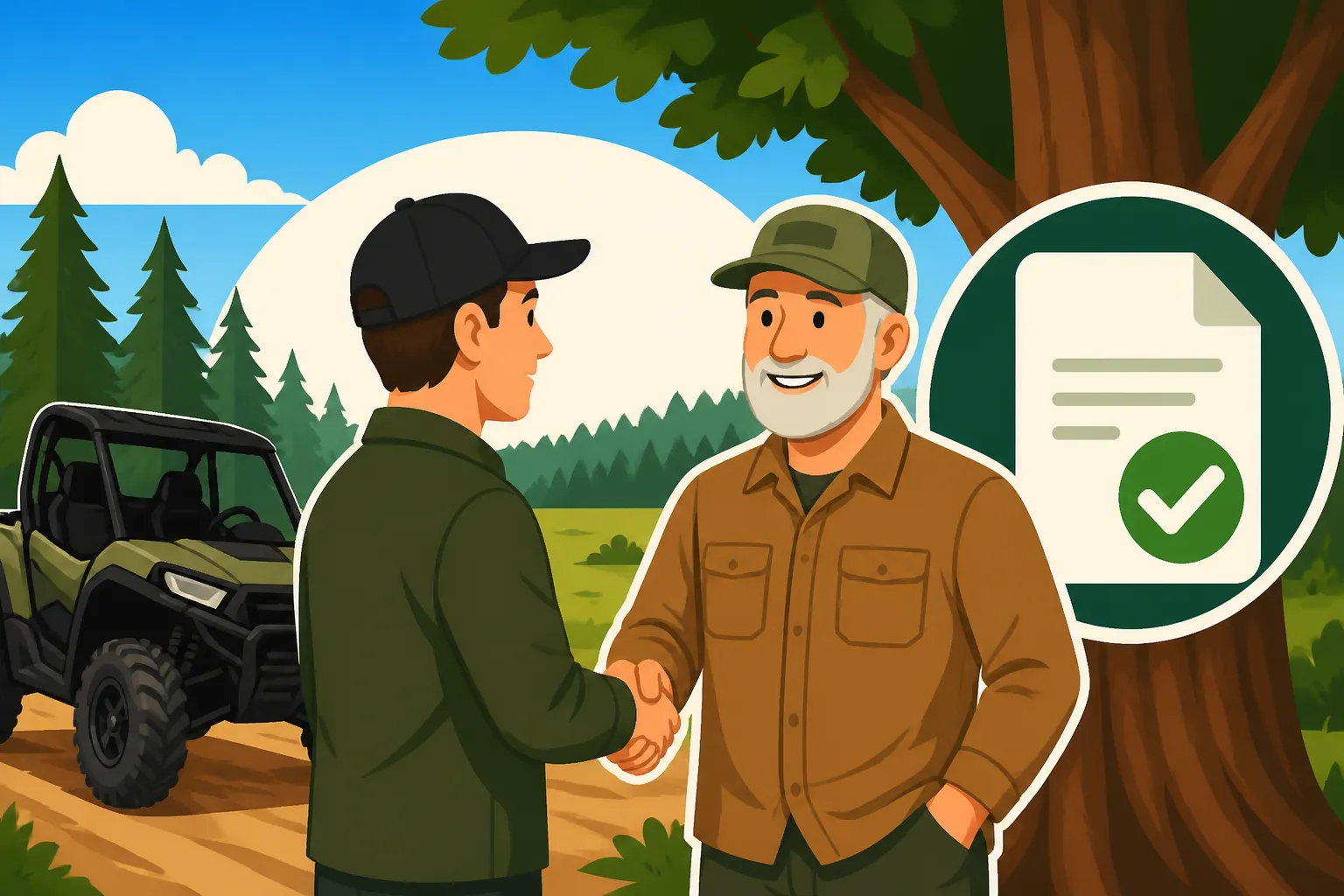
Once you have the landowner's contact information, resist the urge to just show up at their door. A well-crafted, respectful letter or email is usually the best first step. Introduce yourself, explain that you're an ATV/UTV enthusiast looking for private land to ride, and state clearly which specific parcel of land you're interested in. Emphasize your commitment to responsible riding and your understanding of private property rights.
Be prepared for rejection, or even no response at all. Landowners, especially large timber companies, receive many such requests, and they often have blanket policies against granting recreational access due to liability concerns, ongoing operations, or simply the sheer volume of requests. Don't take it personally. If you don't hear back within a reasonable timeframe (say, a few weeks), a polite follow-up email or letter might be appropriate, but avoid being persistent to the point of annoyance.
What to Offer or Discuss
When you do make contact, whether by phone or in person, be ready to discuss what's in it for them. While many landowners won't need anything in return, some might be open to mutually beneficial arrangements. For instance, you could offer to:
- Report Issues: Be their eyes and ears on the ground, reporting things like fallen trees, illegal dumping, boundary fence damage, or signs of unauthorized activity.
- Help with Maintenance: Offer to assist with light trail clearing, maintaining fire breaks, or checking on remote sections of their property.
- Share Knowledge: If you have specialized equipment or skills, you might be able to offer assistance with specific tasks on their land.
It's also crucial to discuss liability and your own insurance. Be upfront about carrying ATV/UTV insurance and offer to provide proof. Some landowners may require you to sign a formal liability waiver, or even ask you to carry a specific type of rider's insurance policy. This is also where high-quality aftermarket parts from companies like SuperATV come into play. Showing that you maintain your machine with durable, reliable components demonstrates a commitment to safety and preventing breakdowns that could cause issues on their property. Being a responsible rider is about more than just what's in your wallet; it's about how you approach the sport and respect the spaces you ride in.
What to Include in Your Written Agreement
Getting verbal permission is a good start, but a written agreement is crucial. It formalizes everything and protects both parties. Think of it as your riding constitution for that specific piece of land.
Essential Elements of a Permission Letter
A clear, concise, and comprehensive written permission letter or agreement is paramount. This document should leave no room for ambiguity. Here’s a breakdown of what absolutely needs to be included:
| Element | Description |
|---|---|
| Parties Involved | Full legal names and contact information for both the landowner (or their authorized representative) and the rider(s). |
| Date of Agreement | The date the permission is granted. |
| Property Description | A precise legal description of the property, including parcel numbers, acreage, and county. Attaching a map with designated riding areas clearly marked is highly recommended. |
| Duration of Permission | The start and end dates of the permission. This is rarely indefinite; often it's for a specific period (e.g., one year, or a specific hunting season). |
| Permitted Activities | Explicitly state what activities are allowed (e.g., "ATV and UTV riding"). If other activities like hiking or fishing are permitted, list them. If hunting is allowed, specify species and seasons, but this is less common on timberland. |
| Designated Routes/Areas | Clearly define where riding is allowed. This might be specific trails, fire breaks, or certain sections of the property. "Stay on existing roads and trails" is a common clause. |
| Restrictions | Detail any prohibited activities or limitations: no mud bogging, no cutting trees, no campfires, no littering, no riding after dark, specific speed limits, restrictions on passengers or youth riders, etc. |
| Liability Clause | A statement releasing the landowner from liability for accidents, injuries, or property damage that may occur while on their land. |
| Right to Revoke | A clause stating that the landowner can revoke permission at any time, for any reason, without prior notice. |
| Signatures | Signed and dated by both the landowner (or authorized agent) and the rider(s). It's wise to have a witness for each signature. |
Remember to carry this written permission with you at all times when riding on the property. This is part of the [What Papers to Carry on a Back Road] advice. A physical copy, or even a clear photo on your phone, can prevent misunderstandings with any local authorities or property managers.
Addressing Liability and Insurance
One of the biggest concerns for any landowner, especially large timber operations, is liability. If you get hurt on their property, even if it's entirely your fault, they could potentially face a lawsuit. This is why many landowners have a blanket "no access" policy. Your written agreement needs to address this head-on. Most agreements will include a clause where you, as the rider, agree to assume all risks and release the landowner from any liability for injury, death, or property damage.
It's also a good idea to discuss your personal ATV/UTV insurance coverage. While South Carolina doesn't require liability insurance for off-road ATVs, demonstrating that you carry it can offer significant reassurance to a landowner. Be prepared to show proof of insurance, and perhaps even list the landowner as an "additional insured" for the duration of your permission, if your policy allows it and they request it. This extra step demonstrates your commitment to responsible riding and your understanding of their concerns.
Rules of Engagement and Land Stewardship
Beyond the legalities, a good permission agreement sets clear expectations for how you will treat the land. This is where your commitment to land stewardship truly shines. Common rules include:
- Leave No Trace: Pack out everything you pack in, including all trash, food wrappers, and spent fuel containers. The land should look exactly as you found it, if not better.
- Stay on Designated Trails: Do not create new trails or stray off the paths explicitly approved by the landowner. This helps prevent erosion, protects sensitive vegetation, and avoids damage to timber operations. Adhering to [South Carolina Trail Etiquette Locals Expect] is vital.
- Respect Gates and Fences: Always close any gates you open and never damage fences. These are often in place for livestock, property lines, or access control.
- Avoid Wet Areas: Riding in excessively wet conditions can cause significant trail damage, deep ruts, and erosion, especially on clay-heavy South Carolina soils. If it's muddy, stay off the trails.
- Fire Precautions: If campfires are even allowed (unlikely on timberland, especially during dry seasons), understand and follow all local fire restrictions and exercise extreme caution. Carrying a fire extinguisher on your UTV, perhaps one securely mounted with a SuperATV bracket, shows preparedness.
- No Hunting/Fishing (Unless Stated): Assume these activities are prohibited unless explicitly written into your agreement. Timberland is often leased to hunting clubs, and you don't want to interfere with their rights. This ties into [South Carolina Rules for Riding a Timber Road] and how other activities are managed.
By meticulously following these rules, you not only ensure your continued access but also build a reputation as a responsible rider, which can benefit other riders seeking similar permissions in the future.
Maintaining the Relationship and Future Access
Securing written permission is a huge win, but it's not a one-and-done deal. The longevity of your access depends entirely on how well you maintain the relationship with the landowner. Think of it as nurturing a garden; consistent care yields lasting results.
Adhering Strictly to the Agreement
This cannot be stressed enough: follow every single rule, every single time. One minor infraction, like riding outside the designated hours, bringing an unapproved guest, or veering off a specified trail, can instantly shatter the trust you've built. Landowners have eyes and ears on their property, whether it's their own managers, hunters, or even trail cameras. If you're caught breaking the rules, even inadvertently, your permission will likely be revoked, not just for you, but potentially for anyone else seeking access to that landowner's property in the future.
This means you need to thoroughly understand every clause in your written agreement, including specifics like [South Carolina Rules for Riding After Dark] if applicable, or any limitations on machine size. If there's any confusion, clarify it with the landowner before you ride. Ignorance of a rule is never an excuse and won't stand up if you're caught breaking it.
Communication and Feedback
Good communication is the cornerstone of any strong relationship. Don't just show up, ride, and disappear. Consider periodic check-ins with the landowner, especially if your permission is for an extended period. A simple email or call to say "thank you," or to report on what you've seen (e.g., "The trails are in great shape," or "I noticed a fallen tree across the old logging road near the western boundary and cleared it off") can go a long way.
If you observe any issues on the property, such as illegal dumping, signs of trespassers, or potential fire hazards, report them promptly to the landowner. This reinforces your role as a responsible steward of their land and shows that you genuinely care about their property, not just your riding privileges. This mutual respect is how you build a lasting opportunity for riding on private land. You are essentially acting as an informal land manager when you are out there riding.
Renewing Permission Annually
Very few private land permissions are granted indefinitely. Most landowners will set a specific timeframe, often one year, after which the agreement expires. It's your responsibility to keep track of this expiration date and proactively seek renewal well in advance. Don't wait until the last minute or, worse, after the permission has expired.
Initiate the renewal process with another respectful request, perhaps referencing your successful compliance with the previous agreement. Offer to review and update any terms, and reiterate your commitment to responsible use. This proactive approach shows professionalism and respect for the landowner's time and property. This consistent effort is how you build long-term relationships that can lead to years of enjoyable private land access, a truly valuable asset for any South Carolina ATV/UTV enthusiast. It's often easier to renew an existing permission than to get a new one from scratch.
Disclaimer
This article is for general informational purposes only and does not constitute professional advice. Laws, prices and regulations vary by location and change over time. Consult a qualified professional for guidance on your specific situation.