South Carolina Rules for a 16-Year-Old Rider
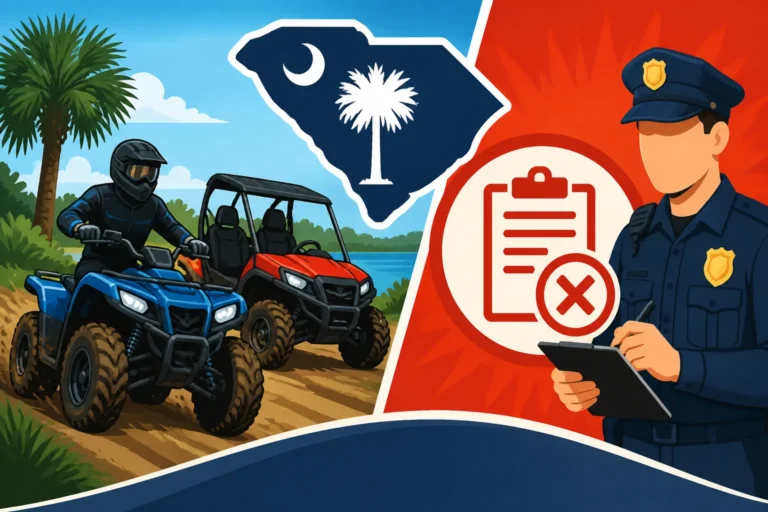
Figuring out the ins and outs of ATV and UTV rules in South Carolina can feel like trying to solve a puzzle with half the pieces missing, especially when you're dealing with specific age groups like a 16-year-old rider. It's not just about getting on a machine and hitting the dirt; there are distinct legal requirements, safety stipulations, and crucial differences between off-road ATVs and the newer street-legal UTV options. This guide is here to untangle that complexity, providing clear, actionable information so any 16-year-old, or their parents, can confidently and legally enjoy riding in the Palmetto State.
Understanding ATV Riding Rules for a 16-Year-Old in South Carolina
When it comes to off-road ATVs, South Carolina has a specific set of rules, largely governed by what's commonly known as Chandler's Law. For a 16-year-old, some of the stricter requirements that apply to younger riders begin to lift, but it's vital to know exactly what still applies.
Age-Specific Restrictions and Supervision for ATVs
At 16, a rider in South Carolina technically falls into a transitional age group where some of the most stringent restrictions on off-road ATVs are no longer in effect. For instance, the law requiring riders aged 6 to 15 to be supervised by an adult on private land no longer applies once a rider turns 16. This means that a 16-year-old can generally ride an ATV on private property with the landowner's permission without an adult having to be physically present and supervising them directly. This is a significant step towards independence for young riders who have grown up on ATVs.
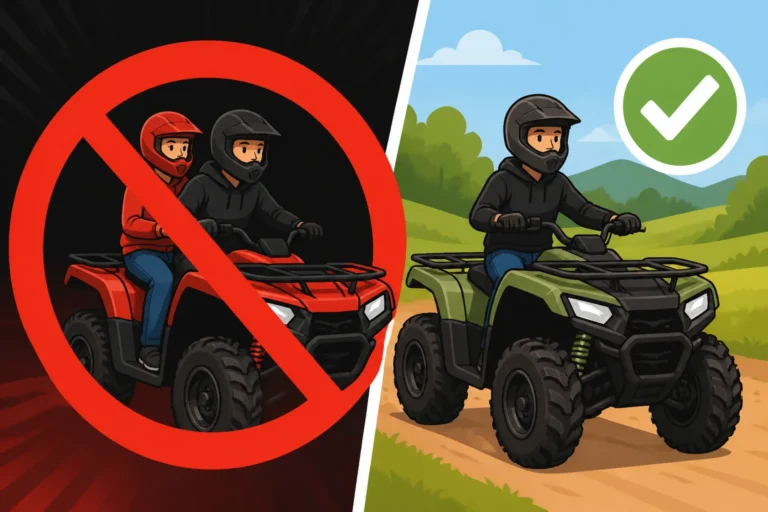
However, the laws around passengers are a different story and still important for a 16-year-old to understand. Chandler's Law dictates that no person shall operate an ATV with a passenger younger than six years of age. More broadly, an operator under 16 years of age (which a 16-year-old is not, but it's important context) may not carry a passenger unless the passenger is at least 16 years of age. For a 16-year-old driver, they can carry a passenger, but generally, the law discourages passengers on single-rider ATVs and specifies age rules for younger passengers. If a 16-year-old is riding a machine designed for two people, they need to ensure the passenger is old enough. It's always best practice to consult [South Carolina Passenger Rules Under 16] for the most current specifics. Remember, the core of these regulations is safety, aiming to prevent accidents involving inexperienced or too-young passengers.
Despite the easing of direct supervision, it's a common mistake for young riders and their families to think "anything goes" once they turn 16. The underlying principle of safe and responsible riding always holds true. While the state may not mandate an adult standing right there, good judgment and adherence to basic safety practices are paramount. This means knowing your machine's limits, understanding the terrain, and making smart choices, especially when you're out there with a bit more freedom.
Equipment Requirements for Off-Road ATVs
Regardless of age, any ATV operated in South Carolina must meet certain equipment standards designed to ensure safe operation and prevent environmental damage. For a 16-year-old's machine, these rules are no different from those for an adult's. This includes having a working spark arrester, especially if you're riding on public lands like national forests, where fire prevention is critical. These devices help prevent hot sparks from igniting dry brush or leaves. You can read more about this in [South Carolina Spark Arrester Requirements].
Brakes are another non-negotiable item. Your ATV must have adequate brakes to control the machine and stop safely. Imagine trying to navigate some of South Carolina's hilly terrain or coming up on an unexpected obstacle without reliable stopping power—it's a recipe for disaster. The law expects your machine to be in good working order, including its braking system. It’s always smart to do a quick pre-ride check, no matter how experienced you or your 16-year-old rider might be.
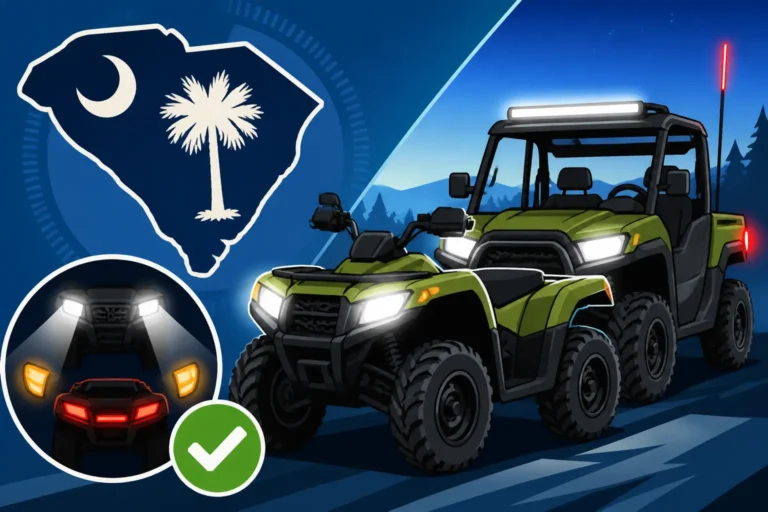
Finally, while many ATVs are primarily used during daylight hours, if a 16-year-old plans to ride their machine a half-hour after sunset or a half-hour before sunrise, or at any time when visibility is less than 500 feet, it must be equipped with working headlights and taillights. This is crucial for being seen by others and for illuminating the trail ahead, preventing collisions and allowing the rider to react to obstacles. These equipment requirements are in place for everyone's safety, and a 16-year-old rider should understand that maintaining their machine is part of being a responsible operator. For a full rundown, refer to [South Carolina Equipment Requirements for ATVs].
Navigating South Carolina's Street-Legal UTV Laws at Sixteen
The landscape for UTVs in South Carolina has changed quite a bit recently, especially with the introduction of new laws allowing certain UTVs on public roads. This creates a whole new set of considerations for 16-year-old riders, as the rules for street-legal machines are often more akin to those for cars than for off-road ATVs.
Driving Privileges and Licensing for Street UTVs
Here's where it gets interesting for a 16-year-old: with the passage of Act 164, South Carolina now allows certain UTVs to be registered as street-legal vehicles. This means a whole new avenue for riding, but it comes with a requirement that every 16-year-old will need to pay close attention to: a valid driver's license. Unlike an off-road ATV, which generally doesn't require a driver's license for operation on private land or designated trails, a street-legal UTV is treated much like any other vehicle on public roads.
To legally operate a street-legal UTV on public roads in South Carolina, a 16-year-old must possess a valid South Carolina driver's license. This is not a learner's permit or a restricted license; it needs to be a full, unrestricted driver's license. This makes sense when you consider that these machines will be sharing the road with cars, trucks, and motorcycles. The state wants to ensure that anyone behind the wheel has demonstrated a basic level of driving competence and knowledge of traffic laws. It’s a significant hurdle for some, but a clear path for others. For more on what's required, check out [South Carolina Street UTV License Requirements].
It’s easy to get confused by the specific wording in the law. While [South Carolina Street UTV Age of 17] might suggest a higher age for all aspects of street UTVs, that particular rule pertains to carrying passengers. For driving a street-legal UTV, if you are 16 and have a valid driver's license, you're good to go. This new legislation is a game-changer for UTV enthusiasts, opening up possibilities for accessing trails, running errands, or simply cruising around the community. Companies like SuperATV have really stepped up, offering a fantastic array of accessories that help UTVs meet these new street-legal requirements, from DOT-approved windshields to turn signal kits, making the conversion process much smoother for those aiming to hit the pavement legally.
Passenger and Road Restrictions for Street-Legal UTVs
While a 16-year-old with a driver's license can operate a street-legal UTV, the rules surrounding passengers are quite specific and important to heed. South Carolina law states that no person operating a street-legal UTV may carry a passenger who is eight years of age or younger. This means if a 16-year-old is driving, they cannot have a child younger than nine as a passenger. This is a critical safety measure, recognizing that younger children may be more vulnerable in a UTV and may not be able to follow safety instructions or remain properly secured during operation.
Beyond passenger ages, street-legal UTVs also come with clear limitations on where they can be driven. Generally, they are permitted on public roads with a posted speed limit of 55 miles per hour or less. This excludes interstates and other high-speed highways. Additionally, there’s a general 10-mile radius rule, meaning the UTV can typically be operated within 10 miles of the driver's residence or the place where the UTV is primarily kept. However, some local municipalities might have ordinances that expand or restrict this radius, so it's always wise to check local rules. For specific details on these limits, refer to [South Carolina Street UTV Road Speed Limits] and [South Carolina Street UTV Radius Exceptions].
The goal of these restrictions, as outlined in [South Carolina Act 164 and Street UTVs], is to integrate UTVs safely into the existing road infrastructure without creating unnecessary hazards. It's a balance between recreational freedom and public safety. Because these machines are now on public roads, they also fall under typical vehicle insurance requirements. Unlike off-road ATVs, which don't mandate insurance, street-legal UTVs absolutely require liability insurance. This is a non-negotiable part of the registration process and ensures that if there's an accident, there's coverage for damages or injuries. This requirement is covered in [South Carolina Insurance Proof at Registration] and is a crucial part of budgeting for a street-legal UTV.
Safety Gear and Training Requirements for Young Riders
Safety is always paramount when riding any off-road machine, and South Carolina has specific laws designed to protect younger riders. For a 16-year-old, some of the requirements found in Chandler's Law change compared to their younger counterparts, particularly regarding safety certificates and helmets.
Mandatory Safety Certificates and Courses
South Carolina law mandates that any person 15 years of age or younger operating an ATV on private property must possess a safety certificate issued by the ATV Safety Institute or an equivalent approved organization. This means that if your 16-year-old completed this course when they were younger, they're set. However, once a rider turns 16, they are no longer legally required to possess a safety certificate to operate an ATV. It's an important distinction: the requirement stops at the age of 16.
This doesn't mean the training is irrelevant. In fact, an ATV safety course is an invaluable experience for riders of all ages, teaching crucial skills in machine control, hazard awareness, and responsible riding etiquette. Even though the legal mandate lifts, the practical benefits of such training endure. Many insurance companies might even offer discounts for riders who have completed an approved safety course, regardless of age. For a comprehensive look at these requirements, you can check out [South Carolina Safety Certificate Requirements] and [The Safety Certificate Riders 15 and Under Need].
It's a common misconception that once you hit 16, all the safety rules disappear. While the mandate for the certificate might, the principles of safe riding do not. Encouraging a 16-year-old to continue practicing and refining their skills, perhaps even reviewing safety course materials, is always a good idea. The goal is not just legal compliance, but fostering a lifelong habit of safe and enjoyable riding.
Helmet and Eye Protection Rules
This is an area where the rules for a 16-year-old rider in South Carolina get a bit nuanced, particularly when distinguishing between off-road ATVs and street-legal UTVs.
For off-road ATVs, the law states that a person 15 years of age or younger must wear a safety helmet that meets federal standards and eye protection when operating an ATV. Once a rider turns 16, this specific legal requirement for a helmet and eye protection on an off-road ATV no longer applies. This often surprises people, but it's crucial to understand the letter of the law. While not legally mandated at 16 for off-road ATVs, wearing a helmet and eye protection is still overwhelmingly recommended. A head injury can be life-altering, and protective gear dramatically reduces that risk. For more details, consult [South Carolina ATV Helmet Law] and [Helmets Under 16 Must Meet the Federal Standard].
Now, for street-legal UTVs, the rules are different and stricter for young drivers. If a 16-year-old is operating a street-legal UTV on public roads, they are subject to different helmet and eye protection requirements. Specifically, any person operating or riding in a street-legal UTV who is under 21 years of age must wear a safety helmet and eye protection or have a windshield. So, a 16-year-old driving or riding in a street-legal UTV must either wear a helmet with a face shield or separate eye protection, or the UTV must have a windshield. This is a critical distinction that many riders overlook. [South Carolina Street UTV Helmet Rules Under 21] covers this in detail. This means that while an off-road ATV might not require a helmet for a 16-year-old, a street-legal UTV does require either a helmet/eye protection or a windshield for that same 16-year-old.
Many UTV owners opt for a full windshield to meet this requirement, and brands like SuperATV offer robust, high-quality windshields designed to integrate perfectly with various UTV models, providing that crucial protection and legal compliance. It’s an investment in safety that pays off. Regardless of the legal mandates, encouraging any 16-year-old to wear a helmet and eye protection during any type of riding is a common-sense safety practice that can prevent serious injuries.
Where a 16-Year-Old Can Legally Ride an ATV or UTV
Knowing the rules about the rider and the machine is only half the battle; understanding where a 16-year-old can legally ride their ATV or UTV in South Carolina is equally important to avoid fines, trespass charges, or worse. The distinctions between private land, public trails, and public roads are stark.
Private Property vs. Public Land for ATVs
For off-road ATVs, the primary and most permissible place for a 16-year-old to ride is on private property with the landowner's express permission. This is the cornerstone of ATV riding in South Carolina, as outlined in [South Carolina Private Property Exemptions]. Chandler's Law was specifically crafted to regulate ATV use, but it largely focuses on public property and specific age restrictions, while generally allowing riding on private land with permission.
When it comes to public lands, the options for ATVs are more limited. South Carolina does not generally allow ATVs on state roads, shoulders, or rights-of-way, nor are they typically permitted in state parks or wildlife management areas (WMAs). In fact, [South Carolina WMAs Ban ATVs], which is a rule many newcomers discover the hard way. The main public riding opportunities for ATVs are found on designated OHV (Off-Highway Vehicle) trails within the national forests, such as the Enoree OHV Trail or Parsons Mountain OHV Trail. These trails usually have specific rules regarding machine width (often a 50-inch limit), require an OHV pass, and may have their own age-related rules or require adult accompaniment for minors. While a 16-year-old might be old enough to ride unsupervised on private land, these public trails might still have specific guidelines to follow, so it's essential to check with the specific trail system beforehand. You can learn more about access with [South Carolina National Forest OHV Passes].
Approved Roads and Restrictions for Street-Legal UTVs
For street-legal UTVs, the riding landscape expands significantly for a 16-year-old with a valid driver's license. As mentioned earlier, these machines are permitted on most public roads in South Carolina where the posted speed limit is 55 mph or less. This means secondary roads, county roads, and many municipal streets are fair game. However, interstates and multi-lane primary highways with higher speed limits remain off-limits. This expansion of access is what many UTV owners have been clamoring for, providing a practical way to use their machines for purposes beyond just recreation.
The infamous 10-mile radius rule is another key element for street-legal UTVs. Generally, you can operate the UTV within a 10-mile radius of your registered address. This allows for local travel to stores, friends' houses, or local trails. However, it's crucial to understand that local municipalities or counties can adopt ordinances that might modify this rule, either expanding or further restricting the allowed radius. Before taking to the roads, it's always a good idea to confirm local regulations. For a clearer picture of these road rules, see [South Carolina Street UTV Road Speed Limits] and [10 Miles Measured From Your Registered Address]. This is a significant change, detailed in [The New South Carolina Law Opening Secondary Roads], that truly makes UTVs more versatile for everyday use for eligible drivers, including 16-year-olds.
It's imperative to always carry proof of insurance and registration when operating a street-legal UTV on public roads, just as you would with any other vehicle. While off-road ATVs don't require this, the moment your UTV hits the pavement, it falls under these mandates. Ignoring these rules can lead to citations, fines, and even impoundment of the machine. The goal is to provide freedom while ensuring accountability and safety on shared public spaces.
Here’s a quick overview of the key differences for a 16-year-old rider:
| Feature | Off-Road ATV (16-Year-Old) | Street-Legal UTV (16-Year-Old Driver) |
|---|---|---|
| Driver's License | Not required for operation on private land/trails | Required (valid SC driver's license, no beginner's permit) |
| Safety Certificate | Not legally required at age 16 (only if 15 or under) | Not legally required for driving |
| Helmet Requirement | Not legally required at age 16 (only if under 16) | Required if under 21 (face shield or helmet, or windshield) |
| Eye Protection | Recommended, but not legally required at age 16 | Required if under 21 (face shield or helmet, or windshield) |
| Passenger Age Limits | Cannot carry a passenger under 6; specific rules apply | Cannot carry a passenger under 8 |
| Primary Riding Location | Private land with permission, designated OHV trails | Public roads (55 mph or less), within 10-mile radius (with exceptions) |
| Insurance | Not legally required (but highly recommended) | Mandatory liability insurance for registration |
| Registration/Plate | Not required | Required (registration and rear license plate) |
Disclaimer
This article is for general informational purposes only and does not constitute professional advice. Laws, prices and regulations vary by location and change over time. Consult a qualified professional for guidance on your specific situation.