South Carolina Age Restriction Warning Labels
It's incredibly frustrating when you're trying to do the right thing and keep your family safe on ATVs, but the sheer volume of rules and recommendations feels like navigating a muddy trail with a blindfold on. One area that often causes a lot of head-scratching for folks here in South Carolina is those age restriction warning labels on ATVs. This guide is going to peel back the layers on why those labels are so important, what the law says about them, and how understanding them can prevent serious accidents and legal headaches.
Understanding Age Restriction Warning Labels on ATVs in South Carolina
When you buy an ATV, whether it's brand new from a dealer or a pre-loved machine from a private seller, you've probably noticed those prominent, often brightly colored, warning labels. They're not just there for decoration or because the manufacturer felt like adding extra stickers. These labels are a critical safety feature, designed to communicate vital information about the machine's intended users and potential hazards. Ignoring them, or worse, removing them, can have serious consequences, both for the rider's safety and your legal standing.
What These Labels Mean for Riders and Parents
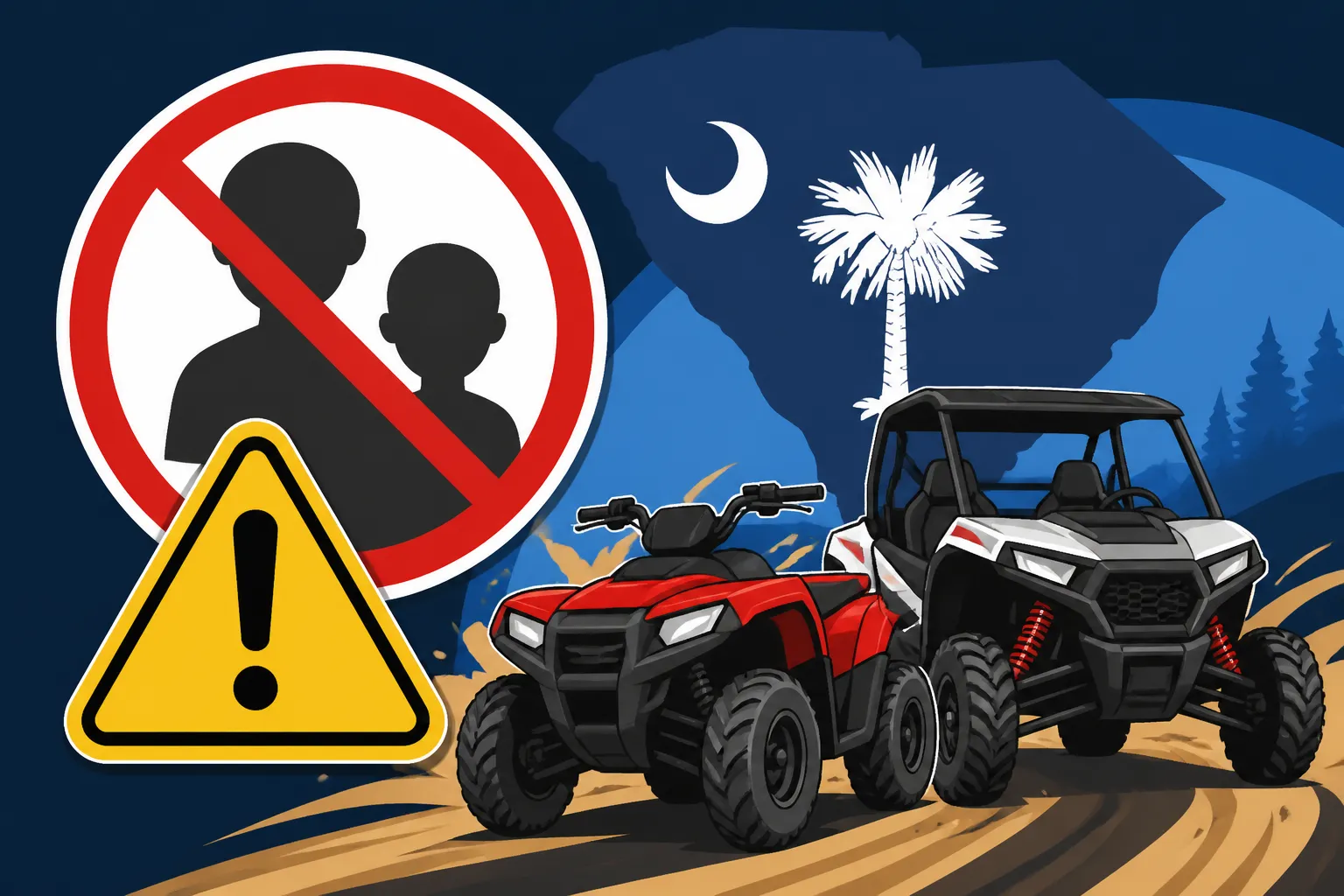
These warning labels, usually affixed to the handlebars, fenders, or visible body panels, clearly state the minimum recommended age for operating that specific ATV model. For example, you'll see labels advising "Rider Age 16+" for full-size ATVs, or "Rider Age 6+" for youth models. This isn't an arbitrary suggestion; it's based on extensive research into the physical and cognitive development necessary to safely control a powerful machine. A smaller child simply lacks the strength, coordination, and judgment required to react appropriately to changing terrain, obstacles, or emergencies on an adult-sized ATV. As a parent, seeing a label like "Rider Age 10+" on a quad means that the manufacturer, backed by industry safety standards, believes a rider under that age lacks the necessary physical and mental maturity for safe operation. It's a clear guideline to protect our youngsters.
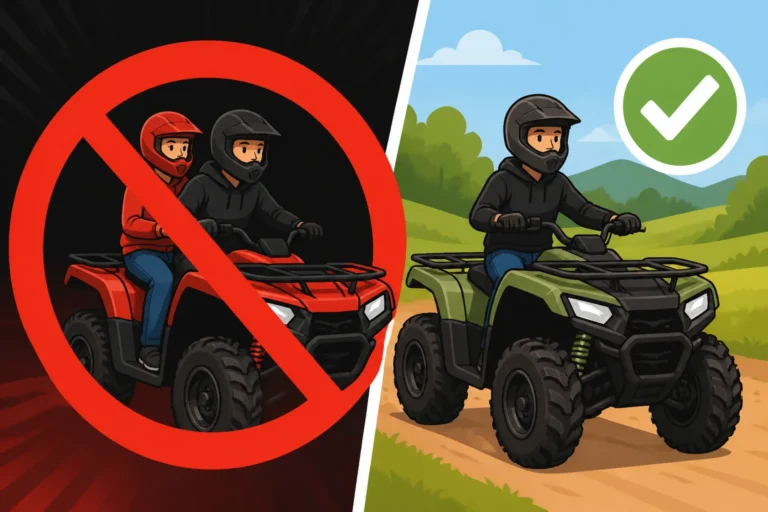
For parents, these labels are your first line of defense in making informed decisions about which machine is appropriate for your child. It’s easy to think, "Oh, my kid is really good for their age," or "They'll just ride slowly." But the truth is, these machines are designed with specific rider sizes and capabilities in mind. Putting a child on a machine too large or powerful for them drastically increases the risk of accidents, even at low speeds. The machine's weight, throttle response, and overall handling characteristics are all calibrated for a rider who meets that age recommendation. Thinking about modifications to make a machine "fit" a younger rider? That can actually make things more dangerous by altering the vehicle's dynamics. For more on general age rules, check out [South Carolina ATV Age Requirements].
The Purpose Behind the Prominent Placement
The reason these labels are so large and placed in such obvious spots is to ensure that no rider, parent, or guardian can claim ignorance. They're a constant, in-your-face reminder of the manufacturer's safety recommendations. Think about it: an ATV can be a fantastic tool for work or an exhilarating source of recreation, but it's also a powerful piece of machinery that demands respect and responsible operation. The labels are designed to grab your attention before you even start the engine. They're part of a broader effort by manufacturers and safety advocates to reduce injuries and fatalities associated with ATV use, especially among minors.
Manufacturers spend considerable resources developing and testing these machines, and part of that process includes determining the safest age for operation. They consider factors like weight distribution, steering effort, brake effectiveness, and engine power delivery. Placing these warnings prominently ensures that this critical safety information isn't buried in an owner's manual that might never get read. It puts the responsibility squarely on the owner and operator to acknowledge these warnings and comply with them for the safety of everyone.
Chandler's Law and Its Stance on Labels
In South Carolina, our state lawmakers took these manufacturer recommendations seriously when they crafted [Why South Carolina's ATV Law Is Called Chandler's Law]. This law, formally known as the South Carolina All-Terrain Vehicle Safety Act, codified many safety requirements into state statute, including specific provisions related to those age restriction labels. It’s not just a suggestion from the manufacturer anymore; it’s backed by the force of law here in the Palmetto State, aiming to keep our trails and properties safer for everyone, especially our younger riders.
How State Law Reinforces Manufacturer Warnings
Chandler's Law, found in [South Carolina Code Section 50-26-50], makes it explicitly clear that the age restriction warning labels aren't to be trifled with. The law actually makes it unlawful to remove or deface these labels. This legislative action directly reinforces the manufacturers' safety warnings, elevating them from mere recommendations to legally protected mandates. By doing so, South Carolina aims to ensure that the vital safety information provided by the ATV's maker remains visible and enforceable. This means that if an officer, perhaps responding to an incident or simply observing riding activity, sees an ATV with missing or altered labels, it could lead to questions and potential penalties.
The law understands that these labels are crucial for preventing accidents. If an ATV is clearly marked for riders aged 16 and older, but a significantly younger child is operating it, and that child gets injured, the presence (or absence) of that label becomes a key piece of information. It highlights a disregard for safety guidelines that the state has deemed important enough to legislate. This legal backing serves as a strong deterrent, pushing parents and owners to seriously consider the age appropriateness of the machines their children or others are riding.
The Legal Ramifications of Removing or Defacing Labels
Let's be very clear about this: [Removing the Age Warning Label Is Unlawful] under South Carolina law. This isn't just a slap on the wrist kind of offense; it carries real penalties. If you're caught with an ATV that has its age restriction warning labels removed, defaced, or obscured, you could be facing fines. The penalties for violations of Chandler's Law generally range from [South Carolina Fines of $50 to $200] for a first offense. While that might not sound like a fortune, it's money out of your pocket that could have been spent on proper safety gear or a fun weekend at a park like Carolina Adventure World.
Beyond the immediate fine, consider the implications in the event of an accident. If a child is injured on an ATV where the age labels have been tampered with, the liability could be significantly higher for the owner. It demonstrates a clear disregard for established safety protocols and state law. Insurance companies, lawyers, and law enforcement will all look to see if these safety warnings were present and heeded. Tampering with a label is seen as intentionally obscuring a safety warning, which could make an already bad situation much, much worse from a legal and financial perspective. It’s simply not worth the risk, no matter how much you dislike the look of a sticker.
Age-Appropriate Machines and Rider Safety
Choosing the right ATV isn't just about what looks cool or what's available for a good price. When it comes to safety, especially for younger riders, matching the machine to the rider's age, size, and experience level is paramount. Those age restriction warning labels are your first clue, but there's more to understand about why engine size, machine weight, and overall design are so critical. We want every ride to be fun and memorable for the right reasons, not for ending up in an emergency room.
Matching Rider Age to Machine Category
ATVs are generally categorized by their engine displacement, which directly correlates to their power and size, and therefore, the minimum recommended rider age.
- Youth ATVs (Under 70cc): Typically for riders aged 6 and older. These are smaller, lighter, and have throttles that can be limited to control speed.
- Youth ATVs (70cc-90cc): Generally for riders aged 10 and older. Still smaller machines, but with a bit more power than the entry-level models.
- Intermediate ATVs (90cc-125cc): Often recommended for riders aged 12 and older. These bridge the gap between youth and adult machines, requiring more skill and strength.
- Full-Size ATVs (125cc and above): Exclusively for riders aged 16 and older. These are powerful, heavy machines that demand significant physical strength, coordination, and mature judgment to operate safely.
This stratification isn't arbitrary. A 10-year-old simply doesn't have the body weight or strength to muscle a 500cc quad around a tight corner, or the reaction time to prevent a rollover on uneven terrain. Likewise, a 16-year-old who's never ridden before might struggle with a high-performance sport quad. It's not just about age, but also experience. Someone new to riding, regardless of age, should start small and work their way up. Using quality aftermarket parts from a company like SuperATV can enhance safety and performance, but they can't override the fundamental importance of matching the rider to the machine.
Why Engine Size and Machine Weight Matter
The engine size (measured in cubic centimeters, or cc) dictates the power and speed capabilities of an ATV. A larger engine means more horsepower and torque, which can quickly overwhelm an inexperienced or undersized rider. Imagine trying to learn to drive a stick shift in a drag racer – it's just too much, too soon. A small, lightweight rider on a powerful, heavy machine can easily lose control, especially when accelerating, braking, or attempting turns. The machine's weight also impacts its stability and how easily it can be righted if it begins to tip. A child attempting to shift their body weight to counter a tip on a machine that weighs more than they do is a recipe for disaster.
For example, a youth quad designed for a 10-year-old might weigh around 250 pounds, while a full-size utility ATV could easily exceed 700 pounds. A child on a machine too heavy for them cannot effectively use active riding techniques, such as shifting their body weight, to navigate turns or tricky terrain, which are essential for safe ATV operation. Furthermore, the suspension and braking systems are tuned for the weight and power of the machine and the intended rider, meaning an undersized rider might not be able to effectively operate the controls. This is why paying attention to the manufacturer's age and size recommendations, which are reflected in those warning labels, is crucial for preventing injuries.
Beyond Labels: Essential Safety Practices
While the age restriction labels are vital, they're only one piece of the safety puzzle. Even with an age-appropriate machine, proper safety practices are non-negotiable. First and foremost, always wear appropriate safety gear. This includes a DOT-compliant helmet (which is legally required for riders under 16 in South Carolina), eye protection, gloves, long sleeves and pants, and over-the-ankle boots. [South Carolina Helmet Rules for Young Riders] are very clear on this.
Secondly, every rider, especially minors, should complete an approved ATV safety course. [South Carolina Safety Certificate Requirements] mandate this for riders 15 and under. These courses teach critical riding techniques, risk assessment, and responsible operation. It's not enough to just "know how to ride"; proper training can instill habits that prevent accidents. You can find more information about these courses at [South Carolina Safety Courses for Riders 15 and Under]. Finally, always ride sober, never carry more passengers than the ATV is designed for, and ride only on designated trails or approved private property. Understanding the terrain and riding within your skill level is key to a safe and enjoyable experience. For instance, when heading to [South Carolina ATV Trails: Where to Ride], always check trail conditions and be prepared.
Buying and Selling ATVs: Label Considerations
The presence and condition of age restriction warning labels aren't just about riding safely; they also play a significant role when you're buying or selling an ATV. Understanding these implications can save you headaches, potential liability, and ensure you're making a responsible transaction. As an ATV owner in South Carolina, you have certain responsibilities whether you’re a buyer or a seller, and those little stickers can surprisingly make a big difference.
What to Look For When Buying a Used ATV
When you're in the market for a used ATV, especially if it's for a younger rider, inspecting the age restriction warning labels is as important as checking the engine or tires. If the labels are missing, defaced, or painted over, that should raise a red flag immediately. Why were they removed? Was the previous owner trying to obscure the age rating to sell it to an underage rider? Or perhaps they simply didn't understand the importance of keeping them intact. In any case, a missing label indicates a potential disregard for safety, and it could mean the machine was ridden in ways it wasn't designed for, or by riders for whom it was never intended.
If the labels are gone, you'll need to do your homework to determine the appropriate age rating for that specific make and model. This might involve looking up the manufacturer's specifications online or consulting an owner's manual. Don't just guess; the safety of the rider depends on it. A reputable seller should be able to provide clear information about the ATV's history, including its age rating. If they're evasive or defensive about missing labels, it might be a sign to walk away. This due diligence ensures you're not inadvertently purchasing a machine that is unsafe or illegal for your intended rider, or one that has already been operated outside of its intended parameters. Even if you're buying a robust machine with upgrades from SuperATV, the fundamental age restrictions still apply.
Responsibilities When Selling an ATV
If you're selling an ATV in South Carolina, particularly a youth model, you have a moral and legal obligation to ensure those age restriction warning labels are intact and clearly visible. As we discussed, [Removing the Age Warning Label Is Unlawful], so selling a machine with defaced labels could put you in a sticky situation. Beyond the legal aspect, it's about being a responsible member of the ATV community. You wouldn't want to knowingly sell a machine that could put someone else's child at risk.
When a potential buyer expresses interest, especially if they mention it's for a child, take the opportunity to discuss the age restrictions and the importance of proper safety gear and training. You might even print out information on [The Safety Certificate Riders 15 and Under Need] or local riding courses. Being transparent and proactive can help protect you from future liability and ensures the machine goes to a home where safety is prioritized. Remember, you're selling a powerful piece of equipment, not just a toy. Your actions as a seller contribute to the overall safety culture of ATV riding in South Carolina.
Dispelling Common Myths About ATV Age Restrictions
Around any set of rules, especially those involving fun activities like ATV riding, myths tend to spring up like weeds in an unkempt yard. When it comes to age restrictions and those warning labels, there are a couple of particularly stubborn misconceptions that need to be addressed head-on. These myths can lead to dangerous decisions, putting riders and owners at risk both on the trail and in the eyes of the law. Let’s clear the air and ensure we’re all operating with facts, not folklore.
The "Private Land" Loophole Myth
One of the most persistent myths is the idea that age restrictions and other ATV laws don't apply if you're riding on private property. "It's my land, I can do what I want!" is a common sentiment. While it's true that [South Carolina Private Property Exemptions] exist for certain aspects of ATV law, especially regarding public road use, the age restriction warning labels and the associated legal prohibitions against removing them are generally not waived by simply being on private land. Chandler's Law, our comprehensive ATV safety statute, is quite broad. It aims to protect riders wherever they are, not just on public trails.
Consider this: if a child under the recommended age is severely injured on your private property while riding an ATV with missing age labels, the legal ramifications for you as the landowner or the parent could be immense. The law's intent is to prevent injuries, and that intent doesn't vanish at your property line. While law enforcement might not be actively patrolling your backyard for ATV violations, an accident will certainly bring attention. And in such a scenario, the fact that age restriction labels were removed or ignored would be a significant factor in determining negligence and liability. Safety rules, particularly those concerning rider age, are about protecting lives, not just regulating public spaces.
The "Just For a Short Ride" Justification
Another common misconception, especially among parents, is that it's okay for an underage child to ride an age-inappropriate ATV "just for a short ride," or "only in the yard," or "I'll be right there watching." The logic usually goes something like, "They won't get up to speed," or "It's a flat, safe area." This justification completely overlooks the inherent risks associated with an undersized or inexperienced rider operating a machine beyond their capabilities, even for a brief moment. Accidents can happen in an instant, even at low speeds and on seemingly safe terrain.
A child who is too small or young for an ATV might not have the strength to hold on if the machine unexpectedly hits a bump, or the reach and coordination to apply the brakes effectively in an emergency. Their feet might not even touch the ground properly, making it difficult to maintain balance or get off the machine quickly. It takes just a split second for a machine to flip, roll, or crash, causing serious injury. The "just for a short ride" mindset also normalizes dangerous behavior, making it more likely that the child will eventually ride unsupervised or in more challenging conditions. Safety is an all-or-nothing proposition when it comes to ATVs; there are no "short ride" exceptions to the laws of physics or the requirements of safe operation.
Resources and Further Education
Navigating the world of ATVs and UTVs in South Carolina doesn't have to be a solo journey. There are fantastic resources available to help you and your family ride safely and responsibly. From formal training courses to readily available information on state regulations, taking advantage of these avenues can make all the difference. Investing a little time in education can prevent a lot of heartache and ensure that your adventures on the trails are nothing but positive experiences.
ATV Safety Institute Courses in South Carolina
One of the absolute best investments you can make for any new or experienced ATV rider, especially minors, is to enroll in an ATV Safety Institute (ASI) RiderCourse. These courses are specifically designed to teach safe riding practices, proper machine operation, and critical decision-making skills. For riders 15 and under in South Carolina, completing an approved safety course and obtaining a safety certificate is actually required by [South Carolina Safety Certificate Requirements] before they can legally operate an ATV on public lands or certain private properties without direct adult supervision.
These courses typically involve both online and hands-on components, where riders learn practical skills under the guidance of certified instructors. They cover everything from starting and stopping, turning, hills, emergency braking, and dealing with obstacles. Even adults who've been riding for years often find themselves learning new techniques or unlearning bad habits. Many folks, including those who have invested in machines enhanced with products from SuperATV, find that formal training allows them to get the most out of their machine safely. You can find course schedules and locations through the ATV Safety Institute's website. It's a small time commitment for a lifetime of safer riding habits.
Where to Find More Information on State Regulations
Staying informed about South Carolina's ATV and UTV laws is crucial, as regulations can change or be updated. The South Carolina Department of Natural Resources (SCDNR) website is an excellent starting point for official information regarding ATV use, including where you can and cannot ride, specific age restrictions, and equipment requirements. The full text of [South Carolina Code Section 50-26-50], which outlines Chandler's Law, is also publicly accessible. It's not the most thrilling read, perhaps, but it's the definitive source for legal specifics.
Additionally, local DMV offices can provide clarity on titling and registration matters, though remember that [South Carolina Does Not Register Off-Road ATVs]. For those interested in new street-legal UTV options, it's worth noting that [South Carolina Street-Legal UTV Registration Arrives] with its own set of rules and requirements, distinct from traditional ATVs. Always double-check information with official sources. Don't rely solely on what you hear at the trailhead or from an online forum, as rules can be misinterpreted or become outdated. Being proactive in understanding the laws means you can enjoy your machine without unnecessary worry.
Here's a quick comparison of ATV types and their general age recommendations, along with common penalties for age-related violations concerning warning labels:
| ATV Type / Category | Engine Size (Typical) | Minimum Rider Age (Manufacturer Recommended) | Common Location of Age Label | Potential SC Penalty (for removing/defacing label) | Potential SC Penalty (for underage operation) |
|---|---|---|---|---|---|
| Youth ATV | Under 70cc | 6+ years old | Fenders, Handlebars | $50-$200 fine, possible liability increase | $50-$200 fine, machine impoundment possible |
| Youth ATV | 70cc to 90cc | 10+ years old | Fenders, Handlebars | $50-$200 fine, possible liability increase | $50-$200 fine, machine impoundment possible |
| Intermediate ATV | 90cc to 125cc | 12+ years old | Fenders, Fuel Tank | $50-$200 fine, possible liability increase | $50-$200 fine, machine impoundment possible |
| Full-Size ATV | 125cc and above | 16+ years old | Fenders, Fuel Tank, Console | $50-$200 fine, possible liability increase | $50-$200 fine, machine impoundment possible |
Note: Penalties are general and can vary based on specific circumstances and discretion of law enforcement.
Disclaimer
This article is for general informational purposes only and does not constitute professional advice. Laws, prices and regulations vary by location and change over time. Consult a qualified professional for guidance on your specific situation.