South Carolina Title With Two Owners
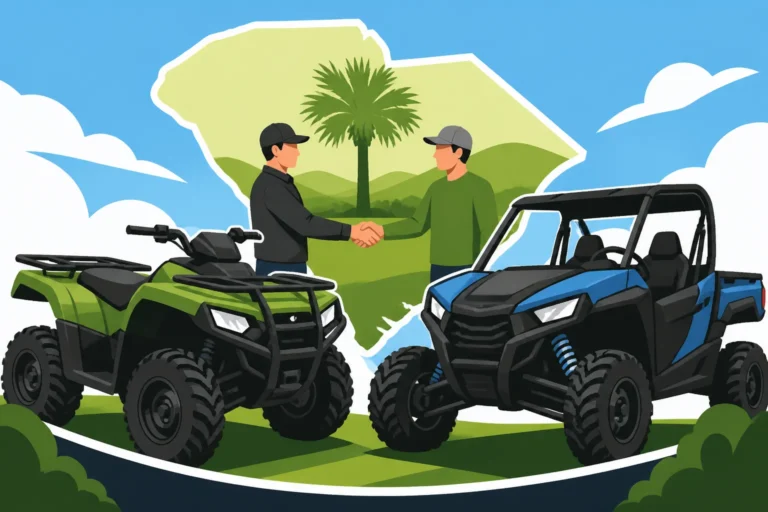
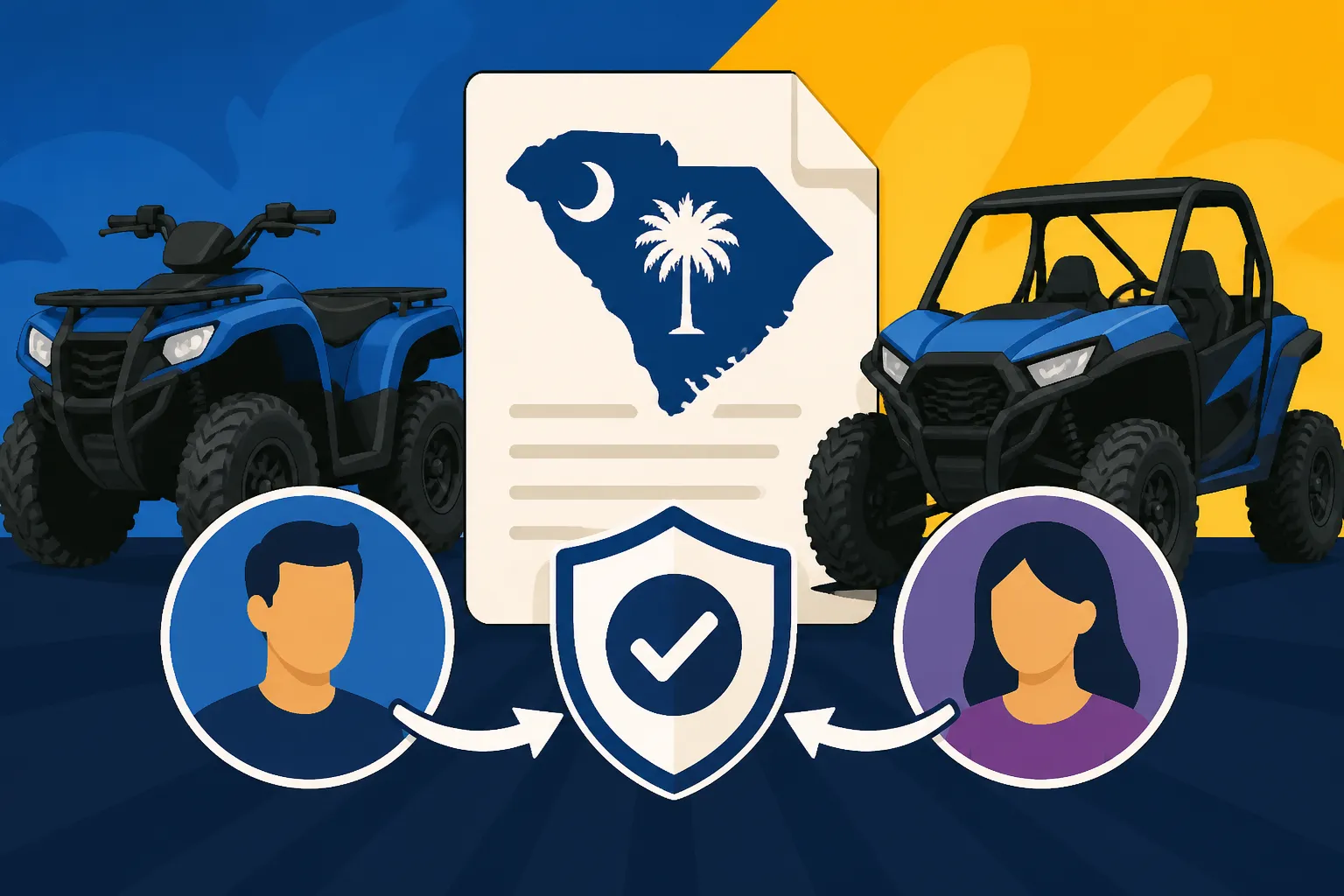
Buying an ATV or UTV with another person can seem like a great idea – splitting the cost, sharing the fun, and making memories on the trails. But when it comes to putting two names on a South Carolina title, many folks quickly discover that it's not as simple as just writing both names down. The way those names are joined can have major legal implications down the road, affecting everything from selling the machine to what happens if one owner is no longer around. This guide will walk you through the nuances of titling an ATV or UTV with two owners in South Carolina, helping you understand your options and avoid common pitfalls.
Understanding Co-Ownership on a South Carolina Title
When you decide to co-own an ATV or UTV, the actual wording on the title is incredibly important. It's not just about getting both names listed; it's about understanding the legal relationship those names create. This determines how decisions are made about the machine, what happens if you decide to sell it, or, unfortunately, what occurs if one of the owners passes away.
"And" vs. "Or": The Crucial Distinction
This is perhaps the most critical distinction you'll encounter when titling an ATV or UTV with two owners. The difference between "Owner A AND Owner B" versus "Owner A OR Owner B" is monumental in legal terms. When the names are joined by "AND," it signifies a joint ownership where both parties must agree and act together on virtually all matters concerning the vehicle. This means if you want to sell it, both owners must sign the title. If you need to make a major decision, both owners need to be on board.
On the other hand, if the names are joined by "OR," it typically implies that either owner can act independently. One owner could, in theory, sell the ATV or UTV without the express consent or signature of the other. This offers a lot more flexibility for each individual owner, but it also carries significant risks if trust ever breaks down. Most people assume that if two names are on a title, they both have equal say, but the "OR" conjunction can bypass that expectation entirely. It's truly a distinction that can save you a lot of heartache or create it. You can see how this plays out when considering [Putting Two Names on One ATV Title].
When Co-Ownership Makes Sense
Despite the complexities, there are many valid reasons why co-owning an ATV or UTV might be the right choice for you. For instance, a married couple might decide to title their new side-by-side in both their names, viewing it as a shared asset for weekend adventures. This makes perfect sense from a financial and recreational perspective, ensuring both spouses have a legal claim to the machine. Similarly, two siblings or close friends who frequently ride together and split the costs of their hunting machine might opt for co-ownership. It can formalize their shared investment and responsibility.
Another common scenario involves parents purchasing a powerful UTV for the family, especially if their older children will also be using it regularly. Listing a child, perhaps 18 or older, as a co-owner can be a way to teach responsibility and share the burden of ownership. Business partners who use an ATV for farm work or property maintenance would also find co-ownership beneficial, clearly delineating it as a business asset. In all these cases, the key is having a strong, trusting relationship between the owners, often supported by clear, written agreements that go beyond just the title itself.
The Process of Titling an ATV/UTV with Two Owners in South Carolina
Navigating the South Carolina Department of Motor Vehicles (DMV) can sometimes feel like a maze, and adding a second owner to the title introduces a few extra steps. However, with the right information and preparation, it's entirely manageable. The goal is to ensure both owners are properly identified and their relationship to the vehicle is accurately recorded.
Filling Out the Title Application
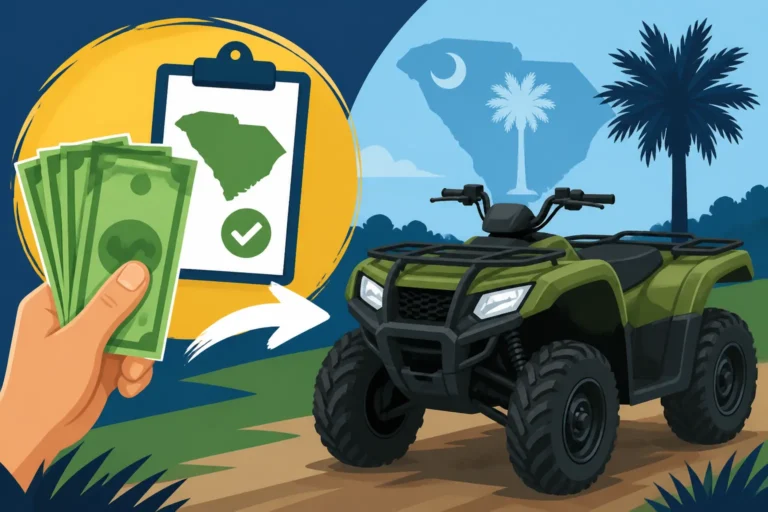
When you're ready to title your ATV or UTV with two owners, the first step is accurately completing the title application form. South Carolina's DMV typically uses [One DMV Form Handles Title, Registration or Both], which can be used for new titles, transfers, or even just updating information. On this form, you'll find sections for owner information. This is where you'll list both names, ensuring they are spelled correctly and match the identification you'll be providing. You'll also need to carefully select how their names are joined – either with "AND" or "OR," as discussed previously. This decision should be made collaboratively and with a full understanding of its implications.
Alongside the application, you'll need the proper proof of ownership. If your ATV or UTV is brand new, this will be the Manufacturer's Certificate of Origin (MCO), sometimes called a Manufacturer's Statement of Origin (MSO). For a used machine, you'll need the previous owner's properly assigned title. This means they would have signed over their title to you and your co-owner. Ensure all signatures required on the MCO or assigned title are present and correct before you submit your application. Any discrepancies can cause significant delays in processing your title at the DMV. You can find more specific details on what to expect for new machines in [South Carolina Requires an MCO for a New Machine] and for used ones in [Taking an Assigned Title From the Previous Owner].
Addressing Liens and Financing
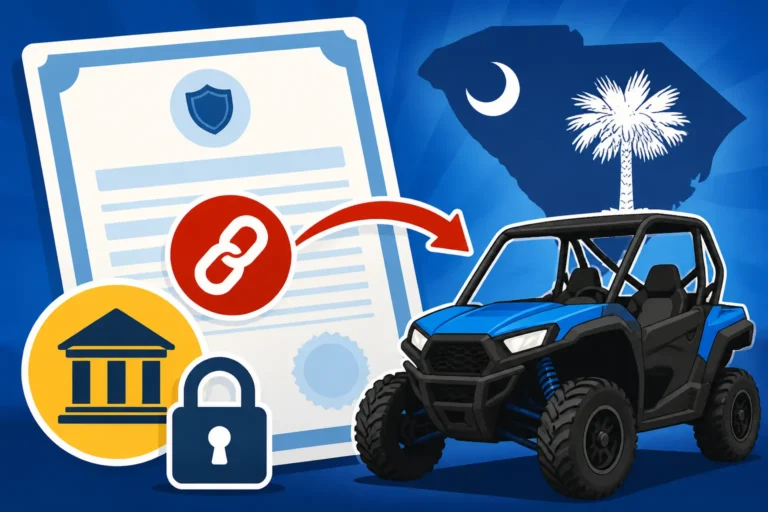
For many people, purchasing an ATV or UTV, especially a side-by-side, involves financing. When two owners are on the title, the lien information becomes even more crucial. If you've taken out a loan to purchase the machine, the financial institution that provided the loan will be listed as the lienholder on the title. This is standard procedure, but with two owners, it's essential that both owners are also part of the loan agreement, assuming both are responsible for the debt. The lienholder's name and address will be recorded on the title application, and the DMV will then ensure it's noted on the physical title once issued.
It's common for lenders to require all individuals listed on the title to also be signatories on the loan. This ensures that the lender has a legal claim against all parties responsible for the debt. The process for recording a lien is straightforward: the lender provides the necessary documentation to the DMV, which then adds their name to the title as a secured party. Understanding [How a Lien Gets Noted on Your Title] is vital, especially if you ever plan to sell the machine before the loan is fully paid off, as the lien must be satisfied and released before a clear title can be transferred.
Navigating Future Scenarios with a Two-Owner Title
While the initial joy of co-ownership is exciting, it's important to consider the "what ifs" down the road. Life is unpredictable, and thinking through potential future scenarios now can prevent headaches and legal battles later. From selling the machine to dealing with the passing of an owner, having a clear understanding of the implications of your title's wording is paramount.
Selling the Machine
When the time comes to sell your co-owned ATV or UTV, the "AND" versus "OR" distinction on your title will again come into play. If the title lists "Owner A AND Owner B," both individuals must be present to sign the title over to the new buyer. This can sometimes be a challenge if one owner has moved out of state, is traveling, or is simply unavailable. It demands coordination and mutual agreement. If one owner is unwilling to sell, the sale cannot proceed, which can lead to frustrating stalemates.
If, however, the title reads "Owner A OR Owner B," then technically, either owner can sign the title to transfer ownership. While this offers more flexibility, it also means one owner could sell the machine without the other's knowledge or consent, which can obviously lead to significant disputes and legal trouble between the co-owners. It's a stark reminder that while the "OR" allows for individual action, a good co-ownership agreement should always address sale procedures. If you ever find yourself in a situation where one owner is trying to sell without proper consent or you're missing a signature, the situation can quickly become complicated, potentially even leading to a scenario where you're asking [Selling a Machine Without a Title in South Carolina].
What Happens if an Owner Passes Away
This is one of the most sensitive and legally complex scenarios in co-ownership. The wording on the title directly impacts the transfer of ownership after an owner's death. If the title specifies "Owner A AND Owner B," and it doesn't explicitly state "with rights of survivorship" (which is rare on vehicle titles unless specifically requested and legally structured), the deceased owner's share of the ATV or UTV typically becomes part of their estate. This means it would be distributed according to their will or, if no will exists, according to South Carolina's intestate succession laws. The surviving owner would then have to deal with the estate's executor or go through probate to fully take ownership or sell the machine. This can be a lengthy and emotionally taxing process.
Conversely, if the title reads "Owner A OR Owner B," it generally implies that the surviving owner automatically assumes full ownership of the vehicle upon the death of the other, simplifying the transfer significantly. This is often referred to as "joint tenancy with right of survivorship" in real estate, and while vehicle titles don't always use this specific language, the "OR" conjunction often functions similarly. However, it's always best to consult with an attorney to clarify the exact legal implications for your specific title. Preparing for this eventuality is crucial, and having proper estate planning documents in place, perhaps drafted using resources like LawDepot, can make a huge difference. For more detailed information on this topic, you can refer to [South Carolina Titles After the Owner Dies].
Resolving Disputes Between Co-Owners
No one likes to think about conflict, especially when starting a shared venture like co-owning an ATV or UTV. However, disagreements can arise over anything from who gets to use the machine on a particular weekend, to who is responsible for maintenance costs, or even whether to sell it at all. These disputes can quickly turn sour, especially if not addressed by a clear co-ownership agreement. For instance, what if one owner wants to ride every weekend and the other only a few times a year, but both are splitting the fuel and tire costs equally? Or what if one owner wants to install expensive aftermarket parts, and the other thinks it's a waste of money?
Without a clear understanding or a written agreement, these disagreements can escalate, potentially requiring legal intervention, which is costly and time-consuming. This is where a formal co-ownership agreement truly shines. It can outline usage schedules, maintenance responsibilities, financial contributions, and, crucially, a defined process for resolving disputes or even a buy-out clause should one owner wish to exit the arrangement. Utilizing platforms like LawDepot to create a legally sound co-ownership agreement can provide a clear framework and peace of mind, preempting many common conflicts before they even begin.
Practical Considerations for Co-Owned ATVs and UTVs
Beyond the legalities of the title itself, co-owning an ATV or UTV involves several practical considerations that should be addressed upfront. Thinking about these details can smooth out the day-to-day experience of sharing your machine and prevent misunderstandings between owners.
Insurance Implications
Insurance is a critical component of ATV and UTV ownership, regardless of how many names are on the title. However, with multiple owners, it's important to ensure your policy reflects this arrangement accurately. Typically, all registered owners of the vehicle should be listed on the insurance policy. This ensures that everyone with a legal stake in the machine is covered in case of an accident, theft, or damage. Failing to list all owners could create complications if an incident occurs while an unlisted owner is operating the machine.
You'll need to discuss with your insurance provider whether a single policy covering both owners is sufficient, or if there are specific requirements for co-owned vehicles. They can help you understand liability coverage, comprehensive and collision options, and what happens if one owner has a less-than-perfect driving record compared to the other. Even though South Carolina does not mandate insurance for off-road ATVs, carrying coverage is always a wise decision, especially with co-ownership. You might want to review [Does an Off-Road Quad Need Insurance in South Carolina?] to understand the state's stance and the benefits of voluntary coverage.
Maintenance and Storage Responsibilities
When two people share an ATV or UTV, it’s easy for maintenance tasks and costs to fall through the cracks if responsibilities aren’t clearly defined. Imagine one owner assuming the other will handle the oil changes, or one person believing they paid for the last tire rotation, only to find out nobody did. Regular maintenance is crucial for the longevity and safety of your machine, so establishing a schedule and assigning duties is key. This could be as simple as alternating who pays for a service, or dividing tasks like cleaning the air filter versus checking tire pressure.
Likewise, storage can become a point of contention. Who is responsible for finding a secure place to keep the ATV or UTV when it’s not in use? Who pays for winterization or long-term storage solutions? If the machine is stored at one owner's property, what are the arrangements for access for the other owner? Having a conversation about these practicalities – perhaps even detailing them in a co-ownership agreement created through a service like LawDepot – can prevent frustration. Think about scenarios like [Storing a Quad Through a Mild Coastal Winter] and who will be responsible for preparing the machine.
Legal Documentation Beyond the Title
While the South Carolina title establishes legal ownership, it doesn't typically delve into the operational details of co-ownership. This is where supplementary legal documentation, such as a formal co-ownership agreement, becomes invaluable. This document goes beyond merely stating who owns the ATV or UTV; it can lay out the ground rules for its use, maintenance, financial contributions, and what happens in unforeseen circumstances.
A robust co-ownership agreement might cover:
| Category | Details to Consider |
|---|---|
| Usage | Who gets to ride when? Max mileage/hours? Designated riders? |
| Financials | How are fuel, maintenance, repairs, insurance, upgrades split? |
| Decision-Making | How are major decisions (selling, major repairs) agreed upon? |
| Dispute Resolution | What's the process if owners disagree? Mediation? Buy-out clause? |
| Termination | What happens if one owner wants out? Buy-out? Forced sale? |
| Death/Disability | How does ownership transfer if an owner passes or becomes incapacitated? |
Such an agreement serves as a blueprint for your co-ownership, providing clarity and a roadmap for resolving potential issues. You don't necessarily need an expensive attorney to draft one; reputable online legal document services like LawDepot offer templates that can be customized to fit your specific needs, giving you a solid foundation to protect your investment and your relationship with your co-owner. Taking the time to create this document now can save you significant time, money, and stress in the future.
Disclaimer
This article is for general informational purposes only and does not constitute professional advice. Laws, prices and regulations vary by location and change over time. Consult a qualified professional for guidance on your specific situation.