How a Lien Gets Noted on Your Title
Thinking about buying that sweet new side-by-side or a gently used quad in South Carolina? It's easy to get swept up in the excitement of hitting those trails. But for many folks, the process of financing can feel like navigating a muddy creek bed blindfolded, especially when it comes to understanding how a loan impacts your title. This guide is here to shine a light on exactly how a lien gets noted on your South Carolina ATV or UTV title, what it means for you, and how to eventually get it removed.
Understanding the Basics: What is a Lien on Your South Carolina ATV or UTV Title?
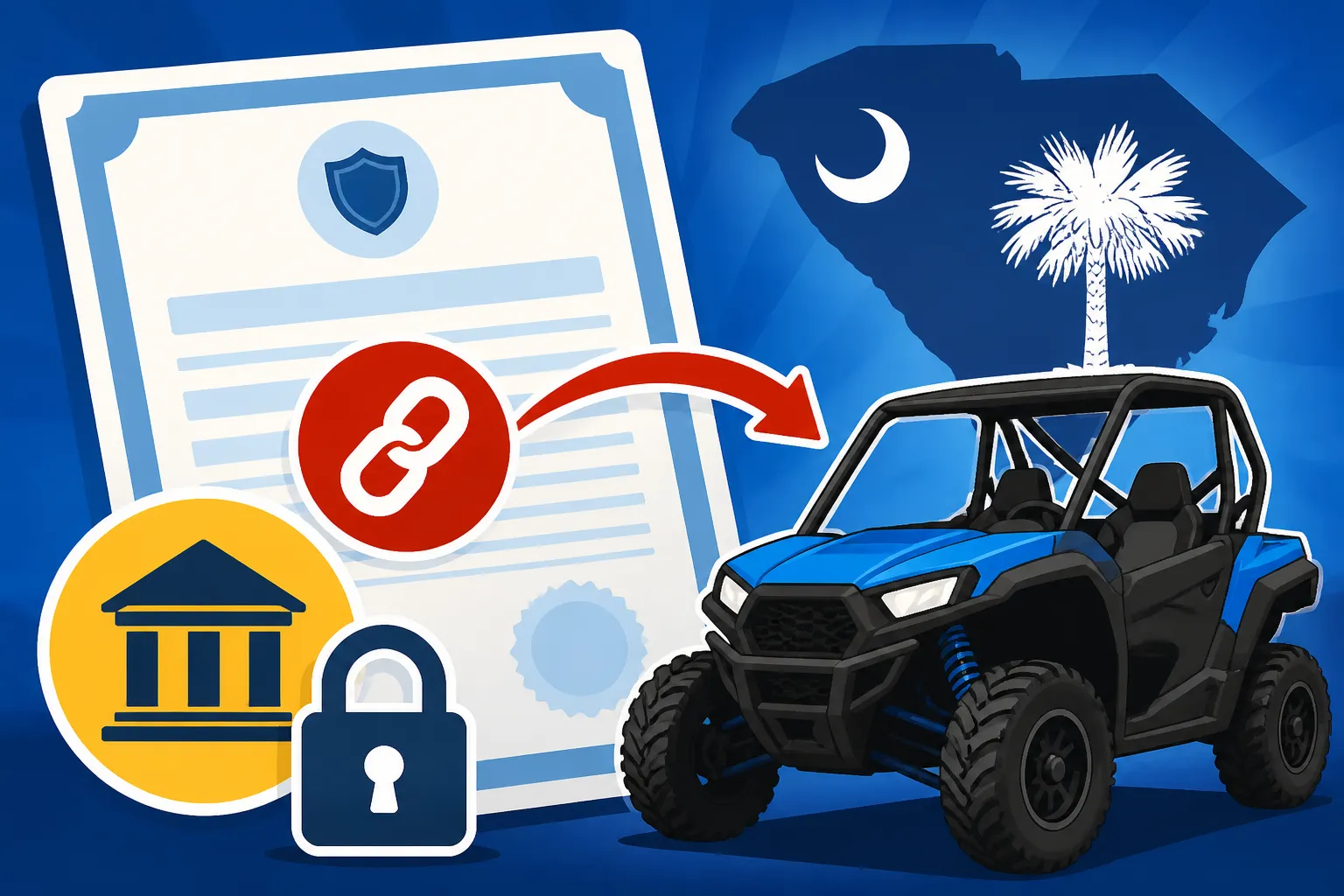
When you finance an ATV, UTV, or any other vehicle, you're essentially borrowing money from a bank, credit union, or dealership. The lender wants to make sure their investment is protected until you pay them back in full. That's where a "lien" comes into play. A lien is a legal claim or right against an asset, like your off-road machine, that is used as collateral to secure a debt. It means that while you possess and use the machine, the lender technically holds a stake in it until the loan is satisfied.
Imagine you're buying a new Polaris RZR from a dealership in Greenville. You don't have all the cash upfront, so you get a loan. That lender, whether it's the dealership's finance arm or your local credit union, wants to ensure that if you stop making payments, they have a legal right to reclaim the UTV to cover the outstanding debt. By noting their interest on the vehicle's title, they establish that legal claim. This is a fundamental aspect of secured lending and protects both the lender and, in a way, clarifies ownership status.
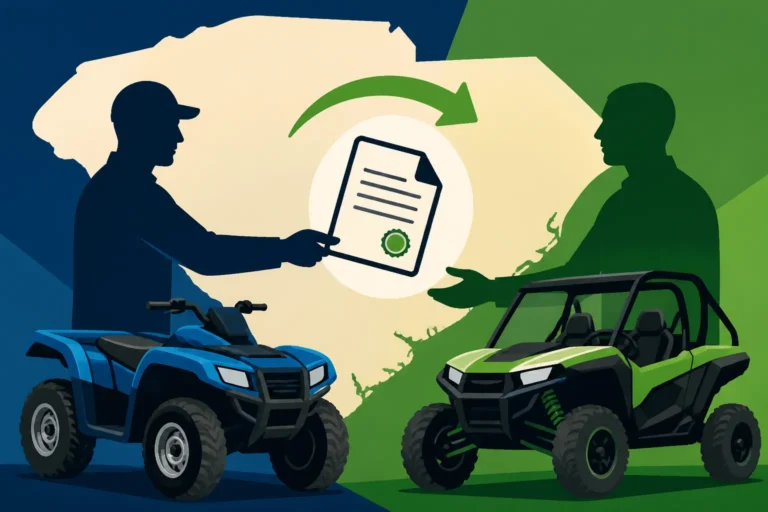
It's not just about what happens if you default, though that's a big part of it. A lien also prevents you from selling or transferring ownership of the ATV or UTV without the lender's knowledge and permission. This ensures the lender's interest is protected during any ownership changes. Without the lender's sign-off, you can't legitimately transfer a clear title to a new owner, which is why a buyer always wants a clear title in hand. This also means if you're ever looking to sell your machine privately, a lien will need to be addressed first. [South Carolina Titles After a Private Sale] highlights some of the complexities involved in selling a machine when financial interests are at play.
The DMV's Role: How a Lien Gets Noted in South Carolina
In South Carolina, when you finance your ATV or UTV, the lender's interest is recorded directly on the machine's title. This process usually happens when you first apply for the title with the South Carolina Department of Motor Vehicles (SCDMV). Whether you're titling a new machine or transferring an assigned title from a previous owner, if there's a loan involved, the lienholder's information will be added to the official document.
Here’s how it typically works: When you purchase a new ATV or UTV, the dealership often handles the initial paperwork for you, including submitting the title application to the SCDMV. They'll include the Manufacturer's Certificate of Origin (MCO) and, critically, the necessary forms detailing the lienholder's name and address. For a used machine bought from a dealer, they'll use the [South Carolina Assigned Titles for Used Machines] and likewise include the lienholder details. If you’re handling the titling yourself after a private sale where you’ve secured financing, you’ll be responsible for submitting this information directly. You'll use the same form that handles [One DMV Form Handles Title, Registration or Both], and on it, you'll provide the lender's name and mailing address.
The SCDMV will then issue the title. What's important to understand is that the physical title certificate, in most cases, won't be sent directly to you if there's a lien. Instead, it will be mailed to the lienholder. This is standard practice and serves as an additional layer of security for the lender. They hold onto the title until the loan is fully repaid. This can sometimes cause confusion for new owners who expect to receive their title right away, but it's completely normal when financing is involved. Knowing [South Carolina Title Processing Time] can help manage expectations about when the title officially reflects the lien.
It’s crucial to ensure all the information submitted for the lien is accurate. Misspellings or incorrect addresses for the lienholder could cause headaches down the road when it comes time to release the lien. Double-check any forms from your lender or dealership before they are submitted. Resources like LawDepot can be helpful for understanding promissory note templates and loan agreement structures, which often dictate how these lien details are to be presented, though your official documentation will come from your lender or the DMV.
Here's a quick comparison of what the title process looks like with and without a lien:
| Feature | Titling Without a Lien | Titling With a Lien |
|---|---|---|
| Primary Document Holder | Owner receives the physical title | Lienholder receives the physical title |
| Ownership Status | Clear, unencumbered ownership | Owner has possession; lender holds a security interest |
| Transfer of Ownership | Owner can sell/transfer independently | Requires lienholder's release before transfer |
| Required Forms | Title application, proof of ownership, bill of sale | Same, plus lienholder information on application |
| Impact on Refinancing | Not applicable | Lien must be released by old lender, new lien noted by new lender |
Freedom From Debt: Releasing a Lien in the Palmetto State
The day you make that final payment on your ATV or UTV loan is a fantastic feeling – it's like a weight lifted off your shoulders, almost as good as hitting a pristine trail on a perfect weather day! But paying off the loan doesn't automatically remove the lien from your title. There's a final, critical step you need to take to officially clear that lien and get a "clean" title in your name.
Once your loan is fully satisfied, your lender is legally obligated to release the lien. They will typically send you a lien release document or a letter stating that the debt has been paid in full and their interest in the vehicle is extinguished. This document is absolutely vital, so keep it in a safe place. If you don't receive it within a reasonable timeframe (usually a few weeks) after your final payment clears, don't hesitate to contact your lender and request it. Sometimes, you can find general templates for a lien release on platforms like LawDepot, which can give you an idea of what information to expect on the official document, but always use the one provided by your lender.
With the lien release document in hand, your next step is to present it to the South Carolina DMV. You'll need to submit this proof of release along with a new application for a corrected title. The SCDMV will then process this request, remove the lienholder's name from their records, and issue a new title certificate directly to you, the owner. This new title will show no liens, indicating clear ownership. Some folks might opt for the [South Carolina Expedite Fee of $20] if they're in a hurry to get their clear title, perhaps if they plan to sell the machine soon.
It's incredibly important not to skip this step. Even if your loan is paid off, if the lien isn't officially removed from the title records, the SCDMV still considers the lienholder to have an interest in your machine. This can cause significant issues if you try to sell the ATV or UTV, obtain new financing, or even if the vehicle is ever involved in an accident. Potential buyers will be hesitant to purchase a machine with an outstanding lien, and [Lenders That Will Not Finance an Untitled Quad] or a machine with an active lien are common. Always ensure your title reflects your true ownership status.
Beyond the Paperwork: Why Understanding Liens is Crucial for South Carolina Riders
Understanding how liens work in South Carolina isn't just about administrative tasks; it impacts your entire ownership experience. From the moment you buy a machine to the day you decide to sell it, the presence or absence of a lien plays a significant role in your rights and responsibilities. It’s not a detail to gloss over, especially in a state where many folks enjoy buying and selling machines privately.
For instance, if you're considering selling your ATV or UTV and you still have a lien on it, you can't just hand over the keys and a bill of sale. You'll need to coordinate with your lender to ensure the lien is released at or before the time of sale. Often, this involves the buyer's funds being used to pay off your outstanding loan, with the lender then providing the lien release directly to the SCDMV or to you. This process can be a bit more complex than a straightforward private sale, often requiring careful communication between all parties. [Why a Buyer Wants a Title in Hand] is often tied directly to the need for a clear title, free of any encumbrances.
Furthermore, a lien can affect your insurance. While South Carolina doesn't require insurance for off-road ATVs, if you financed your machine, your lender will almost certainly require you to carry comprehensive and collision coverage. This protects their investment in case of theft, damage, or total loss. If your ATV or UTV were stolen or totaled, any insurance payout would go first to the lienholder to cover the outstanding loan balance before any remaining funds came to you. [South Carolina Title and Lien Records] are often checked by insurance companies to verify ownership and lien status.
Finally, knowing the lien status is critical when buying a used ATV or UTV from a private seller. Always ask to see the title and ensure that there are no liens noted on it. If there is a lien, the seller needs to provide proof of its release or arrange for its release as part of the sale. Without a clear title, you could end up with a machine that still has a lender's claim on it, creating a huge headache and potentially costing you money to resolve. It's a key piece of [What to Bring to a South Carolina DMV Counter] when you go to transfer a title, ensuring everything is above board. Even if you draft your own bill of sale with a platform like LawDepot, always verify the title details independently.
Disclaimer
This article is for general informational purposes only and does not constitute professional advice. Laws, prices and regulations vary by location and change over time. Consult a qualified professional for guidance on your specific situation.