South Carolina Riding in Summer Heat
A summer ride in South Carolina can turn uncomfortable quickly: high humidity, exposed trail sections, and slow-moving machines make it easy to get overheated before you realize it. This guide explains how to plan a safer hot-weather ride, prepare your ATV or UTV, recognize heat illness, and make sensible decisions on the trail.
Plan a South Carolina ride around the heat
Choose your time and route carefully
On a hot day, an early start is usually more comfortable than riding through the afternoon. Trails can feel especially demanding when the sun is high and the air is humid, even if you are moving. Build in time for rest and water breaks rather than treating them as delays to squeeze out of the schedule.
Think about the kind of trail you are choosing, too. A wooded route may offer more shade than an open stretch, but shade does not eliminate heat or humidity. Routes around Enoree, Parsons Mountain, and Wambaw have different terrain and riding conditions, so check the trail information before setting out. A map tool such as onX Offroad can help you review your route and spot turns or access points before cell service becomes unreliable. Save the information you need before leaving the staging area.
Keep the planned ride realistic for the least experienced or most heat-sensitive person in your group. A route that feels manageable in cool weather may become tiring when riders are wearing protective gear and moving slowly over rough ground. If anyone is new to riding, young, recovering from an illness, or not used to summer heat, plan a shorter outing with easy opportunities to turn back.
Check access and conditions before hauling
A trail that was open on your last visit may have different conditions today. Rain, maintenance, land-management decisions, or seasonal rules can affect access. Check the responsible trail or riding-area information before loading the machines, and confirm any pass, vehicle, or width requirements that apply. For public forest routes, review [South Carolina Trail Conditions Before You Haul] and [South Carolina National Forest OHV Passes].
Weather deserves the same attention as trail access. Look at the forecast for the riding area, not just your home or hotel. Heat, humidity, storms, and heavy rain can change how a day feels and how a trail rides. A route that crosses low ground may become unpleasant or unsafe after a storm, while a sudden thunderstorm can leave riders exposed far from their vehicles.
Have a simple backup plan: a shorter loop, a nearby place to cool off, and a clear point at which you will head back. Apps such as onX Offroad can help with route planning, but do not rely on a phone alone in a dead zone. Download or save maps ahead of time, carry a paper map if appropriate, and tell someone where you expect to ride and when you plan to return.
Prepare riders for heat and humidity
Hydrate before and during the ride
Do not wait until you feel thirsty to start drinking. Begin the day well hydrated, then take regular drinks during the ride and at stops. A hydration pack can make it easier to sip while riding, while bottles stored in an accessible place can work well when the group stops. Keep extra water in the tow vehicle or at the staging area, rather than assuming everyone will have enough in a small pack.
Water is essential, but a long, sweaty ride can also mean losing salts. For an extended outing, consider bringing an appropriate electrolyte drink or snacks, especially if you know you will be sweating heavily. Avoid relying on energy drinks or alcohol as hydration substitutes. If a rider has a medical condition or follows a specific fluid plan, they should follow the advice they have been given by a healthcare professional.
Make drinking part of the group routine. Stop in a safe place, check that everyone is taking a break, and refill before someone runs low. This matters with children and quieter riders, who may not speak up when they are tired or uncomfortable. For more practical hot-weather packing ideas, see [Hydration at a Carolina Riding Park] and [Packing for Carolina Humidity].
Wear protective gear without ignoring ventilation
Protective gear is important, but heavy, poorly ventilated clothing can add to heat stress. Choose gear that fits properly and allows airflow while still providing the protection appropriate for your machine and riding conditions. A helmet should fit securely and be in good condition; never skip it just because the day feels hot.
Wear eye protection, gloves, sturdy footwear, and clothing that covers exposed skin. Lightweight, breathable layers can help reduce sun exposure without trapping as much heat as thick, non-breathable material. A moisture-wicking base layer may feel more comfortable than cotton once it becomes damp with sweat. Keep sunscreen available for exposed areas, and reapply it according to its label, especially after sweating.
A cooling towel or damp cloth can offer relief during a stop, but it is not a replacement for water, shade, or ending the ride when someone feels unwell. Take off extra layers only when stopped in a safe location, and put protective equipment back on before riding again. If you are preparing for a group outing, review [South Carolina Trail Etiquette Locals Expect] so rest stops and shared trail space remain considerate for other riders.
| Before you ride | What to do | Why it matters |
|---|---|---|
| Check the forecast | Review heat, humidity, rain, and storm risk near the riding area | Conditions can differ from home and change during the day |
| Plan the route | Choose a manageable loop and save maps offline | Heat and weak cell service can make navigation harder |
| Pack fluids | Bring water for the ride and extra supplies at the vehicle | A small personal supply may not last through a long outing |
| Check the group | Identify who may need a shorter ride or more frequent stops | Riders do not all respond to heat in the same way |
| Inspect the machine | Check cooling, tires, brakes, and fluids as specified by the owner’s manual | Mechanical trouble is harder to manage in hot, remote conditions |
| Set a turnaround point | Decide when the group will head back, even if the route is not complete | It prevents “just one more loop” from extending a tiring day |
Get the ATV or UTV ready for summer
Inspect cooling and basic systems
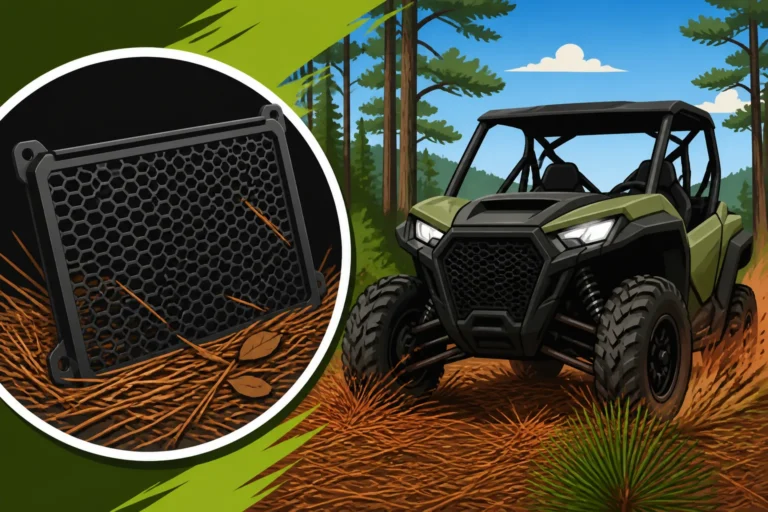
A hot day puts extra demands on both riders and machines. Before leaving, follow the maintenance schedule and inspection guidance in your owner’s manual. Check coolant level and condition if your machine uses liquid cooling, look for debris around cooling surfaces, and make sure the radiator area is not packed with mud, grass, or leaves. Do not open a hot radiator cap; pressurized coolant can cause severe burns.
Check oil and other required fluids, tires, brakes, throttle operation, lights, and the battery. Look for leaks or damage, and make sure cargo is secured so it cannot shift into a wheel, exhaust, or moving part. If the machine has been used in mud or water recently, clean and inspect it before a long ride rather than assuming it is ready because it ran fine last time.
Dust and debris can build up during a ride, particularly on dry trails. If you stop to inspect the machine, park safely away from the trail and let hot components cool before touching them. Do not remove guards or reach near a fan, belt, or other moving parts while the engine is running. If you notice a warning light, unusual smell, loss of power, or rising temperature indication, stop in a safe place and consult the machine’s instructions.
Carry practical supplies and protect your route plan
A small repair kit can help with minor issues, but avoid carrying tools you do not know how to use. Useful basics may include a tire repair kit suitable for your machine, a tire gauge, a compact first-aid kit, a flashlight, a charged phone, and any manufacturer-recommended tools. Keep supplies secured and protected from mud and water.
Carry more water than you expect to need, and keep an emergency reserve separate from your everyday supply. A first-aid kit should be easy to reach, not buried under luggage. If your group has a communication plan or radios, check them before entering areas where phone service may be limited. Let someone outside the group know your expected route and return time.
Use onX Offroad or another mapping option to prepare, but pair digital navigation with sensible backup planning. Mark the trailhead, the intended route, and a place where the group can turn around. Be mindful of private property, gates, and posted restrictions; a mapped line does not automatically mean you have permission to ride there. For additional preparation, see [South Carolina ATV Trail Map Downloads] and [South Carolina Trail Etiquette Locals Expect].
Recognize when it is time to stop
Watch for early signs of heat illness
Heat illness can begin with symptoms that are easy to dismiss as ordinary fatigue. A rider may become unusually tired, dizzy, weak, nauseated, or develop a headache. They may sweat heavily, seem irritable, or have trouble keeping up with the group. Do not assume someone can simply push through until the next planned stop.
Stop riding and move the person to a cooler, shaded place. Help them rest, loosen unnecessary clothing, and cool their skin with water or a damp cloth. Offer small sips of water if they are alert and able to drink safely. Do not leave the person alone while the rest of the group continues riding. If symptoms are severe, worsening, or do not improve, seek medical help.
Confusion, fainting, seizures, or loss of consciousness are emergency warning signs. Call emergency services and begin cooling the person while help is on the way. Do not give fluids to someone who is unconscious, confused, or unable to swallow safely. Heat illness is not a test of toughness, and a group should treat a serious symptom as a reason to stop the ride.
Make the turnaround decision early
It is easy to keep going when the trailhead feels close or the group has planned a full day. But the safest time to turn around is before anyone is in trouble. If a rider is becoming quiet, slowing down, stumbling, or repeatedly asking to stop, take that seriously. One person’s discomfort is enough reason to pause and reassess the plan.
Set expectations before starting: anyone can call for a break without being teased, and the group will stay together. A leader should check in at stops, not just ask “everyone good?” Watch how people are moving and speaking. A rider may say they are fine because they do not want to hold up friends, even when their behavior suggests otherwise.
If the heat becomes too much, end the ride. Returning early is a sensible outcome, not a failed outing. For help choosing a manageable route next time, compare [Best South Carolina ATV Trails for Beginners] and [South Carolina Trail Difficulty Ratings]. A shorter, comfortable ride is usually a better memory than a long one that ends with a preventable emergency.
Disclaimer
This article is for general informational purposes only and does not constitute professional advice. Laws, prices and regulations vary by location and change over time. Consult a qualified professional for guidance on your specific situation.