Recovery Service Billed by the Hour
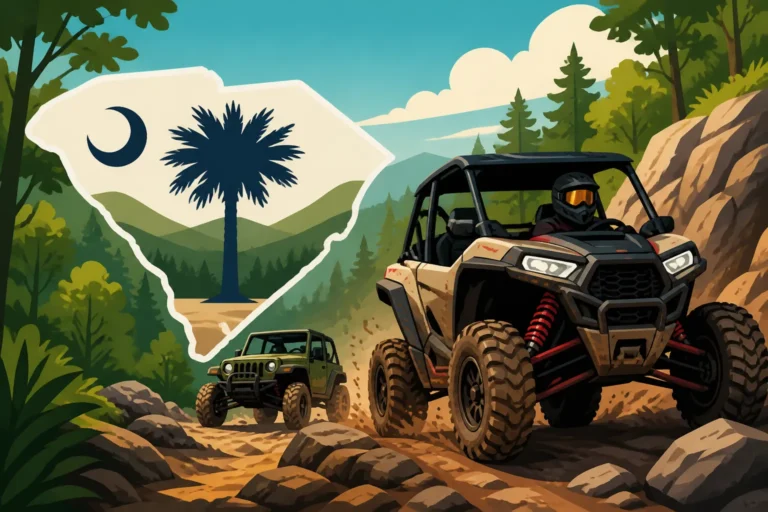
A machine buried to its axles in Carolina clay can turn a fun trail day into a costly, stressful wait. At private riding parks, recovery may be billed by the hour, and the final charge can depend on equipment, access, and how long the job takes. This guide explains what to ask before you ride, how to reduce recovery risks, and what to do when a machine gets stuck.
What hourly recovery service means
The clock may cover more than the pull
“Billed by the hour” sounds simple, but it does not always mean the clock starts when a recovery vehicle reaches your ATV or UTV. A park may have a minimum billing period, charge in set increments, or count time spent locating and reaching your group. If heavy equipment is needed, that may be handled as a separate service with its own billing rules.
Before riding, ask the park what its hourly charge covers. Does the clock begin when you call, when staff leave the staging area, or when recovery work starts? Is there a minimum charge? Does the same rate apply to a winch-equipped utility vehicle and a larger recovery rig? These details can make a significant difference if your machine is stuck far from an accessible trail.
Recovery is also not always one straightforward pull. Staff may need to assess the ground, reach the machine safely, clear brush, attach recovery gear, and make several careful attempts. A UTV stuck on a slope or in deep mud may take longer to extract than an ATV that simply needs a short winch pull.
Heavy equipment can change the job
A staff member may be able to recover a lightly stuck machine using a winch and suitable rigging. A machine resting on its side, pinned against an obstacle, or buried in soft ground may require heavier equipment. That can mean more travel time, a different recovery setup, or a separate equipment charge. Ask whether the park bills for heavy equipment in addition to staff time.
A difficult recovery is not only about the machine. The route to it matters, too. If a recovery rig cannot reach the trail, staff may need to use a smaller vehicle, carry equipment in, or move your machine in stages. At places with narrow woods trails or rocky sections, the route can determine what equipment is safe to use.
For a deeper look at how these charges can be structured, see Recovery Service Billed by the Hour, Heavy Equipment Billed by the Hour, and Recovery Billing Starts at a Half-Hour Minimum. Treat those details as questions to confirm with the riding area rather than assuming every South Carolina park follows the same policy.
Get the policy before unloading
Call or check the park’s official rules before you unload. Ask for its current recovery and equipment policies, whether payment is due immediately, and what forms of payment are accepted. If your group is visiting a private park such as Carolina Adventure World or Gulches ORV Park, do not assume one park’s process applies at the other.
A useful question is: “If my machine gets stuck on a trail, how is recovery time counted, and what charges could be added?” Follow up by asking whether staff can provide an estimate before starting, when conditions allow. In a time-sensitive or unsafe situation, staff may need to act first, but knowing the usual process ahead of time helps avoid surprises.
If you’re comparing parks, include recovery rules alongside trail access, machine restrictions, and riding conditions. The policies in South Carolina Private Park Recovery Fees and Who Pays When a Park Winches You Out are useful prompts for what to ask, but the specific park’s current posted rules should guide your decision.
Why South Carolina trail conditions affect recovery
Clay and rain can turn a small mistake into a long recovery
Carolina clay can be slick when wet and hard to predict under the surface. A trail that seemed manageable on the way in may become much harder after rain, especially in shaded low spots where water drains slowly. Spinning the tires usually makes matters worse: it can dig the machine deeper, polish the ground into a slippery rut, and make recovery more complicated.
When a machine starts losing traction, stop early. Get everyone clear of the tires and moving parts, check whether the machine is stable, and avoid repeated throttle bursts. If the situation is safe and you know how to use your equipment, a controlled self-recovery may work. If the machine is tipping, the ground is unstable, or the recovery point is unclear, wait for trained staff instead.
Before setting out, check for conditions that may affect access. South Carolina Trail Closures After Rain and South Carolina Trail Conditions Before You Haul are good reminders that a trail’s status can change. A wet-weather closure is not an inconvenience to work around; it is a signal to avoid entering a trail that may be unsafe or especially vulnerable to damage.
Public forest trails and private parks are not the same
Recovery arrangements depend on where you ride. At a private park, staff may offer recovery as a paid service, but availability, response procedures, and charges are set by that park. On public forest trails, you should not assume there is an on-call park crew ready to retrieve a machine. You may need to rely on your group, a prearranged recovery plan, or outside assistance where access permits.
South Carolina’s forest riding areas have different layouts and machine limits. For example, an ATV rider should not assume a full-size UTV can enter every trail. Check the rules for the specific route before hauling out. South Carolina Trails That Allow Side-by-Sides and South Carolina’s Four National Forest Trails can help you narrow down where to investigate, while the trail manager’s current information should settle the final question.
At Enoree or Parsons Mountain, think about access as well as mileage: where is the staging area, how far might you be from it, and can a recovery vehicle reach the section you plan to ride? Those questions matter even more if you are traveling with a single machine or riding far from your tow vehicle.
Navigation helps your group explain where you are
A recovery call is much easier when you can describe your location clearly. Before riding, note the trail name, direction of travel, nearby junctions, and any recognizable landmarks. Share your planned route and expected return time with someone who is not riding with you.
The onX Offroad app can help riders review routes and orient themselves, but do not make a phone app your only navigation plan. Signal may be weak or absent in wooded areas, and a device can run out of battery or be damaged. Download or save the information you need before leaving service, bring a charged phone, and consider carrying a paper map and a power bank.
If you call for help, give staff your group size, machine type, trail location, and a clear description of what happened. Tell them if anyone is injured, if the machine is unstable, or if weather is worsening. Avoid sending one rider off alone to find help unless the group has agreed on a safe plan and the route is familiar.
How to reduce the chance and cost of recovery
Match the route to your machine and experience
The most effective recovery plan begins before the wheels hit the trail. Choose routes that suit your machine’s width, ground clearance, tires, and your group’s experience. A narrow trail, steep rock section, or muddy cut may look like a fun challenge, but it can become a costly problem if your vehicle is not suited to it.
Look at posted rules and trail conditions rather than relying only on old trip reports. A route that was dry and easy during one visit may be slick or rutted after rain. Check whether the riding area permits your machine type, whether there are width restrictions, and whether any sections are closed. The guide to South Carolina Trail Difficulty Ratings can help frame the questions to ask when choosing a route.
Ride with a group when possible, but do not assume another machine can safely pull yours out. Improvised towing can damage both vehicles or injure someone if straps, anchor points, or ground conditions are unsuitable. Use rated recovery points and equipment only if you know how to use them safely, and follow the park’s rules.
Carry sensible recovery and communication gear
A practical kit depends on your vehicle and riding area, but it may include gloves, a suitable tow strap, a rated soft shackle, a small tool kit, a first-aid kit, water, and a way to communicate when cell service is poor. Keep gear secured so it cannot shift or become tangled in moving parts. Do not attach recovery gear to a rack, bumper, or other component unless the manufacturer identifies it as a recovery point.
Before the ride, inspect your tires, winch, battery connections, and recovery points. A winch that has not been tested, or a strap with visible damage, may not be dependable when you need it. If you are unfamiliar with recovery techniques, ask for instruction before riding rather than learning while a machine is stuck on a slope.
Navigation is part of preparation, too. The onX Offroad app can be useful for planning and checking your position, but pair it with offline preparation and a backup. Tell your group how to share a location pin or describe a junction, and agree on what to do if someone gets separated.
Make a recovery plan with your group
Before leaving the staging area, agree on a few basics: who carries the first-aid kit, who has the map, how you will contact one another, and what to do if a machine becomes disabled. Keep the group together at junctions and regroup after difficult sections. A rider who moves ahead without telling anyone can make an otherwise manageable delay much harder to resolve.
If a machine is stuck, first check for injuries and immediate hazards. Turn off the engine if continuing to run it could cause damage or create danger. Keep bystanders away from tensioned straps, winch lines, and the vehicle’s path. Then decide whether a safe self-recovery is realistic or whether to contact park staff.
What to do when your machine is stuck
Pause and assess before trying to move it
Take a moment to look at the machine and the ground. Is it leaning, partly submerged, resting against a tree, or positioned where another pull could make it roll? Is anyone injured? Is water rising, daylight fading, or weather moving in? If there is immediate danger, focus on people first and contact emergency services where appropriate.
Do not keep applying throttle in the hope that the tires will suddenly grip. That can dig the machine deeper, overheat components, or throw debris. If the vehicle is stable and you have the right gear and experience, a careful recovery may be possible. Otherwise, contact the park’s staff and explain the situation rather than improvising a risky pull.
If you are at a private park, ask whether recovery staff can reach your location and whether the park requires you to stay with the machine. Confirm the billing process before work begins if the situation allows. If conditions are unsafe, do not delay necessary help just to resolve every cost question first.
Give staff the details they need
When calling, be specific. Provide the trail or area name, the nearest junction or landmark, your machine type, the number of people with you, and whether anyone is hurt. Explain whether the vehicle is upright, on its side, submerged, or blocking the trail. Clear information can help staff decide what equipment to bring and avoid an unnecessary trip.
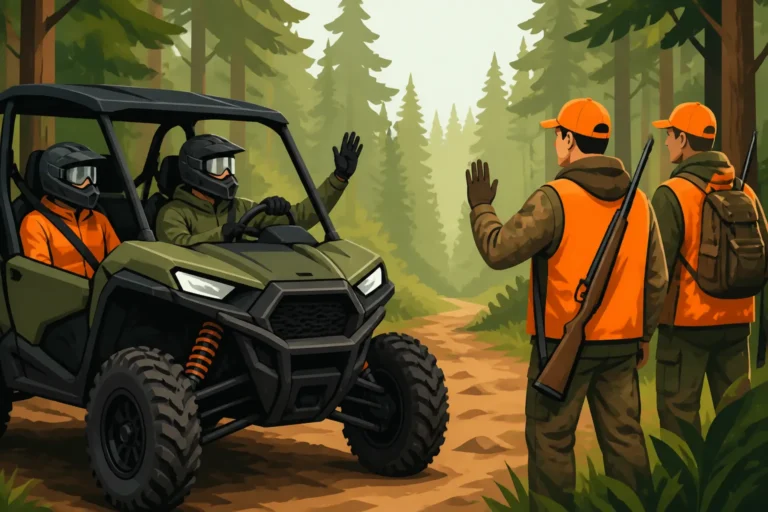
Ask who will meet you, whether you should remain with the machine, and what you should do while waiting. Keep people out of the recovery path and away from cables or straps. If staff give instructions, follow them; they know the park’s access routes and may need to protect other riders as well as your group.
After the machine is recovered, check it carefully before riding again. Look for damaged tires, loose bodywork, leaking fluids, or steering and braking problems. A machine that has been rolled, submerged, or pulled hard may need inspection before it is safe to continue.
Keep the billing and incident details
Once the immediate situation is under control, ask for an itemized explanation of the recovery charge. Confirm how much time was billed, whether equipment or travel was added, and whether the charge was paid to the park or another provider. Keep a receipt and make a note of the time, location, and circumstances.
A simple record helps if you have a question later, and it can also help you identify what to change before your next ride. Maybe the route was beyond the machine’s capability, the group underestimated wet conditions, or the recovery gear was not suited to the job. If a charge is unclear, raise the question calmly with park staff and refer to the rules you were given before the ride.
Being prepared does not guarantee that you will never need help. It does make it easier to protect your group, communicate clearly, and understand what an hourly recovery service may involve before an unexpected stop changes the day.
Disclaimer
This article is for general informational purposes only and does not constitute professional advice. Laws, prices and regulations vary by location and change over time. Consult a qualified professional for guidance on your specific situation.