The Law Behind South Carolina’s Street-Legal UTVs
For years, UTV owners in South Carolina faced a confusing landscape when it came to riding their machines anywhere beyond private property or designated off-road parks. The dream of using a side-by-side for quick errands, commuting to a hunting spot, or just enjoying a cruise on local roads felt out of reach or fraught with legal risk. This guide is here to untangle the complexities and walk you through the specifics of the law that finally paved the way for street-legal UTVs in the Palmetto State, giving you clarity on what you can and can't do.
The Shift to Street Legality: What Changed in South Carolina?
Before recent legislative changes, the idea of legally driving your UTV on public roads in South Carolina was largely a non-starter for most riders. UTVs were, for all intents and purposes, considered off-road vehicles. This meant that unless you were on private land, a designated trail system, or under specific agricultural exemptions, keeping your wheels on asphalt could lead to a ticket, or worse, an impoundment. It was a source of constant frustration for many of us who saw the utility and fun these machines offered and wished we could enjoy them more freely.
This began to change thanks to a significant piece of legislation: Act 164. This act, signed into law, was a game-changer for UTV enthusiasts across the state. It essentially created a new class of vehicle, defining specific criteria for UTVs to be considered "street-legal." This wasn't just a tweak to an existing rule; it was a fundamental reclassification that acknowledged the growing popularity and versatility of side-by-sides. Suddenly, the possibility of legitimate road use became a reality, opening up new avenues for recreation and practical transportation. [South Carolina Act 164 and Street UTVs] is a great resource if you want to dive deeper into the specifics of this legislation.
The introduction of this law wasn't without its complexities or initial questions from riders and even law enforcement. It meant learning a whole new set of rules regarding equipment, registration, and where these newly legal machines could actually operate. It also meant a new kind of conversation at the DMV, a place many of us are already used to navigating for car tags and driver's licenses. The spirit of the law, however, was clear: to provide a pathway for UTVs to coexist safely and legally on South Carolina's public roads, addressing a long-standing demand from the riding community.
What Makes a UTV "Street-Legal" in the Palmetto State?
So, you're ready to explore South Carolina's roads on your UTV. That's awesome! But before you hit the pavement, your side-by-side needs to jump through a few hoops to be truly "street-legal." This isn't just about slapping a license plate on it; it’s about meeting a specific set of equipment and machine specifications designed for safety and compliance with road laws. Think of it like getting your machine ready for a rigorous inspection – every detail matters.
Essential Equipment Requirements
The law is pretty clear about what your UTV needs to have. It's not optional, and it's certainly not something you want to guess at, especially if you get pulled over. You'll need working headlights and taillights, of course, but also brake lights and turn signals on both the front and rear of the vehicle. A horn is a must, as are mirrors (either one rearview or two side mirrors) for visibility. A windshield is also required, and it needs to be made of safety glass or a similar material that won't shatter dangerously. [South Carolina Street UTV Machine Specs] goes into even more detail on these requirements.
Many UTVs come from the factory with some of these features, but others might need aftermarket additions. Companies like SuperATV specialize in these kinds of accessories, offering everything from DOT-approved windshields to complete turn signal kits that integrate seamlessly with your UTV. Investing in quality parts is crucial here, as you don't want something failing an inspection or, worse, failing when you need it most on the road. Remember, these requirements are about ensuring you can see and be seen, and communicate your intentions to other drivers, which is paramount for safety.
Furthermore, your UTV must have a functional braking system, a parking brake, and a muffler to prevent excessive noise. Seatbelts are mandatory for all seating positions, and they must be properly functioning. These items aren't just bureaucratic red tape; they are fundamental safety features that protect you, your passengers, and others on the road. Double-checking each of these points before you even consider the DMV is a critical first step.
Machine Specifications and Limitations
Beyond the equipment, there are also specific physical dimensions and capabilities that define a street-legal UTV. For instance, your UTV cannot exceed 80 inches in width and its weight must be under 4,000 pounds. These limits are in place to ensure that UTVs can safely share road space with other vehicles and don't pose undue risks due to their size or bulk. It's worth pulling out your owner's manual or even measuring your machine if you're unsure about these dimensions.
The law also specifies that a street-legal UTV must be capable of traveling at least 25 miles per hour but not exceed a certain speed on certain roads. This ensures that the vehicle can keep up with traffic in designated areas without becoming a hazard, while also acknowledging that UTVs aren't designed for highway speeds. It's a balance between utility and safety that helps define their role on public roads.
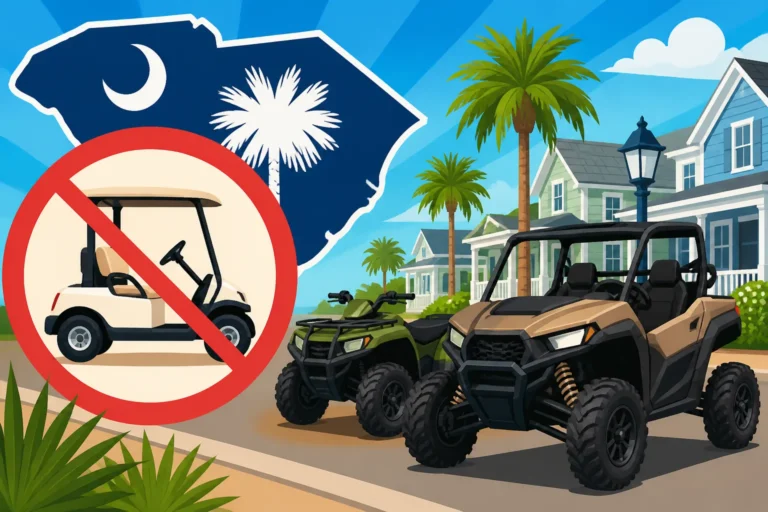
One important distinction to remember is that a street-legal UTV is not the same as a low-speed vehicle (LSV) or a golf cart, even though they might share some similar characteristics. Each of these categories has its own unique set of rules, restrictions, and registration processes. While a golf cart permit might let you cruise around your neighborhood, a street-legal UTV sticker opens up a much broader range of possibilities. Make sure you understand these differences so you're not mistakenly thinking your converted UTV falls under golf cart rules, which are far more restrictive. [A Low-Speed Vehicle Is Not a South Carolina UTV] sheds more light on this.
Here’s a quick overview of key requirements for a street-legal UTV in South Carolina:
| Feature/Requirement | Description |
|---|---|
| Headlights/Taillights | Must be operational, front and rear. |
| Brake Lights | Functional when brakes are applied. |
| Turn Signals | Front and rear, functional and clearly visible. |
| Horn | Operational and audible from 200 feet. |
| Mirrors | One rearview mirror OR two side mirrors. |
| Windshield | Safety glass or similar material. |
| Braking System | Functional primary and parking brakes. |
| Muffler | To prevent excessive noise. |
| Seatbelts | Required for all occupants, properly functioning. |
| Width Limit | Not to exceed 80 inches. |
| Weight Limit | Not to exceed 4,000 pounds. |
| Speed Capability | Capable of 25 MPH, limited on certain roads. |
| Tires | Must be DOT-approved, if replacing factory. |
Getting Your Street-Legal UTV on the Road: Registration, Titles, and Insurance
So, you've ensured your UTV meets all the equipment and machine specifications. That's a huge step! Now comes the administrative part: getting it officially recognized and legal for road use. This involves a trip to the DMV, dealing with titles, registration, and making sure you have the right insurance. It can feel like a bit of a hurdle, but with the right information, it's totally manageable.
Navigating the Title and Registration Process
The process for titling and registering your street-legal UTV is similar to what you'd go through for a car or truck, but with specific nuances for UTVs. First, you'll need a title for your machine. If you bought it new from a dealer, they likely handled the initial Manufacturer's Certificate of Origin (MCO) and helped you apply for a title. If you bought it used, you'll need the previous owner's properly assigned title. This document is proof of ownership and is absolutely necessary for registration. [South Carolina Title Applications at the DMV] provides a good overview of what's involved there.
Once you have your title sorted, you can apply for registration and a license plate. This is where your UTV officially becomes "street-legal" in the eyes of the state. You'll fill out the appropriate forms at the Department of Motor Vehicles (DMV), provide your proof of ownership (the title), and pay the necessary fees. The state began opening registrations for street-legal UTVs around November 2026, so make sure you're aware of the current timelines and requirements as they roll out. [South Carolina Street UTV Registration Arrives] is a great place to check for the most up-to-date information on this.
It's a good idea to call your local DMV office beforehand or check their website to confirm exactly what documents you need to bring. This can save you a lot of time and frustration, avoiding multiple trips. They might ask for things like proof of address, your driver's license, and potentially the UTV's VIN verification. Make sure every piece of paperwork is accurate and complete; a missing signature or an incorrect VIN can definitely stall your title and registration. [A Missing Signature Can Stall Your Title] highlights common pitfalls.
Mandatory Insurance Requirements
Just like any other vehicle operating on public roads, your street-legal UTV will need to be insured. This isn't just a suggestion; it's a legal requirement. South Carolina mandates liability insurance to cover damages or injuries you might cause to others in an accident. The minimum coverage amounts are typically specified by state law, so you'll want to ensure your policy meets or exceeds these figures. [South Carolina Street UTV Insurance Rules] outlines these requirements in detail.
When you go to register your UTV, you'll need to provide proof of this insurance. This usually comes in the form of an insurance card or a declaration page from your policy. Don't leave home without it when heading to the DMV. Many insurance providers now offer policies specifically tailored for street-legal UTVs, so it's worth shopping around to find one that fits your needs and budget.
It’s also wise to consider additional coverage beyond the minimum liability. While not legally required, comprehensive and collision coverage can protect your investment against theft, vandalism, fire, or damage to your own machine in an accident. Given the cost of UTVs and their accessories (like those quality parts from SuperATV you might have added!), having robust insurance coverage can provide significant peace of mind. Discuss your options with a reputable insurance agent to ensure you're fully protected.
Where and How You Can Ride Your Plated UTV in South Carolina
So, you've got your street-legal UTV, plate, and insurance – congratulations! The open road (or at least, some of it) is now calling. But just because your UTV is street-legal doesn't mean you can take it absolutely anywhere. There are still specific road rules, age restrictions, and limitations on where you can operate these machines. Understanding these boundaries is crucial for enjoying your UTV without running into legal trouble.
Road Rules and Speed Limits
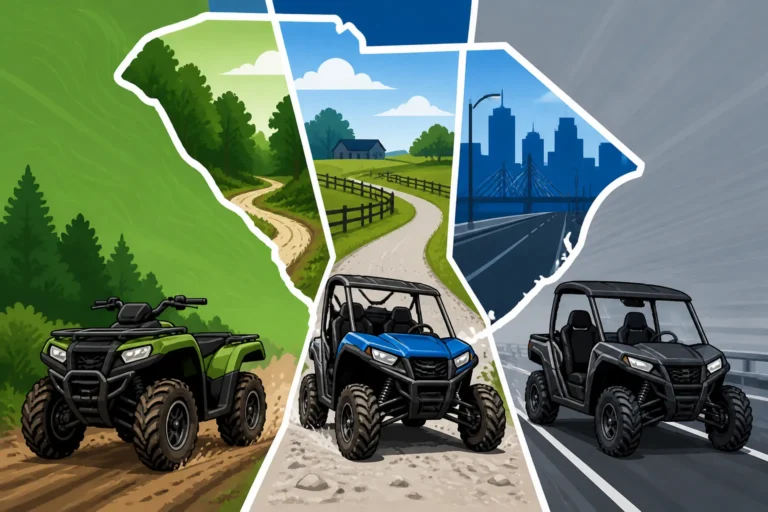
A key aspect of South Carolina's law for street-legal UTVs is that they are generally permitted on secondary roads. This typically means roads with a posted speed limit of 55 miles per hour or less. So, forget about cruising down major interstates or high-speed divided highways – those are still off-limits. The intent here is to allow UTVs on roads where traffic flows at a more moderate pace, minimizing the speed differential with other vehicles and enhancing safety. [South Carolina Street UTV Road Speed Limits] explains this in detail.
When you're operating your UTV on these approved roads, you're expected to follow all the same traffic laws as any other vehicle. This includes obeying stop signs, traffic lights, yielding rules, and all other regulations. It’s not a free-for-all; you are sharing the road with cars, trucks, and motorcycles, and common courtesy and adherence to the law are paramount. Treat your UTV as you would any other street-legal vehicle, and you'll generally be fine.
It’s also important to be mindful of local ordinances. While state law provides the overarching framework, individual cities or counties may have additional restrictions or designated areas where UTVs are not permitted, even if they meet the state's street-legal definition. Always check with local authorities if you're planning to ride in a specific area you're unfamiliar with. A quick phone call to the local sheriff's department or town hall can save you a lot of grief.
Age and License Requirements
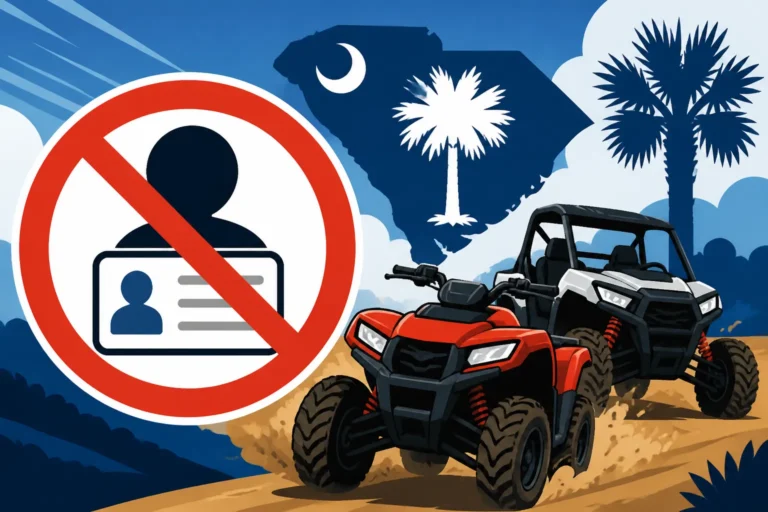
Operating a street-legal UTV on public roads comes with specific age and licensing requirements. In South Carolina, you must be at least 17 years old to operate a street-legal UTV on public roads. And, perhaps most importantly, you need to possess a valid South Carolina driver's license. A beginner's permit is not sufficient for operating a street-legal UTV on public roadways. This ensures that anyone behind the wheel has demonstrated a basic understanding of traffic laws and has a certain level of driving experience. [South Carolina Street UTV Age of 17] clarifies this.
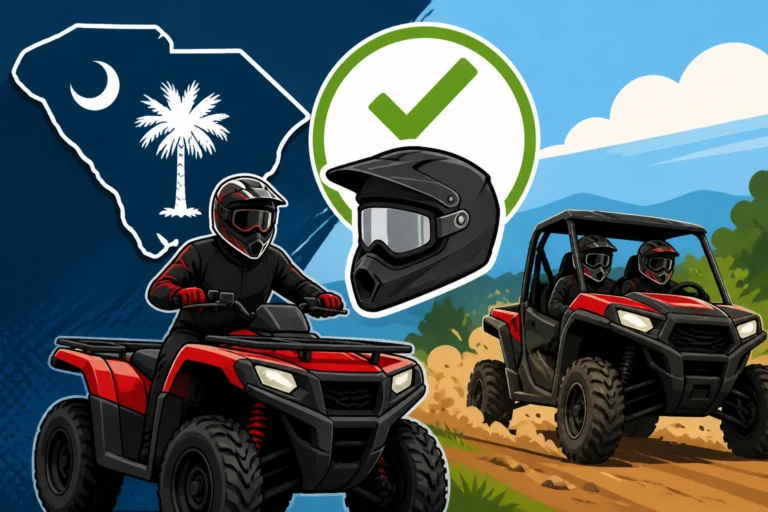
Furthermore, there are rules regarding passengers and helmets. For example, UTV operators and passengers under the age of 21 are typically required to wear a helmet that meets federal safety standards. This is a critical safety measure, especially given the open nature of many UTV designs. Always err on the side of caution when it comes to head protection. Regarding passengers, there can be age limits for who can ride in a street-legal UTV, often prohibiting very young children. Always check the specific language of the law to ensure all your passengers are legally and safely accommodated. [South Carolina Street UTV Helmet Rules Under 21] offers more information on this.
It's about making smart, safe choices. While the new laws have opened up exciting possibilities for UTV owners, they come with the responsibility of adhering to all safety and legal guidelines. Being a responsible rider not only keeps you safe but also helps maintain a positive perception of UTVs on South Carolina roads, ensuring these privileges continue for everyone.
Disclaimer
This article is for general informational purposes only and does not constitute professional advice. Laws, prices and regulations vary by location and change over time. Consult a qualified professional for guidance on your specific situation.