Finding the Serial Number on an Older Palmetto Quad
It's an all too common scenario here in the Palmetto State: you've got an older ATV, maybe one that's been passed down, or a great deal you snagged on a private sale, and suddenly you realize you need its serial number. Perhaps you're trying to get it titled, or maybe an insurance company is asking for it, and you just can't seem to locate that elusive string of characters. This guide is here to walk you through the often-frustrating process of finding the serial number on an older South Carolina quad, giving you the best chance to uncover that vital piece of your machine's identity.
Why Your ATV's Serial Number Matters So Much in South Carolina
Think of your ATV's serial number as its DNA. It's unique to your specific machine, and without it, proving ownership, getting insurance, or even selling it legally can become an absolute nightmare. Especially here in South Carolina, where ATV rules have evolved, having that number readily available is crucial for a smooth ownership experience.
Legal Requirements and Ownership Proof
When it comes to proving you actually own that beautiful machine, the serial number is king. If you ever decide to title your ATV – and while [South Carolina Titles Are Optional] for off-road quads, it's often a smart move – the DMV will absolutely require that serial number. It's how they track the machine and link it directly to you. Without it, you might find yourself in a sticky situation, trying to prove ownership with a bill of sale alone, which can be challenging, especially if that paperwork isn't quite up to snuff. Even if you don't title it, keeping good records of that serial number is paramount, particularly if you need to establish [South Carolina Proof of Ownership Without a Title]. A proper bill of sale, like one you might generate with a service like LawDepot, will always include the serial number to ensure a clear transaction.
Insurance and Financing Needs
Most insurance companies, especially if you're looking for comprehensive coverage beyond basic liability, will ask for your ATV's serial number. It's how they identify the specific machine they're insuring. Imagine a claim situation where your quad is stolen or damaged; without a verifiable serial number, the insurance company has no way to confirm the claim is for your specific ATV. Similarly, if you're looking to finance an ATV, lenders almost universally require the serial number. They need that specific identifier to place a lien on the machine and protect their investment. You might find that [Lenders That Will Not Finance an Untitled Quad] will also hesitate if the serial number is difficult to verify.
Theft Recovery and Safety Recalls
This is where the serial number truly becomes a hero. If your ATV is ever stolen, that serial number is the single most important piece of information law enforcement needs to identify and recover it. Without it, finding your machine in a sea of similar ATVs is like finding a needle in a haystack. The South Carolina Department of Motor Vehicles (DMV) can use this number to run checks and assist in recovery. Furthermore, manufacturers issue safety recalls for specific ranges of serial numbers. If you don't know yours, you could miss out on a critical repair that ensures your safety and the longevity of your machine. It’s a good practice to periodically check for recalls once you have that number in hand. For peace of mind, knowing your serial number allows you to quickly perform a check to see [How to Check Whether a Quad Was Stolen] if you're buying a used machine.
Where to Start Your Search: Common Locations on an Older Quad
Finding a serial number on a brand-new ATV is usually a breeze; it's right there, often clearly marked. But on an older "Palmetto Quad" that's seen its fair share of Lowcountry mud or Upstate trails, it can feel like a scavenger hunt. Manufacturers aren't always consistent, and time can be an unkind master.
The Frame Rail: Your First Stop
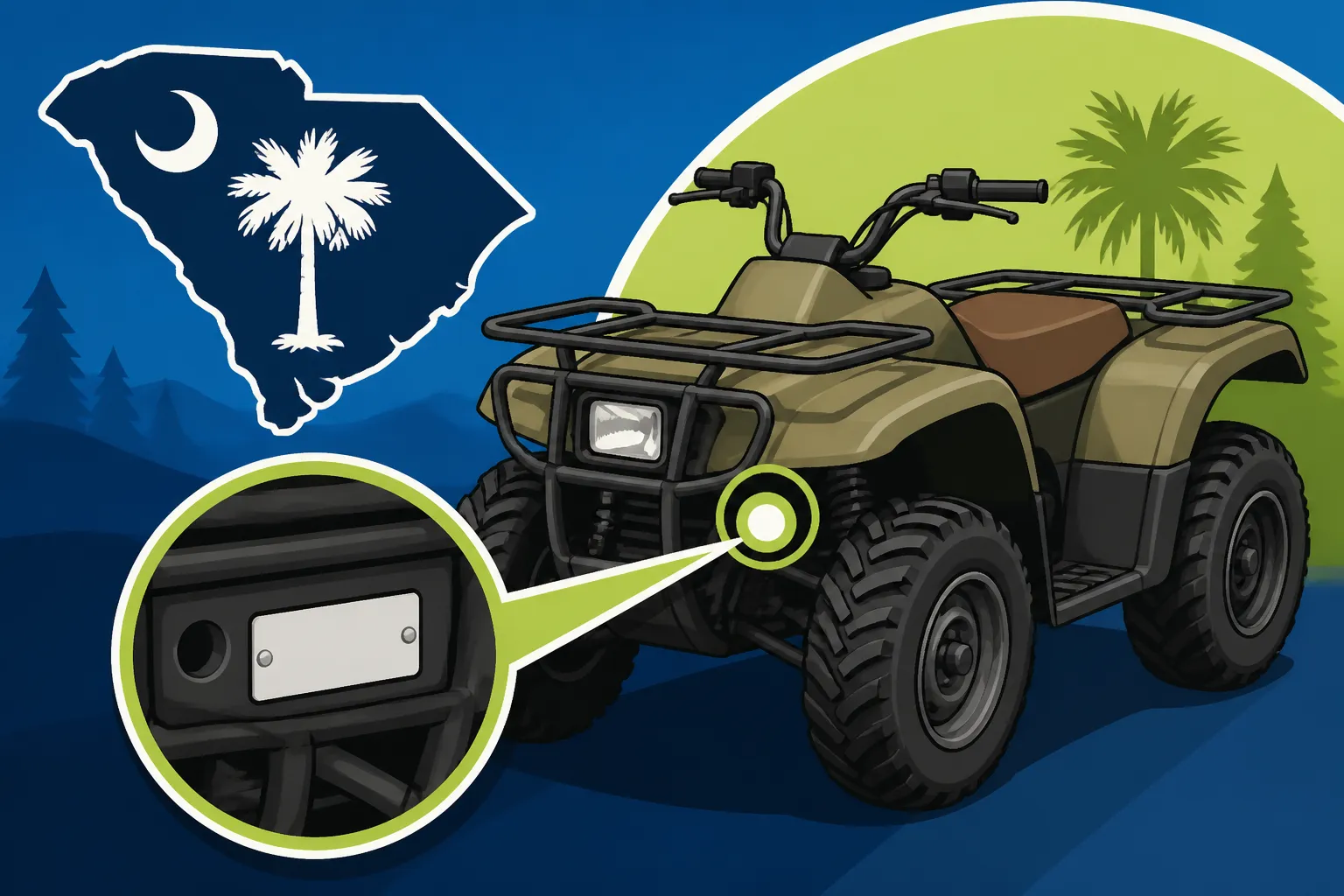
This is almost universally the most common place to find your ATV's serial number, which is technically called the Vehicle Identification Number (VIN). Most manufacturers stamp it directly onto the frame, usually on the left-hand side (when sitting on the machine) near the front wheel. It could be on the main frame tube that runs down from the steering stem, or sometimes on a cross-member near the footpeg.
Here’s what makes it tricky with older machines:
- Rust and Corrosion: South Carolina's humidity and the inevitable exposure to the elements mean rust is a common enemy. It can eat away at the stamped characters, making them faint or completely unreadable.
- Mud and Grime Buildup: Years of trail riding, creek crossings, and just general farm use can pack dirt, grease, and mud into the stamped numbers, obscuring them completely.
- Paint and Coatings: A previous owner might have repainted the frame, either for restoration or customization, and sometimes that paint can fill in or cover the stamped numbers.
- Protective Plates/Guards: Some aftermarket skid plates or frame guards, while great for protection, might inadvertently cover the area where the VIN is stamped. You might need to temporarily remove these to get a clear view.
Take your time with this area. Get down low, use a good light, and be prepared to do some cleaning.
Engine Case and Other Component Tags
While the frame VIN is the primary identifier, some manufacturers will also stamp a number on the engine case itself. This isn't always the full VIN but can sometimes be a partial VIN or an engine serial number. This can be particularly helpful if the frame VIN is absolutely destroyed. Look on the crankcase, typically near where the engine mounts to the frame, or on one of the engine's side covers.
Beyond the engine, occasionally you might find small, metallic plates or stickers on other major components, though these are less likely to contain the full VIN. These might be on the transmission housing, differential, or sometimes even the suspension components. These are often component-specific serial numbers rather than the main vehicle VIN, but it's worth a look if you're desperate.
Manufacturer Labels and Stickers
Modern ATVs often have multiple stickers with the VIN, usually for convenience. Older machines might have had them too, but they rarely stand the test of time. Still, it's worth checking these spots:
- Under the Seat: Lift the seat and look for any remaining stickers on the frame or the underside of the seat itself.
- Inside Storage Compartments: If your ATV has any small storage bins, pop them open and check the interior surfaces.
- On Fenders or Body Panels: Some older machines had stickers adhered to the inside of fenders or other plastic body panels. These are highly susceptible to fading from sunlight, wear from cleaning, or simply peeling off over the years.
- Original Owner's Manual: If you're lucky enough to have the original owner's manual, the VIN is almost always printed inside, often on the cover or a dedicated page. This is a goldmine if you have it!
Remember, these stickers are often the first things to disappear or become illegible on an older machine, so consider them secondary to the frame stamp.
Tackling the Challenges of an Older "Palmetto Quad"
An older ATV that's been used and loved in South Carolina is going to present unique challenges when you're hunting for that serial number. It's not like a car where the VIN is often visible through the windshield. These machines get dirty, get beat up, and their identifying marks can disappear under layers of history.
Rust, Mud, and General Wear and Tear
This is the biggest hurdle. A machine that's spent years traversing the Francis Marion National Forest or bouncing around a farm in Sumter County is going to have accumulated a lot.
- Cleaning is Key: Before you can even hope to see anything, you need to clean the suspected areas thoroughly. A stiff wire brush (but be gentle around the numbers themselves!), penetrating oil (like WD-40 or PB Blaster), and a good rag are your best friends. Spray the penetrating oil, let it sit for a few minutes to work into the grime and rust, then carefully scrub. You want to remove the dirt, not the metal.
- Lighting Matters: Don't try to do this in a dimly lit garage. Use a powerful flashlight, or even better, natural daylight. Try different angles of light to make the stamped characters cast shadows, which can make them much easier to read. A magnifying glass can also be incredibly helpful for deciphering faint or partially obscured numbers.
- Patience, My Friend: This isn't a quick job. You might need to clean, let soak, clean again, and reposition your light multiple times. Frustration is normal, but rushing will only make it worse.
Previous Owners and Modifications
Sometimes, the issue isn't just nature, but human intervention.
- Painted Over Numbers: If the frame was repainted, the serial number might be buried under layers of paint. You might need to carefully (and we mean carefully) use a paint stripper or a very fine-grit sandpaper to remove just the paint from the area, being extremely careful not to damage the underlying metal stamp. Test a small, inconspicuous area first.
- Aftermarket Additions: Did a previous owner install a winch mount, a heavy-duty bumper, or custom footpegs? Sometimes these accessories can be bolted directly over the VIN location. You might need to loosen or temporarily remove these parts to gain access.
- Ground Off Numbers: A Major Red Flag: This is the worst-case scenario. If it looks like the numbers have been deliberately ground off or defaced, you might be dealing with a stolen machine. If you encounter this, stop immediately and contact local law enforcement. Do not attempt to buy or sell such a machine. It’s also wise to check the VIN against theft databases before finalizing a private sale, and a service like LawDepot can help you draw up a legally sound [Buying From a Private Seller in South Carolina] agreement.
The Missing or Illegible Number Dilemma
What happens if, despite your best efforts, you simply can't find a readable serial number? This is a tough spot, but not always a dead end.
- DMV Guidance: Your first step should be to contact the South Carolina DMV. They deal with these situations regularly and can advise you on the specific process. You might need to bring the ATV in for a physical inspection by a DMV employee or law enforcement officer who specializes in VIN verification.
- Bonded Title: In some cases, if the VIN is completely missing or illegible and you can still prove ownership through other means (like a bill of sale or previous registration in another state), you might be able to apply for a bonded title. This is a more complex process involving a surety bond, but it can provide a legal pathway to ownership. This might be part of the solution if you're looking for a [South Carolina Title Without a Bill of Sale] and lack a clear VIN.
- Assigned VIN: In very rare circumstances, if all other avenues are exhausted and the machine is confirmed to be legitimate, the DMV might assign a new VIN. This is a last resort and typically involves extensive paperwork and inspections.
Step-by-Step Guide to Unearthing Your Serial Number
Let's get practical. Here's a systematic approach to finding that all-important serial number on your South Carolina quad.
Gathering Your Tools
Before you start, make sure you have everything you need. This isn't a job you want to repeatedly stop and start.
- Bright Flashlight: A powerful LED flashlight is essential for illuminating those dark crevices.
- Wire Brush (Small, Stiff): For removing heavy rust and grime. Choose one with bristles that aren't overly abrasive to avoid damaging the metal.
- Penetrating Oil/Cleaner: WD-40, PB Blaster, or a similar rust penetrant or heavy-duty degreaser.
- Clean Rags: For wiping away dirt and excess cleaner.
- Magnifying Glass: Invaluable for reading faint or small numbers.
- Camera or Smartphone: To take clear photos of what you find, or even what you don't find, for documentation.
- Paper and Pen: To write down the number as soon as you see it, and to note any challenges or observations.
- Safety Glasses and Gloves: Always protect your eyes and hands when cleaning and working with chemicals.
A Systematic Search Strategy
Approach this like a detective. Don't just randomly poke around.
- Start with the Left Front Frame Rail: This is your primary target. Sit on the ATV, then look down at the frame rail on your left side, running from the steering stem down towards the front wheel. It's often located near the front suspension or where the main frame tube splits. Use your flashlight to scan this area meticulously.
- Clean as You Go: If you see a potential spot that's dirty or rusty, apply penetrating oil, let it sit, then scrub gently with the wire brush. Wipe clean with a rag and re-examine. Repeat until the metal is as clean as possible.
- Check All Angles with Light: Once clean, use your flashlight from different angles. Sometimes, the numbers are only visible when light hits them just right, creating tiny shadows in the stamped depressions.
- Move to Other Common Spots: If the main frame rail yields nothing, move to other potential locations:
- Right Front Frame Rail: Less common, but still possible.
- Frame Cross-members: Look at the tubes running horizontally or diagonally across the frame, especially in the front half of the machine.
- Under the Seat/Fenders: Check for any remaining stickers or plates.
- Engine Case: Inspect the engine block, particularly where it meets the frame.
- Swingarm Pivot Area: Some manufacturers placed numbers here, though it's rare.
- Be Thorough, But Realistic: On older machines, especially if they've had a rough life, the original VIN sticker might be long gone, and the stamped number severely corroded. If you've been over every inch of the frame, engine, and common sticker locations multiple times and found nothing, it's time to consider the next step.
Documenting What You Find (or Don't Find)
This step is incredibly important, whether you find the number or not.
- Take Photos: Once you locate the serial number, take multiple clear, well-lit photos from different angles. Get close-ups that show each character clearly. If the number is faint, take photos that show the surrounding area to provide context. If you're selling the machine, having these photos ready is a great idea, especially if the buyer wants to perform a [Checking a Serial at a Carolina Sale].
- Write it Down Immediately: Don't rely on memory. As soon as you can read the number, write it down accurately on paper. Double-check each character. VINs often contain letters and numbers that look similar (e.g., '0' and 'O', '1' and 'I').
- Note Challenges: If the number was difficult to find, or if parts of it are still illegible despite your best efforts, make detailed notes. For instance, "VIN found on left frame rail, characters 5-7 heavily rusted but legible with magnifying glass." These notes can be helpful if you need to explain the situation to the DMV or an insurance company.
- Keep a Record: Store the written number and the photos in a safe place, ideally with your other ATV documents. This is your permanent record. [Photographing the VIN Before You Hand Over Cash] is a wise move for both buyers and sellers to ensure transparency.
When to Seek Professional Help
Sometimes, despite your best efforts, that serial number remains stubbornly hidden. Or perhaps you've found something suspicious. Knowing when to call in the cavalry can save you a lot of headache and potential legal trouble.
Consulting a Dealer or Mechanic
If you're still struggling after a thorough search, a reputable ATV dealer or an experienced powersports mechanic is an excellent resource.
- Make/Model Specific Knowledge: Dealers and mechanics who specialize in specific brands (e.g., Polaris, Honda, Yamaha) often know the exact, sometimes obscure, locations where that manufacturer placed VINs on older models. They've seen hundreds of machines and know the common spots for rust or hidden numbers.
- Specialized Tools and Expertise: They might have borescope cameras or other specialized tools that can reach into tight spaces or reveal faint markings that you missed. They also have the experience to gently clean and reveal numbers without causing damage.
- Verification: If you find a partial number but aren't confident, a professional can often help verify it, sometimes by cross-referencing with other numbers on the machine or manufacturer databases.
Involving Law Enforcement (for Suspicious Cases)
This is a critical step if you encounter certain red flags:
- Ground Off or Altered Numbers: If it looks like the serial number has been intentionally defaced, ground down, or clearly tampered with, do NOT proceed with the purchase (if you're a buyer) or attempt to sell (if you're the owner, unaware of previous tampering). This is a strong indicator of a stolen vehicle.
- Missing Numbers with No Explanation: If there's absolutely no trace of a VIN, and the seller has no credible explanation or documentation, it's highly suspicious.
- What to Do: If you suspect foul play, immediately contact your local sheriff's department or police. Provide them with all the details of the ATV, where you found it (or didn't find the number), and any information about the seller if applicable. They have the resources to investigate and can often use forensic techniques to reveal original VINs on tampered machines. Owning or even possessing a machine with an altered VIN, even unknowingly, can lead to legal issues.
DMV Assistance for Untitled Machines
When you simply can't find a clear serial number, and you're aiming to get your ATV legit, the South Carolina DMV is your official gateway.
- VIN Verification: The DMV often has procedures for VIN verification by their own staff or by a designated law enforcement officer. This might involve bringing the ATV to a DMV office or having an officer visit your location. They will physically inspect the machine to locate and verify the VIN.
- Special Procedures for Missing/Illegible VINs: As mentioned earlier, if the VIN is truly missing or unreadable, the DMV can guide you through the process for obtaining a bonded title or, in rare cases, an assigned VIN. This usually requires comprehensive documentation (bills of sale, prior registrations, sworn affidavits, etc.) and a thorough investigation to ensure the machine isn't stolen. It's not a quick fix, so be prepared for some paperwork and waiting. If you're looking into [South Carolina Title Only or Registration Only], having a clear VIN is step one, so make sure you've explored all options with the DMV if yours is elusive.
Remember, the goal is to make sure your older "Palmetto Quad" is fully legitimate and traceable. Taking these steps not only protects you but also helps maintain the integrity of our ATV community here in South Carolina. LawDepot can be a useful tool for generating official-looking bills of sale or affidavits, which might be helpful supplementary documents when dealing with the DMV in these more complex scenarios.
Here's a quick reference table for common serial number locations:
| Machine Type | Primary Location (VIN) | Secondary Locations (Possible) | Notes |
|---|---|---|---|
| Most ATVs | Left front frame rail (stamped) | Under seat sticker, engine case | Often obscured by dirt, rust, paint, or aftermarket parts. |
| Older Sport Quads | Left front frame rail (stamped) | Inside fenders (sticker) | May be harder to access due to tight bodywork. |
| Older Utility Quads | Left front frame rail (stamped) | Engine case, under seat | Prone to heavy mud/grease buildup, especially on farm machines. |
| Side-by-Sides (UTVs) | Front frame (often driver's side) | Firewall, door jamb, engine bay | Generally easier to find due to more accessible locations and less direct exposure. Titling for UTVs, particularly for street-legal ones, is typically mandatory. |
Disclaimer
This article is for general informational purposes only and does not constitute professional advice. Laws, prices and regulations vary by location and change over time. Consult a qualified professional for guidance on your specific situation.