Street-Legal UTVs Cost $10 Every Two Years
If you're a UTV owner in South Carolina, or you're thinking about becoming one, the sheer thought of navigating the state's rules for getting your machine on public roads can feel like slogging through deep Lowcountry mud. For years, the conversation around street-legal UTVs was filled with confusion and dead ends, leaving many riders feeling stuck. But things have changed, and now, for a surprisingly low biennial fee, you can get your UTV street-legal. This guide will walk you through the ins and outs of the $10 registration cost every two years, what it entails, and what else you need to know to hit the asphalt legally in the Palmetto State.
Unpacking South Carolina's Street-Legal UTV Legislation
For the longest time, the idea of legally cruising down a paved road in your UTV in South Carolina felt like a pipe dream. Traditional ATVs and UTVs were strictly off-road machines, with very limited exceptions for crossing roads or agricultural use. This created a lot of frustration for owners who wanted more versatility from their powerful side-by-sides, especially those living in rural areas or near small towns where a UTV could be incredibly handy for quick errands or short commutes. Thankfully, the landscape began to shift, culminating in legislation that finally gave UTV owners a clear path to street legality. This wasn't just a minor tweak; it was a significant change that opened up new possibilities for how these machines could be used across the state.
The November 2026 Opening and Its Impact
The biggest game-changer arrived with [South Carolina Act 164 and Street UTVs], which paved the way for street-legal UTV registration to begin. Specifically, [Street UTV Registration Opens November 18, 2026], marking a new era for side-by-side enthusiasts. This date isn't just some bureaucratic milestone; it’s when UTV owners can officially begin the process of getting those coveted license plates. Before this, you might have seen some "street-legal" UTVs, but they were often operating under patchwork interpretations of laws, or perhaps they were actually classified as Low-Speed Vehicles (LSVs), which have different rules entirely. This new law provides a dedicated framework, bringing clarity and legitimacy to the street-legal UTV segment, which is a huge relief for many.
The impact of this legislation is far-reaching. It means that communities, particularly those with a strong outdoor recreation presence, can now embrace UTVs as a legitimate form of local transportation, albeit with specific restrictions. For folks who live on large tracts of land, or in developments with private roads that connect to public ones, the convenience is undeniable. Imagine being able to take your side-by-side directly from your property to a nearby store or a friend's house without having to load it onto a trailer every single time. It truly transforms the utility of these machines, moving them beyond just recreational toys to practical vehicles for certain applications.
Key Requirements for Street Legality
Now, simply because registration opens up doesn't mean every UTV instantly qualifies. There's a list of [South Carolina Street UTV Requirements Explained] that your machine must meet to be considered road-worthy. These aren't arbitrary rules; they are designed to ensure safety for both the UTV operator and other vehicles on the road. Think about it: a UTV built purely for off-road trails doesn't necessarily have the same safety features as a car, so these regulations bridge that gap. We're talking about things like proper headlamps, tail lamps, stop lamps, turn signals, and mirrors – all the essentials you’d expect on any vehicle sharing public roads.
Beyond lighting and visibility, there are also specifications related to the UTV itself. For instance, there are limits on width, weight, and engine displacement for [South Carolina Street UTV Machine Specs] to qualify. These details are critical, so don't just assume your showroom-stock side-by-side is ready to roll. You'll need to review your machine's specifications against the state's requirements. Many manufacturers now offer "street-legal ready" packages or accessories, which can make compliance easier, but it’s always on the owner to verify. Missing even one small component could lead to issues at the DMV or, worse, a citation from law enforcement once you're on the road.
The $10 Biennial Registration Fee
Alright, let's get down to the brass tacks, the actual cost that prompted this whole discussion: that incredibly wallet-friendly $10 fee. After navigating the complexities of legislation and machine requirements, finding out the ongoing cost of keeping your UTV street-legal is so affordable feels like a breath of fresh air. It’s significantly less than what you might expect for other vehicle registrations, reflecting the state's recognition that these machines serve a specific, often localized, purpose rather than being daily drivers racking up thousands of miles on interstates.
Breaking Down the Fee Structure
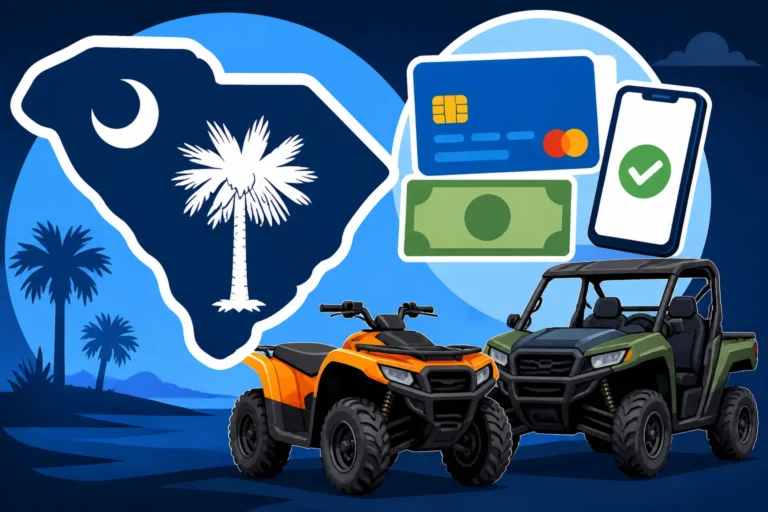
The core of your ongoing street-legal UTV expense is the [South Carolina's Biennial Street UTV Fee] of just $10. Yes, you read that right – ten dollars, every two years. This fee covers the cost of your registration and the issuance of your license plate. Compared to the often hundreds of dollars spent on annual registration for cars, trucks, or even motorcycles, this is remarkably low. It really helps keep the cost of ownership down, which is a huge benefit for UTV owners who might already be investing significant money in their machines, accessories, and maintenance. This minimal fee makes the barrier to entry for street legality much lower, encouraging compliance and broadening the utility of these vehicles.
It’s important to understand that this $10 isn't a one-time thing. It's a recurring charge, meaning you’ll pay it every other year to maintain your street-legal status. This biennial structure is common for various permits and registrations in South Carolina, so it's not unique to UTVs. The intent behind such a low fee seems to be to cover the administrative costs of issuing the plate and maintaining records without burdening owners with high taxes or fees that might discourage legal registration. Ultimately, the cost of Street-Legal UTVs Cost $10 Every Two Years is arguably one of the most attractive aspects of the new law, especially when you factor in the utility it provides.
Why the Fee is Biennial
The decision to make the registration fee biennial, rather than annual, is largely an administrative one, designed to streamline the process for both the state and the UTV owner. Instead of having to remember to renew every single year, you get a two-year window. This reduces the administrative burden on the Department of Motor Vehicles (DMV) by cutting down on the sheer volume of transactions they need to process annually. For you, the UTV owner, it means one less annual bill to worry about, and it spreads out the renewal cycle, making it easier to manage your vehicle-related paperwork.
When it's time to renew, the process is straightforward. You'll simply pay the $10 fee again, and you'll receive updated decals or a renewed registration card. It’s all part of making the system as user-friendly as possible while still ensuring that all registered vehicles are accounted for. The consistency of [Renewing a Street UTV Plate for $10] means you won't be hit with unexpected fee hikes or sudden changes to the renewal schedule, providing a predictable and stable cost for street-legal UTV operation. This predictability is something every vehicle owner appreciates, as it helps with long-term budgeting for machine ownership.
The Registration Process and Associated Paperwork
So, you've got a UTV that meets all the specifications, and you're ready to pay your $10. What's next? The actual process of getting your street-legal UTV registered in South Carolina, like any interaction with the DMV, requires a specific set of documents and a bit of patience. It’s not overly complicated, but being prepared with everything you need beforehand will save you a lot of time and potential headaches. Don't just show up hoping for the best; a little preparation goes a long way in navigating government services.
Essential Documents for Registration
Gathering your documents is the first crucial step. You'll need specific items to prove ownership, verify your identity, and confirm your UTV's compliance. This includes your South Carolina driver's license or state-issued ID, proof of insurance, and the UTV's title or Manufacturer's Certificate of Origin (MCO) if it's a brand new machine. If you bought your UTV from a dealer, they might handle some of this paperwork for you as part of the sale, but it's always wise to double-check. For private sales, you'll need a properly executed bill of sale in addition to the assigned title. You can find templates for bills of sale through online legal document services like LawDepot, which can ensure all necessary details are included.
The main form you'll fill out for [South Carolina Paperwork for a Street UTV] is the title application (Form 400). This single form typically handles both titling and registration in South Carolina, so you'll specify that you're applying for registration for a street-legal UTV. If your UTV already has a title, you'll simply be applying for the registration and plate. If you're wondering about [South Carolina Proof of Ownership Without a Title] for some reason, for a street-legal UTV, a title is pretty much a non-negotiable requirement for registration. The state needs a clear chain of ownership for any vehicle receiving a license plate, so make sure your ownership documents are in perfect order before heading to the DMV.
Navigating the DMV
Once you have all your documents in hand, you’ll head to your local DMV office to submit your application. It’s always a good idea to check their specific operating hours or even make an appointment if that’s an option. When you get to the counter, you’ll present your paperwork, pay the $10 biennial registration fee, and any applicable titling fees (more on those in a moment). The clerks will review everything to ensure it's complete and correct. Sometimes, they might ask questions about your UTV's features to ensure it meets the street-legal requirements, so be prepared to discuss things like its width, lights, and other safety equipment.
While the process is generally straightforward, keep in mind that [South Carolina Title Processing Time] can vary. Sometimes you might walk out with your plate and registration the same day, especially if everything is in order. Other times, particularly if there's a backlog or if any details need clarification, it might take a few days or weeks for your permanent plate to arrive in the mail. If you're in a rush, South Carolina does offer an [South Carolina Expedite Fee of $20] for titling, but check if this applies specifically to registration or if it only speeds up the title issuance. Either way, being polite and patient with the DMV staff always helps the process move as smoothly as possible. Knowing [What to Bring to a South Carolina DMV Counter] is half the battle won.
Insurance Requirements
Just like any other vehicle on public roads, your street-legal UTV will need to be insured. This isn't an optional extra; it's a mandatory requirement to legally operate your machine on South Carolina's streets. The state requires liability insurance to cover damages or injuries you might cause to others in an accident. Without it, you won't be able to get that coveted license plate, no matter how perfectly your UTV meets all the other mechanical requirements. This is a critical point that sometimes catches new street-legal UTV owners by surprise, especially if they've only ever used their machines off-road where insurance might have been optional.
When you go to register, you'll need to provide [South Carolina Insurance Proof at Registration]. This typically comes in the form of an insurance card or a declaration page from your insurance provider. Make sure your policy specifically covers your UTV for street use. Standard off-road ATV/UTV policies might not extend to public roads, so it's essential to talk to your insurance agent and confirm you have the correct coverage. The new laws around street-legal UTVs also specify [South Carolina Street UTV Insurance Rules], so your agent should be familiar with the minimum requirements. Don't skimp on this step; operating an uninsured vehicle on public roads can lead to significant penalties, fines, and even suspension of your driving privileges.
Beyond the Basic Fee: Other Potential Costs and Considerations
While the $10 biennial registration fee is incredibly appealing, it's crucial to remember that it's just one piece of the financial puzzle. Owning and operating a street-legal UTV involves other potential costs, both upfront and ongoing, that you should budget for. Overlooking these can lead to unexpected expenses and throw off your financial planning. A realistic understanding of the total cost of ownership ensures you're fully prepared for your street-legal adventure.
Titling Your Street-Legal UTV
Before you can even think about registering your UTV, you'll almost certainly need to title it. For a street-legal machine, a title is a fundamental document that establishes legal ownership. While South Carolina has historically made [South Carolina Titles Are Optional] for off-road ATVs, this flexibility does not extend to vehicles that will be issued a license plate for street use. You absolutely need a title for a street-legal UTV. If you bought your UTV new from a dealer, they typically handle the initial titling process, using the Manufacturer's Certificate of Origin (MCO) to get a title in your name.
If you're titling a used side-by-side, the process involves transferring the title from the previous owner to you. This means they should provide you with a properly assigned title at the point of sale. Be wary of sellers who claim they don't have a title for a UTV intended for street use. Without it, you could face significant hurdles at the DMV. The fee for titling is separate from the registration fee. While the registration is a mere $10 every two years, [What a South Carolina ATV Title Costs] is generally a modest, one-time fee, but it's an important one to factor into your initial purchase costs. For comprehensive guidance on this, check out [Titling a Side-by-Side in South Carolina].
Property Tax Exemptions
One piece of excellent news for street-legal UTV owners in South Carolina is how they are treated concerning property taxes. Many vehicle owners dread those annual property tax bills from the county, but UTVs enjoy a unique exemption. Since [South Carolina Exempts ATVs From Property Tax] since 2011, your off-road quad or side-by-side doesn't incur these yearly county taxes. This exemption extends to street-legal UTVs as well.
This means that even though your UTV will be registered and plated for street use, you generally won't receive an annual property tax bill for it from your county auditor. This can represent significant savings over the years, especially for higher-value machines. The statute behind this exemption is [South Carolina Code Section 50-26-50], which explicitly removed ATVs and similar off-road vehicles from the personal property tax rolls. This is why [South Carolina Street UTVs Skip County Property Tax] and why [Why Your Quad Never Gets a Tax Bill] when it's just for trail use, and now, even with a plate.
Dealer vs. Private Sale Paperwork
The path to street-legal UTV ownership can differ significantly depending on whether you purchase your machine from a licensed dealer or a private seller. Each route has its own set of paperwork and potential fees that you need to be aware of. Dealers typically streamline the process, but private sales often require more legwork from the buyer.
When buying from a dealer, they often act as a liaison with the DMV, handling much of the initial titling and registration paperwork for you. They'll process the MCO, collect any sales tax or fees, and submit the necessary forms. Be mindful of [South Carolina Dealer Paperwork at Delivery] and any additional charges, such as "doc fees" or "freight charges," which can add to your overall cost. Always ask for an "out-the-door" price to understand the total cost before signing anything. On the flip side, when [Buying From a Private Seller in South Carolina], you are responsible for all the paperwork yourself. This means ensuring the seller provides a properly assigned title and a bill of sale. Using a template from a resource like LawDepot can ensure your bill of sale is comprehensive. You'll also be responsible for taking all documents to the DMV yourself and handling the sales tax (which is typically paid at the DMV when you title the machine).
Maintaining Street-Legal Status and Compliance
Once your UTV is street-legal, plated, and registered, the journey isn't over. You have an ongoing responsibility to maintain its street-legal status and operate it in compliance with South Carolina laws. This involves more than just keeping your registration current; it means understanding the rules of the road that specifically apply to these unique vehicles. Failing to adhere to these rules can lead to fines, citations, and potentially even the loss of your street-legal privileges.
Displaying Your Plate and Decals
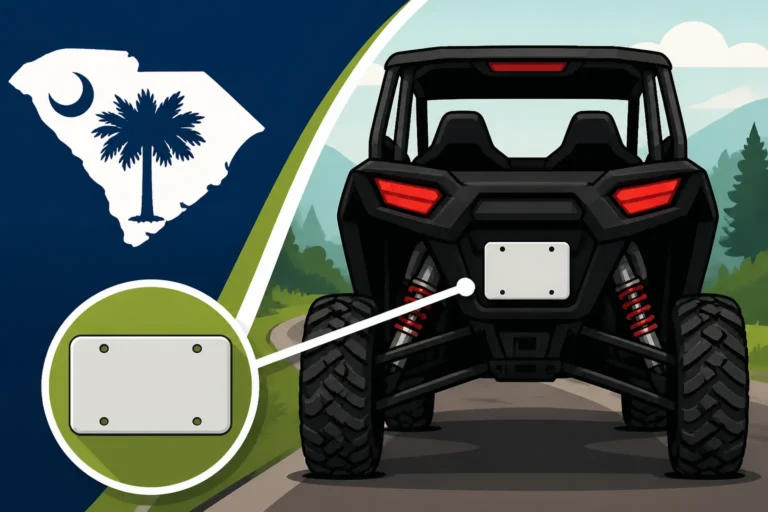
One of the most visible aspects of your UTV's street legality will be its license plate. Just like a car or truck, your street-legal UTV will be issued a standard South Carolina license plate that must be properly displayed. The law specifically mandates [South Carolina Rear Plates for Street UTVs], meaning it needs to be affixed to the rear of your machine in a clearly visible location. It can't be tucked away under a fender or obscured by mud or accessories. Law enforcement needs to be able to easily identify your vehicle, just as they would any other vehicle on the road.
Along with the plate, you'll also receive registration decals that need to be applied to the plate itself, indicating the current registration period. These decals usually have an expiration date, aligning with your biennial registration. It’s imperative to keep your plate and decals current and visible. A lapsed registration or an obscured plate can lead to a ticket. This simple act of displaying [The Rear Plate a Street-Legal UTV Must Carry] correctly is a fundamental requirement for operating your UTV on public roads, signaling to law enforcement and other drivers that your machine is operating legally.
Understanding Operating Restrictions
While your UTV is now street-legal, it's not quite the same as a regular passenger vehicle. There are specific operating restrictions and rules you must follow to remain in compliance. These are designed to integrate UTVs safely into the existing road infrastructure without causing undue risk. One of the most important aspects is understanding [South Carolina Street UTV Road Speed Limits]. Street-legal UTVs are typically restricted to roads with speed limits of 55 mph or less and are prohibited from interstates and other high-speed highways.
Furthermore, there might be specific [South Carolina Street UTV Radius Exceptions] or local ordinances that further restrict where and how you can operate your UTV. Some municipalities might have their own rules regarding UTV access on certain roads or during specific hours. Always check with local authorities in areas where you plan to ride. Beyond speed and location, standard rules of the road apply: obey traffic signals, yield to pedestrians, use turn signals, and drive defensively. Remember, while your UTV is plated, it still might handle differently than a car, so adjust your driving style accordingly and always prioritize safety.
Here's a quick comparison of general requirements for off-road ATVs/UTVs versus street-legal UTVs in South Carolina:
| Feature/Requirement | Off-Road ATVs/UTVs (General Use) | Street-Legal UTVs (On-Road Use) |
|---|---|---|
| Title | Optional ([South Carolina Titles Are Optional]) | Required ([Titling a Side-by-Side in South Carolina]) |
| Registration | Not required ([South Carolina Has No Off-Road ATV Registration]) | Required ([South Carolina Street-Legal UTV Registration Arrives]) |
| Registration Fee | N/A | $10, biennial ([South Carolina's Biennial Street UTV Fee]) |
| License Plate | Not issued | Required, rear-mounted ([South Carolina Rear Plates for Street UTVs]) |
| Property Tax | Exempt ([South Carolina Exempts ATVs From Property Tax]) | Exempt ([South Carolina Street UTVs Skip County Property Tax]) |
| Insurance | Not required (though recommended) ([Does an Off-Road Quad Need Insurance in South Carolina?]) | Required ([South Carolina Street UTV Insurance Rules]) |
| Equipment | Basic safety (brakes, lights) | Extensive (headlights, tail lights, stop lamps, turn signals, mirrors, horn, seatbelts, windshield, etc.) ([South Carolina Street UTV Requirements Explained]) |
| Road Use | Limited (crossing roads, agricultural exemptions) (Can You Ride an ATV on the Road in South Carolina?) | Permitted on roads 55 mph or less, with restrictions ([South Carolina Street UTV Road Speed Limits]) |
| Minimum Age | Governed by Chandler's Law (Chandler's Law and South Carolina ATV Rules) | 17 for driver's license (South Carolina Street UTV Age of 17) |
Getting your UTV street-legal in South Carolina for just $10 every two years is a fantastic opportunity for many riders. It opens up new avenues for enjoyment and practicality, making your side-by-side even more versatile. However, it's crucial to approach this process with a full understanding of all the requirements, from the necessary vehicle modifications and insurance to the correct paperwork and ongoing compliance. By doing your homework, gathering your documents, and understanding the rules, you can enjoy the freedom of taking your UTV on South Carolina's public roads, safely and legally.
Disclaimer
This article is for general informational purposes only and does not constitute professional advice. Laws, prices and regulations vary by location and change over time. Consult a qualified professional for guidance on your specific situation.